Can I Give My Dog a Banana for Diarrhea? Safe Guide 2026

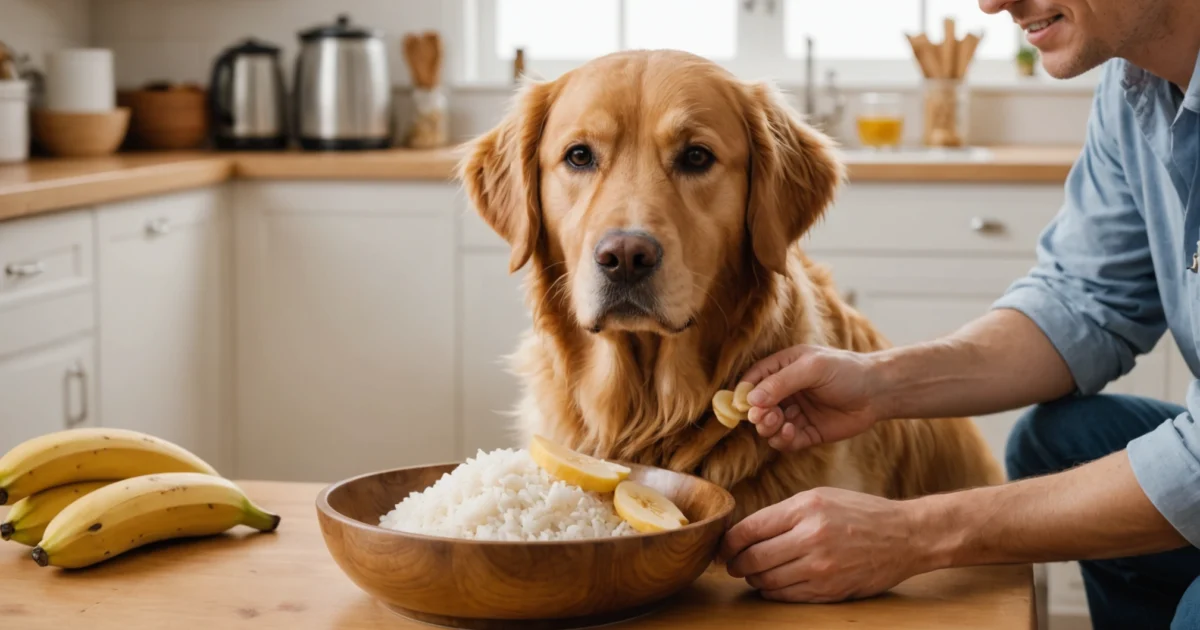
Can I give my dog a banana for diarrhea? Yes, bananas are generally safe for dogs and may help with mild diarrhea due to their pectin content, which helps bind loose stools. However, bananas should only be used for minor digestive upset, not severe or persistent diarrhea that requires veterinary care.
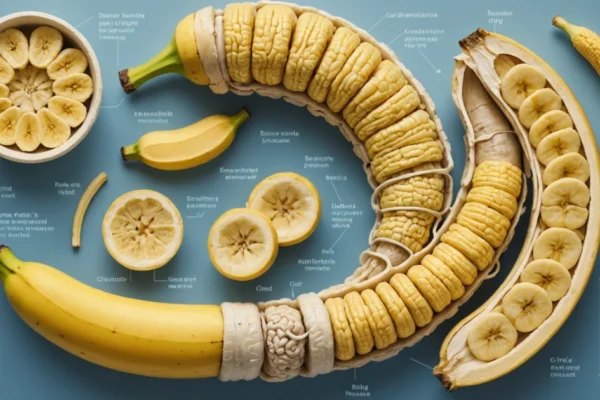
Bananas contain beneficial nutrients like potassium, soluble fiber, and natural sugars that can support digestive health. Additionally, the pectin in bananas acts as a natural binding agent that may help firm up your dog’s bowel movements during mild digestive episodes.
While bananas can be a helpful addition to a bland diet for dogs with diarrhea, they’re not appropriate for all situations. Dogs with diabetes, severe symptoms, or underlying health conditions should avoid bananas. Furthermore, proper dosage and preparation are essential for safety and effectiveness. Bananas can help with diarrhea in humans too, following similar principles.
TL;DR
- Bananas are safe for most dogs and may help with mild diarrhea due to pectin content that binds loose stools
- Proper dosage matters – small amounts of peeled, mashed banana based on your dog’s size
- Not for severe cases – avoid bananas if your dog has bloody diarrhea, diabetes, or persistent symptoms requiring vet care
- Combine with bland diet – use alongside plain rice and boiled chicken for best digestive support
Can Dogs Safely Eat Bananas for Diarrhea?
Yes, bananas are generally safe for dogs and may provide gentle relief for mild diarrhea episodes. However, bananas work best as a supportive treatment rather than a primary solution for digestive upset. The key lies in understanding when bananas help and when they might cause more harm than good.
Dogs can safely consume bananas because these fruits contain natural compounds that support digestive health. Unlike many human foods that pose risks to canines, bananas offer beneficial nutrients without toxic elements. Nevertheless, proper preparation and dosage remain crucial for optimal results.
Beneficial Nutrients in Bananas for Dogs
Potassium serves as the primary mineral in bananas, supporting proper muscle function and electrolyte balance in dogs. When diarrhea causes fluid loss, this essential mineral helps restore normal bodily functions. Additionally, potassium aids in maintaining healthy blood pressure and cardiovascular function.
Soluble fiber forms another key component that benefits dogs with loose stools. This type of fiber absorbs excess water in the digestive tract, naturally firming bowel movements. Furthermore, soluble fiber feeds beneficial gut bacteria, promoting overall intestinal health.
Pectin acts as a natural binding agent found in banana flesh. This compound creates a gel-like substance when mixed with digestive fluids, helping to solidify loose stools. Moreover, pectin provides prebiotic benefits that support healthy gut microbiome balance.
Natural sugars in bananas provide gentle energy for dogs recovering from digestive upset. These easily digestible carbohydrates offer quick fuel without overwhelming the sensitive digestive system. However, the sugar content also means portion control becomes essential.
Important Safety Considerations
Proper preparation ensures maximum safety and effectiveness when giving bananas to dogs. Always remove the peel completely, as banana peels can cause digestive blockages or choking hazards. Additionally, mash the banana flesh to prevent choking and improve digestibility.
Portion size depends on your dog’s weight and overall health status. Small dogs should receive only 1-2 teaspoons of mashed banana, while medium dogs can have up to 2-3 tablespoons. Large dogs may safely consume half a small banana without adverse effects.
Dosage Guidelines
Timing matters when introducing bananas during digestive episodes. Wait until vomiting stops before offering any food, including bananas. Subsequently, introduce small amounts gradually alongside other bland diet components like plain rice or boiled chicken.
When Bananas Are Appropriate
Mild diarrhea represents the ideal scenario for banana supplementation in dogs. This includes loose stools without blood, mucus, or severe urgency. Additionally, dogs should maintain normal appetite and energy levels for bananas to be considered appropriate.
Dietary transitions often benefit from banana addition when dogs experience minor digestive adjustment. Moving between different dog foods can cause temporary loose stools that respond well to banana’s binding properties. Furthermore, stress-related digestive upset may improve with gentle banana supplementation.
Recovery periods following minor stomach upset provide another appropriate time for banana use. After the acute phase passes, bananas can help transition back to regular feeding schedules. However, this applies only to cases without underlying medical conditions.
When to Avoid Bananas and Seek Veterinary Care
Diabetic dogs should never receive bananas due to their natural sugar content. These sugars can cause dangerous blood glucose spikes in dogs with diabetes mellitus. Instead, diabetic dogs require specialized dietary management under veterinary supervision.
Severe diarrhea symptoms warrant immediate veterinary attention rather than home treatment with bananas. Blood in stool, persistent vomiting, lethargy, or dehydration indicate serious conditions requiring professional care. Moreover, diarrhea lasting more than 24-48 hours needs veterinary evaluation.
- Bloody or black stools
- Severe dehydration signs
- Persistent vomiting
- Loss of appetite for more than 24 hours
- Lethargy or weakness
- Abdominal pain or bloating
Underlying health conditions may contraindicate banana use in certain dogs. Kidney disease, heart conditions, or gastrointestinal disorders require specialized dietary approaches. Therefore, always consult your veterinarian before adding bananas to a sick dog’s diet.
Additionally, dogs with known food allergies or sensitivities should avoid bananas until properly tested. While banana allergies are rare in dogs, individual sensitivities can occur. Furthermore, dogs prone to pancreatitis may not tolerate the natural sugars in bananas well.
How Bananas May Help Dogs with Diarrhea
Bananas contain specific nutrients that can support digestive recovery in dogs experiencing mild diarrhea. The fruit’s natural composition offers several mechanisms that may help firm loose stools and restore normal bowel function. However, these benefits apply primarily to uncomplicated cases of digestive upset.
Pectin Content Helps Bind Loose Stools
Pectin serves as a natural binding agent that can help firm up loose bowel movements in dogs. This soluble fiber forms a gel-like substance when mixed with water in the digestive tract. Consequently, pectin helps absorb excess moisture from loose stools and creates more formed waste.
The pectin concentration in bananas increases as the fruit ripens. Therefore, slightly overripe bananas may provide more binding benefits than green or perfectly yellow ones. Additionally, pectin works synergistically with other banana components to support overall digestive function.
Soluble Fiber Aids Digestive Regulation
Soluble fiber in bananas helps regulate digestive transit time and promotes healthy gut function. This fiber type dissolves in water to form a viscous gel that slows food passage through the intestines. As a result, the digestive system has more time to absorb nutrients and water properly.
Furthermore, soluble fiber supports beneficial bacteria in the canine gut microbiome. These bacteria ferment the fiber to produce short-chain fatty acids that nourish intestinal cells. This process helps maintain intestinal barrier function and reduces inflammation in the digestive tract.
Potassium Replaces Lost Electrolytes
Diarrhea episodes cause dogs to lose significant amounts of potassium and other essential electrolytes. Bananas provide approximately 400mg of potassium per medium fruit, making them an excellent natural source for electrolyte replacement. This mineral plays crucial roles in muscle function, nerve transmission, and fluid balance.
Potassium deficiency can worsen during prolonged diarrhea episodes and lead to weakness or lethargy. Therefore, the potassium content in bananas helps restore proper electrolyte balance while supporting overall recovery. However, dogs with kidney disease require careful potassium monitoring and should avoid bananas without veterinary approval.
Natural Sugars Provide Gentle Energy
The natural sugars in bananas—fructose, glucose, and sucrose—provide easily digestible energy for dogs recovering from digestive upset. Unlike processed sugars, these naturally occurring carbohydrates are gentler on sensitive stomachs. Moreover, the fiber content in bananas helps moderate sugar absorption and prevents rapid blood glucose spikes.
Dogs experiencing diarrhea often feel weak due to nutrient and energy losses. Consequently, the gentle energy from banana sugars can help maintain strength during recovery without overwhelming the digestive system. Research shows bananas can be beneficial for digestive issues when used appropriately in both humans and animals.
Prebiotic Properties Support Gut Bacteria
Bananas contain prebiotic compounds that feed beneficial bacteria in the canine digestive system. These compounds, including resistant starch and oligofructose, selectively promote the growth of healthy gut microbes. As these beneficial bacteria multiply, they help restore normal digestive function and crowd out harmful pathogens.
The prebiotic effect becomes more pronounced as bananas ripen and develop higher levels of resistant starch. This process supports long-term digestive health beyond just addressing immediate diarrhea symptoms. Additionally, a healthy gut microbiome strengthens the immune system and improves overall digestive resilience.
Important Reminder
Proper Dosage and Preparation for Dogs
Getting the dosage right is crucial when using bananas to help your dog’s diarrhea. Furthermore, proper preparation ensures your pet receives maximum benefits while avoiding potential digestive complications. The key lies in understanding your dog’s size, current condition, and individual tolerance levels.
Appropriate Portion Sizes Based on Weight
Small dogs weighing under 20 pounds should receive only 1-2 small slices of banana per day during diarrhea episodes. Medium dogs between 20-50 pounds can safely consume 2-4 slices or roughly one-quarter of a medium banana. Large dogs over 50 pounds may have up to half a medium banana divided into multiple servings throughout the day.
| Dog Weight | Daily Banana Amount | Serving Frequency |
|---|---|---|
| Under 20 lbs | 1-2 small slices | 1-2 times daily |
| 20-50 lbs | 2-4 slices (1/4 banana) | 2-3 times daily |
| Over 50 lbs | 1/2 medium banana | 2-3 times daily |
These portions provide beneficial nutrients without overwhelming sensitive digestive systems. Additionally, starting with smaller amounts allows you to monitor your dog’s response before gradually increasing if needed.
Safe Preparation Methods
Peeling bananas completely represents the most critical preparation step for canine consumption. The peel contains compounds that dogs cannot digest properly and may worsen diarrhea symptoms. Always remove every trace of peel before offering banana to your pet.
Mashing ripe bananas creates the most digestible form for dogs with upset stomachs. This preparation method breaks down fiber structures and makes nutrients more accessible. Alternatively, cutting bananas into small, bite-sized pieces prevents choking while maintaining texture that some dogs prefer.
- Mash thoroughly for easy digestion
- Slice into small, manageable pieces
- Mix with plain rice or pumpkin
- Serve at room temperature
- Remove all seeds if present
Room temperature bananas are easier on sensitive stomachs than cold fruit straight from the refrigerator. Moreover, slightly overripe bananas contain higher levels of easily digestible sugars that provide gentle energy.
Feeding Frequency During Diarrhea
Offer banana 2-3 times daily in small portions rather than one large serving during active diarrhea episodes. This approach prevents overwhelming the digestive system while maintaining steady nutrient intake. Space servings 3-4 hours apart to allow proper digestion between meals.
Continue banana supplementation for 2-3 days maximum during acute diarrhea episodes. If symptoms persist beyond this timeframe, veterinary consultation becomes necessary. However, most dogs show improvement within 24-48 hours when bananas are combined with other bland diet components.
Important Timing
Why Banana Peels Must Be Avoided
Banana peels contain high levels of insoluble fiber that dogs cannot process effectively. This tough fiber can cause intestinal blockages, especially in smaller dogs or those already experiencing digestive distress. Furthermore, peels may harbor pesticide residues that pose additional health risks.
The peel’s texture and composition make it difficult for canine digestive enzymes to break down properly. Consequently, peel consumption often leads to increased diarrhea, vomiting, or constipation rather than improvement. Always dispose of peels safely where curious dogs cannot access them.
Combining with Bland Diet Foods
Bananas work most effectively when combined with other bland, easily digestible foods during diarrhea treatment. Plain white rice provides binding properties that complement banana’s soluble fiber content. Similarly, small amounts of boiled chicken offer protein without adding digestive stress.
Plain pumpkin puree (not pie filling) pairs exceptionally well with mashed banana for digestive support. Both foods contain beneficial fiber and nutrients that promote healthy bowel movements. Research shows bananas can be beneficial for digestive issues when properly integrated into a bland diet protocol.
- Mix mashed banana with plain white rice
- Combine with small amounts of boiled chicken
- Add plain pumpkin puree for extra fiber
- Serve with bone broth for hydration
- Avoid any seasonings or additives
Start with a ratio of 1 part banana to 3 parts rice for optimal binding effect. This combination provides gentle nutrition while helping firm up loose stools naturally. Gradually return to normal diet once symptoms resolve completely.
When Bananas Are NOT Appropriate for Dog Diarrhea
While bananas offer digestive benefits for many dogs, certain situations require avoiding this fruit entirely. Understanding these contraindications helps prevent complications and ensures appropriate veterinary care when needed.
Severe Diarrhea Warning Signs
Blood in stool indicates serious intestinal damage that requires immediate veterinary attention. Additionally, mucus-filled diarrhea suggests inflammatory bowel conditions that bananas cannot address. These symptoms often signal bacterial infections, parasites, or underlying diseases requiring professional treatment.
Persistent diarrhea lasting more than 24-48 hours warrants veterinary evaluation regardless of banana consumption. Furthermore, projectile or explosive diarrhea indicates severe digestive distress that home remedies cannot resolve safely.
Emergency Symptoms
Dogs with Diabetes and Weight Issues
Diabetic dogs require strict blood sugar management that banana consumption can disrupt. The fruit’s natural sugars cause glucose spikes that interfere with insulin regulation. Consequently, veterinarians typically recommend avoiding all fruits during diabetic management protocols.
Overweight dogs benefit more from low-calorie, high-fiber alternatives during diarrhea episodes. Moreover, banana calories can contribute to weight gain when dogs already struggle with obesity-related health issues.
Age-Related Contraindications
Puppies under 12 weeks possess immature digestive systems that cannot process banana fiber effectively. Their developing intestinal tract requires specific nutrition that banana consumption may disrupt. Therefore, puppy diarrhea demands veterinary-approved treatments rather than home remedies.
Senior dogs with kidney disease, heart conditions, or liver problems need restricted diets that exclude unnecessary sugars. Additionally, elderly dogs often take medications that interact poorly with dietary changes during illness.
Immediate Veterinary Attention Required
- Dehydration signs: sunken eyes, dry gums, skin tenting
- Lethargy or weakness accompanying digestive symptoms
- Vomiting combined with diarrhea for more than 6 hours
- Abdominal pain or bloating indicated by hunched posture
- Loss of appetite persisting beyond 24 hours
These symptoms indicate systemic illness that requires professional diagnosis and treatment. Meanwhile, attempting home remedies during serious conditions can delay critical care and worsen outcomes.
Risks of Excessive Banana Consumption
Too much banana can actually worsen diarrhea due to excess fiber and natural sugars overwhelming the digestive system. Research indicates that bananas can sometimes make diarrhea worse when consumed inappropriately or in large quantities.
Overconsumption leads to electrolyte imbalances, particularly elevated potassium levels that stress kidney function. Furthermore, excessive fruit sugar can feed harmful bacteria in the intestinal tract, prolonging digestive upset.
Never exceed 1-2 small pieces of banana per day for dogs experiencing diarrhea
Monitor your dog carefully after banana administration and discontinue use if symptoms worsen or new digestive issues develop. Professional veterinary guidance ensures safe and effective diarrhea management tailored to your dog’s specific health needs.
Alternative Foods and Complete Diarrhea Management
While bananas offer digestive benefits, several other bland diet options provide effective diarrhea relief for dogs. Therefore, understanding these alternatives creates comprehensive treatment approaches that address various digestive sensitivities.
Safe Bland Diet Alternatives
Plain white rice serves as the foundation of most canine bland diets because it provides easily digestible carbohydrates without irritating inflamed intestinal tissues. Additionally, rice absorbs excess moisture in the digestive tract, helping firm loose stools naturally.
Boiled chicken breast (skinless, boneless) delivers high-quality protein that supports healing while remaining gentle on sensitive stomachs. Furthermore, chicken provides essential amino acids that help repair damaged intestinal lining during recovery periods.
Plain canned pumpkin contains soluble fiber that regulates bowel movements and soothes digestive inflammation. Moreover, pumpkin’s natural enzymes aid digestion while its mild flavor appeals to most dogs during illness.
- Sweet potato (boiled, no seasonings) – provides beta-carotene and gentle fiber
- Bone broth (low sodium) – offers hydration plus nutrients
- Cottage cheese (small amounts) – supplies probiotics and protein
- Cooked white fish – delivers lean protein that’s easily digestible
Hydration and Electrolyte Balance
Maintaining proper hydration levels becomes critical during diarrhea episodes because fluid loss can lead to dangerous dehydration within hours. Consequently, monitoring water intake ensures your dog’s body maintains essential functions during digestive upset.
Electrolyte replacement supports cellular function when diarrhea depletes sodium, potassium, and chloride levels. However, human sports drinks contain artificial sweeteners and excessive sodium that can worsen canine digestive problems.
Electrolyte Warning
Veterinarian-approved electrolyte solutions specifically formulated for dogs provide safe rehydration without harmful additives. Meanwhile, offering small amounts of water frequently prevents overwhelming the digestive system while maintaining hydration.
Feeding Strategies During Diarrhea
Temporary food withholding for 12-24 hours allows the digestive tract to rest and reduces irritation in severe diarrhea cases. Nevertheless, this approach requires careful monitoring and should never exceed 24 hours without veterinary guidance.
Continued feeding with bland foods works better for mild digestive upset because it provides nutrients needed for healing while maintaining normal gut function. Subsequently, small frequent meals prevent overwhelming the compromised digestive system.
| Diarrhea Severity | Feeding Strategy | Duration |
|---|---|---|
| Mild (formed but soft) | Continue bland diet | 2-3 days |
| Moderate (loose, frequent) | Small frequent meals | 3-5 days |
| Severe (watery, constant) | 12-hour fast, then bland | Veterinary care needed |
Probiotics and Supportive Treatments
Canine probiotics restore beneficial bacteria populations that diarrhea disrupts, helping reestablish normal digestive function. Furthermore, specific probiotic strains like Lactobacillus acidophilus and Bifidobacterium show particular effectiveness in treating canine digestive disorders.
Prebiotic fiber feeds beneficial bacteria and supports their growth during recovery periods. Additionally, prebiotics help maintain long-term digestive health by creating favorable conditions for healthy gut microbiome development.
Natural digestive enzymes can aid food breakdown when the digestive system struggles during illness. However, these supplements require veterinary approval to ensure appropriate dosing and avoid interactions with medications.
Gradual Diet Transition
Returning to normal feeding requires a careful transition process that prevents digestive relapse. Therefore, gradually mixing regular food with bland diet components over 5-7 days allows the digestive system to readjust safely.
- Days 1-2: 75% bland diet, 25% regular food
- Days 3-4: 50% bland diet, 50% regular food
- Days 5-6: 25% bland diet, 75% regular food
- Day 7: Return to 100% regular diet
Monitor your dog’s stool consistency throughout the transition period and slow the process if digestive symptoms return. Similarly, understanding whether bananas help or worsen diarrhea helps you make informed decisions about including them in recovery diets.
Successful diarrhea management combines appropriate food choices with proper hydration, supportive treatments, and gradual dietary transitions. Ultimately, this comprehensive approach promotes faster recovery while preventing future digestive episodes.
When to Contact Your Veterinarian
While bananas and home remedies can support mild digestive upset, certain warning signs require immediate professional veterinary care. Furthermore, recognizing these critical symptoms ensures your dog receives appropriate treatment before conditions worsen significantly.
Emergency Warning Signs
Blood in stool indicates serious intestinal inflammation or injury that demands urgent veterinary attention. Additionally, black, tarry stools suggest upper gastrointestinal bleeding requiring immediate medical intervention.
Severe dehydration symptoms include sunken eyes, dry gums, and skin that remains tented when pinched. Moreover, dogs showing these signs need intravenous fluid therapy that only veterinary clinics can provide safely.
- Projectile or persistent vomiting lasting more than 6 hours
- Complete loss of appetite for 24+ hours
- Extreme lethargy or inability to stand
- Abdominal pain indicated by hunched posture or whimpering
- High fever above 103°F (39.4°C)
Duration Guidelines for Veterinary Consultation
Diarrhea lasting 24-48 hours warrants professional evaluation, especially when accompanied by other symptoms. However, watery diarrhea persisting beyond 12 hours in puppies, senior dogs, or dogs with chronic conditions requires immediate veterinary care.
Chronic or recurring digestive issues spanning multiple weeks or months indicate underlying health problems requiring comprehensive diagnostic testing. Therefore, professional diagnosis becomes essential for identifying conditions like inflammatory bowel disease, food allergies, or parasitic infections.
Puppy Emergency Timeline
Accompanying Symptoms Requiring Professional Care
Vomiting combined with diarrhea creates rapid fluid loss that overwhelms home treatment capabilities. Similarly, loss of appetite lasting more than 24 hours signals systemic illness requiring medical intervention.
Behavioral changes including excessive hiding, aggression, or confusion indicate pain or neurological involvement. Additionally, difficulty breathing or pale gums suggest cardiovascular complications demanding emergency treatment.
| Symptom Combination | Action Timeline | Severity Level |
|---|---|---|
| Diarrhea + Vomiting | Within 6 hours | Urgent |
| Blood in stool | Immediately | Emergency |
| Lethargy + Loss of appetite | Within 12 hours | Serious |
| Fever + Diarrhea | Within 4 hours | Urgent |
Documenting Symptoms for Veterinary Visits
Accurate symptom documentation helps veterinarians diagnose conditions more efficiently and prescribe appropriate treatments. Consequently, maintaining detailed records improves diagnostic accuracy while reducing examination time and costs.
Record stool frequency, consistency, and color using a smartphone camera or written log. Furthermore, note timing of symptoms relative to meals, treats, or environmental changes that might trigger digestive upset.
- Document feeding times and exact food portions consumed
- Record water intake and urination frequency
- Note activity levels and behavioral changes throughout the day
- Track temperature if you have a pet thermometer available
- List all treats, supplements, or medications given recently
Professional veterinary diagnosis ensures appropriate treatment for serious conditions while ruling out life-threatening illnesses. Therefore, prompt consultation protects your dog’s health and prevents minor issues from developing into major medical emergencies.
Frequently Asked Questions
Can I give my dog a banana for diarrhea?
Yes, bananas are generally safe for dogs and may help with mild diarrhea due to their pectin content, which helps bind loose stools. However, bananas should only be used for minor digestive upset, not severe or persistent diarrhea that requires veterinary care.
Will banana firm up dogs’ poop?
Yes, bananas can help firm up loose stools in dogs. The pectin and soluble fiber in bananas act as natural binding agents that absorb excess water in the digestive tract, helping to solidify bowel movements during mild digestive episodes.
How much banana can I give my dog?
Portion size depends on your dog’s weight. Small dogs should receive only 1-2 teaspoons of mashed banana, medium dogs can have up to 2-3 tablespoons, and large dogs may safely consume half a small banana. Always remove the peel and mash the flesh for safety.
What can I feed my dog to stop diarrhea fast?
For mild diarrhea, try a bland diet consisting of plain boiled chicken and white rice, along with small amounts of mashed banana. Ensure your dog stays hydrated and withhold food for 12-24 hours if vomiting occurs. Contact your veterinarian if symptoms persist or worsen.
Will bananas settle a dog’s stomach?
Bananas can help settle mild stomach upset in dogs due to their gentle, easily digestible nature and beneficial nutrients like potassium and soluble fiber. However, they work best as part of a bland diet and should not be used for severe digestive issues.
Can dogs have banana peels?
No, dogs should never eat banana peels. Banana peels can cause digestive blockages, choking hazards, and are difficult for dogs to digest. Always remove the peel completely and only give your dog the mashed banana flesh.
Is scrambled egg good for dogs with diarrhea?
Yes, plain scrambled eggs (cooked without butter, oil, or seasonings) can be beneficial for dogs with diarrhea. Eggs are easily digestible, provide protein, and can help bind loose stools. Combine with plain rice and small amounts of banana for a complete bland diet.
Can dogs eat banana bread or banana chips?
No, avoid giving dogs banana bread or banana chips. These processed foods often contain sugar, chocolate, nuts, or other ingredients that can be harmful to dogs. Stick to fresh, plain banana flesh for the safest option.
When should I avoid giving my dog bananas for diarrhea?
- If your dog has diabetes (bananas contain natural sugars)
- When diarrhea is bloody or severe
- If symptoms persist for more than 24-48 hours
- When your dog is vomiting frequently
- If your dog has known food allergies or sensitivities
Do bananas help dogs poop normally?
Yes, bananas can help regulate bowel movements in dogs. The soluble fiber and pectin content helps firm up loose stools, while the natural sugars and potassium support healthy digestive function. However, they should be used in moderation as part of a balanced diet.
What are the benefits of bananas for dogs?
- Potassium for muscle function and electrolyte balance
- Soluble fiber for digestive health
- Pectin as a natural binding agent
- Natural sugars for gentle energy
- Prebiotic benefits for gut health
How should I prepare bananas for my dog with diarrhea?
Always remove the peel completely and mash the banana flesh to prevent choking and improve digestibility. Start with small amounts and wait until vomiting stops before offering any food. Introduce gradually alongside other bland diet foods like plain rice and boiled chicken.
When should I contact my veterinarian about my dog’s diarrhea?
Contact your veterinarian if diarrhea is bloody, persistent for more than 48 hours, accompanied by vomiting, or if your dog shows signs of dehydration. Also seek professional help if your dog has underlying health conditions like diabetes or if home remedies don’t improve symptoms within 24-48 hours.
You May Also Like

Are Strawberry Banana Smoothies Healthy? Complete Guide 2026

Why Avoid Bananas During Pregnancy? Safety Guide 2026