Are Frozen Bananas Healthy? Nutritional Value Explained

If you’re wondering about frozen bananas nutritional value, you’re not alone. Many health-conscious individuals freeze bananas for smoothies, baking, and meal prep but worry whether the freezing process destroys essential vitamins and minerals. The good news is that frozen bananas retain nearly all their nutritional value when properly stored. Freezing actually preserves most vitamins, minerals, and beneficial compounds found in fresh bananas, making them an excellent option for reducing food waste while maintaining health benefits. Throughout this comprehensive guide, we’ll examine the scientific evidence behind frozen banana nutrition, compare fresh versus frozen options, and provide practical tips for maximizing their nutritional potential.
Do Frozen Bananas Lose Nutritional Value?
The short answer is no—frozen bananas do not lose significant nutritional value when frozen properly. Research consistently shows that freezing is one of the best preservation methods for maintaining nutrient content in fruits. When you freeze bananas at their peak ripeness, you essentially lock in their nutritional profile, preventing the degradation that occurs as fresh fruit continues to ripen and eventually spoil.
The freezing process works by converting the water content in bananas into ice crystals, which slows down enzymatic activity and microbial growth. This preservation method maintains the integrity of most nutrients, including the potassium, vitamin B6, vitamin C, and dietary fiber that make bananas such a nutritious choice. Studies on frozen fruits have demonstrated that nutrient retention rates typically exceed 90% for most vitamins and minerals when proper freezing techniques are used.
One important consideration is that vitamin C, a water-soluble and heat-sensitive nutrient, may experience minor degradation during the blanching process used for some commercial frozen fruits. However, bananas are typically frozen without blanching, which means they retain their vitamin C content better than many other frozen fruits. The natural protective peel of bananas also helps shield the fruit from oxidation during freezing.
The key to preserving frozen bananas nutritional value lies in proper preparation and storage. When bananas are frozen quickly at temperatures below 0°F (-18°C) and stored in airtight containers or freezer bags, nutrient loss is minimal. The faster the freezing process, the smaller the ice crystals formed, which means less cellular damage and better nutrient retention.
Nutritional Comparison: Fresh vs Frozen Bananas
Understanding the nutritional differences between fresh and frozen bananas helps you make informed dietary choices. Here’s a detailed breakdown of how these two forms compare:
| Nutrient (per 100g) | Fresh Banana | Frozen Banana |
|---|---|---|
| Calories | 89 | 89-90 |
| Potassium | 358mg | 350-358mg |
| Vitamin B6 | 0.4mg | 0.38-0.4mg |
| Vitamin C | 8.7mg | 8.0-8.5mg |
| Fiber | 2.6g | 2.6g |
| Magnesium | 27mg | 27mg |
As the data shows, the frozen bananas nutritional value per 100g remains remarkably similar to fresh bananas. The caloric content stays virtually identical, with one frozen banana containing approximately 89-105 calories depending on size (a medium banana weighs about 118 grams). When calculating 1 cup frozen bananas nutritional value, you’re looking at roughly 200-220 calories for sliced frozen bananas, as one cup typically contains about 225 grams of fruit.
The potassium content—one of the most celebrated nutrients in bananas—remains stable through freezing. This essential mineral supports heart health, muscle function, and blood pressure regulation. Whether you consume fresh or frozen bananas, you’re getting approximately 422mg of potassium per medium banana, which represents about 12% of the daily recommended intake.
Fiber content also remains unchanged during freezing. Both fresh and frozen bananas provide about 3.1 grams of dietary fiber per medium fruit, supporting digestive health and promoting feelings of fullness. This makes frozen bananas an excellent option for those tracking their fiber intake or working toward weight management goals.
The minimal differences in vitamin content between fresh and frozen bananas are often negligible from a practical dietary standpoint. Even if frozen bananas experience a 5-10% reduction in certain vitamins over several months of storage, they still provide substantial nutritional benefits. In fact, frozen bananas may actually be more nutritious than fresh bananas that have been sitting in your fruit bowl for a week, as fresh fruit continues to lose nutrients during storage at room temperature.
Health Benefits of Frozen Bananas
The health benefits of frozen bananas mirror those of fresh bananas, with some unique advantages that make them particularly valuable for specific dietary goals. Understanding these benefits helps you incorporate frozen bananas strategically into your nutrition plan.
Cardiovascular Support: Frozen bananas retain their impressive potassium content, which plays a crucial role in maintaining healthy blood pressure levels. The American Heart Association recommends increasing potassium intake to counteract the effects of sodium, and frozen bananas provide an easy, convenient way to meet this goal. The combination of potassium and fiber in frozen bananas supports overall heart health by helping to reduce cholesterol levels and improve blood vessel function.
Digestive Health: The resistant starch and pectin found in bananas remain stable during freezing, providing prebiotic benefits that feed beneficial gut bacteria. Frozen bananas, especially when frozen slightly underripe, contain higher amounts of resistant starch, which acts similarly to soluble fiber. This type of starch resists digestion in the small intestine and ferments in the large intestine, promoting the growth of healthy bacteria and improving digestive function.
Energy and Athletic Performance: Athletes and fitness enthusiasts often ask: are frozen bananas good for weight loss and performance? The answer is yes. Frozen bananas provide easily digestible carbohydrates that fuel workouts and aid recovery. The natural sugars (glucose, fructose, and sucrose) offer quick energy, while the fiber helps sustain blood sugar levels. Adding frozen bananas to post-workout smoothies delivers both carbohydrates for glycogen replenishment and potassium to prevent muscle cramps.
Blood Sugar Management: While bananas contain natural sugars, their moderate glycemic index (around 51) and fiber content help prevent rapid blood sugar spikes. For those wondering if frozen bananas are ok for diabetics, the answer is generally yes when consumed in appropriate portions. The resistant starch in frozen bananas may actually improve insulin sensitivity over time. However, individuals with diabetes should monitor their portions and pair frozen bananas with protein or healthy fats to further moderate blood sugar response.
Anti-Inflammatory Properties: Research suggests that bananas contain several bioactive compounds with anti-inflammatory effects, including dopamine and catechins. These antioxidants remain stable during freezing, meaning frozen bananas maintain their anti-inflammatory potential. While bananas aren’t typically classified as strongly anti-inflammatory foods like berries or fatty fish, they contribute to an overall anti-inflammatory dietary pattern when consumed as part of a balanced diet rich in whole foods.
Does Freezing Affect Vitamins and Minerals in Bananas?
The impact of freezing on specific vitamins and minerals in bananas varies depending on the nutrient’s chemical stability and the freezing method used. Let’s examine how individual nutrients respond to the freezing process:
Vitamin B6 (Pyridoxine): Bananas are an excellent source of vitamin B6, with one medium banana providing about 20% of the daily recommended intake. This vitamin is relatively stable during freezing, with retention rates typically exceeding 95%. Vitamin B6 supports brain health, immune function, and hemoglobin production, making its preservation during freezing particularly valuable. The frozen bananas nutritional value for vitamin B6 remains virtually identical to fresh bananas even after several months of proper storage.
Vitamin C (Ascorbic Acid): As a water-soluble vitamin sensitive to oxygen, light, and heat, vitamin C experiences the most notable changes during freezing and storage. However, the loss is modest—typically 10-15% over the first few months of freezing. Interestingly, this degradation is slower than the vitamin C loss that occurs in fresh bananas stored at room temperature for several days. The protective peel of bananas helps minimize oxidation, and when you freeze bananas in the peel, you further protect the vitamin C content.
Potassium: This essential mineral remains completely stable during freezing. Potassium is not affected by temperature changes, oxidation, or time, meaning your frozen bananas provide exactly the same cardiovascular and muscle-supporting benefits as fresh ones. Whether you’re eating frozen bananas straight from the freezer or thawing them for recipes, the potassium content stays at approximately 422mg per medium banana.
Magnesium and Manganese: These minerals, like potassium, are unaffected by freezing. Bananas provide about 8% of your daily magnesium needs and 14% of manganese requirements per medium fruit. These percentages remain constant whether the banana is fresh or frozen, supporting bone health, metabolism, and antioxidant defense systems.
Folate (Vitamin B9): Folate is relatively stable during freezing, with minimal losses occurring even during extended storage. This B vitamin is crucial for DNA synthesis and cell division, making it particularly important for pregnant women and those planning pregnancy.
The texture changes that occur during freezing—caused by ice crystal formation breaking down cell walls—don’t significantly impact nutritional value. While frozen and thawed bananas become softer and mushier than fresh ones, this textural change doesn’t indicate nutrient loss. In fact, the broken cell walls may actually make some nutrients more bioavailable and easier to digest.
Best Ways to Freeze Bananas for Maximum Nutrition
Proper freezing techniques ensure you preserve the maximum frozen bananas nutritional value while maintaining quality for various culinary uses. Follow these evidence-based methods for optimal results:
Choose the Right Ripeness: The ideal time to freeze bananas is when they’re ripe but not overripe—when the peel is bright yellow with minimal brown spots. At this stage, bananas have converted most of their starch to natural sugars, providing optimal sweetness and nutrient availability. However, you can freeze bananas at any ripeness level depending on your intended use. Slightly underripe bananas (with green tips) contain more resistant starch, which benefits digestive health, while very ripe bananas work perfectly for smoothies and baking.
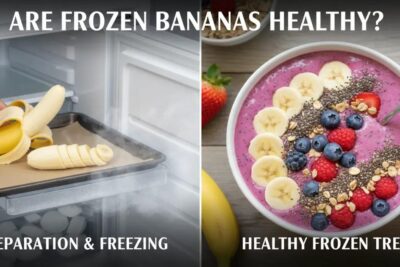
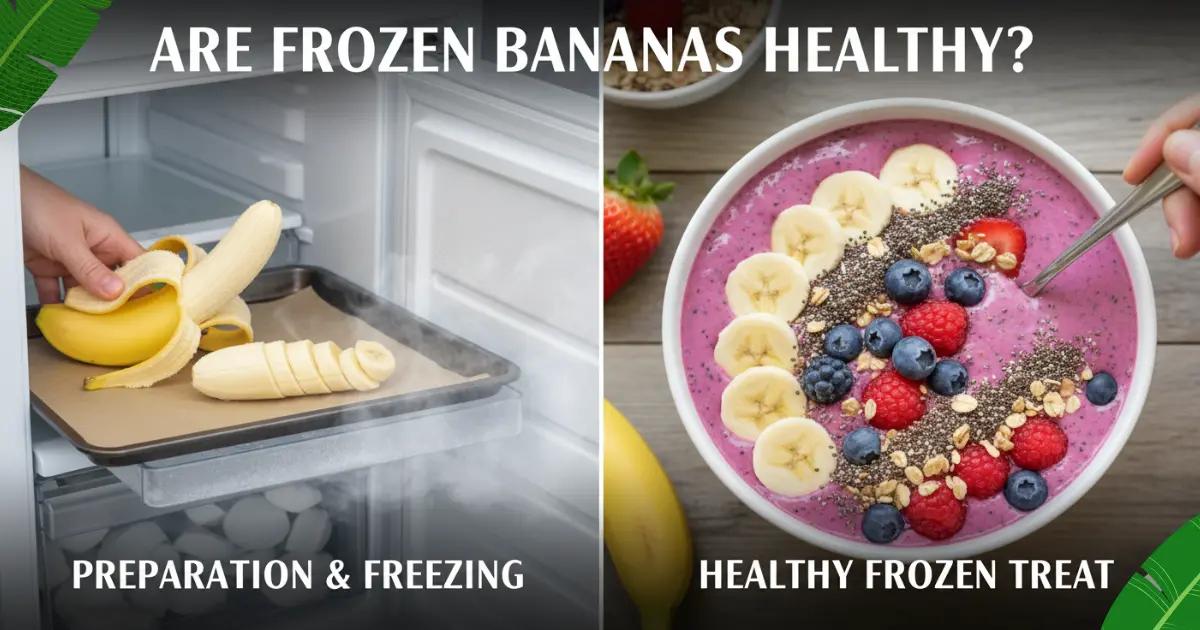
Peeling Before Freezing: While you can freeze bananas in the peel, peeling before freezing offers several advantages. Pre-peeled bananas are immediately ready to use, preventing the frustration of trying to peel a rock-hard frozen banana. To prevent peeled frozen bananas from turning brown, slice them and arrange in a single layer on a parchment-lined baking sheet. Flash-freeze for 2-3 hours, then transfer to airtight freezer bags. This method prevents clumping and minimizes oxidation.
Preventing Browning: Many people wonder how to freeze bananas without turning brown. The browning that occurs is enzymatic oxidation, which doesn’t affect nutritional value but may look less appealing. To minimize browning, work quickly when preparing bananas for freezing, and consider these techniques:
- Toss sliced bananas with a small amount of lemon juice (the citric acid slows oxidation)
- Use vacuum-sealed bags to remove excess air
- Wrap individual bananas or portions tightly in plastic wrap before placing in freezer bags
- Freeze bananas whole in their peel if appearance isn’t a concern for your recipes
Optimal Storage Containers: Use freezer-safe, airtight containers or heavy-duty freezer bags to prevent freezer burn and maintain quality. Remove as much air as possible from bags before sealing. Label containers with the date to track storage time. For smoothie convenience, portion bananas into single-serving sizes—typically one medium banana (about 118 grams) per bag.
Flash Freezing Method: This professional technique preserves texture and prevents clumping. Slice bananas into coins (about ½-inch thick), arrange them on a parchment-lined baking sheet without touching, and freeze until solid (2-3 hours). Then transfer to storage containers. This method makes it easy to remove exactly the amount you need without thawing the entire batch.
Whole Banana Freezing: If you’re wondering can you freeze bananas whole, the answer is absolutely yes. Simply place unpeeled bananas directly in the freezer. The peel will turn dark brown or black, but the fruit inside remains perfectly edible and nutritious. This method is ideal when you’re short on time or planning to use bananas for baking, where appearance doesn’t matter. When ready to use, run the frozen banana under warm water for 30 seconds, then cut off one end and squeeze out the soft fruit.
Are Frozen Bananas Good for Smoothies and Recipes?
Frozen bananas excel in smoothies and various recipes, often performing better than fresh bananas for specific applications. Understanding how to use frozen bananas effectively enhances both nutrition and taste in your culinary creations.
Smoothie Superiority: Frozen bananas are arguably superior to fresh bananas for smoothies. They create a thick, creamy texture without requiring ice, which can dilute flavors and nutrients. The frozen fruit acts as a natural thickener, producing a milkshake-like consistency that’s more satisfying than smoothies made with fresh fruit and ice. When blended, frozen bananas incorporate air, creating volume and a pleasant mouthfeel. For optimal results, break frozen bananas into chunks before blending to reduce strain on your blender motor.
A typical smoothie recipe using frozen bananas might include one frozen banana (approximately 105 calories), one cup of milk or plant-based alternative, a handful of spinach, and a tablespoon of nut butter. This combination provides balanced macronutrients—carbohydrates from the banana, protein from the milk and nut butter, and healthy fats—making it an ideal meal replacement or post-workout recovery drink.
Baking Applications: Many bakers ask can you freeze bananas for banana bread, and the answer is an enthusiastic yes. In fact, previously frozen bananas often make superior banana bread because the freezing process breaks down cell walls, making the fruit easier to mash and more moisture-rich. The extra moisture creates tender, flavorful baked goods. Thaw frozen bananas at room temperature or in the refrigerator, then drain excess liquid before mashing. One medium frozen banana typically yields about ⅓ to ½ cup of mashed banana.
Nice Cream and Frozen Treats: One of the most popular uses for frozen bananas is making “nice cream”—a healthy ice cream alternative. Simply blend frozen banana chunks until smooth and creamy, creating a dessert that’s naturally sweet, dairy-free, and nutrient-dense. You can eat frozen bananas straight from the freezer as a refreshing snack, though they’re quite hard initially. Letting them sit at room temperature for 5-10 minutes makes them easier to bite into while maintaining their frozen treat appeal.
Nutritional Considerations for Recipes: When using frozen bananas in recipes, remember that 1 frozen banana in grams typically weighs between 100-140 grams depending on size. For precise nutritional tracking, medium bananas average 118 grams. If a recipe calls for “1 cup mashed banana,” you’ll need approximately 2-3 medium bananas. Understanding these measurements helps you accurately calculate the frozen bananas nutritional value calculator results for your recipes.
Recipe Versatility: Beyond smoothies and baking, frozen bananas work excellently in:
- Overnight oats (add frozen banana slices that thaw overnight)
- Pancake and waffle batter (thawed and mashed)
- Protein shakes and meal replacement drinks
- Fruit salads (partially thawed for a slushy texture)
- Baby food and toddler snacks
How Long Do Frozen Bananas Stay Healthy?
Understanding the shelf life of frozen bananas helps you maintain food safety and nutritional quality. While frozen bananas remain safe to eat indefinitely when stored at 0°F (-18°C) or below, their quality and nutritional value are best preserved within specific timeframes.
Optimal Storage Duration: For maximum nutritional value and best quality, consume frozen bananas within 3-6 months. During this period, the frozen bananas nutritional value remains at 90-95% of fresh banana levels. After six months, you may notice gradual quality decline—primarily in texture and flavor rather than safety. The bananas remain perfectly safe to eat but may develop freezer burn or off-flavors if not properly sealed.
Signs of Quality Degradation: Knowing how to tell if frozen bananas are bad helps prevent waste and ensures food safety. Look for these indicators:
- Freezer burn: White, dry patches on the banana surface indicate moisture loss but don’t make the fruit unsafe—just less palatable
- Off odors: If thawed bananas smell fermented or unpleasant (beyond normal banana aroma), discard them
- Unusual discoloration: While brown or black peels are normal, gray or moldy spots indicate spoilage
- Excessive ice crystals: Large ice crystal formation suggests temperature fluctuations that may affect quality
Many people worry about whether are brown frozen bananas safe to eat. The answer is yes—browning is a natural enzymatic reaction and doesn’t indicate spoilage. The brown color results from polyphenol oxidase enzymes reacting with oxygen, the same process that browns apple slices. This cosmetic change doesn’t affect safety or significantly impact nutrition.
Storage Best Practices for Longevity: To maximize how long frozen bananas stay healthy, follow these guidelines:
- Maintain consistent freezer temperature at 0°F (-18°C) or below
- Store bananas in the back of the freezer where temperature remains most stable
- Use airtight, moisture-proof packaging to prevent freezer burn
- Label containers with freezing dates for easy rotation
- Avoid frequent thawing and refreezing, which degrades quality
Thawing and Refreezing: Once thawed, bananas should be used within 24 hours and not refrozen. The thawing process allows enzymatic activity to resume, and the broken cell structure from initial freezing makes the fruit more susceptible to bacterial growth. If you’ve thawed more bananas than needed, incorporate them immediately into baked goods or smoothies rather than returning them to the freezer.
For those wondering can you freeze bananas in the peel for smoothies and how long they last, the answer is yes, and they maintain quality for the same 3-6 month period. The peel provides additional protection against freezer burn, though it will turn dark brown or black—this is completely normal and doesn’t affect the fruit inside.
Frozen Bananas vs Fresh Bananas: Which Is Better?
The debate between frozen bananas vs fresh bananas doesn’t have a universal winner—the best choice depends on your specific needs, lifestyle, and intended uses. Let’s examine the advantages and considerations for each option to help you make informed decisions.
Nutritional Equivalence: From a pure nutritional standpoint, frozen and fresh bananas are virtually identical. The frozen bananas nutritional value remains at 90-95% of fresh banana levels even after months of storage, while fresh bananas begin losing nutrients within days of purchase. If you compare a banana frozen at peak ripeness to a fresh banana that’s been sitting on your counter for a week, the frozen option likely contains more vitamins and minerals.
Convenience and Waste Reduction: Frozen bananas offer unmatched convenience for busy lifestyles. You always have bananas ready for smoothies, baking, or snacks without worrying about them overripening. This convenience factor addresses a major source of food waste—Americans discard millions of pounds of bananas annually because they ripen faster than expected. Freezing bananas when they reach peak ripeness ensures you capture their nutritional value rather than throwing them away.
Cost Effectiveness: Freezing bananas allows you to buy in bulk when prices are low or bananas are on sale. You can also rescue overripe bananas that would otherwise be discarded, maximizing your grocery budget. While fresh bananas are inexpensive year-round, the ability to preserve them extends their value and prevents waste-related costs.
Texture and Eating Experience: Fresh bananas win for eating out of hand. Their firm texture and portable nature make them ideal for on-the-go snacking. However, frozen bananas excel in applications where texture isn’t critical or where their creamy, soft consistency is advantageous—smoothies, nice cream, and baked goods. The question of can you eat frozen bananas straight from the freezer has a practical answer: yes, but they’re very hard initially. Many people enjoy them as a frozen treat similar to ice pops, especially when partially thawed.
Specific Use Cases: Choose fresh bananas when you want to:
- Eat bananas as a portable snack
- Slice bananas for cereal or yogurt toppings
- Control exact ripeness for specific recipes
- Enjoy the traditional banana eating experience
Choose frozen bananas when you want to:
- Make thick, creamy smoothies without ice
- Prepare healthy frozen desserts like nice cream
- Have bananas available for spontaneous baking
- Reduce food waste and extend banana shelf life
- Meal prep smoothie ingredients in advance
Weight Loss Considerations: For those asking are frozen bananas good for weight loss, both fresh and frozen bananas can support weight management goals when consumed in appropriate portions. The question of when to eat banana for weight loss or is banana good for weight loss at night depends more on your overall caloric intake and meal timing preferences than whether the banana is fresh or frozen. Some research suggests eating bananas earlier in the day provides sustained energy, while others find the resistant starch in slightly underripe (or frozen underripe) bananas helps with satiety.
The concern about do bananas make you gain belly fat is largely unfounded—no single food causes targeted fat gain. Bananas contain about 105 calories per medium fruit, and when incorporated into a balanced diet, they support rather than hinder weight management. The fiber and resistant starch in bananas (particularly frozen ones) promote feelings of fullness and support healthy digestion. Some people even follow a 2 bananas a day weight loss approach, though sustainable weight loss depends on overall dietary patterns rather than any single food.
The Hybrid Approach: Many nutrition-conscious individuals use both fresh and frozen bananas strategically. Keep fresh bananas for immediate snacking and freeze any that reach peak ripeness before you can eat them. This approach maximizes nutritional value, minimizes waste, and provides flexibility for various culinary applications.
Special Considerations: Some people wonder are frozen bananas good for dogs. While fresh bananas are safe for dogs in moderation, frozen banana slices make excellent dog treats, especially during hot weather. The same nutritional benefits apply—potassium, vitamins, and fiber—but always introduce new foods gradually and consult your veterinarian about appropriate portions for your pet’s size and health status.
For skin health enthusiasts asking about benefits of eating banana for skin, both fresh and frozen bananas provide the vitamin C, vitamin B6, and antioxidants that support skin health from the inside out. The nutrients remain stable through freezing, so you’ll receive the same skin-supporting benefits regardless of form.
Conclusion
The evidence overwhelmingly confirms that frozen bananas nutritional value remains remarkably similar to fresh bananas, making them an excellent choice for health-conscious individuals seeking convenience without compromising nutrition. Whether you’re blending them into smoothies, baking banana bread, or enjoying them as frozen treats, frozen bananas deliver the same impressive array of vitamins, minerals, and beneficial compounds found in their fresh counterparts.
The key takeaways for maximizing frozen banana nutrition include freezing bananas at peak ripeness, using proper storage techniques with airtight containers, and consuming them within 3-6 months for optimal quality. The minimal nutrient loss that occurs during freezing—typically less than 10% for even the most sensitive vitamins—is far outweighed by the benefits of reduced food waste, improved convenience, and consistent availability.
Rather than viewing frozen versus fresh bananas as an either-or choice, consider incorporating both into your dietary routine based on your immediate needs and intended uses. Fresh bananas excel as portable snacks and offer the traditional eating experience, while frozen bananas provide unmatched versatility for smoothies, baking, and healthy frozen desserts. By understanding the science behind frozen banana nutrition and implementing proper freezing techniques, you can confidently enjoy this nutritious fruit year-round while supporting your health goals and minimizing food waste.
The next time you notice bananas reaching peak ripeness on your counter, don’t hesitate to freeze them. You’re not sacrificing nutrition—you’re preserving it for future enjoyment while expanding your culinary options and contributing to a more sustainable approach to food consumption.
Frequently Asked Questions
Are frozen bananas as healthy as fresh bananas?
Yes, frozen bananas are just as healthy as fresh bananas. The frozen bananas nutritional value remains virtually identical to fresh bananas, with minimal loss of vitamins and minerals during the freezing process. In fact, freezing bananas at their peak ripeness can actually preserve more nutrients than letting fresh bananas sit on your counter for several days.
Does freezing bananas increase their sugar content?
No, freezing bananas does not increase their sugar content. The perception that frozen bananas are sweeter comes from the breakdown of starches into simple sugars as bananas ripen before freezing, not from the freezing process itself. The total amount of sugar remains the same whether the banana is fresh or frozen, though frozen bananas may taste sweeter if they were very ripe when frozen.
Are frozen bananas good for diabetics?
Frozen bananas can be consumed by diabetics in moderation, just like fresh bananas. They have a medium glycemic index (around 51) and contain fiber that helps slow sugar absorption. However, diabetics should monitor portion sizes and pair frozen bananas with protein or healthy fats to minimize blood sugar spikes, and consult their healthcare provider about incorporating them into their meal plan.
Do frozen bananas retain their potassium content?
Yes, frozen bananas retain virtually all of their potassium content. A medium frozen banana still provides approximately 422 mg of potassium, which is about 9% of the daily recommended value. Since potassium is a mineral rather than a vitamin, it’s highly stable during freezing and doesn’t degrade over time in the freezer.
How many calories are in a frozen banana?
A medium frozen banana (approximately 118 grams) contains about 105 calories, the same as a fresh banana of the same size. The frozen bananas nutritional value per 100g is approximately 89 calories, along with 23 grams of carbohydrates, 2.6 grams of fiber, and 1.1 grams of protein. Freezing does not alter the caloric content of bananas.
Are frozen bananas good for weight loss?
Frozen bananas can support weight loss when consumed as part of a balanced diet. They’re naturally low in fat, high in fiber (which promotes satiety), and provide natural sweetness that can satisfy cravings for processed desserts. Using frozen bananas in smoothies or as a base for “nice cream” offers a nutrient-dense alternative to high-calorie snacks, though portion control is still important.
Do frozen bananas help with muscle recovery?
Yes, frozen bananas are excellent for muscle recovery after exercise. They provide quick-digesting carbohydrates to replenish glycogen stores, potassium to prevent muscle cramps, and vitamin B6 to support protein metabolism. Many athletes add frozen bananas to post-workout smoothies for convenient nutrition and natural energy restoration.
Why should you not freeze bananas according to some experts?
Some health experts, like Dr. Gundry, caution against bananas due to their lectin content, not specifically because they’re frozen. However, most nutritionists agree that the benefits of frozen bananas nutritional value—including potassium, fiber, vitamins B6 and C—outweigh potential concerns for the general population. The freezing process itself doesn’t create any health risks; it simply preserves the banana’s existing nutritional profile.
Can frozen bananas help lower blood pressure?
Yes, frozen bananas can help support healthy blood pressure levels due to their high potassium content. Potassium helps counterbalance sodium’s effects and relaxes blood vessel walls, which can contribute to lower blood pressure. Consuming potassium-rich foods like frozen bananas as part of a heart-healthy diet may benefit those managing hypertension, though they should not replace prescribed medications.
You May Also Like
Are Strawberry Banana Smoothies Healthy? Complete Guide 2026

Why Avoid Bananas During Pregnancy? Safety Guide 2026