Are Strawberry Banana Smoothies Healthy? Complete Guide 2026

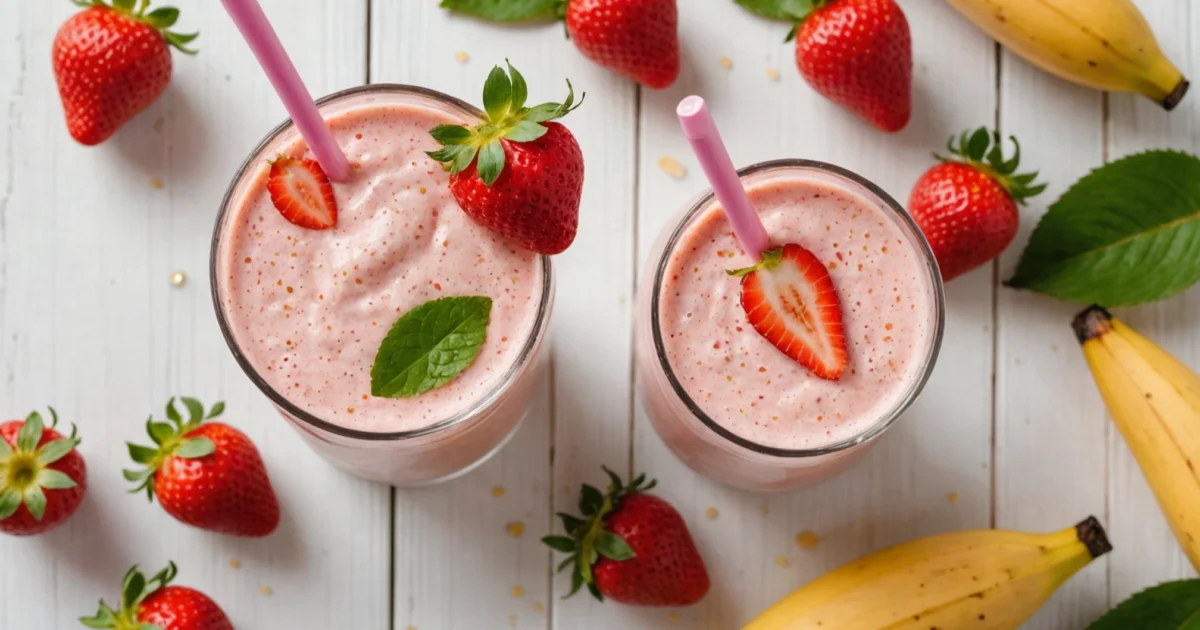
Are strawberry banana smoothies healthy? Yes, strawberry banana smoothies can be healthy when made with whole ingredients, as they provide essential nutrients like vitamin C, potassium, and antioxidants. However, their healthiness depends on preparation methods, added ingredients, and portion sizes. While these smoothies offer natural fiber and immune-boosting compounds, they also contain concentrated natural sugars that can impact blood glucose levels.
The nutritional value varies significantly between homemade and store-bought versions. Homemade smoothies allow better control over ingredients and sugar content. Meanwhile, commercial options like McDonald’s strawberry banana smoothies often contain added sugars and preservatives that reduce their health benefits.
For optimal health benefits, consider adding protein sources like Greek yogurt or healthy fats such as chia seeds. These additions help balance blood sugar response and increase satiety. Additionally, understanding macronutrients of a banana can help you make informed decisions about smoothie ingredients and portion control.
TL;DR
- Strawberry banana smoothies are healthy when made with whole fruits and minimal added sugars, providing vitamin C, potassium, and antioxidants
- Natural sugar content is high, so portion control matters for blood sugar management and weight goals
- Homemade versions are healthier than store-bought options, which often contain added sugars and preservatives
- Adding protein and healthy fats improves nutritional balance and helps with satiety and blood sugar control
Nutritional Profile of Strawberry Banana Smoothies
Understanding the nutritional composition helps determine whether strawberry banana smoothies align with your health goals. A typical 12-ounce homemade smoothie contains approximately 200-300 calories, depending on ingredients and preparation methods. The calorie content varies significantly between homemade versions and commercial alternatives.
Calorie Content and Macronutrient Breakdown
Basic strawberry banana smoothies provide a balanced macronutrient profile when prepared thoughtfully. Carbohydrates comprise 85-90% of the total calories, primarily from natural fruit sugars. Protein content remains relatively low at 2-4 grams per serving unless additional protein sources are included.
| Component | Amount per 12oz serving | % Daily Value |
|---|---|---|
| Calories | 220-280 | 11-14% |
| Carbohydrates | 55-65g | 18-22% |
| Protein | 2-4g | 4-8% |
| Fat | 0.5-1g | 1-2% |
| Fiber | 6-8g | 24-32% |
Fat content remains minimal in fruit-only smoothies, typically under one gram per serving. However, adding ingredients like nut butters or avocado significantly increases healthy fat content and improves satiety.
Vitamin and Mineral Content
Strawberries and bananas contribute distinct nutritional benefits that complement each other effectively. One cup of strawberries provides 149% of daily vitamin C requirements, supporting immune function and collagen synthesis. Meanwhile, bananas excel in potassium content, delivering approximately 400mg per medium fruit.
The vitamin profile includes significant amounts of folate, vitamin B6, and manganese. Strawberries contribute anthocyanins and ellagic acid, while bananas provide vitamin B6 for neurotransmitter production. Together, these fruits create a synergistic nutrient combination.
- Vitamin C: 90-120mg (100-133% DV)
- Potassium: 450-550mg (10-12% DV)
- Folate: 35-45mcg (9-11% DV)
- Vitamin B6: 0.3-0.4mg (18-24% DV)
- Manganese: 0.4-0.6mg (17-26% DV)
Natural Sugar and Fiber Levels
Natural sugar content represents both an advantage and consideration for blood glucose management. Total sugars range from 45-55 grams per 12-ounce serving, consisting primarily of fructose, glucose, and sucrose. This concentration exceeds many desserts, making portion control essential.
Fiber content provides crucial benefits for digestive health and blood sugar regulation. Dietary fiber ranges from 6-8 grams per serving, primarily from strawberry seeds and banana pulp. This fiber helps slow sugar absorption and promotes satiety.
Sugar Consideration
The glycemic impact varies based on ripeness of fruits used. Overripe bananas contain higher sugar concentrations, while slightly underripe fruits provide more resistant starch and lower glycemic response.
Antioxidant Properties and Phytonutrients
Antioxidant compounds provide significant health benefits beyond basic nutrition. Strawberries contain over 20 different anthocyanins, which give them their red color and anti-inflammatory properties. These compounds help neutralize free radicals and may reduce chronic disease risk.
Bananas contribute unique phytonutrients including dopamine and catechins. Although banana dopamine doesn’t cross the blood-brain barrier, it functions as a powerful antioxidant within the body. Additionally, bananas provide resistant starch when less ripe, supporting beneficial gut bacteria.
The combined antioxidant capacity creates synergistic effects that enhance overall nutritional value. Research indicates that mixed berry and banana combinations provide higher antioxidant activity than individual fruits consumed separately. This makes strawberry banana smoothies particularly effective for combating oxidative stress.
Strawberry banana smoothies provide 3-4 times more antioxidants than many processed breakfast options
Health Benefits of Strawberry Banana Smoothies
Strawberry banana smoothies deliver substantial health benefits through their concentrated nutrient profile and bioactive compounds. These smoothies provide essential vitamins, minerals, and antioxidants that support multiple body systems. Furthermore, the combination creates synergistic effects that enhance individual fruit benefits.
Immune System Support Through Vitamin C
Vitamin C content reaches exceptional levels in strawberry banana smoothies, with strawberries providing up to 150% of daily requirements per cup. This water-soluble vitamin supports immune function by enhancing white blood cell production and activity. Additionally, vitamin C acts as a powerful antioxidant that protects immune cells from oxidative damage.
Bananas contribute additional vitamin C alongside other immune-supporting nutrients like vitamin B6. This B-vitamin helps produce antibodies and maintains healthy lymphoid organs. Moreover, the combination provides sustained vitamin C release due to varying absorption rates between fruits.
Cardiovascular Health and Blood Pressure Regulation
Potassium concentrations in these smoothies support heart health and blood pressure management effectively. A typical serving provides 400-600mg of potassium, primarily from bananas, which helps counteract sodium’s effects on blood pressure. Potassium works by relaxing blood vessel walls and promoting sodium excretion through kidneys.
Strawberries contribute additional cardiovascular benefits through anthocyanins and folate. These compounds help reduce inflammation in blood vessels and support healthy homocysteine levels. Research indicates that regular consumption of potassium-rich smoothies can reduce systolic blood pressure by 3-5 mmHg in people with elevated levels.
Heart Health Tip
Antioxidant Protection and Anti-Inflammatory Effects
The antioxidant capacity of strawberry banana smoothies exceeds many other fruit combinations significantly. Anthocyanins from strawberries provide potent anti-inflammatory effects by inhibiting inflammatory enzymes and reducing oxidative stress markers. These compounds also support cellular repair mechanisms and may reduce chronic disease risk.
Bananas contribute unique antioxidants including dopamine and catechins that complement strawberry compounds. Although banana dopamine doesn’t affect brain function directly, it provides powerful antioxidant protection throughout the body. Consequently, this combination creates enhanced cellular protection compared to single-fruit smoothies.
Strawberry banana smoothies provide up to 4,000 ORAC units of antioxidant activity per serving
Digestive Health and Satiety Benefits
Fiber content in these smoothies promotes digestive health through multiple mechanisms. Strawberry seeds provide insoluble fiber that adds bulk to stool and promotes regular bowel movements. Meanwhile, banana pulp contains soluble fiber and resistant starch that feed beneficial gut bacteria and support microbiome diversity.
The fiber combination also enhances satiety by slowing gastric emptying and promoting feelings of fullness. This effect helps regulate appetite and may support weight management goals. Additionally, the natural sugars are absorbed more slowly due to fiber content, preventing rapid blood sugar spikes.
Pectin from both fruits supports digestive health by forming a gel-like substance that helps regulate digestion. This soluble fiber also binds to cholesterol in the digestive tract, potentially supporting healthy cholesterol levels. For individuals with digestive concerns, bananas can provide gentle digestive support when consumed as part of a balanced smoothie.
- Insoluble fiber: 2-3 grams per serving from strawberry seeds
- Soluble fiber: 3-4 grams per serving from banana pulp
- Resistant starch: 1-2 grams from slightly underripe bananas
- Pectin: Natural levels support digestive regulation
Potential Health Concerns and Drawbacks
While strawberry banana smoothies offer numerous health benefits, they also present several nutritional challenges that require careful consideration. Understanding these potential drawbacks helps you make informed decisions about incorporating these smoothies into your diet effectively.
High Natural Sugar Content and Blood Sugar Impact
Strawberry banana smoothies contain significant amounts of natural sugars that can affect blood glucose levels. One medium banana provides 14 grams of sugar, while one cup of strawberries adds another 7 grams. This combination delivers approximately 21 grams of natural sugar per serving before adding any sweeteners or dairy products.
The rapid absorption of these sugars can cause blood glucose spikes, particularly when consumed without protein or healthy fats. Furthermore, blending breaks down fruit cell walls, making sugars more readily available for absorption than eating whole fruits. This process essentially pre-digests the fruit, leading to faster sugar uptake in the bloodstream.
Diabetic Consideration
Additionally, the glycemic load increases when smoothies include multiple servings of fruit or added sweeteners. Many commercial smoothie recipes call for 1.5 to 2 bananas plus 1.5 cups of strawberries, which can deliver over 35 grams of sugar in a single serving. This amount approaches the daily added sugar limit recommended by health organizations.
Calorie Density and Portion Control Considerations
Strawberry banana smoothies pack significant calories into liquid form, making overconsumption easy. A basic 16-ounce smoothie contains 250-350 calories, depending on ingredients and preparation methods. However, liquid calories provide less satiety than solid foods, potentially leading to increased overall caloric intake throughout the day.
The calorie density increases dramatically with common additions. Adding Greek yogurt contributes 100-150 calories, while milk adds 80-150 calories per cup depending on fat content. Consequently, enhanced smoothie recipes often exceed 500 calories per serving, equivalent to a full meal without providing corresponding satiety.
| Ingredient | Calories per Serving | Impact on Total |
|---|---|---|
| Medium banana | 105 | Base fruit |
| 1 cup strawberries | 49 | Base fruit |
| 1 cup whole milk | 149 | +97% increase |
| ½ cup Greek yogurt | 130 | +84% increase |
| 1 tbsp honey | 64 | +42% increase |
Moreover, smoothies bypass the natural chewing process that signals satiety to the brain. This mechanism normally helps regulate food intake by providing time for hunger hormones to respond. Without this natural brake system, individuals may consume more calories than needed before feeling satisfied.
Lack of Protein and Healthy Fats in Basic Recipes
Standard strawberry banana smoothies provide minimal protein and virtually no healthy fats. Basic fruit-only smoothies contain less than 2 grams of protein, which represents inadequate nutrition for meal replacement or post-workout recovery. This protein deficiency limits the smoothie’s ability to support muscle maintenance and repair.
The absence of healthy fats also affects nutrient absorption and satiety. Fat-soluble vitamins like vitamin A and vitamin K require dietary fats for optimal absorption. Without adequate fat content, your body cannot fully utilize these important nutrients present in the smoothie ingredients.
Additionally, the lack of protein and healthy fats creates an unbalanced macronutrient profile. This imbalance can lead to rapid hunger return and energy crashes as blood sugar levels fluctuate. For optimal nutrition, smoothies should include 15-20 grams of protein and 5-10 grams of healthy fats to create a more balanced meal replacement.
Reduced Fiber Compared to Eating Whole Fruits
Blending fruits reduces the effective fiber content compared to consuming whole fruits. While the total fiber amount remains unchanged, mechanical breakdown alters fiber structure and reduces its beneficial effects. This process particularly affects insoluble fiber, which loses some of its bulk-forming properties during blending.
The disrupted fiber structure also diminishes the fruit’s ability to slow sugar absorption. Whole fruits require chewing and digestion that naturally pace sugar release into the bloodstream. Conversely, blended fruits deliver sugars more rapidly, reducing the blood sugar-stabilizing benefits that intact fiber normally provides.
Furthermore, whole bananas provide more sustained energy release due to their intact cellular structure. The cell walls in whole fruits create physical barriers that slow nutrient absorption. Blending eliminates these natural barriers, creating a more concentrated and rapidly absorbed nutrient delivery system.
Blending reduces fiber effectiveness by up to 30% compared to whole fruit consumption
Research indicates that smoothie consumption provides less satiety per calorie than whole fruit consumption. This difference stems from reduced chewing requirements and faster gastric emptying. Consequently, individuals may need to consume more calories from smoothies to achieve the same satisfaction level as eating whole fruits would provide.
Strawberry Banana Smoothies for Specific Health Goals
Strawberry banana smoothies adapt effectively to various health objectives through strategic ingredient modifications and portion adjustments. Different health goals require specific nutritional considerations that transform this classic combination into a targeted nutritional tool. Understanding these adaptations helps individuals optimize smoothie benefits for their unique circumstances.
Weight Loss Considerations and Modifications
Weight loss applications benefit from reduced-calorie modifications that maintain nutritional density while controlling energy intake. Replacing full-fat dairy with unsweetened almond milk reduces calories by approximately 60-80 calories per cup. Additionally, using frozen strawberries eliminates the need for ice while providing natural sweetness without added sugars.
Protein powder additions enhance satiety and support muscle preservation during weight loss. Whey protein isolate provides 20-25 grams of high-quality protein per scoop while adding minimal carbohydrates. Furthermore, incorporating spinach or kale increases fiber content without significantly affecting taste, promoting fullness and digestive health.
Portion control becomes crucial for weight management success. A 12-ounce serving typically provides adequate nutrition while maintaining caloric boundaries. Moreover, consuming smoothies as meal replacements rather than additions prevents excessive daily calorie intake.
Weight Loss Tip
Weight Gain and Muscle Building Applications
Muscle building goals require calorie-dense modifications that support anabolic processes and recovery. Whole milk or Greek yogurt provides additional protein and calories essential for muscle synthesis. These dairy additions contribute 150-200 extra calories while delivering casein and whey proteins that support sustained amino acid release.
Healthy fat additions enhance caloric density without excessive volume increases. Almond butter or avocado contributes 200-300 calories per serving while providing essential fatty acids for hormone production. Similarly, ground flaxseed or chia seeds add omega-3 fatty acids and fiber that support overall health during bulking phases.
Timing considerations optimize muscle building benefits. Consuming protein-rich smoothies within 30-60 minutes post-workout maximizes muscle protein synthesis rates. Therefore, adding 25-30 grams of protein powder creates an ideal post-exercise recovery beverage.
Suitability for Diabetics and Blood Sugar Management
Diabetic-friendly modifications focus on blood sugar stability through strategic ingredient selection and portion management. Reducing banana quantity to half a medium fruit significantly decreases natural sugar content while maintaining potassium benefits. Additionally, incorporating protein sources helps slow glucose absorption and prevents rapid blood sugar spikes.
Fiber-rich additions improve glycemic response through delayed carbohydrate absorption. Ground flaxseed or psyllium husk provides soluble fiber that forms gels in the digestive tract, moderating sugar release. Furthermore, unsweetened Greek yogurt contributes protein without added sugars that could destabilize blood glucose levels.
Monitoring portion sizes becomes essential for diabetic management. A 8-10 ounce serving typically contains 15-20 grams of carbohydrates, fitting within most diabetic meal plans. However, individuals should test blood sugar responses to determine personal tolerance levels and adjust ingredients accordingly.
Pros
- Low glycemic impact when properly modified
- High fiber content supports blood sugar stability
- Potassium benefits cardiovascular health
Cons
- Natural fruit sugars still require monitoring
- Portion control remains essential
- Individual responses vary significantly
Benefits and Safety During Pregnancy
Pregnancy applications provide essential nutrients that support maternal health and fetal development. Strawberries deliver high vitamin C concentrations crucial for immune function and iron absorption. Meanwhile, bananas contribute folate, potassium, and vitamin B6 that support neural tube development and reduce pregnancy-related nausea.
Calcium-rich additions become particularly important during pregnancy for bone development. Greek yogurt or milk provides 200-300 mg of calcium per serving, contributing significantly to daily requirements. Additionally, these dairy sources supply high-quality protein necessary for fetal growth and maternal tissue expansion.
Safety considerations require attention to ingredient quality and preparation methods. Thoroughly washing fresh fruits removes potential pathogens that could harm developing babies. Moreover, pasteurized dairy products eliminate listeria risks associated with unpasteurized options. However, pregnant women should consult healthcare providers before making significant dietary changes, especially if they have specific concerns about banana consumption during pregnancy.
Hydration benefits become amplified during pregnancy when fluid needs increase substantially. Water-rich fruits like strawberries contribute to daily hydration goals while providing essential nutrients. Furthermore, the natural electrolytes in bananas help maintain proper fluid balance during pregnancy’s increased blood volume demands.
Homemade vs Store-Bought Strawberry Banana Smoothies
Making strawberry banana smoothies at home provides complete control over ingredients, while commercial versions often contain hidden sugars and preservatives. Homemade smoothies typically use whole fruits, plain yogurt, and natural sweeteners, whereas store-bought options frequently include high fructose corn syrup, artificial flavors, and stabilizers. This fundamental difference affects both nutritional value and health outcomes significantly.
Ingredient Control and Added Sugar Differences
Homemade versions allow precise sugar management through natural fruit sweetness and optional additions. Fresh strawberries and bananas provide natural fructose alongside fiber, vitamins, and antioxidants that slow sugar absorption. Conversely, commercial smoothies often contain added sugars ranging from 20-40 grams per serving, exceeding daily recommended limits in a single drink.
Ingredient transparency becomes a major advantage of home preparation. You control every component, from the ripeness of bananas to the type of liquid base used. Meanwhile, commercial products may list “natural flavors” without specifying exact sources or processing methods. Furthermore, homemade smoothies enable customization for dietary restrictions, allergies, or specific nutritional goals.
Nutritional Comparison of Popular Brands
| Brand | Calories (16 oz) | Added Sugar (g) | Protein (g) | Key Concerns |
|---|---|---|---|---|
| McDonald’s Strawberry Banana | 210 | 29 | 3 | High sugar, low protein |
| Jamba Juice Strawberry Wild | 280 | 35 | 2 | Sherbet base, artificial colors |
| Homemade (basic recipe) | 150 | 0 | 8 | Natural sugars only |
McDonald’s strawberry banana smoothies contain nearly 30 grams of added sugar, primarily from fruit puree concentrates and sweeteners. Additionally, these commercial versions provide minimal protein compared to homemade alternatives using Greek yogurt or protein powder. The high sugar content can cause rapid blood glucose spikes, particularly concerning for diabetics or those managing weight.
Jamba Juice options often include sherbet or frozen yogurt bases that significantly increase calorie and sugar content. These products may contain artificial colors and flavoring agents not found in whole fruit preparations. Moreover, the large serving sizes common at smoothie chains can deliver excessive calories and sugars in a single beverage.
Preservatives and Artificial Ingredients
Commercial smoothies frequently contain preservatives like sodium benzoate, potassium sorbate, and citric acid to extend shelf life. These additives prevent spoilage but may cause sensitivity reactions in some individuals. Additionally, artificial thickeners such as xanthan gum and guar gum create texture consistency that natural ingredients cannot achieve alone.
Artificial flavoring compounds enhance taste profiles in commercial products but lack the complex nutrient profiles of whole fruits. Natural flavors on ingredient lists may still involve extensive processing and chemical extraction methods. Furthermore, some commercial smoothies include synthetic vitamins to boost nutritional claims, though these may not provide the same bioavailability as nutrients from whole foods.
Pros
- Complete ingredient control
- No artificial preservatives
- Customizable nutrition
- Fresh fruit benefits
- Cost-effective long-term
Cons
- Requires preparation time
- Shorter shelf life
- Equipment needed
- Inconsistent texture
- Planning required
Cost and Convenience Factors
Homemade smoothies cost approximately $1.50-2.50 per serving depending on ingredient quality and seasonal fruit prices. Commercial smoothies typically range from $4-7 per serving at popular chains, making homemade versions significantly more economical over time. However, initial equipment investment and ingredient purchasing require upfront costs that some consumers find prohibitive.
Convenience represents the primary advantage of store-bought options, especially for busy lifestyles or travel situations. Commercial smoothies require no preparation, cleanup, or planning ahead. Nevertheless, batch preparation and freezing techniques can make homemade smoothies nearly as convenient while maintaining nutritional and cost advantages.
Storage considerations affect both options differently. Fresh homemade smoothies maintain optimal nutrition for 24-48 hours refrigerated, while commercial versions may sit on shelves for weeks or months. Quality degradation occurs in both cases, but homemade versions start from peak nutritional value rather than processed ingredients.
Making Strawberry Banana Smoothies Healthier
Transforming basic strawberry banana smoothies into nutrient-dense powerhouses requires strategic ingredient additions and mindful preparation techniques. Protein enhancement represents the most impactful upgrade, converting simple fruit blends into balanced meals that support sustained energy and muscle health. Additionally, incorporating healthy fats and controlling sugar content creates smoothies that align with various dietary goals and health objectives.
Adding Protein Sources
Greek yogurt provides approximately 15-20 grams of protein per half-cup serving while contributing probiotics that support digestive health. This protein addition transforms smoothies from quick energy sources into satisfying meals that promote satiety for 3-4 hours. Furthermore, the thick consistency of Greek yogurt creates a creamy texture without requiring ice cream or high-calorie thickeners.
Protein powder offers concentrated nutrition with 20-30 grams of protein per scoop, making it ideal for post-workout recovery or meal replacement scenarios. Plant-based options like pea, hemp, or brown rice protein accommodate various dietary restrictions while maintaining complete amino acid profiles. However, quality varies significantly between brands, so choosing unsweetened varieties prevents excessive sugar addition.
Nut butters contribute both protein and healthy fats while adding rich, satisfying flavors that complement strawberry-banana combinations. Two tablespoons of almond butter provide approximately 7 grams of protein plus beneficial monounsaturated fats. Similarly, peanut butter offers comparable protein content with added folate and niacin for enhanced nutritional value.
Incorporating Healthy Fats
Avocado creates exceptionally creamy smoothies while providing monounsaturated fats that enhance nutrient absorption from other ingredients. Quarter of a medium avocado adds approximately 80 calories and 7 grams of healthy fats without significantly altering flavor profiles. Moreover, avocado’s natural thickness reduces the need for additional liquid, concentrating flavors and nutrients.
Chia seeds expand when mixed with liquid, creating natural thickness while contributing omega-3 fatty acids and fiber. One tablespoon provides 5 grams of fiber and 3 grams of protein, supporting digestive health and blood sugar stability. Pre-soaking chia seeds for 10-15 minutes prevents gritty textures that some consumers find unpalatable.
Ground flaxseed offers similar omega-3 benefits with easier digestibility compared to whole flaxseeds. Two tablespoons contribute approximately 4 grams of fiber and 3 grams of protein while adding subtle nutty flavors. However, ground flaxseed requires refrigerated storage and consumption within 30 days to prevent rancidity.
Boosting Nutrient Density
Leafy greens like spinach or kale dramatically increase vitamin and mineral content without significantly affecting taste when properly balanced. One cup of fresh spinach provides folate, iron, and vitamin K while adding only 7 calories to smoothie recipes. The natural sweetness of strawberries and bananas effectively masks any bitter notes from greens.
Superfood additions such as spirulina, chlorella, or acai powder concentrate nutrients into small serving sizes. One teaspoon of spirulina contributes complete proteins, B-vitamins, and antioxidants equivalent to several servings of vegetables. Nevertheless, these concentrated supplements require gradual introduction to prevent digestive discomfort in sensitive individuals.
Frozen cauliflower provides an unexpected nutrient boost while creating thick, ice cream-like textures without added sugars. Half a cup of frozen cauliflower adds vitamin C, fiber, and volume while remaining virtually tasteless in fruit-forward smoothies. This vegetable addition particularly benefits individuals seeking lower-sugar alternatives to traditional smoothie bases.
Controlling Sweetness and Sugar Content
Natural ripeness of fruits determines baseline sweetness levels, making ingredient selection crucial for sugar management. Overripe bananas contain significantly more sugar than firm, yellow bananas, while frozen strawberries often taste sweeter than fresh varieties. Consequently, adjusting fruit ripeness allows precise sweetness control without artificial additives.
Liquid choices dramatically impact overall sugar content and nutritional profiles. Unsweetened almond milk contains only 1-2 grams of sugar per cup compared to 12 grams in regular dairy milk. Similarly, coconut water provides natural electrolytes with moderate sweetness, while plain water creates the most concentrated fruit flavors.
Spice additions like cinnamon, vanilla extract, or fresh mint enhance perceived sweetness without adding calories or sugar. Cinnamon particularly helps regulate blood sugar responses while adding warm, comforting flavors that complement fruit combinations. These natural flavor enhancers reduce dependence on sweeteners while creating more complex, satisfying taste profiles.
Pro Tip
Best Practices for Healthy Smoothie Consumption
Strategic smoothie consumption maximizes nutritional benefits while maintaining balanced dietary patterns. Therefore, understanding optimal timing, portions, and integration methods ensures strawberry banana smoothies enhance rather than disrupt healthy eating habits.
Optimal Timing for Smoothie Consumption
Morning consumption provides the most metabolic advantages for smoothie intake. Furthermore, the natural sugars from strawberries and bananas fuel morning energy needs while fiber content promotes sustained satiety throughout the day. Post-workout timing also optimizes nutrient absorption, as muscles readily utilize carbohydrates for glycogen replenishment within 30 minutes of exercise completion.
Evening smoothie consumption requires careful consideration of sugar content and portion sizes. Additionally, late-day fruit intake may disrupt sleep patterns in sensitive individuals due to natural sugar stimulation. However, protein-rich smoothies containing Greek yogurt can serve as satisfying dinner replacements when combined with healthy fats and vegetables.
Portion Size Recommendations
Standard serving sizes range from 8-12 ounces for meal replacement smoothies and 4-6 ounces for snack portions. Consequently, one medium banana plus half cup of strawberries creates appropriate fruit portions without excessive sugar intake. Larger servings may contribute to caloric surplus and blood sugar spikes, particularly for individuals managing diabetes or weight concerns.
| Purpose | Serving Size | Fruit Content | Calories |
|---|---|---|---|
| Snack | 4-6 oz | ½ banana + ¼ cup strawberries | 80-120 |
| Meal Replacement | 8-12 oz | 1 banana + ½ cup strawberries | 200-350 |
| Post-Workout | 6-8 oz | ¾ banana + ⅓ cup strawberries | 120-180 |
Individual caloric needs determine appropriate portion adjustments based on activity levels, metabolic rate, and dietary goals. Moreover, pregnant women may require larger portions to meet increased nutritional demands, while sedentary individuals benefit from smaller servings to prevent excess calorie consumption.
Balancing Smoothies Within Overall Diet
Smoothies complement rather than replace diverse whole food consumption throughout daily meal patterns. Nevertheless, relying heavily on blended fruits may reduce chewing satisfaction and limit exposure to varied textures that promote healthy eating behaviors. Integrating smoothies as one component of balanced nutrition ensures adequate intake of all food groups.
Frequency recommendations suggest limiting fruit-based smoothies to 3-4 times weekly to maintain dietary variety and prevent sugar dependency. Additionally, alternating between fruit smoothies and vegetable-based blends provides broader nutrient exposure while satisfying different taste preferences. This rotation strategy prevents monotonous eating patterns while maximizing nutritional diversity.
Meal planning integration requires considering smoothie calories within total daily intake goals. Furthermore, tracking fiber, protein, and micronutrient contributions helps identify potential gaps that require supplementation through other food sources. Understanding banana macronutrients assists in precise nutritional planning for balanced smoothie integration.
When to Choose Whole Fruits Over Smoothies
Whole fruit consumption provides superior satiety signals compared to blended alternatives due to intact fiber structure and required chewing mechanisms. Consequently, individuals struggling with portion control or blood sugar management often benefit more from eating whole strawberries and bananas rather than drinking them in smoothie form.
Digestive considerations favor whole fruits for people experiencing irritable bowel syndrome or sensitive stomachs. Meanwhile, the rapid absorption of blended fruits may trigger digestive discomfort in susceptible individuals, while whole fruits allow gradual nutrient release and better digestive tolerance.
Blood Sugar Considerations
Weight management goals often align better with whole fruit consumption patterns. Subsequently, the physical act of eating whole fruits burns more calories through digestion and provides stronger satiety cues that prevent overconsumption. However, smoothies remain valuable for individuals with swallowing difficulties, dental issues, or increased caloric needs during illness recovery.
Nutrient absorption rates differ significantly between whole and blended fruits, with smoothies providing faster vitamin delivery but potentially overwhelming digestive systems. Therefore, balancing both forms ensures optimal nutrition while accommodating individual preferences and health requirements throughout different life stages and circumstances.
Frequently Asked Questions
Are strawberry banana smoothies healthy?
Yes, strawberry banana smoothies can be healthy when made with whole ingredients and minimal added sugars. They provide essential nutrients like vitamin C, potassium, and antioxidants. However, their healthiness depends on preparation methods, portion sizes, and additional ingredients. Homemade versions are typically healthier than store-bought options.
Is a strawberry banana smoothie good for breakfast?
Strawberry banana smoothies can make a nutritious breakfast when properly balanced. To improve their breakfast value, add protein sources like Greek yogurt or protein powder, and healthy fats such as chia seeds or nut butter. This combination helps maintain stable blood sugar levels and provides sustained energy throughout the morning.
Are strawberry banana smoothies good for weight loss?
Strawberry banana smoothies can support weight loss when consumed in appropriate portions and as part of a balanced diet. The fiber content (6-8 grams per serving) promotes satiety, while the natural nutrients support overall health. However, be mindful of the natural sugar content (45-55 grams per 12-ounce serving) and consider portion control.
Is strawberry banana smoothie good for weight gain?
Yes, strawberry banana smoothies can support healthy weight gain when enhanced with calorie-dense, nutritious ingredients. Add nut butters, avocado, protein powder, or full-fat yogurt to increase calories while maintaining nutritional value. A basic smoothie contains 220-280 calories, but additions can easily double this amount.
Are strawberry banana smoothies good for diabetics?
Diabetics should approach strawberry banana smoothies with caution due to their high natural sugar content. To make them more diabetes-friendly, use smaller portions, add protein and healthy fats to slow sugar absorption, and consider using only half a banana. Always monitor blood glucose response and consult with a healthcare provider.
Are McDonald’s strawberry banana smoothies healthy?
McDonald’s strawberry banana smoothies are less healthy than homemade versions because they often contain added sugars, preservatives, and artificial ingredients. Commercial smoothies typically have higher calorie and sugar content with fewer beneficial nutrients compared to homemade alternatives made with whole fruits.
Is strawberry banana smoothie healthy during pregnancy?
Strawberry banana smoothies can be beneficial during pregnancy as they provide folate (35-45mcg per serving), vitamin C, and potassium. These nutrients support fetal development and maternal health. However, pregnant women should ensure fruits are thoroughly washed and consider adding protein for better nutritional balance.
What are the benefits of strawberry banana smoothies for skin?
Strawberry banana smoothies support skin health through their high vitamin C content (90-120mg per serving), which promotes collagen synthesis. The antioxidants from strawberries, including anthocyanins and ellagic acid, help protect against free radical damage and may contribute to healthier, more radiant skin.
Should I add milk to my strawberry banana smoothie?
Adding milk to strawberry banana smoothies increases protein and calcium content while creating a creamier texture. Choose from dairy milk, almond milk, oat milk, or other alternatives based on your dietary preferences. Milk also helps slow sugar absorption, making the smoothie more satisfying and blood sugar-friendly.
What fruits should not be mixed in smoothies?
While most fruits blend well together, some combinations may cause digestive issues for sensitive individuals. Citrus fruits with dairy can curdle, and high-fiber fruits combined with high-sugar fruits might cause bloating in some people. Generally, strawberries and bananas are an excellent, well-tolerated combination.
How many calories are in a homemade strawberry banana smoothie?
A typical 12-ounce homemade strawberry banana smoothie contains approximately 220-280 calories. The exact calorie count depends on the fruit quantities, liquid base used, and any additional ingredients. Adding protein powder, nut butter, or yogurt will increase the calorie content significantly.
What is the best smoothie for IBS?
For IBS, choose low-FODMAP fruits and avoid high-fiber additions that might trigger symptoms. Strawberries are generally well-tolerated, but bananas should be unripe (green) for lower FODMAP content. Consider using lactose-free milk or almond milk, and start with smaller portions to assess tolerance.
How much sugar is in a strawberry banana smoothie?
A 12-ounce strawberry banana smoothie contains approximately 45-55 grams of natural sugars, consisting primarily of fructose, glucose, and sucrose from the fruits. This amount exceeds many desserts, making portion control important, especially for those managing blood sugar levels.
Can I drink strawberry banana smoothies every day?
You can enjoy strawberry banana smoothies daily as part of a balanced diet, but consider portion sizes and overall sugar intake. Vary your smoothie ingredients to ensure diverse nutrient intake, and balance them with other food groups throughout the day. Monitor your body’s response, especially regarding blood sugar and digestive comfort.
You May Also Like

Why Avoid Bananas During Pregnancy? Safety Guide 2026

Can I Give My Dog a Banana for Diarrhea? Safe Guide 2026