How to Cook Banana Squash: Complete Guide & Methods

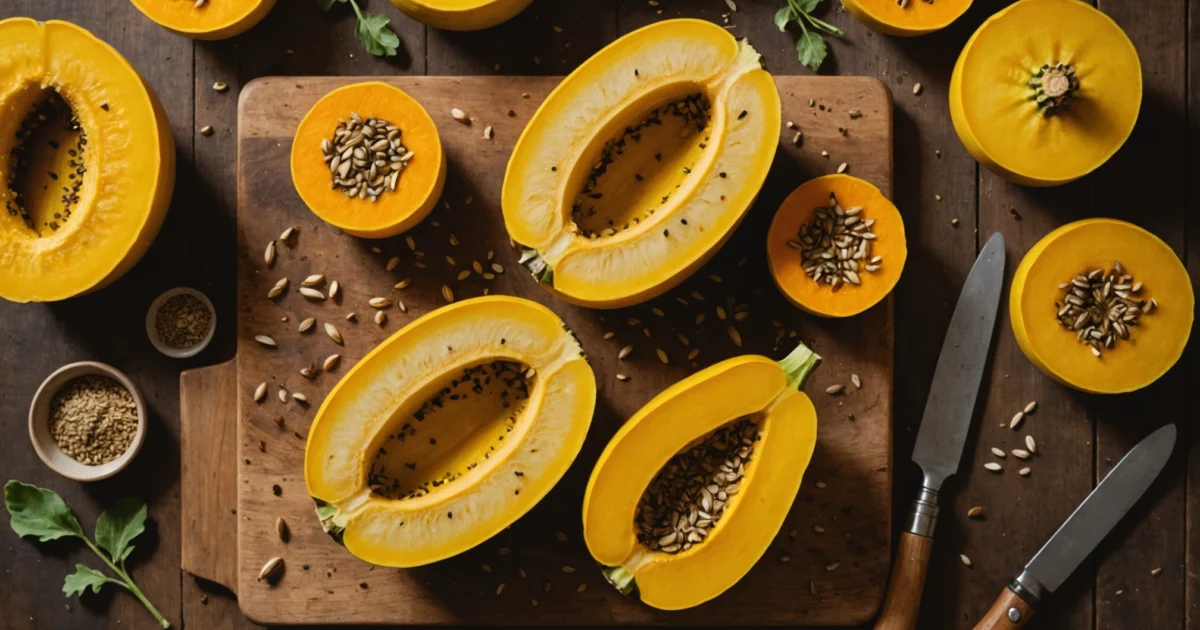
How to cook banana squash involves three main methods: oven roasting at 400-425°F, steaming on the stovetop, or microwaving for quick preparation. This large winter squash from the Cucurbita maxima family offers a sweet, mild flavor and creamy texture that works perfectly in both savory and sweet dishes. Moreover, banana squash provides excellent nutritional value with high levels of vitamins A and C, fiber, and potassium.
The key to successfully cooking banana squash lies in proper preparation and choosing the right method for your recipe. Whether you’re making soup, mashed squash, or roasted cubes, understanding timing and temperature ensures perfect results every time. Additionally, this versatile winter vegetable can be prepared whole, in halves, or cut into smaller pieces depending on your cooking approach.
From basic steaming techniques to advanced roasting methods, each cooking style brings out different aspects of the squash’s natural sweetness. Furthermore, proper preparation steps like safe cutting and seed removal make the cooking process much easier and more efficient.
TL;DR
- Oven roasting: Cut squash in half, roast at 400-425°F for 45-60 minutes until fork-tender
- Stovetop steaming: Steam cubed squash for 15-20 minutes or boil for 10-15 minutes
- Microwave method: Pierce whole squash, microwave on high for 10-15 minutes, turning halfway through
- Preparation tips: Always cut safely, remove seeds, and test doneness with a fork
- Best uses: Perfect for soups, mashed sides, roasted cubes, and even sweet dessert applications
What is Banana Squash and Why Cook It?
Banana squash (Cucurbita maxima) is a large winter squash variety that gets its name from its elongated, curved shape and pale yellow exterior. This impressive vegetable can grow up to three feet long and weigh between 10-40 pounds, making it one of the largest squash varieties available. Despite its name, banana squash doesn’t taste like bananas at all—instead, it offers a sweet, mild flavor with subtle nutty undertones.
The flesh of banana squash provides a creamy, smooth texture when cooked, similar to butternut squash but with less stringiness. This makes it exceptionally versatile for both savory dishes like soups and casseroles, as well as sweet applications such as pies and baked goods. Furthermore, the squash’s mild flavor profile allows it to absorb other seasonings beautifully while maintaining its own distinctive character.
Nutritional Powerhouse Benefits
Banana squash delivers impressive nutritional value that makes it worth adding to your regular cooking rotation. A one-cup serving provides approximately 82 calories while packing significant amounts of essential vitamins and minerals. Most notably, this winter squash contains high levels of vitamin A (over 400% daily value), which supports eye health and immune function.
- Vitamin C: Approximately 20mg per cup, supporting immune system health
- Dietary fiber: About 7 grams per cup, promoting digestive health
- Potassium: Over 580mg per cup, essential for heart health and blood pressure regulation
- Beta-carotene: High levels that convert to vitamin A in the body
- Manganese: Important for bone health and metabolism
Additionally, banana squash contains virtually no fat and provides complex carbohydrates that offer sustained energy. The high fiber content helps regulate blood sugar levels and promotes feelings of fullness, making it an excellent choice for weight management.
Peak Season and Availability
Banana squash reaches peak ripeness during late summer through early winter, typically from August through December. However, because of its excellent storage capabilities, you can find banana squash in most grocery stores year-round. The best quality squash appears in markets during October and November when freshly harvested varieties offer optimal flavor and texture.
When selecting banana squash, look for specimens with hard, unblemished skin and a dull matte finish rather than glossy appearance. The stem should feel dry and woody, indicating proper curing. Moreover, a ripe banana squash should feel heavy for its size and produce a hollow sound when tapped.
Size Considerations and Smart Storage
The large size of banana squash presents both opportunities and challenges for home cooks. While whole banana squash can feed 8-12 people, many grocery stores sell pre-cut portions for smaller households. If purchasing a whole squash, plan to use it within several meals or share with neighbors and friends.
Proper storage extends banana squash shelf life significantly. Whole, uncut squash keeps for 3-6 months when stored in a cool, dry place with temperatures between 50-55°F. Avoid storing in the refrigerator, as cold temperatures can cause the flesh to deteriorate. Once cut, wrap pieces tightly in plastic wrap and refrigerate for up to one week.
Storage Tip
For optimal freshness, store cut squash pieces in the refrigerator’s crisper drawer where humidity levels remain consistent. Additionally, cooked banana squash keeps well in the refrigerator for 3-5 days and can be frozen for up to six months, making it excellent for meal prep and batch cooking.
Essential Preparation Steps
Proper preparation forms the foundation for successfully cooking banana squash. The large size and tough exterior require specific techniques to ensure safe handling and optimal results. Furthermore, understanding when to peel versus cooking with skin intact affects both flavor and cooking time.
How to Safely Cut Large Banana Squash
Cutting banana squash safely requires a sharp, heavy chef’s knife and a stable cutting surface. Place the squash on a non-slip cutting board and use a towel underneath for extra stability. Additionally, making an initial shallow score around the circumference helps guide your knife through the tough skin.
Begin by cutting off both ends to create flat, stable surfaces. Then, stand the squash upright and slice downward through the center, applying steady pressure. The knife should move through the flesh smoothly once it penetrates the outer skin. Never attempt to cut through the squash in one forceful motion, as this increases injury risk.
Safety First
Removing Seeds and Stringy Pulp
The seed cavity of banana squash contains large, flat seeds surrounded by stringy pulp similar to pumpkin innards. Use a large spoon or ice cream scoop to remove this material efficiently. Scrape along the cavity walls to eliminate all stringy fibers, which can create unpleasant texture if left behind.
Save the seeds for roasting, as banana squash seeds offer excellent nutritional value and nutty flavor. Rinse seeds thoroughly under cold water to remove all pulp, then pat dry before seasoning and roasting. The stringy pulp can be composted or discarded, as it doesn’t contribute to the final dish.
Peeling Techniques and When to Keep Skin
Banana squash skin becomes tender when cooked, making peeling optional for many preparations. Roasting, steaming, and soup-making work well with skin intact, which saves preparation time and adds fiber. However, certain dishes like purees and baked goods require peeled squash for smooth texture.
When peeling is necessary, use a sharp vegetable peeler or paring knife after cutting the squash into manageable pieces. The skin removes more easily when working with smaller sections rather than attempting to peel the whole squash. Work from top to bottom in long strokes for efficient peeling.
- Keep skin for: Roasting, steaming, soup-making, casual family meals
- Remove skin for: Purees, baby food, smooth soups, baking applications
- Partially peel: When presentation matters but you want some skin benefits
Cutting Sizes for Different Cooking Methods
The size of banana squash pieces directly affects cooking time and final texture. Different cooking methods require specific cut sizes for optimal results. Moreover, uniform pieces ensure even cooking throughout the dish.
| Cooking Method | Recommended Cut Size | Cooking Time |
|---|---|---|
| Roasting | 1-2 inch cubes | 25-35 minutes |
| Steaming | 1 inch pieces | 15-20 minutes |
| Soup/Stew | 1-1.5 inch chunks | 20-25 minutes |
| Microwave | 1 inch cubes | 8-12 minutes |
| Sautéing | ½ inch slices | 10-15 minutes |
For banana squash halves cooked in the oven, simply cut the squash lengthwise and place cut-side down on a baking sheet. This method works exceptionally well for stuffed preparations or when you want to scoop out the flesh after cooking.
Food Safety and Handling Guidelines
Proper food safety practices prevent contamination and ensure delicious results. Wash the exterior of banana squash thoroughly before cutting, even though you’ll remove the skin. Bacteria on the surface can transfer to the flesh during cutting.
Use separate cutting boards for raw squash and other ingredients to prevent cross-contamination. Clean all utensils and surfaces with hot, soapy water after preparation. Additionally, refrigerate cut squash within two hours of preparation to maintain freshness and safety.
Cook banana squash to an internal temperature of 165°F (74°C) for food safety, though most cooking methods naturally exceed this temperature. The flesh should feel tender when pierced with a fork and appear translucent rather than opaque when fully cooked.
Oven Roasting Method
Oven roasting transforms banana squash into perfectly caramelized pieces with enhanced natural sweetness. This method delivers consistent results while requiring minimal hands-on attention. Furthermore, roasting concentrates the squash’s flavors through gentle moisture evaporation.
Optimal Temperature and Timing
Set your oven to 425°F (220°C) for the best balance of cooking speed and caramelization. This temperature roasts banana squash pieces thoroughly while developing golden-brown edges. Alternatively, 400°F (204°C) works well for gentler cooking when you have extra time.
Roasting time varies based on cut size and desired tenderness. 1-inch cubes typically require 25-30 minutes, while 2-inch pieces need 35-40 minutes. Additionally, thicker cuts may require up to 45 minutes for complete tenderness.
Preparing Squash Halves vs. Cubes
Banana squash halves offer convenience for stuffed preparations and easy flesh removal after cooking. Cut the squash lengthwise, then scoop out seeds and place cut-side down on a parchment-lined baking sheet. This method requires 45-60 minutes depending on squash size.
Cubed squash pieces roast faster and develop more caramelized surfaces. Cut peeled squash into uniform 1-2 inch pieces for even cooking. Moreover, smaller cubes create more surface area for browning and seasoning absorption.
Pros
- Faster cooking time (25-35 minutes)
- More caramelized surfaces
- Better seasoning distribution
- Easy to serve individual portions
Cons
- Requires more prep time for cutting
- Pieces may dry out if overcooked
- Less dramatic presentation than halves
Seasoning Options and Oil Application
Toss banana squash pieces with 1-2 tablespoons olive oil per pound for proper browning and moisture retention. The oil prevents sticking while promoting even caramelization. Consequently, well-oiled pieces develop better texture and flavor.
Basic seasoning includes salt and black pepper applied generously before roasting. Popular additions include garlic powder, paprika, thyme, or rosemary for savory preparations. Sweet options feature cinnamon, nutmeg, or maple syrup for dessert-style dishes.
- Savory blend: Salt, pepper, garlic powder, dried thyme
- Mediterranean style: Olive oil, oregano, lemon zest, sea salt
- Sweet preparation: Butter, cinnamon, brown sugar, vanilla extract
- Spicy version: Chili powder, cumin, paprika, cayenne pepper
Testing for Doneness
Properly roasted banana squash yields easily to a fork without resistance. Pierce the thickest pieces with a fork to test tenderness throughout. The flesh should feel soft and creamy rather than firm or crunchy.
Visual cues include golden-brown edges and slightly caramelized surfaces on the cut sides. The squash develops a translucent appearance when fully cooked. However, avoid overcooking, which creates mushy texture and diminished flavor.
Fork-tender texture indicates perfect doneness – the utensil should slide through easily without breaking the piece apart
Roasting Whole vs. Cut Pieces
Whole banana squash requires significantly longer cooking time but offers dramatic presentation for special occasions. Pierce the skin several times with a knife, then roast at 375°F (190°C) for 60-90 minutes depending on size. This method works best for smaller varieties under 5 pounds.
Cut pieces provide faster, more controllable cooking with better seasoning penetration. They also allow you to remove portions as they finish cooking. Therefore, most home cooks prefer this approach for everyday meal preparation.
Consider your intended use when choosing between methods. Whole roasting suits presentations where you’ll stuff the squash or serve it as a centerpiece. Meanwhile, cut pieces work better for side dishes, soups, or recipes requiring measured amounts of cooked squash.
Stovetop Cooking Techniques
Stovetop methods offer precise control over banana squash texture and cooking speed. These techniques work particularly well for quick weeknight meals and when you need perfectly tender results. Moreover, stovetop cooking allows you to monitor progress closely and adjust heat levels as needed.
Steaming Method: Equipment and Timing
Steaming preserves the squash’s natural sweetness while maintaining firm texture. You’ll need a large pot with a tight-fitting lid and a steamer basket or insert. Additionally, ensure your pot holds at least 2 inches of water without touching the steamer bottom.
Cut banana squash into 1-inch cubes for even steaming. Place cubes in the steamer basket over boiling water, then cover immediately. Steam for 12-15 minutes until fork-tender but not mushy. Furthermore, avoid lifting the lid frequently, as this releases essential steam and extends cooking time.
Boiling Technique for Quick Cooking
Boiling delivers the fastest stovetop results for banana squash preparation. Fill a large pot with enough water to cover the squash pieces by 2 inches. Subsequently, bring water to a rolling boil before adding the cubed squash.
Cook cubed banana squash in boiling water for 8-12 minutes until tender. Test doneness by piercing with a fork – the utensil should slide through easily. However, drain immediately once tender to prevent overcooking and waterlogged texture.
Pro Tip
Sautéing Cubed Squash for Faster Preparation
Sautéing creates beautifully caramelized edges while keeping cooking time under 15 minutes. Heat 2 tablespoons of oil or butter in a large skillet over medium-high heat. Then, add cubed squash in a single layer without overcrowding the pan.
Cook for 3-4 minutes without stirring to develop golden-brown surfaces. Flip pieces carefully and continue cooking for another 8-10 minutes, stirring occasionally. The squash develops tender interiors with slightly crispy exteriors using this method.
Water Levels and Cooking Vessel Selection
Proper water levels prevent both burning and waterlogging during stovetop cooking. For steaming, maintain 1-2 inches of water in the pot bottom. Meanwhile, boiling requires enough water to cover squash pieces completely plus 2 additional inches.
Choose heavy-bottomed pots for even heat distribution and consistent results. Stainless steel or enameled cast iron work exceptionally well for banana squash preparation. Additionally, ensure your pot provides adequate space for the squash to move freely during cooking.
| Cooking Method | Water Level | Pot Size | Cooking Time |
|---|---|---|---|
| Steaming | 1-2 inches | Large with lid | 12-15 minutes |
| Boiling | Cover + 2 inches | Large capacity | 8-12 minutes |
| Sautéing | None | Wide skillet | 12-15 minutes |
Maintaining Texture and Preventing Mushiness
Texture control separates perfectly cooked banana squash from disappointing mush. Start testing for doneness 2 minutes before the minimum recommended cooking time. The squash should yield to gentle pressure but maintain its shape when properly cooked.
Immediately remove squash from heat once fork-tender to prevent overcooking. For boiled squash, drain thoroughly and let excess moisture evaporate for 1-2 minutes. Similarly, steamed squash benefits from brief uncovered resting to release excess steam.
Cut squash into uniform pieces to ensure even cooking throughout. Pieces that are too small become mushy quickly, while oversized chunks may remain undercooked in the center. Therefore, aim for consistent 1-inch cubes for optimal results across all stovetop methods.
Microwave Cooking Method
Microwave cooking provides the fastest method for preparing banana squash while preserving nutrients and natural flavors. This technique works exceptionally well for squash halves, offering convenience without sacrificing quality. Moreover, microwave cooking requires minimal cleanup and delivers consistent results when proper techniques are followed.
Best Practices for Microwaving Squash Halves
Cut banana squash lengthwise to create uniform halves for even microwave cooking. Place squash halves cut-side down in a microwave-safe dish with raised edges to contain moisture. Additionally, arrange pieces with thicker portions toward the outside of the dish where microwave energy concentrates most effectively.
Add 2-3 tablespoons of water to the dish bottom before microwaving. This water creates steam that helps cook the squash evenly while preventing dehydration. Furthermore, the steam softens the tough skin and makes removal easier after cooking.
Power Settings and Timing Guidelines
Use 70-80% power setting for optimal banana squash cooking results. High power often creates hot spots that cook unevenly, leaving some areas overcooked while others remain firm. Therefore, medium-high power ensures gentle, uniform heating throughout the squash flesh.
| Squash Size | Power Level | Cooking Time | Rest Time |
|---|---|---|---|
| Small half (1-2 lbs) | 70% | 8-10 minutes | 3 minutes |
| Medium half (2-3 lbs) | 75% | 12-15 minutes | 5 minutes |
| Large half (3+ lbs) | 80% | 15-20 minutes | 5 minutes |
Start with shorter cooking times and add additional minutes as needed. Microwaves vary significantly in power output, so initial timing serves as a baseline rather than absolute rule. Subsequently, check doneness every 2-3 minutes during the final cooking phase.
Piercing Skin to Prevent Bursting
Pierce the skin 8-10 times with a sharp knife or fork before microwaving banana squash. These punctures allow steam to escape and prevent dangerous bursting during cooking. Without proper venting, pressure builds inside the squash and can cause explosive ruptures.
Make piercing holes approximately 1 inch apart across the entire skin surface. Focus particularly on thicker skin areas where steam pressure accumulates most readily. Additionally, pierce deeper into thick-skinned varieties to ensure adequate venting throughout the cooking process.
Covering and Venting Techniques
Cover the microwave dish with microwave-safe plastic wrap, leaving one corner slightly open for venting. This partial covering traps steam for even cooking while allowing excess pressure to escape safely. Alternatively, use a microwave-safe lid positioned slightly ajar for similar venting effects.
Avoid completely sealing the covering, as trapped steam creates excessive pressure that can damage both the squash and your microwave. Furthermore, proper venting prevents condensation buildup that can make the squash watery and affect texture quality.
Microwave Safety Tip
Testing Doneness in Microwave Cooking
Test banana squash doneness by inserting a fork into the thickest flesh portion. Properly cooked squash yields easily to gentle pressure without resistance. However, the flesh should maintain some firmness and not feel mushy or completely soft.
Allow microwaved squash to rest for 3-5 minutes after cooking before testing doneness. This resting period allows heat to distribute evenly throughout the flesh and completes the cooking process. During this time, the squash continues cooking from residual heat.
Check multiple spots across the squash surface to ensure even cooking throughout. Microwave cooking can create variations in doneness, particularly in larger pieces. Therefore, test both thick and thin areas to confirm uniform cooking before serving or using in recipes.
Recipe Applications and Serving Ideas
Cooked banana squash transforms into countless delicious dishes that showcase its naturally sweet, nutty flavor. The versatile flesh adapts beautifully to both savory and sweet preparations, making it an excellent ingredient for year-round cooking. Moreover, proper preparation techniques unlock the squash’s full culinary potential across various cooking applications.
Basic Mashed Banana Squash Preparation
Mashed banana squash serves as the foundation for numerous recipes and side dishes. After cooking, scoop the tender flesh from the skin and mash with a fork or potato masher until smooth. Additionally, you can blend the cooked flesh in a food processor for an ultra-smooth consistency perfect for soups and purees.
Season basic mashed squash with butter, salt, and pepper for a simple side dish. Furthermore, add a touch of brown sugar or maple syrup to enhance the natural sweetness. The neutral flavor profile accepts both savory herbs like sage and thyme, as well as sweet spices such as cinnamon and nutmeg.
Soup Base and Puree Applications
Banana squash soup represents one of the most popular applications for this versatile vegetable. The smooth, creamy texture creates an ideal base for both chunky and pureed soup varieties. Consequently, many cooks prefer banana squash over other winter squashes for soup-making due to its consistent texture and mild flavor.
Combine mashed banana squash with vegetable or chicken broth to create a simple soup base. Then, add aromatics like onions, garlic, and ginger for depth of flavor. The squash puree also works excellently in cream-based soups when combined with heavy cream or coconut milk for richness.
- Classic butternut-style soup with sage and nutmeg
- Thai-inspired soup with coconut milk and curry spices
- Roasted vegetable soup with carrots and bell peppers
- Spiced soup with cumin, paprika, and chili powder
Savory Side Dish Seasonings and Preparations
Transform cooked banana squash into elegant savory side dishes with strategic seasoning combinations. Mediterranean herbs like rosemary, oregano, and basil complement the squash’s natural sweetness beautifully. Similarly, Middle Eastern spices such as za’atar and sumac add complex flavor layers that elevate simple preparations.
Roasted banana squash cubes tossed with olive oil, garlic, and fresh herbs make an excellent accompaniment to roasted meats. Additionally, you can incorporate cooked squash into grain bowls, risottos, and pasta dishes for added nutrition and flavor. The squash pairs particularly well with quinoa, wild rice, and farro in hearty grain-based salads.
| Seasoning Style | Key Ingredients | Best Cooking Method |
|---|---|---|
| Mediterranean | Olive oil, rosemary, garlic | Roasting |
| Asian-inspired | Soy sauce, ginger, sesame oil | Stir-frying |
| Mexican | Cumin, chili powder, lime | Sautéing |
| Indian | Turmeric, garam masala, ghee | Braising |
Sweet Preparations and Dessert Uses
Banana squash excels in sweet applications due to its naturally mild flavor and smooth texture when cooked. The flesh works wonderfully in pies, muffins, and quick breads as a healthier alternative to traditional pumpkin. Furthermore, the squash’s natural sweetness reduces the need for added sugars in many dessert recipes.
Create delicious banana squash pie using the same spice blend as pumpkin pie—cinnamon, nutmeg, ginger, and cloves. The squash also makes excellent additions to smoothies, pancakes, and oatmeal for breakfast applications. Additionally, you can freeze cooked squash puree in ice cube trays for easy portioning in future recipes.
For a simple dessert, try banana squash bread that combines the vegetable’s natural sweetness with warm spices. The bread stays moist for days and freezes beautifully for future enjoyment.
Storage of Cooked Squash and Reheating Tips
Proper storage extends the life of cooked banana squash significantly. Refrigerate cooked squash in airtight containers for up to 5 days, or freeze portions for up to 6 months. However, ensure the squash cools completely before refrigeration to prevent condensation and bacterial growth.
When reheating, add a small amount of liquid such as broth or water to prevent drying out. Microwave reheating works best for small portions, while oven reheating at 350°F suits larger quantities. Additionally, frozen squash puree thaws quickly and maintains its texture well for use in soups and baked goods.
Storage Pro Tip
Label containers with preparation date and intended use to maintain organization in your refrigerator and freezer. Moreover, consider portioning cooked squash based on typical recipe requirements—1 cup portions work well for most soup and baking applications.
Troubleshooting Common Cooking Issues
Even experienced cooks encounter challenges when preparing banana squash. Understanding common problems helps you achieve perfect results every time. Most cooking issues stem from improper timing, temperature control, or size variations.
Preventing Overcooking and Mushy Texture
Overcooked banana squash becomes watery and loses its natural sweetness. Therefore, check doneness frequently during the final cooking stages. A fork should pierce the flesh easily without the squash falling apart completely.
Temperature control prevents overcooking more effectively than timing alone. Consequently, reduce heat when the squash begins to soften, allowing gentle cooking to finish the process. Additionally, remove squash from heat while it retains slight firmness, as residual heat continues cooking.
Pro Tip
Dealing with Undercooked or Tough Squash
Undercooked banana squash feels hard and tastes starchy rather than sweet. Furthermore, tough squash indicates insufficient cooking time or inadequate heat penetration. Return undercooked pieces to heat immediately for best results.
Cut tough squash into smaller pieces to reduce cooking time effectively. Moreover, cover the pan when cooking on the stovetop to trap steam and accelerate the cooking process. Alternatively, microwave stubborn pieces for 2-3 minutes before continuing with your chosen cooking method.
Adjusting Cooking Times for Different Sizes
Squash size dramatically affects cooking duration and technique selection. Large banana squash requires significantly longer cooking times than smaller varieties. Therefore, adjust your approach based on the specific dimensions of your squash.
| Squash Size | Roasting Time (400°F) | Steaming Time | Microwave Time |
|---|---|---|---|
| Small pieces (1-inch) | 20-25 minutes | 8-12 minutes | 4-6 minutes |
| Medium pieces (2-inch) | 30-40 minutes | 15-20 minutes | 8-10 minutes |
| Large halves | 45-60 minutes | 25-35 minutes | 12-15 minutes |
Dense, thick pieces need extended cooking periods compared to thin slices. Additionally, consider the cooking method when timing adjustments—steaming cooks faster than roasting for equivalent piece sizes. Always test the thickest portion for doneness before serving.
Salvaging Overcooked Squash for Other Uses
Overcooked banana squash transforms into excellent puree for soups, breads, and smoothies. Simply mash the soft squash and strain excess liquid if necessary. This puree works wonderfully in baked goods where texture matters less than flavor.
Blend mushy squash with broth to create instant soup base. Furthermore, overcooked squash makes excellent baby food when pureed smooth and mixed with appropriate seasonings. The natural sweetness appeals to young palates while providing essential nutrients.
- Mix into pancake or muffin batter
- Blend into smoothies for natural sweetness
- Use as pie filling base
- Incorporate into pasta sauces
- Freeze in ice cube trays for future use
Signs of Properly Cooked Banana Squash
Perfectly cooked banana squash exhibits specific visual and textural characteristics. The flesh appears bright orange and feels tender when pierced with a fork. Moreover, properly cooked squash releases its natural sweetness and develops a slightly caramelized aroma.
The skin separates easily from cooked flesh, indicating complete doneness. Additionally, well-cooked squash maintains its shape while yielding to gentle pressure. Taste testing reveals a sweet, nutty flavor without any raw or starchy notes.
Properly cooked banana squash should be fork-tender but not mushy, with a sweet aroma and vibrant orange color.
Watch for steam rising from cut surfaces as another indicator of proper cooking. Furthermore, the natural sugars concentrate during cooking, creating slightly darker edges on roasted pieces. These visual cues help determine optimal doneness without overcooking.
Frequently Asked Questions
What cooking method is best for banana squash?
The best cooking method depends on your recipe and time constraints. Oven roasting at 400-425°F brings out the natural sweetness and creates a slightly caramelized exterior. For quick preparation, steaming or microwaving preserves more nutrients and moisture. Roasting works best for side dishes and soups, while steaming is ideal for mashing or purees.
Can you eat banana squash?
Yes, banana squash is completely edible and highly nutritious. The flesh offers a sweet, mild flavor with nutty undertones and a creamy texture when cooked. You can use it in both savory dishes like soups and casseroles, as well as sweet applications such as pies and baked goods. The skin is typically removed before eating.
What temperature do you cook banana squash at?
For oven roasting, cook banana squash at 400-425°F for 45-60 minutes until fork-tender. The exact time depends on the size of your pieces—larger halves take longer than cubed pieces. Always test doneness by piercing with a fork; the flesh should be soft and easily pierced.
Does banana squash taste like banana?
No, banana squash doesn’t taste like bananas at all despite its name. It has a sweet, mild flavor with subtle nutty undertones, similar to butternut squash but less stringy. The name comes from its elongated, curved shape and pale yellow exterior, not its flavor profile.
How long does it take to cook banana squash in the microwave?
Microwave cooking takes 10-15 minutes on high power for a whole small squash. Pierce the skin several times before microwaving and turn the squash halfway through cooking. For cubed pieces, microwave for 8-12 minutes, stirring every 3-4 minutes for even cooking.
How do you cook banana squash on the stove?
For stovetop cooking, you can either steam or boil cubed banana squash. Steam for 15-20 minutes in a steamer basket over boiling water, or boil directly in water for 10-15 minutes until fork-tender. Steaming preserves more nutrients and prevents the squash from becoming waterlogged.
How do you safely cut banana squash?
To safely cut banana squash, use a large, sharp knife and cut on a stable surface. Pierce the skin first to prevent slipping, then cut lengthwise down the center. Remove seeds with a spoon, then cut into smaller pieces as needed. For very large squash, you may need to score and break it into sections first.
What are the best banana squash recipes for beginners?
Easy beginner recipes include roasted banana squash cubes seasoned with salt, pepper, and olive oil, simple mashed banana squash with butter and herbs, and banana squash soup blended with broth and seasonings. These recipes require minimal ingredients and basic cooking techniques.
How do you know when banana squash is done cooking?
Banana squash is done when it’s easily pierced with a fork and the flesh feels soft throughout. For roasted pieces, the edges may be slightly caramelized and golden. The cooking time varies based on size—small cubes cook in 20-30 minutes, while large halves may take 45-60 minutes.
Can you cook banana squash with the skin on?
While you can cook banana squash with the skin on, most people prefer to remove it before or after cooking since it can be tough and difficult to digest. If cooking with skin on, the flesh will easily separate from the skin once cooked, making it simple to scoop out.
What nutritional benefits does banana squash provide?
Banana squash is a nutritional powerhouse providing over 400% daily value of vitamin A per cup, plus significant vitamin C, fiber, and potassium. It contains approximately 82 calories per cup, virtually no fat, and high levels of beta-carotene that support eye health and immune function.
How should you store banana squash before cooking?
Store whole banana squash in a cool, dry place away from direct sunlight for up to several months. Once cut, wrap pieces in plastic wrap and refrigerate for up to one week. Cooked banana squash can be refrigerated for 3-5 days or frozen for up to 6 months.
What’s the difference between banana squash and butternut squash?
Banana squash is much larger (10-40 pounds vs 2-5 pounds), has a pale yellow exterior instead of tan, and offers a less stringy, creamier texture than butternut squash. Both have sweet, mild flavors, but banana squash has more subtle nutty undertones and can be used interchangeably in most recipes.
You May Also Like
Easy Southern Banana Pudding Recipe | Classic Homemade
Easy Banana Ketchup Recipe (No Tomatoes) – Filipino Style