Easy Banana Ketchup Recipe (No Tomatoes) – Filipino Style

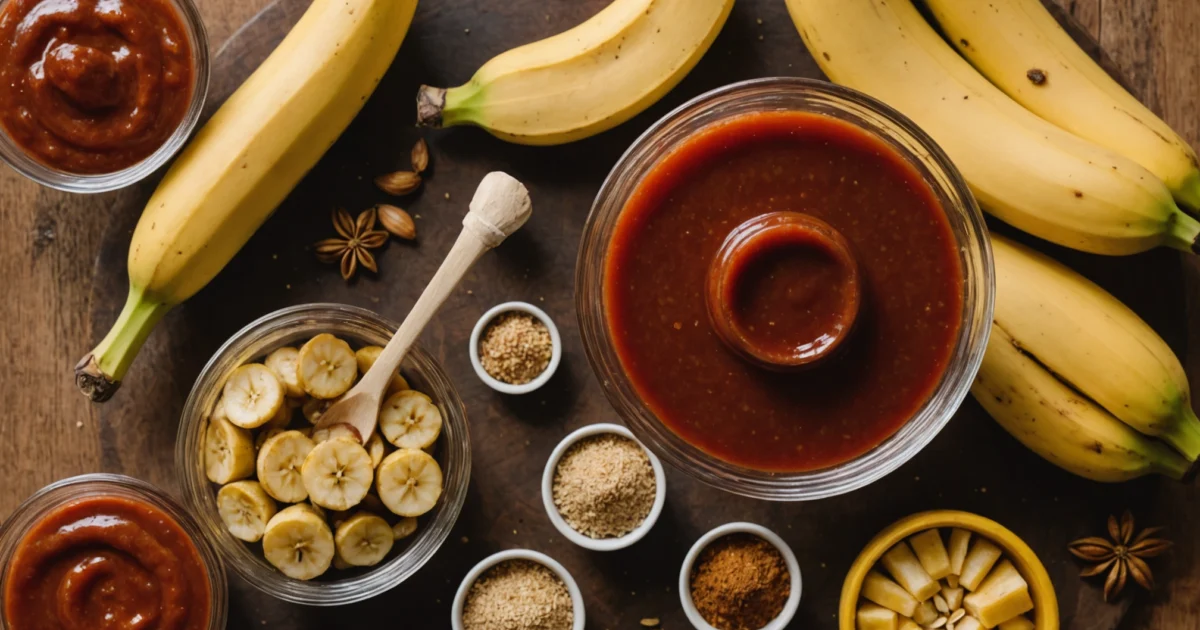
A banana ketchup recipe with no tomato creates the beloved Filipino condiment using ripe bananas as the primary ingredient instead of traditional tomatoes. This sweet and tangy sauce originated during World War II when tomato shortages forced Filipino cooks to innovate with locally abundant bananas. Unlike tomato ketchup, banana ketchup offers a unique fruity sweetness balanced with vinegar’s acidity and aromatic spices.
Making homemade banana ketchup requires simple ingredients: ripe bananas, brown sugar, white vinegar, garlic, onion, and basic seasonings. The process involves creating a smooth banana puree, then simmering it with aromatics and spices until it reaches the perfect consistency. Many recipes include red food coloring to mimic tomato ketchup’s appearance, though this remains optional.
This tomato-free alternative works excellently in both traditional Filipino dishes and Western applications. Furthermore, you can customize the sweetness level, add spices for heat, or create healthier versions using natural sweeteners. The result is a versatile condiment that stores well and offers a distinctive flavor profile impossible to achieve with tomatoes.
TL;DR
- Banana ketchup uses ripe bananas instead of tomatoes, creating a sweet and tangy Filipino condiment that originated during WWII tomato shortages
- Essential ingredients include bananas, brown sugar, white vinegar, garlic, onion, and spices – red food coloring is optional for traditional appearance
- The recipe involves pureeing bananas, sautéing aromatics, and simmering until thick – stores well refrigerated and works in both Filipino and Western dishes
What Is Banana Ketchup and Why No Tomatoes?
Banana ketchup is a sweet and tangy condiment made from mashed bananas, vinegar, sugar, and spices—completely free of tomatoes. This distinctive Filipino sauce originated during World War II when tomato shortages forced creative cooks to develop alternatives using locally abundant ingredients. Unlike its tomato-based counterpart, banana ketchup delivers a unique flavor profile that combines fruity sweetness with acidic tang.
The historical context behind this innovation reveals wartime resourcefulness at its finest. During the 1940s, tomato imports became scarce in the Philippines due to wartime disruptions. Consequently, Filipino food technologist Maria Orosa pioneered the banana ketchup recipe using native bananas as the primary ingredient. This substitution not only solved the shortage problem but also created a distinctly Filipino condiment that remains popular today.
Key Differences Between Banana and Tomato Ketchup
Several fundamental differences distinguish banana ketchup from traditional tomato versions. First, banana ketchup contains no tomatoes whatsoever—bananas serve as the primary fruit base. Additionally, the texture tends to be slightly smoother due to the natural consistency of pureed bananas. Most commercial brands add red food coloring to mimic tomato ketchup’s appearance, though homemade versions often maintain their natural golden hue.
| Characteristic | Banana Ketchup | Tomato Ketchup |
|---|---|---|
| Primary Ingredient | Mashed bananas | Tomato paste/puree |
| Natural Color | Golden/beige | Deep red |
| Sweetness Level | Higher natural sweetness | Moderate sweetness |
| Texture | Smoother consistency | Slightly thicker |
| Origin | Philippines (1940s) | United States (1800s) |
Flavor Profile: Sweet, Tangy, and Fruity
The flavor profile of banana ketchup creates a complex taste experience that differs significantly from tomato-based versions. Natural banana sugars provide an inherent sweetness that requires less added sugar than tomato recipes. Meanwhile, white vinegar contributes the essential tangy element that balances the fruit’s sweetness. Garlic and onion add savory depth, while spices like ginger create subtle warmth.
This unique combination results in a condiment that tastes both familiar and exotic. The fruity notes make it particularly appealing to those who find traditional ketchup too acidic. Furthermore, the natural sweetness pairs exceptionally well with fried foods, grilled meats, and rice dishes—explaining its popularity in Filipino cuisine.
Why Banana Ketchup Remains Popular Today
Modern banana ketchup popularity extends far beyond its wartime origins for several compelling reasons. Health-conscious consumers appreciate that bananas provide natural potassium, vitamin C, and fiber that tomatoes cannot match. Additionally, many people find the milder acidity easier on sensitive stomachs compared to tomato-based alternatives.
Cultural significance also drives continued demand throughout the Philippines and Filipino communities worldwide. Brands like UFC and Jufran have made banana ketchup a staple condiment that appears on restaurant tables and home kitchens alike. Moreover, the versatility of banana ketchup allows it to function as both a dipping sauce and cooking ingredient in marinades and glazes.
For those interested in creating their own tomato-free version, our complete banana ketchup recipe guide provides detailed instructions for achieving the perfect balance of sweet and tangy flavors. This homemade approach allows complete control over ingredients and eliminates artificial additives found in commercial varieties.
Quick Fact
Essential Ingredients for Tomato-Free Banana Ketchup
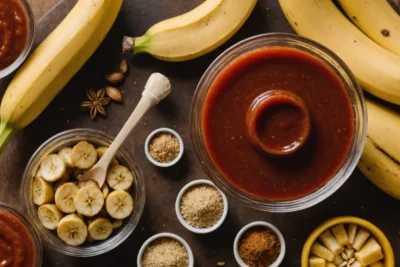
Creating authentic banana ketchup without tomatoes requires specific ingredients that work together to achieve the perfect balance of sweetness, tanginess, and flavor depth. Understanding each component’s role helps ensure your homemade version rivals commercial brands like UFC and Jufran.
Primary Base: Ripe Bananas
Ripe bananas form the foundation of any quality banana ketchup recipe. You’ll need approximately 6-8 medium bananas that display yellow skin with small brown spots, indicating optimal sugar development. Overripe bananas with extensive browning work even better because their natural sugars concentrate during the ripening process.
The banana ripeness directly affects your ketchup’s sweetness and texture. Furthermore, properly ripe bananas break down more easily during cooking, creating the smooth consistency that characterizes professional banana ketchup. Avoid green or barely yellow bananas, as they lack sufficient natural sugars and produce a starchy, unpleasant flavor.
Sweetening Components
Brown sugar serves as the primary sweetening agent in traditional Filipino banana ketchup recipes. Most recipes call for 1/2 to 3/4 cup brown sugar, which provides molasses notes that complement the banana’s natural sweetness. However, white sugar alternatives like coconut sugar or muscovado sugar create different flavor profiles.
Coconut sugar adds subtle caramel undertones, while muscovado sugar intensifies the molasses flavor. Additionally, you can reduce sugar content by relying more heavily on the bananas’ natural sweetness, especially when using very ripe fruit. This approach creates a healthier version without sacrificing the characteristic sweet profile.
Acid Balance
White vinegar provides the essential acidic component that balances the banana’s sweetness and creates the tangy bite expected in ketchup. Most recipes require 1/4 to 1/3 cup vinegar, though you can substitute apple cider vinegar for a milder, fruitier acidity.
Apple cider vinegar complements banana flavors particularly well because both ingredients share fruity characteristics. Moreover, the vinegar acts as a natural preservative, extending your homemade ketchup’s shelf life when properly stored. Rice vinegar offers another alternative for those preferring gentler acidity levels.
Flavor Enhancement Arsenal
- Garlic (2-3 cloves, minced): Adds savory depth and umami complexity
- Onion (1 small, finely chopped): Provides aromatic base notes
- Fresh ginger (1 tablespoon, grated): Creates subtle warmth and spice
- Salt (1 teaspoon): Enhances all other flavors
- Soy sauce (1-2 tablespoons): Adds umami richness and color depth
These aromatics transform simple banana puree into complex, restaurant-quality ketchup. Fresh ginger works better than ground ginger powder because it provides brighter, more vibrant heat. Similarly, fresh garlic creates more nuanced flavor than garlic powder, though both work in a pinch.
Traditional Spice Blend
Allspice and cloves represent the classic spice combination in authentic Filipino banana ketchup. Use 1/4 teaspoon allspice and 1/8 teaspoon ground cloves to avoid overpowering the delicate banana flavor. These warm spices create the distinctive taste that separates banana ketchup from simple banana sauce.
Additional spices like black pepper, paprika, or cayenne pepper can customize your recipe’s heat level. However, traditional recipes keep spicing minimal to let the banana’s natural flavor shine through. Consequently, restraint with spices often produces better results than heavy seasoning.
Color and Consistency Adjustments
Red food coloring remains optional but helps achieve the familiar reddish appearance consumers expect from ketchup. Natural alternatives include beet juice or paprika extract for those avoiding artificial additives. Many homemade versions skip coloring entirely, resulting in golden-brown ketchup that tastes identical.
Cornstarch or all-purpose flour serves as thickening agents when your ketchup needs more body. Mix 1-2 tablespoons cornstarch with cold water before adding to prevent lumps. Alternatively, longer cooking time naturally reduces liquid and concentrates flavors without additional thickeners.
Pro Tip
These essential ingredients work together to create sweet tangy banana ketchup that rivals commercial brands. Understanding each component’s purpose allows you to customize recipes according to dietary needs and flavor preferences while maintaining the authentic taste profile that makes banana ketchup so beloved.
Step-by-Step Banana Ketchup Recipe
Creating homemade banana ketchup with no tomato requires careful preparation and timing to achieve the perfect balance of flavors. This traditional Filipino condiment transforms simple bananas into a complex, tangy sauce through proper technique and ingredient sequencing.
Preparation: Selecting and Preparing Bananas
Choose ripe but firm bananas with yellow peels and minimal brown spots for optimal texture and sweetness. Overripe bananas create mushy consistency, while underripe fruit lacks the natural sugars needed for proper flavor development. Consequently, bananas at peak ripeness provide the ideal foundation for your ketchup.
Peel bananas completely and remove any stringy fibers that cling to the fruit. Cut bananas into uniform 1-inch pieces to ensure even cooking and easier blending. Additionally, prepare all other ingredients before beginning the cooking process, as timing becomes critical once heat application starts.
Creating Banana Puree: Mashing or Blending Techniques
Mash bananas using a potato masher for rustic texture, or blend them in a food processor for smooth consistency. Blending produces superior results for traditional banana ketchup, creating the uniform texture consumers expect from commercial brands. However, slight texture variations add homemade character that many prefer.
Process bananas until they reach your desired consistency level. Furthermore, avoid over-blending, which can make the puree too thin and affect the final ketchup’s body. A few small lumps actually enhance the finished product’s authentic appearance.
Cooking Process: Sautéing Aromatics
Heat 2 tablespoons vegetable oil in a heavy-bottomed saucepan over medium heat to prevent sticking and ensure even cooking. Sauté 3 minced garlic cloves and 1 diced medium onion until fragrant and translucent, approximately 3-4 minutes. This aromatic base provides the savory foundation that balances the banana’s natural sweetness.
Avoid browning the garlic, as burnt aromatics create bitter flavors that overpower the delicate banana taste. Instead, maintain gentle heat throughout the sautéing process to develop complex flavors without harsh notes.
Combining Ingredients: Proper Order and Timing
- Add banana puree to sautéed aromatics and stir gently to combine
- Pour in 1/3 cup white vinegar and 1/4 cup brown sugar immediately
- Add salt, pepper, and spices according to your recipe measurements
- Incorporate 2 tablespoons tomato paste (optional) for deeper color and umami
- Add red food coloring if desired for traditional appearance
Mix ingredients thoroughly but gently to avoid breaking down the banana puree excessively. Moreover, add liquid ingredients before dry spices to prevent clumping and ensure even distribution throughout the mixture.
Simmering and Thickening: Achieving Right Consistency
Bring the mixture to a gentle boil, then reduce heat to low for steady simmering. Simmer uncovered for 15-20 minutes, stirring occasionally to prevent sticking and ensure even cooking. The ketchup gradually thickens as moisture evaporates and flavors concentrate.
Test consistency by coating a spoon with the mixture – properly thickened ketchup should cling without running off immediately. If the ketchup remains too thin, continue simmering for additional 5-minute intervals until desired thickness develops.
Consistency Tip
Seasoning Adjustments: Balancing Sweet, Sour, and Salty
Taste the ketchup after initial simmering and adjust seasonings gradually. Add sugar for sweetness, vinegar for tanginess, or salt for depth according to your preference. Remember that flavors intensify as the ketchup cools, so make conservative adjustments initially.
Balance remains key to authentic banana ketchup – no single flavor should dominate completely. Therefore, add seasonings in small increments, tasting between additions to achieve the perfect harmony of sweet, sour, and savory elements.
Final Cooking Time and Texture Indicators
Complete cooking typically requires 20-25 minutes total simmering time for proper flavor development and consistency. The finished ketchup should coat the back of a spoon and have a glossy appearance when properly reduced.
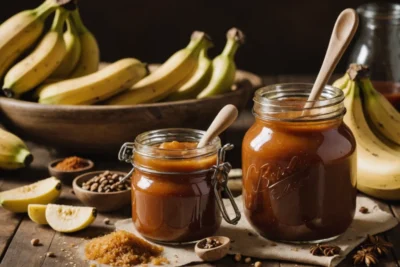
Remove from heat when the ketchup reaches your desired thickness and flavor balance. Allow cooling to room temperature before transferring to sterilized jars for storage. Properly made banana ketchup keeps refrigerated for up to one month, developing even better flavor after the first day.
This sweet tangy banana ketchup recipe creates approximately 2 cups of finished condiment, perfect for family use or gift-giving. The absence of tomatoes makes this ketchup suitable for those with nightshade allergies while providing authentic Filipino flavor.
Cooking Tips and Variations
Achieving the Perfect Consistency Without Lumps
Smooth banana ketchup requires careful mashing techniques and proper cooking methods. Mash bananas completely before adding liquid ingredients to prevent lumps from forming during cooking. Use a potato masher or immersion blender for the smoothest texture possible.
Strain the mixture through a fine-mesh sieve if lumps persist despite thorough mashing. Additionally, maintain gentle heat throughout cooking to prevent the banana pulp from clumping together. Constant stirring ensures even heating and prevents sticking to the pan bottom.
Natural Coloring Alternatives to Food Dye
Traditional banana ketchup achieves its red color through natural ingredients rather than artificial dyes. Paprika powder provides vibrant red coloring while adding mild smoky flavor to the condiment. Use 1-2 teaspoons of paprika for authentic color development.
Alternatively, tomato paste creates natural redness without overwhelming the banana flavor profile. Start with one tablespoon of tomato paste and adjust gradually. Beet juice offers another natural coloring option, though it slightly alters the taste profile.
Spice Variations: Adding Heat and Complexity
Chili powder transforms mild banana ketchup into a spicy condiment perfect for grilled meats and fried foods. Begin with 1/4 teaspoon and increase gradually according to heat preference. Cayenne pepper provides more intense heat than chili powder.
Furthermore, smoked paprika adds depth without excessive heat, creating complex flavor layers. Garlic powder enhances savory notes, while onion powder contributes subtle sweetness. These spice modifications allow customization for different taste preferences and culinary applications.
Sweetness Adjustments for Different Preferences
Sugar levels significantly impact the final flavor balance of banana ketchup recipes. Brown sugar provides deeper, more complex sweetness compared to white sugar. Start with the base recipe amount and adjust upward for sweeter preferences.
Conversely, reduce sugar by up to half for less sweet versions while maintaining proper consistency. The natural banana sweetness compensates for reduced added sugars. Taste frequently during cooking to achieve your preferred sweetness level without oversweetening the final product.
Healthy Modifications: Reducing Sugar and Using Natural Sweeteners
Natural sweeteners offer healthier alternatives to refined sugar in banana ketchup preparation. Honey provides antimicrobial properties while contributing floral notes to the flavor profile. Use 3/4 the amount of honey compared to sugar measurements.
Maple syrup creates rich, complex sweetness with lower glycemic impact than white sugar. Stevia extract works for sugar-free versions, though it requires careful measurement due to its intense sweetness. These modifications support healthier eating while maintaining authentic banana ketchup taste.
Texture Preferences: Smooth vs Slightly Chunky
Texture preferences vary significantly among banana ketchup enthusiasts. Smooth ketchup requires complete mashing and optional straining for restaurant-quality consistency. This texture works best for dipping sauces and marinades.
Meanwhile, chunky texture preserves small banana pieces for rustic appeal and enhanced mouthfeel. Leave some banana pieces partially mashed during preparation. This style complements grilled foods and adds textural interest to simple dishes.
Troubleshooting Common Cooking Issues
Burning problems occur when heat levels exceed medium-low settings during cooking. Reduce heat immediately and stir constantly if scorching begins. Add small amounts of water to thin overly thick mixtures that stick to pan surfaces.
Separation issues develop when acid levels exceed proper ratios or cooking temperatures fluctuate dramatically. Maintain consistent gentle heat throughout the cooking process. If separation occurs, whisk vigorously while adding small amounts of water until the mixture recombines properly.
Pro Tip
Storage and Shelf Life
Proper storage techniques maximize the shelf life of homemade banana ketchup while maintaining optimal flavor and safety. Unlike commercial varieties, homemade condiments lack preservatives and require careful handling to prevent spoilage.
Proper Storage Containers and Sterilization
Glass jars provide the best storage solution for banana ketchup preservation. Sterilize containers by boiling them in water for 10 minutes or running them through a complete dishwasher cycle. Additionally, plastic containers work for short-term storage but may absorb flavors over time.
Clean containers prevent bacterial contamination that causes premature spoilage. Furthermore, tight-fitting lids create airtight seals that maintain freshness and prevent oxidation. Always cool the ketchup completely before transferring to storage containers.
Refrigerator Storage: Duration and Signs of Spoilage
Refrigerated banana ketchup maintains quality for 2-3 weeks when stored properly at 40°F or below. Store containers in the main refrigerator compartment rather than door shelves where temperature fluctuations occur more frequently.
- Visual signs: Mold growth, color changes, or separation
- Texture changes: Unusual thickness or watery consistency
- Smell indicators: Sour, fermented, or off odors
- Taste alterations: Sharp, bitter, or unpleasant flavors
Discard the ketchup immediately if any spoilage signs appear. Moreover, use clean utensils each time to prevent introducing bacteria into the container.
Freezing Options and Thawing Instructions
Frozen banana ketchup extends shelf life up to 6 months while preserving most flavor qualities. Divide large batches into smaller portions using freezer-safe containers or ice cube trays for convenient serving sizes.
Leave 1-inch headspace in containers to allow for expansion during freezing. However, texture may change slightly after thawing due to water separation from the banana solids.
Thaw frozen ketchup gradually in the refrigerator for 24 hours before use. Subsequently, stir thoroughly to redistribute any separated liquids and restore smooth consistency. Never refreeze previously thawed ketchup.
Preserving Techniques for Longer Shelf Life
Water bath canning creates shelf-stable banana ketchup that lasts 12-18 months without refrigeration. Process filled jars in boiling water for 15 minutes, adjusting time for altitude differences above 1,000 feet.
Acidification improves preservation by lowering pH levels below 4.6. Therefore, maintain proper vinegar ratios and avoid reducing acid content in recipes. Sweet tangy banana ketchup recipes often include optimal acid levels for safe preservation.
Vacuum sealing removes oxygen that promotes bacterial growth and oxidation. This technique works especially well for freezer storage and extends quality retention significantly.
Food Safety Considerations for Homemade Condiments
pH testing ensures safe acidity levels for homemade banana ketchup preservation. Use digital pH meters or test strips to verify readings below 4.6, which prevents botulism growth in canned products.
Safety Warning
Temperature control prevents dangerous bacterial multiplication during cooling and storage phases. Cool ketchup rapidly by placing containers in ice baths before refrigeration. Meanwhile, avoid leaving finished products at room temperature for more than 2 hours.
Cross-contamination risks increase when using the same utensils for raw ingredients and finished products. Consequently, wash hands and equipment thoroughly between preparation steps. Label containers with preparation dates to track freshness and ensure timely consumption.
Uses and Serving Suggestions
Banana ketchup serves as a versatile condiment that enhances both traditional Filipino dishes and modern Western applications. This tomato-free alternative brings sweet and tangy flavors to countless culinary creations while offering unique taste profiles that distinguish it from conventional ketchup varieties.
Traditional Filipino Dishes That Pair With Banana Ketchup
Lechon becomes more flavorful when paired with banana ketchup’s sweet acidity, which cuts through rich pork fat effectively. Filipino families traditionally serve this combination during special celebrations and weekend gatherings.
Lumpia benefits from banana ketchup’s smooth texture and balanced sweetness. Furthermore, the condiment complements both fresh and fried spring roll varieties without overpowering delicate vegetable flavors.
- Tocino – Sweet cured pork pairs naturally with banana ketchup’s fruity notes
- Longganisa – Filipino sausage gains enhanced flavor depth
- Barbecue skewers – Grilled meats benefit from the condiment’s caramelized sweetness
- Rice dishes – Simple steamed rice transforms with banana ketchup additions
Western Applications: Burgers, Fries, Sandwiches
Hamburgers gain tropical flair when topped with banana ketchup instead of traditional tomato varieties. The fruit-based condiment adds complexity while maintaining familiar ketchup consistency and appearance.
French fries taste exceptional with banana ketchup’s unique sweetness profile. Additionally, the condiment’s smooth texture adheres well to crispy potato surfaces, creating satisfying flavor combinations.
Grilled cheese sandwiches benefit from banana ketchup’s acidity, which balances rich cheese flavors effectively. Meanwhile, the condiment’s natural sweetness complements buttery bread crusts perfectly.
Cooking Applications: Marinades and Glazes
Marinades incorporating banana ketchup tenderize meats while infusing tropical flavors throughout proteins. The condiment’s natural sugars caramelize during cooking, creating appealing surface colors and enhanced taste profiles.
Glazing applications work exceptionally well with banana ketchup’s consistency and sugar content. Therefore, chicken wings, pork ribs, and salmon fillets develop beautiful lacquered finishes when brushed with this versatile condiment.
| Cooking Method | Best Proteins | Application Technique |
|---|---|---|
| Grilling | Chicken, Pork, Shrimp | Brush during final minutes |
| Roasting | Whole Chicken, Ribs | Apply every 20 minutes |
| Stir-frying | Beef, Tofu, Vegetables | Add in final 2 minutes |
Comparison With Tomato Ketchup in Recipes
Sweetness levels differ significantly between banana and tomato ketchup varieties. Banana ketchup contains more natural fruit sugars, requiring recipe adjustments when substituting for traditional tomato-based versions.
Acidity balance varies between these condiment types, affecting overall dish flavors. Consequently, banana ketchup works better in recipes requiring milder acid notes, while tomato ketchup suits applications needing sharper tang.
Pros
- Sweeter flavor profile enhances dessert applications
- Smoother texture works better for glazing
- Natural fruit enzymes help tenderize proteins
- Unique color adds visual appeal
Cons
- Higher sugar content affects nutritional profiles
- Different acidity levels require recipe modifications
- May overpower delicate flavors
- Less familiar taste for some consumers
Creative Culinary Uses and Fusion Applications
Fusion cuisine benefits tremendously from banana ketchup’s versatility and unique flavor characteristics. Asian-inspired tacos gain tropical notes when topped with this Filipino condiment, while Korean-style fried chicken develops interesting sweet-savory combinations.
Dessert applications showcase banana ketchup’s natural sweetness effectively. Ice cream sundaes, fruit salads, and even chocolate desserts gain unexpected depth when small amounts of this condiment are incorporated thoughtfully.
Cocktail mixology embraces banana ketchup as an innovative ingredient for savory drinks. Bloody Mary variations benefit from the condiment’s fruity complexity, while micheladas gain tropical flair with small additions.
Can I use tomato ketchup instead of banana ketchup? While substitution is possible, expect significant flavor differences due to varying sweetness levels and fruit-based characteristics.
Pizza sauce alternatives work surprisingly well with banana ketchup bases. The condiment’s natural sugars caramelize beautifully during baking, creating unique flavor profiles that complement both traditional and unconventional toppings.
Frequently Asked Questions
Is there no tomato in banana ketchup?
No, authentic banana ketchup contains no tomatoes whatsoever. This Filipino condiment uses ripe bananas as the primary ingredient instead of tomatoes. The recipe was created during World War II when tomato shortages forced Filipino cooks to innovate with locally abundant bananas.
Can ketchup be made without tomatoes?
Yes, ketchup can absolutely be made without tomatoes. Banana ketchup is the most famous example, but you can also make ketchup from other fruits like mangoes, peaches, or even vegetables like mushrooms. The key is maintaining the sweet and tangy flavor profile that defines ketchup.
What can I use instead of tomato ketchup?
Banana ketchup serves as an excellent substitute for tomato ketchup, offering a sweeter and fruitier flavor. Other alternatives include mango chutney, barbecue sauce, or homemade fruit-based ketchups. Banana ketchup works particularly well in both Filipino dishes and Western applications.
What ingredients do I need for homemade banana ketchup?
Essential ingredients for banana ketchup include:
- Ripe bananas (primary ingredient)
- Brown sugar for sweetness
- White vinegar for tanginess
- Garlic and onion for savory depth
- Basic seasonings and spices
- Red food coloring (optional, for traditional appearance)
Why is banana ketchup red if it’s made from bananas?
Many commercial banana ketchup brands add red food coloring to mimic the appearance of traditional tomato ketchup. This was done to make the product more familiar and appealing to consumers. However, homemade versions often maintain their natural golden or beige color from the bananas.
How do you make banana ketchup from scratch?
The basic process involves creating a smooth banana puree, then simmering it with aromatics and spices until it reaches the perfect consistency. You’ll sauté garlic and onions, add the banana puree, vinegar, sugar, and seasonings, then cook until thick. The entire process typically takes 30-45 minutes.
Can I use tomato ketchup instead of banana ketchup in Filipino recipes?
While you can substitute tomato ketchup for banana ketchup, the flavor profile will be significantly different. Banana ketchup is sweeter and fruitier, which complements many Filipino dishes perfectly. Tomato ketchup will provide the tangy element but lacks the distinctive sweetness that banana ketchup brings to traditional recipes.
How long does homemade banana ketchup last?
Properly stored homemade banana ketchup can last 2-3 months in the refrigerator when kept in a clean, airtight container. The high sugar and vinegar content act as natural preservatives. Always use clean utensils when serving to prevent contamination and extend shelf life.
Is banana ketchup healthier than tomato ketchup?
Banana ketchup can be healthier depending on the recipe. Bananas provide natural potassium, vitamin B6, and fiber. However, many commercial versions contain high amounts of sugar and artificial additives. Making homemade banana ketchup allows you to control sugar content and use natural sweeteners for a healthier alternative.
What dishes pair well with banana ketchup?
Banana ketchup pairs excellently with:
- Filipino dishes like tocino, longsilog, and fried chicken
- Grilled meats and barbecue
- French fries and other fried foods
- Egg dishes and breakfast items
- Spring rolls and lumpia
Can I make banana ketchup without sugar?
Yes, you can make banana ketchup without refined sugar by using natural sweeteners like honey, maple syrup, or dates. The ripe bananas already provide natural sweetness, so you may need less additional sweetener than traditional recipes call for. Adjust sweetness to taste during the cooking process.
Why was banana ketchup invented during World War II?
Banana ketchup was invented during World War II due to severe tomato shortages in the Philippines. Wartime disruptions made tomato imports scarce, forcing Filipino food technologist Maria Orosa to innovate using locally abundant bananas. This creative solution not only addressed the shortage but created a uniquely Filipino condiment that remains popular today.
What’s the difference between UFC and Jufran banana ketchup?
UFC and Jufran are both popular Filipino banana ketchup brands with slight differences in sweetness levels and consistency. UFC tends to be slightly sweeter with a smoother texture, while Jufran has a more balanced sweet-tangy flavor. Both use similar ingredients but have distinct taste profiles that appeal to different preferences.
You May Also Like
Easy Southern Banana Pudding Recipe | Classic Homemade
Sweet Tangy Banana Ketchup Recipe: Easy Homemade Guide