Large Banana Calories: Complete Nutrition Facts & Guide

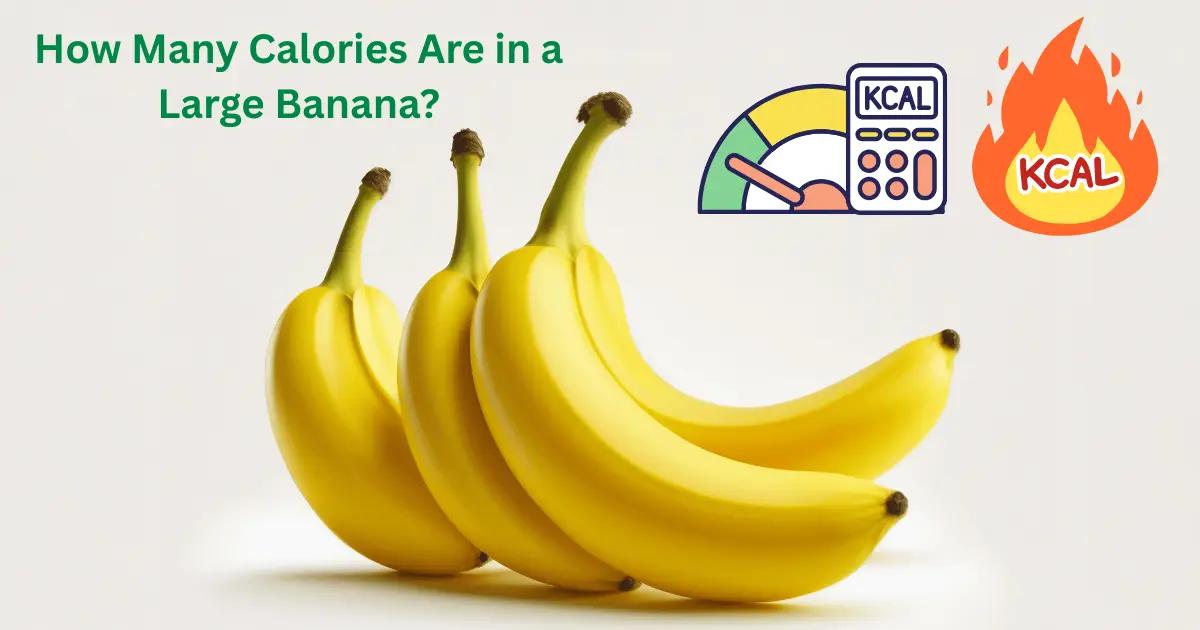
A large banana contains approximately 121 calories, making it a moderate-calorie fruit that fits well into most dietary plans. If you’re tracking your calorie intake for weight management, fitness goals, or general health awareness, understanding the exact caloric content of different banana sizes is essential. Beyond just calories, bananas pack an impressive nutritional profile with essential vitamins, minerals, and dietary fiber that support overall wellness. Whether you’re wondering if that morning banana will derail your diet or how it stacks up against other fruits, this comprehensive guide covers everything you need to know about large banana calories and nutrition.
Bananas are one of the most consumed fruits worldwide, valued for their convenience, natural sweetness, and energy-boosting properties. Yet many people remain uncertain about their caloric impact and whether they align with specific health goals. This guide breaks down the complete nutrition facts, compares different banana sizes, and addresses common concerns about carbohydrates, sugar content, and weight loss compatibility.
How Many Calories Are in a Large Banana? (Quick Answer)
A large banana, typically measuring 8 to 9 inches in length and weighing approximately 136 grams (with peel), contains 121 calories. This measurement refers to the edible portion only, which is about 118-120 grams after removing the peel. The calorie content comes primarily from natural carbohydrates, with minimal contributions from protein and virtually no fat.
For those tracking macros or using calorie-counting apps, it’s important to note that these values represent averages. The exact calorie count can vary slightly based on the banana’s ripeness, growing conditions, and specific variety. However, 121 calories serves as a reliable benchmark for nutritional planning and dietary tracking purposes.
This caloric content positions bananas as a moderate-energy food—higher than berries or melons, but lower than dried fruits, nuts, or calorie-dense snacks. For context, 121 calories represents roughly 6% of a standard 2,000-calorie daily diet, making a large banana a reasonable snack or meal component that won’t dramatically impact your daily caloric budget.
Banana Calories by Size: Small, Medium, Large, and Extra Large
Not all bananas are created equal when it comes to calories in banana portions. The size variation significantly affects the total caloric content, which is why understanding these differences matters for accurate tracking.
Small Banana (6-7 inches, approximately 101 grams)
A small banana contains roughly 90 calories. This size works well for children, as a light snack between meals, or when you want the nutritional benefits of bananas without consuming too many calories. Small bananas are often overlooked but provide an excellent portion-controlled option for those managing calorie intake carefully.
Medium Banana (7-8 inches, approximately 118 grams)
The medium banana is the most commonly referenced size in nutritional databases and contains about 105 calories. When nutrition labels or fitness apps reference “1 banana calories,” they typically mean a medium-sized fruit. This size represents the standard serving used by the USDA and most nutritional tracking applications.
Large Banana (8-9 inches, approximately 136 grams)
As established, a large banana delivers 121 calories. This size is increasingly common in grocery stores, particularly with varieties like Cavendish bananas that tend to grow larger. Many people underestimate their banana consumption by assuming they’re eating a medium when they’re actually consuming a large.
Extra Large Banana (9+ inches, approximately 152 grams)
Extra large bananas can contain 135 calories or more. These substantial fruits provide more energy and nutrients but also require adjustment in your calorie calculations. If you’re purchasing bananas from farmers’ markets or specialty stores, you’re more likely to encounter these larger specimens.
The difference between a small and extra-large banana is approximately 45 calories—nearly 50% more. This variance underscores why weighing your bananas or accurately estimating their size matters when precision in calorie tracking is important for your health goals.
Complete Nutritional Breakdown of a Large Banana
Understanding large banana nutrition extends far beyond just counting calories. A large banana provides a comprehensive nutritional package that supports multiple bodily functions. Here’s the complete breakdown of what you’re getting in that 121-calorie fruit:
| Nutrient | Amount per Large Banana | % Daily Value |
|---|---|---|
| Calories | 121 | 6% |
| Total Carbohydrates | 31g | 11% |
| Dietary Fiber | 3.5g | 13% |
| Sugars | 17g | — |
| Protein | 1.5g | 3% |
| Total Fat | 0.4g | 1% |
| Potassium | 487mg | 14% |
| Vitamin C | 12mg | 20% |
| Vitamin B6 | 0.5mg | 25% |
| Magnesium | 37mg | 9% |
This nutritional profile reveals that bananas are nutrient-dense relative to their calorie content. You’re not just consuming empty calories—you’re getting essential vitamins, minerals, and fiber that contribute to overall health. The high potassium content is particularly noteworthy, as this mineral plays crucial roles in heart health, muscle function, and blood pressure regulation.
The banana nutrition facts also show that despite their sweet taste, bananas contain only natural sugars accompanied by fiber, which moderates their impact on blood sugar levels compared to processed sweets or refined carbohydrates.
Macronutrients: Carbs, Protein, and Fat in Bananas
Breaking down the macronutrient composition of large banana calories helps you understand how this fruit fits into various dietary approaches, whether you’re following a low-carb plan, tracking protein intake, or managing fat consumption.
Carbohydrates in a Large Banana
A large banana contains approximately 31 grams of carbohydrates, which accounts for roughly 102 of the total 121 calories (since carbohydrates provide 4 calories per gram). These banana carbs break down into three categories:
- Dietary fiber: 3.5 grams, which aids digestion and doesn’t spike blood sugar
- Natural sugars: 17 grams, including glucose, fructose, and sucrose
- Resistant starch: Variable amounts depending on ripeness, which acts like fiber in the body
The carbohydrate content makes bananas an excellent pre-workout or post-workout snack, providing quick energy for physical activity. For those concerned about 1 banana carbs fitting into low-carb diets, a large banana would consume a significant portion of a strict ketogenic diet’s daily carb allowance (typically 20-50g), but could work within moderate low-carb approaches.
Protein Content in Bananas
A large banana provides approximately 1.5 grams of protein. While this isn’t substantial compared to protein-rich foods like eggs, chicken, or legumes, it’s comparable to other fruits. The large banana protein content contributes about 6 calories to the total count.
For those tracking 1 banana calories and protein together, bananas won’t serve as a primary protein source but can complement protein-rich meals or snacks. Pairing a banana with protein sources like Greek yogurt, nut butter, or protein powder creates a more balanced macronutrient profile.
Fat in Bananas
Bananas are virtually fat-free, containing only 0.4 grams of fat per large banana. This minimal 1 banana fat content makes bananas an excellent choice for low-fat diets and contributes only about 4 calories to the total. The trace amounts of fat present are primarily healthy unsaturated fats.
This low-fat profile means that nearly all the calories in bananas come from carbohydrates, making them a “clean” energy source without added fats that might slow digestion or increase caloric density.
Vitamins and Minerals: What Makes Bananas Nutritious
Beyond macronutrients, the vitamin and mineral content of bananas contributes significantly to their nutritional value and health benefits. Understanding these micronutrients helps explain why bananas are considered a healthy food choice despite their moderate calorie content.
Potassium: The Star Mineral
A large banana contains approximately 487 milligrams of potassium, representing about 14% of the recommended daily intake. This mineral is crucial for:
- Regulating blood pressure and counteracting sodium’s effects
- Supporting proper muscle contraction and preventing cramps
- Maintaining heart rhythm and cardiovascular health
- Facilitating nerve signal transmission throughout the body
The potassium content is one reason athletes frequently consume bananas before, during, or after exercise. This mineral helps prevent muscle cramps and supports recovery.
Vitamin B6 (Pyridoxine)
With about 0.5 milligrams of vitamin B6, a large banana provides approximately 25% of your daily needs. This vitamin plays essential roles in:
- Protein metabolism and amino acid processing
- Neurotransmitter production, including serotonin and dopamine
- Immune system function and antibody production
- Hemoglobin formation for oxygen transport in blood
The high B6 content makes bananas particularly valuable for mood regulation and cognitive function, as this vitamin directly influences brain chemistry.
Vitamin C and Antioxidants
A large banana delivers about 12 milligrams of vitamin C, roughly 20% of the daily recommended intake. While not as vitamin C-rich as citrus fruits, bananas still contribute meaningful amounts of this antioxidant, which supports immune function, collagen production, and iron absorption.
Bananas also contain other antioxidants including dopamine and catechins, which help combat oxidative stress and inflammation in the body.
Magnesium and Manganese
The 37 milligrams of magnesium in a large banana supports muscle and nerve function, blood sugar regulation, and bone health. Additionally, bananas provide manganese, which aids in metabolism and bone formation.
Are Bananas Good for Weight Loss?
The question “are bananas good for weight loss” generates considerable debate in nutrition circles. The answer is nuanced and depends on how bananas fit into your overall dietary pattern and calorie goals.
The Case for Bananas in Weight Loss
Several factors make bananas weight-loss friendly:
Satiety and fiber content: The 3.5 grams of fiber in a large banana helps promote feelings of fullness, potentially reducing overall calorie intake throughout the day. Fiber slows digestion and helps stabilize blood sugar, preventing the rapid hunger return that follows eating refined carbohydrates.
Nutrient density: At 121 calories, a large banana provides substantial nutrition relative to its caloric cost. You’re getting essential vitamins, minerals, and fiber rather than empty calories from processed snacks that might contain similar or higher calories with minimal nutritional value.
Natural sweetness satisfaction: Bananas can satisfy sweet cravings without resorting to calorie-dense desserts or processed sweets. Swapping a 300-calorie cookie for a 121-calorie banana represents a significant calorie reduction while still addressing the desire for something sweet.
Resistant starch in less-ripe bananas: Greener bananas contain resistant starch, which behaves like fiber in the digestive system, potentially reducing the number of calories absorbed and improving metabolic health.
Potential Concerns for Weight Loss
However, some considerations exist:
Carbohydrate content: For those following very low-carb or ketogenic diets, the 31 grams of carbs in a large banana might not align with their macronutrient targets. These eating plans typically restrict carbohydrates to induce ketosis, and a single banana could exceed the daily carb allowance.
Calorie awareness: While 121 calories isn’t excessive, eating multiple bananas daily without accounting for these calories could contribute to weight gain. Two large bananas add 242 calories—roughly equivalent to a small meal—which matters when creating the calorie deficit necessary for weight loss.
Blood sugar response: Very ripe bananas have a higher glycemic index than less-ripe ones, potentially causing faster blood sugar spikes in some individuals, particularly those with insulin resistance or diabetes.
The Bottom Line on Bananas and Weight Loss
Bananas can absolutely support weight loss when consumed as part of a balanced, calorie-controlled diet. They work best when:
- Eaten in moderation (1-2 per day for most people)
- Consumed as whole fruit rather than in smoothies with multiple bananas
- Paired with protein or healthy fats to create more balanced blood sugar response
- Used as replacements for higher-calorie snacks or desserts
- Incorporated into your overall daily calorie and macronutrient targets
The key is treating bananas as one component of a varied diet rich in vegetables, lean proteins, healthy fats, and diverse fruits rather than relying on them exclusively or consuming them in excess.
How Bananas Compare to Other Fruits (Calorie Comparison Chart)
Understanding how many calories in an apple, orange, or other common fruits helps contextualize banana calories within the broader fruit category. Here’s a comprehensive comparison of popular fruits based on typical serving sizes:
| Fruit | Serving Size | Calories | Carbs | Fiber | Protein |
|---|---|---|---|---|---|
| Large Banana | 1 fruit (136g) | 121 | 31g | 3.5g | 1.5g |
| Medium Apple | 1 fruit (182g) | 95 | 25g | 4.4g | 0.5g |
| Medium Orange | 1 fruit (131g) | 62 | 15g | 3.1g | 1.2g |
| Cup of Strawberries | 1 cup (152g) | 49 | 12g | 3g | 1g |
| Cup of Blueberries | 1 cup (148g) | 84 | 21g | 3.6g | 1.1g |
| Medium Pear | 1 fruit (178g) | 101 | 27g | 5.5g | 0.6g |
| Cup of Grapes | 1 cup (151g) | 104 | 27g | 1.4g | 1.1g |
| Medium Peach | 1 fruit (150g) | 58 | 14g | 2.3g | 1.4g |
| Cup of Watermelon | 1 cup (152g) | 46 | 12g | 0.6g | 0.9g |
| Cup of Pineapple | 1 cup (165g) | 82 | 22g | 2.3g | 0.9g |
This comparison reveals that bananas fall in the middle-to-upper range of fruit calories. They contain more calories than citrus fruits, berries, and melons, but similar amounts to grapes and pears. When considering how many calories in an orange versus a banana, oranges provide about half the calories while still delivering excellent vitamin C content.
However, calorie content alone doesn’t determine nutritional value. Bananas excel in potassium and vitamin B6 content compared to most other fruits. The 1 apple calories and protein profile shows apples have fewer calories but also less protein and potassium than bananas.
For those wondering about calories in 1 apple with skin, a medium apple with skin contains approximately 95 calories—26 fewer than a large banana—but with more fiber (4.4g vs 3.5g). The choice between fruits should depend on your specific nutritional needs, taste preferences, and how each fruit fits into your daily eating pattern.
Best Time to Eat a Banana for Maximum Benefits
The timing of banana consumption can influence how your body utilizes its nutrients and energy. Different times of day offer distinct advantages depending on your health and fitness goals.
Morning: Breakfast or Pre-Workout
Eating a banana in the morning provides quick energy to break your overnight fast. The natural sugars and easily digestible carbohydrates offer an immediate energy boost without the crash associated with refined sugars. However, eating a banana alone on an empty stomach might cause a rapid blood sugar spike followed by a drop, potentially leaving you hungry soon after.
Best practice: Pair your morning banana with protein (Greek yogurt, eggs, or protein powder) and healthy fats (nut butter or nuts) to create sustained energy and better blood sugar stability.
Pre-Workout: 30-60 Minutes Before Exercise
Bananas are excellent pre-workout fuel, providing readily available carbohydrates that your muscles can quickly convert to energy. The potassium helps prevent muscle cramps during exercise, while the moderate glycemic response provides sustained energy without digestive discomfort.
Athletes and fitness enthusiasts often choose bananas before training because they’re easy to digest, portable, and provide the right balance of quick and sustained energy. The medium banana calories (105) or large banana calories (121) offer sufficient fuel for moderate to intense workouts lasting 45-90 minutes.
Post-Workout: Recovery Window
After exercise, your body needs to replenish glycogen stores and begin muscle repair. Bananas provide the carbohydrates necessary for glycogen replenishment, while the potassium helps restore electrolyte balance lost through sweat.
For optimal recovery, combine a banana with a protein source within 30-60 minutes post-workout. This combination supports muscle protein synthesis while refueling energy stores. The 2 banana calories (approximately 210-242 depending on size) paired with 20-30 grams of protein creates an effective recovery meal.
Afternoon Snack: Energy Sustenance
The mid-afternoon energy slump is real, and a banana can provide a healthier alternative to coffee or sugary snacks. The natural sugars offer a gentle energy lift, while the fiber prevents a rapid crash. This timing works well for maintaining stable energy levels throughout the workday.
Evening: Before Bed Considerations
Eating a banana before bed has both potential benefits and drawbacks. The positive: bananas contain tryptophan, magnesium, and potassium, which may promote relaxation and better sleep quality. The potential concern: the carbohydrate content might not align with some people’s evening eating preferences, particularly those avoiding carbs at night for weight management.
If you choose an evening banana, consider a smaller size to minimize calorie and carbohydrate intake before sleep, especially if you’re sedentary in the evening hours.
Does Banana Ripeness Affect Calories and Nutrition?
The ripeness of a banana significantly impacts its nutritional composition, though the total calorie content remains relatively stable. Understanding these changes helps you choose the right ripeness level for your specific health goals and preferences.
Green (Unripe) Bananas
Unripe, green bananas contain higher amounts of resistant starch—a type of carbohydrate that resists digestion in the small intestine and acts more like fiber. This resistant starch:
- Feeds beneficial gut bacteria, supporting digestive health
- Produces less dramatic blood sugar spikes
- May reduce the number of calories your body actually absorbs
- Promotes feelings of fullness and satiety
- Supports insulin sensitivity
However, green bananas taste less sweet, have a firmer, sometimes chalky texture, and may cause digestive discomfort in some people due to the higher resistant starch content. The total calorie count remains similar to ripe bananas, but the metabolizable calories may be slightly lower.
Yellow (Ripe) Bananas
As bananas ripen and turn yellow, the resistant starch converts to simple sugars, making them sweeter and easier to digest. Yellow bananas with minimal brown spots represent the peak of palatability for most people. At this stage:
- The sugar content is higher, making them taste sweeter
- They’re easier to digest due to lower resistant starch
- The glycemic index increases slightly
- Antioxidant levels remain high
- The texture is creamy and pleasant
This ripeness level works well for most purposes, from eating fresh to adding to smoothies or baking.
Brown-Spotted (Very Ripe) Bananas
Bananas with brown spots have converted nearly all their resistant starch to simple sugars. These very ripe bananas:
- Taste the sweetest due to maximum sugar conversion
- Have the highest glycemic index, causing faster blood sugar elevation
- Are easiest to digest
- Contain higher levels of certain antioxidants
- Work best for baking and smoothies due to enhanced sweetness
Some research suggests that very ripe bananas may have enhanced immune-boosting properties due to increased levels of tumor necrosis factor (TNF), though more research is needed to confirm significant health impacts.
Calorie Consistency Across Ripeness
Despite these compositional changes, the total calorie content of a banana remains essentially the same regardless of ripeness. A large banana contains approximately 121 calories whether it’s green, yellow, or brown-spotted. What changes is the form of those calories (resistant starch versus simple sugars) and how your body processes them.
For blood sugar management and sustained energy, less-ripe bananas may be preferable. For quick energy, easier digestion, or maximum sweetness, riper bananas work better. Neither is inherently superior—the choice depends on your individual needs and preferences.
Practical Tips for Incorporating Bananas into Your Diet
Understanding large banana calories and nutrition is one thing; effectively incorporating them into a balanced diet is another. Here are evidence-based strategies for making bananas work for your health goals.
Portion Control Strategies
If you’re concerned about banana calories by size impacting your daily intake, consider these approaches:
- Choose smaller bananas (90 calories) when you want the flavor and nutrition with fewer calories
- Cut a large banana in half and save the other portion for later (wrap cut end in plastic wrap or lemon juice to prevent browning)
- Weigh your bananas if precise tracking matters for your goals
- Use banana slices as a topping rather than eating whole bananas, spreading the calories across multiple meals
Balanced Combinations
Pairing bananas with complementary foods creates more nutritionally complete snacks or meals:
- Banana with nut butter: Adds protein, healthy fats, and additional calories for sustained energy (similar to how many calories in an apple with peanut butter, this combination typically totals 250-300 calories)
- Banana with Greek yogurt: Combines the 1 banana protein (1.5g) with yogurt’s 15-20g protein for muscle support
- Banana in oatmeal: Creates a fiber-rich breakfast with complex carbohydrates
- Banana with cottage cheese: Balances fruit sweetness with high-protein, low-fat dairy
- Banana smoothie with protein powder: Transforms a simple fruit into a complete meal replacement
Cooking and Preparation Methods
Different preparation methods can change how you experience bananas without significantly altering their caloric content:
- Frozen banana “nice cream”: Blend frozen bananas for a low-calorie ice cream alternative
- Baked bananas: Caramelizes natural sugars for enhanced sweetness without added sugar
- Grilled bananas: Creates a warm, dessert-like treat with no additional calories
- Banana chips: Note that commercial banana chips are often fried and contain 3-4 times the calories of fresh bananas per serving
Addressing Common Concerns
Many people wonder “is 1 banana a day too much sugar?” The answer for most healthy individuals is no. The 17 grams of natural sugar in a large banana comes packaged with fiber, vitamins, and minerals that moderate its impact on blood sugar. This differs significantly from consuming 17 grams of added sugar from processed foods.
The American Heart Association recommends limiting added sugars but doesn’t restrict natural sugars from whole fruits. One banana daily fits well within healthy eating patterns for most people, though those with diabetes should monitor their individual blood sugar response and work with healthcare providers to determine appropriate fruit intake.
Regarding whether “bananas are too high in calories,” context matters. At 121 calories for a large banana, they’re moderate compared to many snack foods. A small bag of chips, a candy bar, or even a seemingly healthy granola bar often contains 150-250 calories with less nutritional value. Bananas provide substantial nutrition for their caloric cost, making them a smart choice within a balanced diet.
Special Considerations for Different Dietary Approaches
How bananas fit into your eating plan depends on your specific dietary framework and health goals.
Low-Carb and Ketogenic Diets
With 31 grams of carbohydrates, a large banana doesn’t align well with strict ketogenic diets (typically limiting carbs to 20-50g daily). However, bananas can work in:
- Moderate low-carb approaches (50-150g carbs daily)
- Targeted ketogenic diets (carbs consumed around workouts)
- Cyclical ketogenic diets (periodic higher-carb days)
If following low-carb eating, smaller portions or choosing berries (lower in carbs) might better support your goals.
Diabetes Management
People with diabetes can include bananas in their meal plans but should consider:
- Portion sizes (smaller bananas or half portions reduce carbohydrate load)
- Ripeness (less-ripe bananas have lower glycemic impact)
- Pairing with protein or fat to slow carbohydrate absorption
- Monitoring individual blood sugar response
- Counting banana carbs within daily carbohydrate targets
Athletic Performance
Athletes often benefit from bananas’ quick energy and potassium content. The 4 banana calories (approximately 420-484 calories depending on size) could fuel a long training session or race, though this amount would typically be consumed over several hours rather than at once.
Endurance athletes particularly value bananas for their portability, digestibility, and balanced energy release during prolonged exercise.
Weight Management
For weight loss, bananas work when incorporated mindfully into your calorie budget. The 2 banana calories (210-242 calories) represent a reasonable daily fruit intake for most people, though variety across different fruits ensures broader nutrient intake.
For weight gain or muscle building, bananas provide clean calories that can be easily added to higher-calorie smoothies, oatmeal, or post-workout meals without excessive fullness.
Storage and Selection Tips for Optimal Nutrition
Maximizing the nutritional value and shelf life of your bananas requires proper selection and storage techniques.
Selecting Quality Bananas
Choose bananas based on when you plan to eat them:
- Green bananas for consumption later in the week
- Yellow bananas for immediate eating (1-3 days)
- Bananas with brown spots for immediate use in baking or smoothies
- Avoid bananas with large bruised areas or split skins
Proper Storage
Extend banana freshness with these strategies:
- Store at room temperature until desired ripeness
- Separate bananas from the bunch to slow ripening
- Wrap banana stems in plastic wrap to reduce ethylene gas exposure
- Refrigerate very ripe bananas to halt further ripening (skin will brown but fruit remains good)
- Freeze peeled bananas in airtight containers for smoothies or baking (maintains nutrition, changes texture)
Reducing Food Waste
Overripe bananas need not be wasted:
- Freeze for future smoothies or “nice cream”
- Use in banana bread, muffins, or pancakes
- Blend into oatmeal or yogurt
- Make banana chips in a dehydrator or low-temperature oven
Understanding Banana Varieties and Their Nutritional Differences
While most nutritional information refers to the common Cavendish banana, other varieties exist with slight nutritional variations.
Cavendish Bananas
The standard yellow banana found in most grocery stores, Cavendish bananas are the basis for most nutritional data, including the 121 calories in a large banana referenced throughout this guide.
Plantains
Larger and starchier than regular bananas, plantains contain more calories (approximately 220 calories for a large plantain) and are typically cooked before eating. They’re higher in resistant starch and vitamin A but are usually prepared with added fats, increasing total calories.
Red Bananas
Smaller and sweeter than Cavendish bananas, red bananas contain similar calories by weight but are often smaller in size. They’re slightly higher in vitamin C and beta-carotene.
Baby Bananas
These smaller, sweeter bananas contain fewer calories per fruit (approximately 70-80 calories) due to their size, making them excellent for portion control.
Regardless of variety, the fundamental nutritional benefits remain similar: good sources of potassium, vitamin B6, and fiber with moderate calorie content.
Understanding the complete nutritional profile of bananas—from the specific large banana calories (121) to the comprehensive vitamin and mineral content—empowers you to make informed dietary decisions. Bananas are neither miracle foods nor dietary villains; they’re nutritious, convenient fruits that fit well into most balanced eating patterns when consumed mindfully and in appropriate portions. Whether you’re tracking calories for weight management, fueling athletic performance, or simply seeking nutritious snack options, bananas offer a reliable combination of natural energy, essential nutrients, and satisfying taste that has made them one of the world’s most popular fruits for good reason.
Frequently Asked Questions
How many calories are in a large banana?
A large banana contains approximately 121 calories. This calorie count is based on a banana that’s about 8-9 inches long and weighs around 136 grams with the peel removed. Large banana calories make it a moderate-energy food that fits well into most balanced diets, whether you’re managing weight, building muscle, or simply maintaining overall health.
Are bananas too high in calories for weight loss?
No, bananas are not too high in calories for weight loss. With only 121 calories in a large banana, they’re actually a low-to-moderate calorie food that can support weight management goals. Bananas provide filling fiber (about 3.5 grams per large banana) and natural sugars that satisfy sweet cravings, making them an excellent alternative to processed snacks that contain far more calories with less nutritional value.
Which banana size has the lowest calories?
A small banana (6-7 inches long) has the lowest calories at approximately 90 calories, while an extra-small banana contains about 72 calories. Medium bananas contain around 105 calories, and large banana calories clock in at 121. If you’re strictly counting calories, choosing smaller bananas can help you manage portions while still enjoying the nutritional benefits of this fruit.
Is eating one banana a day too much sugar?
No, eating one banana a day is not too much sugar for most people. A large banana contains about 17 grams of natural sugar along with 3.5 grams of fiber, which helps slow sugar absorption and prevents blood sugar spikes. The natural sugars in bananas come packaged with essential nutrients like potassium, vitamin B6, and vitamin C, making them far healthier than foods with added sugars.
Do bananas help with muscle recovery after workouts?
Yes, bananas are excellent for muscle recovery after workouts. They provide quick-digesting carbohydrates to replenish glycogen stores, potassium to prevent muscle cramps, and vitamin B6 to support protein metabolism. The 121 large banana calories offer an ideal energy boost post-exercise, and their natural sugars help restore energy levels without the need for processed sports drinks or supplements.
How many bananas can a diabetic eat per day?
Most diabetics can safely eat one small to medium banana per day as part of a balanced meal plan. It’s best to pair bananas with protein or healthy fats (like nut butter) to slow sugar absorption and minimize blood sugar spikes. Diabetics should monitor their individual blood glucose response and consult with their healthcare provider, as tolerance varies based on medication, activity level, and overall carbohydrate intake.
Are bananas good sources of potassium?
Yes, bananas are excellent sources of potassium, with a large banana providing about 487 mg or roughly 10% of the daily recommended intake. This essential mineral helps regulate blood pressure, supports heart health, aids muscle function, and helps balance sodium levels in the body. While bananas are famous for potassium, they also deliver it alongside other beneficial nutrients and only 121 calories in a large serving.
How much protein is in a large banana?
A large banana contains approximately 1.5 grams of protein. While bananas aren’t considered a high-protein food, they can contribute to your daily protein intake as part of a varied diet. For a more protein-rich snack, pair your banana with Greek yogurt, nut butter, or protein powder to create a balanced post-workout meal that combines the large banana calories with additional protein for muscle recovery.
Can I eat bananas if I’m trying to lose weight?
Yes, you can absolutely eat bananas while losing weight. At 121 calories for a large banana, they’re a nutrient-dense, filling snack that can help control appetite and reduce cravings for higher-calorie processed foods. The fiber content promotes satiety, and the natural sweetness can satisfy sugar cravings in a healthy way. Just account for the large banana calories in your daily calorie budget and enjoy them as part of a balanced diet.
What’s the difference in calories between banana sizes?
Banana calories vary by size: extra-small bananas have about 72 calories, small bananas contain roughly 90 calories, medium bananas have approximately 105 calories, and large banana calories total around 121. Extra-large bananas can contain up to 135 calories. Understanding these differences helps with accurate calorie tracking and portion control, especially if you’re following a specific meal plan or managing your daily caloric intake for health or fitness goals.
You May Also Like
Are Strawberry Banana Smoothies Healthy? Complete Guide 2026

Why Avoid Bananas During Pregnancy? Safety Guide 2026