Why Avoid Bananas During Pregnancy? Safety Guide 2026


Understanding why to avoid banana during pregnancy requires examining specific medical conditions and individual circumstances rather than blanket restrictions. While bananas are generally safe for most pregnant women, certain health conditions like gestational diabetes, kidney disease, or hyperkalemia may warrant limiting banana consumption due to their high natural sugar and potassium content.
Most pregnancy nutrition guidelines actually recommend bananas as a healthy choice. However, some women experience digestive sensitivity during different trimesters, particularly in the first trimester when morning sickness peaks. Additionally, those managing blood sugar levels or dealing with latex-fruit syndrome may need to exercise caution.
The key lies in understanding your individual health profile and consulting healthcare providers when specific conditions arise. Furthermore, proper preparation methods and portion control can help maximize the nutritional benefits while minimizing potential risks. Understanding banana’s complete nutritional profile helps make informed decisions about consumption during pregnancy.
TL;DR
- Medical conditions like gestational diabetes, kidney disease, or hyperkalemia may require banana restriction due to high sugar and potassium content
- Trimester-specific sensitivities can affect tolerance, especially during first trimester morning sickness or third trimester swelling concerns
- Individual consultation with healthcare providers is essential for personalized guidance based on specific health conditions and pregnancy progression
Understanding Banana Safety During Pregnancy: The Complete Picture
Pregnancy nutrition advice often creates confusion, particularly when conflicting information circulates about common foods like bananas. Many expectant mothers encounter warnings about avoiding bananas during pregnancy, yet these recommendations frequently lack scientific backing or proper context. Understanding the evidence-based approach to banana consumption helps separate fact from fiction.
The reality is that bananas are generally safe and beneficial for most pregnant women. However, specific medical conditions and individual circumstances may warrant caution or modification in consumption patterns. Rather than blanket avoidance, pregnant women benefit from understanding when and why restrictions might apply to their particular situation.
Common Misconceptions About Bananas and Pregnancy
Several myths persist about banana consumption during pregnancy, often stemming from misinterpreted cultural beliefs or outdated medical advice. One widespread misconception suggests that bananas cause gestational diabetes due to their natural sugar content. While bananas contain fructose, their moderate glycemic index and fiber content actually help regulate blood sugar levels in healthy individuals.
Another common myth claims that bananas increase morning sickness or nausea during the first trimester. In contrast, many healthcare providers actually recommend bananas for morning sickness relief because their bland flavor and potassium content help settle upset stomachs. The confusion often arises from individual food sensitivities rather than inherent properties of bananas themselves.
Some sources incorrectly suggest that bananas cause excessive weight gain during pregnancy. However, one medium banana contains only 105 calories and provides essential nutrients like folate, vitamin B6, and potassium. Weight management during pregnancy depends on overall caloric intake and activity levels, not specific foods consumed in moderation.
Evidence-Based Approach to Pregnancy Nutrition
Scientific research consistently supports banana consumption as part of a balanced pregnancy diet. The American College of Obstetricians and Gynecologists includes bananas among recommended fruits for pregnant women. Studies show that the potassium in bananas helps maintain healthy blood pressure levels, which becomes increasingly important during pregnancy.
Nutritional analysis reveals that bananas provide vitamin B6, which plays a crucial role in fetal brain development and may help reduce morning sickness symptoms. Additionally, the fiber content supports digestive health, addressing common pregnancy-related constipation issues. Research indicates that adequate folate intake, found in bananas, helps prevent neural tube defects in developing babies.
Clinical studies demonstrate that women who consume adequate potassium during pregnancy experience fewer complications related to preeclampsia and hypertension. Furthermore, the natural sugars in bananas provide quick energy without causing dramatic blood sugar spikes when consumed as part of balanced meals.
Why Bananas Are Generally Safe for Most Pregnant Women
The nutritional profile of bananas aligns well with pregnancy dietary requirements. Medium-sized bananas provide approximately 400mg of potassium, supporting cardiovascular health and muscle function during pregnancy. This mineral becomes especially important as blood volume increases and the body works harder to support fetal development.
Bananas offer natural energy through easily digestible carbohydrates, making them ideal for combating pregnancy fatigue. The vitamin B6 content ranges from 0.4 to 0.5mg per banana, contributing significantly to the recommended daily intake of 1.9mg during pregnancy. This vitamin supports protein metabolism and red blood cell formation.
The fiber content in bananas promotes healthy digestion and helps prevent constipation, a common pregnancy complaint. Moreover, bananas contain antioxidants and vitamin C, supporting immune system function when the body’s defenses may be compromised during pregnancy. Their natural sweetness can also help satisfy cravings for less nutritious sugary snacks.
Specific Circumstances That May Warrant Caution
While bananas are safe for most pregnant women, certain medical conditions require careful consideration. Women diagnosed with gestational diabetes may need to monitor banana consumption due to their natural sugar content and moderate glycemic index. Healthcare providers typically recommend portion control rather than complete avoidance in these cases.
Pregnant women with kidney disease or hyperkalemia should exercise caution with banana consumption due to high potassium levels. These conditions impair the body’s ability to process excess potassium, potentially leading to dangerous accumulation. Medical supervision becomes essential for determining appropriate intake levels in such situations.
Some women experience latex-fruit syndrome, causing allergic reactions to bananas and other tropical fruits. Symptoms may include oral itching, swelling, or digestive upset. Additionally, women taking certain medications, particularly ACE inhibitors or potassium supplements, should consult healthcare providers about appropriate banana consumption levels.
Important Medical Considerations
Trimester-specific considerations may also influence banana consumption recommendations. During the third trimester, some women experience increased swelling or blood pressure changes that may require dietary modifications. Similarly, severe morning sickness in the first trimester might temporarily affect tolerance to various foods, including bananas, requiring individualized approaches to nutrition management.
Potential Concerns with Banana Consumption During Pregnancy
While bananas offer numerous nutritional benefits, certain circumstances may warrant caution during pregnancy. Understanding these potential concerns helps expectant mothers make informed dietary decisions. Most concerns relate to specific medical conditions rather than inherent dangers of banana consumption itself.
High Potassium Content and Kidney Function Considerations
Bananas contain approximately 422 milligrams of potassium per medium fruit, representing about 9% of daily recommended intake. However, women with pre-existing kidney disease may struggle to process this mineral effectively. Impaired kidney function reduces the body’s ability to excrete excess potassium, potentially leading to hyperkalemia.
Pregnant women taking ACE inhibitors or potassium-sparing diuretics face additional risks from high potassium intake. These medications affect how kidneys handle potassium, making dietary monitoring essential. Healthcare providers typically recommend limiting high-potassium foods when prescribing these treatments during pregnancy.
Natural Sugar Content and Gestational Diabetes Risk
A medium banana provides 14 grams of natural sugars, primarily fructose, glucose, and sucrose. Women diagnosed with gestational diabetes must monitor carbohydrate intake carefully to maintain stable blood glucose levels. The glycemic index of ripe bananas ranges from 51-62, placing them in the moderate category.
Overripe bananas pose greater concerns for blood sugar management due to increased sugar concentration and higher glycemic response. Additionally, eating multiple bananas daily can contribute to excessive caloric intake and weight gain beyond healthy pregnancy recommendations. Portion control becomes crucial for managing both blood sugar and weight during pregnancy.
Fiber Content and Digestive Issues in Sensitive Individuals
Bananas contain 3.1 grams of dietary fiber per medium fruit, which generally supports healthy digestion. However, some pregnant women experience increased digestive sensitivity due to hormonal changes affecting gut motility. Excessive fiber intake can worsen existing digestive issues or trigger new symptoms.
Women suffering from irritable bowel syndrome (IBS) may find bananas trigger symptoms due to their fructose content and fiber structure. Furthermore, the combination of pregnancy hormones and sudden increases in fiber consumption can lead to bloating, gas, or abdominal discomfort in sensitive individuals.
Allergic Reactions and Cross-Reactivity Concerns
Latex-fruit syndrome affects approximately 30-50% of people with latex allergies, potentially causing reactions to bananas and other tropical fruits. Pregnancy can alter immune system responses, sometimes triggering new food sensitivities or worsening existing ones. Symptoms may include oral itching, throat swelling, or digestive upset.
Cross-reactivity between bananas and other foods like avocados, kiwis, and chestnuts creates additional concerns for allergic individuals. Moreover, some people develop oral allergy syndrome specifically to bananas, experiencing mouth tingling or swelling after consumption. These reactions can become more pronounced during pregnancy due to immune system changes.
Pesticide Residue and Food Safety Considerations
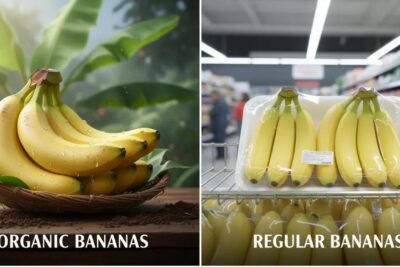
Conventional bananas may contain pesticide residues despite their thick peels providing natural protection. The Environmental Working Group typically ranks bananas among the “Clean Fifteen” foods with lower pesticide contamination. Nevertheless, pregnant women often prefer organic options to minimize exposure to synthetic chemicals.
Proper washing and handling become essential even with peeled fruits, as contamination can transfer from hands to mouth during eating. Additionally, bananas stored in unsanitary conditions may harbor harmful bacteria like Salmonella or E. coli, posing risks to both mother and developing baby. Choosing reputable sources and proper storage practices help minimize these food safety concerns.
Important Note
Trimester-Specific Considerations for Banana Consumption
Each pregnancy trimester brings unique physiological changes that affect how women tolerate and process bananas. Understanding these stage-specific considerations helps expectant mothers make informed dietary decisions throughout their pregnancy journey.
First Trimester: Morning Sickness and Digestive Sensitivity
The first trimester often presents the greatest challenges for banana consumption due to heightened digestive sensitivity. Morning sickness affects approximately 70-80% of pregnant women during weeks 6-12, making many foods difficult to tolerate. Bananas’ natural sweetness and soft texture can sometimes trigger nausea or worsen existing stomach upset.
Hormonal fluctuations during early pregnancy alter taste preferences and digestive function significantly. Furthermore, the high fiber content in bananas may exacerbate bloating and gas production when digestive systems become more sensitive. Some women find that bananas cause acid reflux or heartburn, conditions that frequently emerge during the first trimester.
However, individual responses vary considerably during this period. While some women cannot tolerate bananas at all, others find them helpful for settling queasy stomachs. The key lies in listening to your body’s signals and adjusting consumption accordingly.
Second Trimester: Blood Sugar Management and Weight Gain
The second trimester typically brings improved appetite and reduced nausea, but introduces new considerations around blood sugar control. Bananas contain approximately 14 grams of natural sugars per medium fruit, which can cause rapid glucose spikes in some pregnant women. This becomes particularly concerning for those developing gestational diabetes or insulin resistance.
Weight gain recommendations during the second trimester range from 1-2 pounds per week for most women. Consequently, the caloric density of bananas (about 105 calories per medium fruit) requires careful consideration within daily meal planning. Excessive banana consumption can contribute to unwanted weight gain when combined with other high-calorie foods.
Additionally, cravings often intensify during this period, potentially leading to overconsumption of sweet foods like bananas. Monitoring portion sizes becomes essential for maintaining healthy blood sugar levels and appropriate weight gain throughout the second trimester.
Third Trimester: Potassium Balance and Swelling Concerns
The third trimester presents unique challenges related to potassium balance and fluid retention. While bananas provide beneficial potassium (about 422mg per medium fruit), excessive intake can disrupt electrolyte balance in some women. This becomes particularly relevant for those taking medications or supplements that affect potassium levels.
Swelling and edema commonly develop during late pregnancy, affecting approximately 75% of expectant mothers. Although potassium typically helps reduce fluid retention, some women find that banana consumption worsens bloating or contributes to digestive discomfort as the growing baby compresses internal organs.
Moreover, constipation frequently intensifies during the third trimester due to hormonal changes and physical pressure. While banana fiber can help some women, others find it contributes to digestive sluggishness when consumed in large quantities or without adequate water intake.
Individual Variation in Tolerance Across Pregnancy Stages
Pregnancy tolerance to bananas varies dramatically between individuals and even within the same woman across different pregnancies. Factors including pre-existing health conditions, genetic predisposition, and overall diet quality influence how each person responds to banana consumption throughout pregnancy stages.
Some women maintain excellent banana tolerance throughout all three trimesters, while others develop aversions or sensitivities that appear and disappear unpredictably. Hormonal fluctuations create this variability, making it impossible to predict individual responses based solely on trimester-specific guidelines.
Healthcare providers recommend tracking food reactions and symptoms throughout pregnancy to identify personal patterns. This individualized approach proves more effective than following generalized dietary restrictions, allowing women to make informed decisions based on their unique physiological responses to banana consumption.
Medical Conditions That May Require Banana Restriction
Certain medical conditions during pregnancy necessitate careful monitoring or complete avoidance of banana consumption. Healthcare providers evaluate individual risk factors to determine appropriate dietary modifications for expectant mothers facing these specific health challenges.
Gestational Diabetes and Blood Sugar Control
Gestational diabetes affects approximately 2-10% of pregnancies and requires strict carbohydrate management. Bananas contain natural sugars that can cause significant blood glucose spikes in women with impaired glucose tolerance.
A medium banana provides roughly 27 grams of carbohydrates, primarily from fructose and glucose. Women with gestational diabetes must carefully count these carbohydrates as part of their daily allowance to maintain stable blood sugar levels throughout pregnancy.
Additionally, the glycemic index of bananas ranges from 42-62 depending on ripeness, with overripe bananas causing faster glucose absorption. Endocrinologists often recommend avoiding bananas entirely or consuming only small portions under medical supervision for optimal diabetes management.
Kidney Disease and Potassium Regulation
Pregnant women with chronic kidney disease or acute kidney injury require strict potassium restrictions to prevent dangerous electrolyte imbalances. Bananas rank among the highest potassium-containing fruits, delivering approximately 422 milligrams per medium fruit.
Compromised kidney function reduces the body’s ability to excrete excess potassium effectively. Consequently, banana consumption can lead to hyperkalemia, a potentially life-threatening condition causing cardiac arrhythmias and muscle weakness.
Nephrologists typically prescribe potassium-restricted diets limiting daily intake to 2,000-3,000 milligrams. Since a single banana provides roughly 15-20% of this allowance, most kidney specialists recommend complete banana avoidance for pregnant patients with renal impairment.
Latex-Fruit Syndrome and Allergic Reactions
Latex-fruit syndrome creates cross-reactivity between latex proteins and certain fruits, including bananas. Pregnant women with latex allergies face increased risk of developing banana allergies due to shared protein structures.
Allergic reactions during pregnancy can trigger anaphylaxis, reducing oxygen delivery to the developing fetus. Symptoms include throat swelling, difficulty breathing, and severe skin reactions that require immediate medical intervention.
Furthermore, pregnancy hormones can intensify allergic responses, making previously mild reactions more severe. Healthcare providers recommend strict banana avoidance for women with known latex sensitivities to prevent potentially dangerous allergic episodes.
Hyperkalemia and Electrolyte Imbalances
Hyperkalemia occurs when blood potassium levels exceed 5.0 mEq/L, creating serious cardiac and neurological complications. Pregnant women taking certain medications or experiencing dehydration face elevated risk for this dangerous condition.
Medications including ACE inhibitors, potassium-sparing diuretics, and some antibiotics can impair potassium excretion. When combined with high-potassium foods like bananas, these medications may precipitate life-threatening electrolyte imbalances.
Moreover, severe morning sickness causing dehydration and electrolyte disturbances can predispose women to hyperkalemia. Medical professionals monitor electrolyte levels closely and may recommend banana restriction until normal kidney function and hydration status return.
Digestive Disorders and Fiber Sensitivity
Pregnant women with irritable bowel syndrome (IBS) or inflammatory bowel disease may experience worsened symptoms from banana consumption. The fruit’s fiber content and natural sugars can trigger digestive distress in sensitive individuals.
Bananas contain both soluble and insoluble fiber, totaling approximately 3.1 grams per medium fruit. While beneficial for most people, this fiber can exacerbate symptoms in women with small intestinal bacterial overgrowth (SIBO) or fructose malabsorption disorders.
Additionally, the oligosaccharides in bananas can ferment in the digestive tract, producing gas and bloating. Gastroenterologists often recommend eliminating bananas from elimination diets when treating pregnancy-related digestive disorders to identify trigger foods effectively.
Important Medical Consultation
Safe Banana Consumption Guidelines for Pregnant Women
Despite potential risks, most pregnant women can safely enjoy bananas when following proper consumption guidelines. Healthcare providers typically recommend one medium banana per day as a safe portion size for healthy pregnancies. This amount provides essential nutrients while minimizing risks associated with excessive potassium intake or blood sugar spikes.
However, women with gestational diabetes should limit banana consumption to half a medium banana every other day. Furthermore, those taking potassium-sparing medications or experiencing kidney complications require individualized guidance from their healthcare team regarding banana intake.
Optimal Timing and Preparation Methods
The timing of banana consumption significantly affects blood sugar response and digestive comfort. Eating bananas between meals or as part of balanced snacks prevents dramatic glucose fluctuations. Additionally, pairing bananas with protein sources like Greek yogurt or nut butter slows sugar absorption and promotes satiety.
Preparation methods also influence safety and nutritional value. Fresh, ripe bananas offer the best balance of nutrients and digestibility. Conversely, overripe bananas contain higher sugar concentrations that may trigger blood glucose spikes in sensitive women.
- Choose bananas with yellow peels and minimal brown spots
- Wash banana peels thoroughly before handling to remove pesticide residues
- Store bananas at room temperature to maintain optimal ripeness
- Avoid green bananas, which contain resistant starch that may cause digestive discomfort
Balanced Nutrition Combinations
Combining bananas with complementary foods enhances nutritional benefits while mitigating potential risks. Protein-rich foods slow carbohydrate absorption, preventing rapid blood sugar elevation. Moreover, healthy fats improve satiety and support fetal brain development when consumed alongside banana’s natural sugars.
Nutritionists recommend these pregnancy-safe banana combinations for optimal maternal and fetal health:
| Combination | Benefits | Best Timing |
|---|---|---|
| Banana + Greek yogurt | Protein balances blood sugar, provides calcium | Morning snack |
| Banana + almond butter | Healthy fats support brain development | Pre-workout fuel |
| Banana + oatmeal | Fiber promotes digestive health | Breakfast |
| Banana + cottage cheese | Complete protein supports muscle growth | Evening snack |
These combinations provide sustained energy while supporting healthy weight gain throughout pregnancy. Understanding banana’s complete macronutrient profile helps pregnant women make informed dietary choices that align with their specific nutritional needs.
When to Consult Healthcare Providers
Certain circumstances require immediate medical consultation regarding banana consumption during pregnancy. Women experiencing persistent nausea, unusual cravings, or digestive distress after eating bananas should discuss these symptoms with their healthcare team promptly.
Seek Medical Advice If You Experience:
Additionally, women with pre-existing medical conditions require personalized guidance. Diabetes, kidney disease, heart conditions, and digestive disorders all influence safe banana consumption levels during pregnancy. Healthcare providers assess individual risk factors and medication interactions to establish appropriate dietary recommendations.
Regular prenatal appointments provide opportunities to discuss dietary concerns and adjust nutrition plans as pregnancy progresses. Consequently, maintaining open communication with healthcare teams ensures both maternal health and optimal fetal development throughout all pregnancy stages.
Nutritional Alternatives to Bananas During Pregnancy
Pregnant women who need to avoid bananas can find excellent nutritional substitutes that provide similar benefits without potential risks. These alternatives offer essential nutrients while addressing specific pregnancy concerns like gestational diabetes, digestive sensitivity, and blood sugar management.
Potassium-Rich Alternatives with Lower Sugar Content
Avocados provide more potassium than bananas while containing significantly less natural sugar. One medium avocado delivers 975mg of potassium compared to a banana’s 422mg, making it ideal for women managing blood glucose levels during pregnancy.
Furthermore, spinach and Swiss chard offer substantial potassium content with minimal carbohydrates. These leafy greens support muscle function and blood pressure regulation without triggering blood sugar spikes that concern women with gestational diabetes.
| Food | Potassium (mg) | Sugar (g) | Pregnancy Benefits |
|---|---|---|---|
| Avocado (1 medium) | 975 | 1.3 | Healthy fats, folate |
| Banana (1 medium) | 422 | 14.4 | Quick energy |
| Spinach (1 cup cooked) | 839 | 0.8 | Iron, folate |
| Sweet potato (1 medium) | 542 | 7.4 | Beta-carotene, fiber |
Fiber Sources That Are Gentler on Sensitive Stomachs
Oatmeal provides soluble fiber that supports digestive health without causing the bloating some women experience with bananas. Additionally, oats contain beta-glucan, which helps stabilize blood sugar levels throughout pregnancy.
Pears offer gentle fiber that promotes regular bowel movements while being easier to digest than bananas for women with sensitive stomachs. Moreover, pears provide vitamin C and folate, essential nutrients for fetal development.
Chia seeds mixed into smoothies or yogurt deliver 10 grams of fiber per ounce while providing omega-3 fatty acids crucial for brain development. These tiny seeds expand in liquid, creating a satisfying texture without overwhelming sensitive digestive systems.
Fruits with Similar Nutritional Benefits
Oranges provide natural energy through fructose while delivering high levels of vitamin C and folate. Unlike bananas, oranges contain citrus bioflavonoids that enhance iron absorption, addressing common pregnancy anemia concerns.
Meanwhile, apples offer sustained energy release through their fiber content and natural sugars. Apples contain quercetin, an antioxidant that supports immune function during pregnancy when women’s immune systems naturally weaken.
- Berries – Lower glycemic index, high antioxidants
- Kiwi fruit – More vitamin C than oranges, digestive enzymes
- Cantaloupe – Beta-carotene, hydration support
- Grapes – Natural energy, resveratrol antioxidants
Balanced Meal Planning Without Bananas
Creating nutritionally complete meals without bananas requires strategic food combinations that provide sustained energy and essential nutrients. Greek yogurt paired with mixed berries delivers protein, probiotics, and antioxidants for morning energy without blood sugar spikes.
For afternoon snacks, almond butter spread on apple slices provides healthy fats, protein, and natural sweetness. This combination supports stable blood glucose levels while satisfying pregnancy cravings for sweet foods.
Evening meals benefit from incorporating quinoa with roasted vegetables and lean protein. Quinoa provides complete amino acids essential for fetal growth, while colorful vegetables supply diverse vitamins and minerals that support pregnancy health.
Supplement Considerations for Essential Nutrients
When avoiding bananas, pregnant women should discuss potassium supplementation with healthcare providers, especially if dietary intake falls below recommended levels. However, most women can meet potassium needs through varied whole food sources without requiring supplements.
Prenatal vitamins typically don’t contain significant potassium due to size constraints, making dietary sources crucial for meeting daily requirements. Consequently, focusing on potassium-rich vegetables and fruits ensures adequate intake without relying on bananas.
Important Note
Additionally, women avoiding bananas should monitor their vitamin B6 intake, as bananas provide significant amounts of this nutrient. Chickpeas, salmon, and fortified cereals serve as excellent alternative sources that support morning sickness relief and fetal brain development.
Frequently Asked Questions
Why shouldn’t you eat bananas when pregnant?
Most pregnant women can safely eat bananas. However, some should avoid or limit them if they have gestational diabetes, kidney disease, or hyperkalemia due to bananas’ natural sugar and potassium content. Individual health conditions determine whether restrictions are necessary, not pregnancy itself.
Should I avoid bananas during the first trimester?
Bananas are generally recommended during the first trimester because they help combat morning sickness with their bland flavor and potassium content. However, some women may experience individual food sensitivities that make bananas less tolerable during early pregnancy.
Are bananas safe during the second trimester?
The second trimester is typically when banana consumption is most comfortable for pregnant women. Morning sickness usually subsides, and the nutritional benefits of bananas—including folate, vitamin B6, and potassium—support healthy fetal development during this crucial growth period.
Why might I need to avoid bananas in the third trimester?
Third trimester concerns about bananas typically relate to swelling or blood sugar management. Women with gestational diabetes may need to monitor banana intake more carefully, while those experiencing significant edema might need to balance potassium intake with their healthcare provider’s guidance.
What are the side effects of eating bananas during pregnancy?
Potential side effects include blood sugar spikes in women with diabetes, digestive discomfort in those with sensitivities, and potassium overload in women with kidney problems. Most pregnant women experience no negative effects when consuming bananas in moderation.
Which fruit is not good for pregnancy?
Fruits to limit or avoid during pregnancy include unwashed fruits, unpasteurized fruit juices, and excessive amounts of high-mercury fruits. Some women should also avoid papaya and pineapple in large quantities during early pregnancy, though moderate consumption is generally safe.
What is the first thing a pregnant woman should eat in the morning?
A balanced breakfast with protein, complex carbohydrates, and healthy fats is ideal. Many pregnant women benefit from starting with whole grain toast, yogurt with fruit, or oatmeal with nuts. Bananas can be an excellent addition to morning meals for their potassium and vitamin B6 content.
Do bananas cause gestational diabetes?
Bananas do not cause gestational diabetes. However, women who already have gestational diabetes may need to monitor their banana intake because of the natural sugars. The moderate glycemic index and fiber content in bananas actually help regulate blood sugar in healthy individuals.
Can bananas help with morning sickness?
Yes, many healthcare providers recommend bananas for morning sickness relief. Their bland flavor, potassium content, and vitamin B6 help settle upset stomachs and replace nutrients lost through vomiting. The easy digestibility makes them an ideal choice for nauseous pregnant women.
How many bananas can I eat per day during pregnancy?
Most pregnant women can safely consume 1-2 bananas per day as part of a balanced diet. This provides beneficial nutrients without excessive sugar or potassium intake. Women with specific health conditions should consult their healthcare provider for personalized recommendations.
What medical conditions require avoiding bananas during pregnancy?
Medical conditions that may require banana restriction include:
- Gestational diabetes – due to natural sugar content
- Kidney disease – because of high potassium levels
- Hyperkalemia – excess potassium in blood
- Latex-fruit syndrome – cross-reactivity allergies
Are the warnings about bananas during pregnancy evidence-based?
Most warnings about avoiding bananas during pregnancy lack scientific evidence. The American College of Obstetricians and Gynecologists includes bananas among recommended fruits for pregnant women. Evidence-based research consistently supports banana consumption as part of a healthy pregnancy diet for most women.
Should I consult my doctor about eating bananas during pregnancy?
Consult your healthcare provider if you have pre-existing medical conditions, gestational diabetes, kidney problems, or experience unusual symptoms after eating bananas. For most healthy pregnant women, bananas are safe and beneficial without requiring medical consultation.
You May Also Like
Are Strawberry Banana Smoothies Healthy? Complete Guide 2026

Can I Give My Dog a Banana for Diarrhea? Safe Guide 2026