Gros Michel Banana Seeds: Why They Don’t Exist & How to Grow

If you’ve been searching for Gros Michel banana seeds online, you’ve likely encountered a confusing mix of listings, questionable sellers, and conflicting information. Here’s the truth that might surprise you: commercial Gros Michel bananas don’t produce viable seeds, and anyone selling “Gros Michel banana seeds” is either misinformed or deliberately misleading you. This legendary banana variety—once the dominant commercial banana before being nearly wiped out by disease in the 1950s—can only be propagated through vegetative methods, not seeds. Understanding why this is the case, and learning the actual methods for obtaining and growing Gros Michel bananas, is essential for anyone hoping to cultivate this historic variety in their garden or greenhouse.
What Is the Gros Michel Banana? (History & Why It Disappeared)
The Gros Michel banana, also known as “Big Mike,” was the world’s most popular commercial banana variety from the 1870s until the 1950s. This cultivar originated in Southeast Asia and was introduced to the Caribbean and Central America, where it became the foundation of the global banana export industry. The Gros Michel earned its reputation for good reason: it produced large, flavorful fruits with a creamy texture and a taste that many banana enthusiasts still consider superior to modern varieties.
What made Gros Michel particularly attractive to commercial growers wasn’t just its exceptional flavor. The variety had thick skin that resisted bruising during transport, a longer shelf life than many other cultivars, and plants that produced consistent, high-yielding bunches. These characteristics made it ideal for the long journey from tropical plantations to markets in North America and Europe during an era before modern refrigeration and rapid shipping.
The downfall of the Gros Michel came in the form of Panama disease (Tropical Race 1), a soil-borne fungal pathogen caused by Fusarium oxysporum f. sp. cubense. This devastating disease spread through banana plantations across Central America and the Caribbean throughout the early 20th century. Because all Gros Michel plants were genetically identical clones, the disease spread rapidly with no natural resistance in the population. By the 1950s, the fungus had rendered vast plantation areas unusable for Gros Michel cultivation, forcing the banana industry to switch to the Cavendish variety, which showed resistance to this particular strain of Panama disease.
While Gros Michel was functionally eliminated from commercial production in most regions, the variety didn’t go completely extinct. Small populations survived in home gardens, botanical collections, and isolated areas where Panama disease hadn’t reached. Today, Gros Michel bananas are still grown on a limited scale in parts of Southeast Asia, Africa, and by specialty growers and banana enthusiasts worldwide.
The Truth: Do Gros Michel Bananas Have Seeds?
This is where the confusion about Gros Michel banana seeds begins. To understand why you can’t grow Gros Michel from seeds, you need to understand banana reproduction and the difference between wild and cultivated bananas.
Wild banana species produce fruits filled with hard, large seeds that make the flesh nearly inedible. These seeds are the banana’s natural reproductive method. However, the bananas we eat today—including both Gros Michel and Cavendish varieties—are parthenocarpic cultivars, meaning they develop fruit without fertilization and produce no viable seeds. The tiny black specks you see in the center of a commercial banana are the remnants of what would be seeds in wild varieties, but they’re sterile and non-functional.
The Gros Michel banana is a triploid cultivar, possessing three sets of chromosomes instead of the normal two. This genetic configuration, which arose through natural mutations and selective breeding over thousands of years, makes the plant sterile. While triploid bananas occasionally produce seeds, these are extremely rare, typically non-viable, and when they do germinate, they don’t produce plants true to the parent variety.
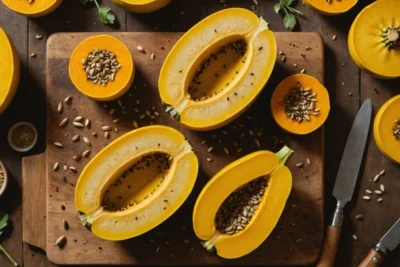
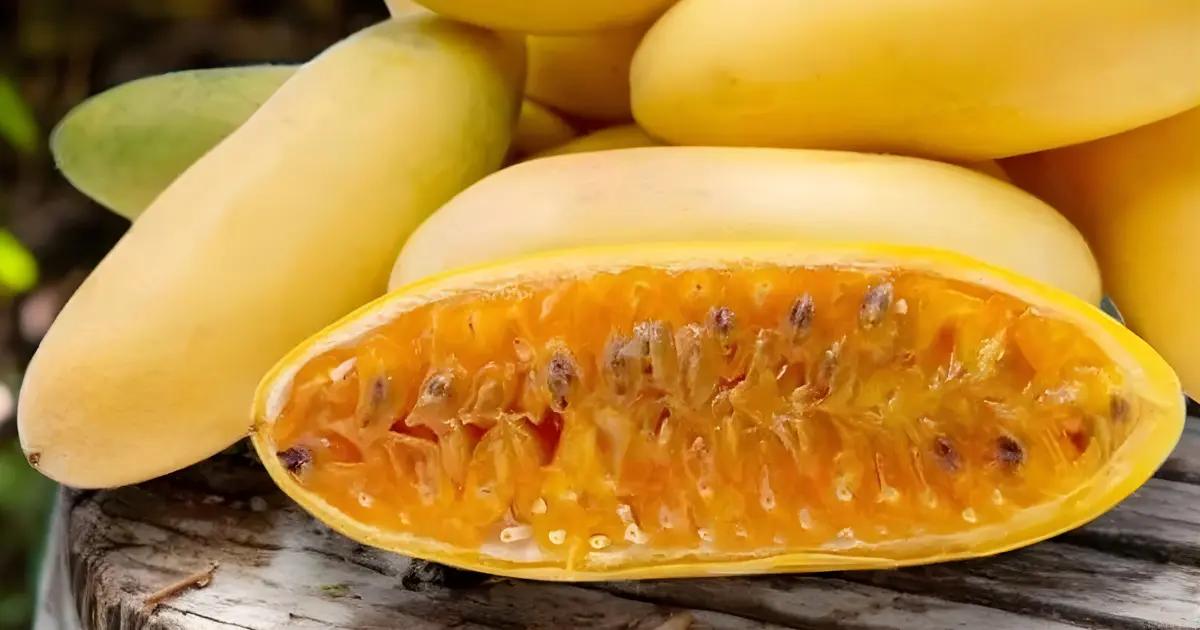
When you slice open a Gros Michel banana, you’ll see those familiar tiny black dots arranged in a pattern through the center. These are ovules that never developed into seeds because no fertilization occurred. The fruit develops through a process called parthenocarpy, triggered by hormonal signals rather than pollination. This seedlessness is actually why we find these bananas palatable—imagine trying to eat a banana filled with hard seeds the size of small peas.
Why You Can’t Buy Gros Michel Banana Seeds Online
Despite the biological impossibility, a quick search for “gros michel banana seeds for sale” or “gros michel banana seeds amazon” will return numerous results. This creates a frustrating situation for gardeners who don’t understand banana biology. Let’s examine why these listings exist and what they actually represent.
First, some sellers are simply uninformed. They may be reselling products without understanding that commercial bananas don’t produce seeds, perpetuating misinformation across multiple platforms. These sellers might genuinely believe they’re offering authentic Gros Michel seeds, having acquired them from questionable sources themselves.
Second, some listings are outright scams. Unscrupulous sellers capitalize on the Gros Michel variety’s legendary status and people’s desire to grow this “forbidden fruit.” They may send you seeds from ornamental banana species, wild seeded banana varieties, or even seeds from completely unrelated plants. Since banana plants take 9-18 months to fruit, by the time you discover the deception, it’s far too late to dispute the purchase.
Third, some sellers may offer seeds from wild or semi-wild banana species and label them misleadingly. While these might technically be banana seeds, they won’t produce Gros Michel bananas. Wild banana fruits are largely inedible due to their large, hard seeds, and the resulting plants bear no resemblance to the creamy, sweet Gros Michel you’re hoping to grow.
The confusion is compounded by the fact that some banana species can be grown from seeds—just not the edible cultivars we know and love. Ornamental banana varieties like Musa velutina or Ensete ventricosum do produce viable seeds, and these are legitimately sold online. However, these species produce small, seedy, or even inedible fruits that are nothing like a Gros Michel banana.
If you’re searching for “gros michel banana seeds near me” or “gros michel banana seeds usa,” you’re looking for something that simply doesn’t exist in any legitimate form. Save your money and redirect your search toward actual Gros Michel banana plants or suckers, which is how this variety must be propagated.
How Gros Michel Bananas Are Actually Propagated
Since Gros Michel banana seeds don’t exist, how do these plants reproduce and spread? The answer lies in vegetative propagation, the same method used for thousands of years to maintain banana cultivars.
Banana plants aren’t actually trees—they’re giant herbaceous perennials. What looks like a trunk is actually a pseudostem made of tightly wrapped leaf sheaths. The true stem is underground, called a rhizome or corm. This underground structure is the key to banana propagation.
The primary propagation method is through suckers (also called pups or offsets). As a banana plant matures, it produces lateral shoots from the underground corm. These suckers emerge from the soil around the base of the parent plant, developing their own root systems while still attached to the mother plant. There are two main types of suckers:
- Sword suckers: These have narrow, sword-shaped leaves and are the preferred type for propagation. They have a well-developed root system and establish quickly when separated.
- Water suckers: These have broad leaves and are less desirable because they have weaker root systems and take longer to establish.
To propagate Gros Michel bananas, growers wait until suckers reach 2-3 feet in height (typically with at least 3-4 leaves), then carefully separate them from the parent plant using a sharp, sterilized tool. The sucker is cut away with a portion of the corm and roots attached. This division is best done during the growing season when the plant can recover quickly.
Another propagation method is corm division. When a mature banana plant is removed after fruiting, the remaining corm can be cut into sections, each containing at least one growing point (eye). These sections are treated with fungicide and planted to produce new plants. This method is less common for home growers but is used in commercial settings to maximize plant material from valuable cultivars.
Tissue culture represents the most advanced propagation method. Laboratory technicians take tiny pieces of plant tissue from a Gros Michel plant and culture them in sterile conditions with growth hormones. This produces numerous genetically identical plantlets that can be grown out and distributed. Tissue culture is how many commercial suppliers produce disease-free Gros Michel plants in quantity, though the initial setup requires specialized equipment and expertise.
The vegetative propagation of Gros Michel has an important implication: every Gros Michel banana plant in existence is a genetic clone of its ancestors, potentially going back hundreds or even thousands of years. This genetic uniformity is what made the variety so vulnerable to Panama disease, but it’s also what preserves the exact characteristics that made Gros Michel famous.
Where to Buy Gros Michel Banana Plants (Real Sources)
Now that you understand why searching for “gros michel banana seeds” is futile, let’s focus on where you can actually obtain authentic Gros Michel banana plants. Finding legitimate sources requires some research, but several reliable options exist.
Specialty nurseries are your best bet for authentic Gros Michel plants. Several nurseries in the United States and internationally specialize in tropical fruit trees and rare banana cultivars. These include Going Bananas Nursery in Florida, Stokes Tropicals in Louisiana, and Plant Delights Nursery in North Carolina. When searching for “gros michel banana plant for sale,” prioritize nurseries with established reputations, detailed plant descriptions, and customer reviews.
Online marketplaces can be hit-or-miss. While platforms like eBay occasionally have legitimate sellers offering Gros Michel suckers or tissue-cultured plants, they also host numerous questionable listings. If you’re searching “gros michel banana buy online,” verify the seller’s credentials, read reviews carefully, and look for sellers who can provide photos of the actual parent plants and detailed growing information. Be extremely skeptical of any listing mentioning seeds.
Botanical gardens and plant societies sometimes offer plant sales or can connect you with reputable growers. The International Banana Society and regional rare fruit grower associations often have members who propagate and share Gros Michel plants. Attending rare fruit grower meetings or tropical plant sales can connect you with knowledgeable enthusiasts who can provide authentic plants and growing advice.
For those searching “gros michel banana near me,” local tropical plant nurseries in warmer climates (USDA zones 9-11) may carry Gros Michel or can special order it. Even if they don’t stock it regularly, they often have connections to wholesale growers who can source the variety. Building a relationship with a local nursery provides the added benefit of getting plants already acclimated to your regional conditions.
When evaluating potential sources, ask specific questions: How do they propagate their plants? Can they confirm the variety through leaf characteristics or other identifying features? Do they guarantee varietal authenticity? Reputable sellers will welcome these questions and provide detailed answers. They should be able to describe the plant’s characteristics, including the distinctive features that separate Gros Michel from other cultivars.
Expect to pay more for authentic Gros Michel plants than for common Cavendish varieties. Prices typically range from $25 to $75 for a small sucker or tissue-cultured plant, and up to $150 or more for larger, more established specimens. While this might seem expensive, remember that you’re acquiring a piece of agricultural history and a plant that can produce suckers for years to come.
Be particularly cautious about listings on Amazon when searching “gros michel banana amazon.” The platform’s lack of specialized oversight for live plants means that many sellers list banana plants with incorrect or misleading variety names. Cross-reference any Amazon seller with independent reviews and, if possible, purchase from sellers who specialize exclusively in tropical plants.
Growing Gros Michel Bananas: Care Requirements & Tips
Once you’ve obtained an authentic Gros Michel banana plant, proper care is essential for success. While Gros Michel isn’t dramatically different from other banana varieties in its basic requirements, understanding its specific needs will help you achieve the best results.
Climate and hardiness: Gros Michel bananas thrive in USDA zones 9-11, requiring warm temperatures year-round for optimal growth. The plants can tolerate brief dips to 50°F (10°C), but growth slows significantly below 60°F (15.5°C). Frost will kill the pseudostem, though the underground corm may survive and resprout in zone 9 with heavy mulching. For consistent fruit production, nighttime temperatures should remain above 60°F and daytime temperatures between 78-86°F (25.5-30°C).
In cooler climates, Gros Michel can be grown in large containers and moved indoors during winter, or cultivated in heated greenhouses. The gros michel banana tree height typically ranges from 15-25 feet at maturity, though container-grown specimens usually stay smaller due to root restriction. Plan for adequate vertical space, especially in greenhouse settings.
Soil requirements: Gros Michel bananas demand rich, well-draining soil with high organic matter content. A pH between 5.5 and 7.0 is ideal, with 6.0-6.5 being optimal. The plants are heavy feeders, requiring soil that can retain moisture while draining excess water quickly. Amend planting areas with generous amounts of compost, aged manure, and organic matter. In containers, use a high-quality potting mix amended with additional perlite or coconut coir for drainage.
Watering needs: These plants require consistent moisture, especially during active growth and fruit development. Water deeply 2-3 times per week during warm weather, adjusting based on rainfall and soil drainage. The soil should remain consistently moist but never waterlogged, as banana corms are susceptible to rot in saturated conditions. Mulching heavily around the plant helps retain moisture and regulate soil temperature.
Fertilization: Gros Michel bananas are among the heaviest feeders in the plant kingdom. Apply a balanced fertilizer (such as 8-10-8 or 10-10-10) monthly during the growing season, or use a slow-release formulation every 2-3 months. Supplement with additional potassium as the plant approaches flowering, as this nutrient is crucial for fruit development. Organic options include regular applications of compost, aged manure, and banana-specific organic fertilizers. Watch for yellowing leaves, which often indicate nitrogen deficiency.
Sunlight: Full sun is essential for optimal growth and fruiting, though plants can tolerate partial shade. Aim for at least 6-8 hours of direct sunlight daily. In extremely hot climates (above 95°F/35°C regularly), some afternoon shade can prevent leaf scorching.
Sucker management: As your Gros Michel plant matures, it will produce multiple suckers. For the best fruit production, maintain 3-4 pseudostems per clump at different stages of maturity: one fruiting, one half-grown, and one or two small suckers. Remove excess suckers regularly to prevent overcrowding and direct the plant’s energy toward fruit production. The removed suckers can be used to start new plants or shared with other growers.
Time to fruiting: When learning how to grow Gros Michel bananas, patience is essential. Plants typically require 9-18 months from planting to produce their first fruit bunch, depending on growing conditions and the size of the initial plant. Subsequent fruiting cycles from established clumps occur more quickly. The gros michel banana season varies by location, but in tropical climates, plants can fruit year-round with staggered plantings.
Pest and disease management: While Gros Michel’s susceptibility to Panama disease (Tropical Race 1) is well-documented, home growers in areas without this pathogen in the soil can successfully cultivate the variety. Practice good sanitation by sterilizing tools between plants, avoid moving soil from infected areas, and purchase only certified disease-free plants. Other common issues include banana aphids, spider mites, and nematodes. Regular inspection and prompt treatment with organic or conventional controls prevents serious infestations.
Gros Michel vs Cavendish: What’s the Difference?
Understanding the Gros Michel vs Cavendish comparison helps explain why so many people seek out the former despite its commercial obsolescence. While both are seedless, triploid banana cultivars, they differ in several important characteristics.
Flavor profile: This is where Gros Michel truly distinguishes itself. Those who remember the pre-1960s banana era consistently describe Gros Michel as having a richer, more complex flavor with pronounced sweetness and a distinctive aroma. The taste is often described as “creamier” and more intensely banana-flavored than Cavendish. Many people note that artificial banana flavoring (isoamyl acetate) tastes more like Gros Michel than modern Cavendish bananas, as the flavoring was developed when Gros Michel dominated the market.
Cavendish bananas, while perfectly acceptable, have a milder, less complex flavor profile. They’re sweet and pleasant but lack the depth that made Gros Michel legendary. This difference is partly why older generations often claim that “bananas don’t taste like they used to”—because they literally don’t.
Physical characteristics: Gros Michel bananas are typically larger than Cavendish, with thicker, more robust skin that resists bruising. The fruits have a rounder, plumper appearance compared to the more angular Cavendish. Gros Michel skin is also slightly thicker, which contributed to its superior shipping qualities in the pre-refrigeration era.
The plants themselves show distinct differences. Gros Michel pseudostems tend to be taller (15-25 feet versus Cavendish’s 12-20 feet) and more robust. The leaves are broader and the overall plant has a more substantial appearance. The fruit bunches of Gros Michel are often larger and more impressive, though this varies based on growing conditions.
Disease resistance: This is the critical difference that changed banana history. Cavendish varieties show resistance to Panama disease Tropical Race 1, the pathogen that devastated Gros Michel plantations. However, it’s important to note that Cavendish is now threatened by Tropical Race 4 (TR4), a new strain of the same fungus. Gros Michel shows some resistance to TR4 in certain trials, leading to renewed interest in the variety for potential commercial comeback in specific regions.
Growing characteristics: Gros Michel is generally considered slightly more cold-sensitive than Cavendish and may require more consistent warmth for optimal production. However, many home growers find Gros Michel equally vigorous and productive when provided with proper care. The variety is also noted for producing more suckers, which is advantageous for propagation but requires more diligent sucker management.
Availability: This is perhaps the most practical difference for home growers. Cavendish plants are widely available at garden centers, big-box stores, and online retailers. Finding authentic Gros Michel requires more effort, research, and often higher costs. However, for those seeking the authentic “old-fashioned” banana experience, the extra effort is worthwhile.
Common Myths About Gros Michel Banana Seeds Debunked
The persistence of searches for Gros Michel banana seeds has spawned numerous myths and misconceptions. Let’s address the most common ones to help you separate fact from fiction.
Myth 1: “Gros Michel seeds are rare but available from specialty collectors.” This is false. While rare banana species seeds do exist and are collected by specialists, Gros Michel simply doesn’t produce viable seeds. Any “collector” claiming to have Gros Michel seeds is either confused about the variety they possess or deliberately misleading buyers. True banana collectors trade in suckers and tissue-cultured plants, not seeds of commercial cultivars.
Myth 2: “You can find seeds inside very ripe or overripe Gros Michel bananas.” No amount of ripening will cause a Gros Michel banana to produce seeds. The black specks in the center are sterile ovules that will never develop into functional seeds, regardless of the fruit’s maturity. This myth likely stems from confusion with wild banana species, which do contain large seeds that become more prominent as the fruit ripens.
Myth 3: “Gros Michel is extinct, so any plants or seeds available are fake.” While Gros Michel was eliminated from large-scale commercial production, the variety never went extinct. It survives in botanical collections, home gardens, and small-scale cultivation in regions without Panama disease. Authentic plants are available, though seeds are not. The variety’s survival is actually a testament to the dedication of banana enthusiasts and small-scale growers worldwide.
Myth 4: “All banana seeds sold online are scams.” This isn’t entirely true. Seeds from ornamental and wild banana species are legitimately available and can be grown successfully. The scam occurs when sellers misrepresent these seeds as being from edible cultivars like Gros Michel or Cavendish. If you want to grow bananas from seeds as an interesting botanical project, look for clearly labeled wild species like Musa balbisiana or ornamental varieties like Musa velutina, but understand these won’t produce the edible bananas you’re envisioning.
Myth 5: “Gros Michel tastes exactly like artificial banana flavor because it’s been genetically modified.” The relationship is actually reversed. Artificial banana flavoring was developed when Gros Michel was the dominant variety, so the flavoring mimics Gros Michel’s natural taste compounds. Gros Michel hasn’t been genetically modified in the modern sense—it’s a naturally occurring cultivar that arose through traditional selection over thousands of years. The triploid genetics that make it seedless occurred through natural mutation, not laboratory manipulation.
Myth 6: “Growing Gros Michel is illegal because of disease concerns.” In most regions, growing Gros Michel is perfectly legal for home gardeners. Some countries or states have quarantine restrictions on moving banana plants between regions to prevent disease spread, but these apply to all banana varieties, not specifically to Gros Michel. Always check local regulations and purchase from reputable sources that follow proper disease-free certification protocols.
Myth 7: “Gros Michel plants from tissue culture aren’t authentic.” Tissue culture is actually one of the most reliable ways to obtain authentic, disease-free Gros Michel plants. Because the process uses cells from verified parent plants and produces exact genetic clones, tissue-cultured plants are often more reliably authentic than suckers from unknown sources. Reputable tissue culture laboratories maintain strict protocols to ensure varietal accuracy.
The bottom line is simple: if you want to grow Gros Michel bananas, focus your search on plants, not seeds. Look for “gros michel banana plant for sale” rather than “gros michel banana seeds for sale,” and you’ll find legitimate sources that can help you cultivate this legendary variety. With proper care and patience, you can enjoy the same bananas that delighted previous generations—no mythical seeds required.
The enduring fascination with Gros Michel bananas speaks to our connection with food history and the desire to experience flavors from the past. While you can’t grow this variety from seeds, the availability of authentic plants means that this piece of agricultural heritage remains accessible to dedicated home growers. By understanding the truth about banana propagation and seeking out reputable sources, you can successfully cultivate Gros Michel bananas and taste a piece of history in your own backyard or greenhouse.
Frequently Asked Questions
Can you grow Gros Michel bananas from seeds?
No, you cannot grow commercial Gros Michel bananas from seeds because this variety is sterile and doesn’t produce viable seeds. Like most modern banana cultivars, Gros Michel bananas are propagated vegetatively through suckers or tissue culture, not through gros michel banana seeds. Any online listings claiming to sell authentic gros michel banana seeds are either selling seeds from wild seeded banana species or are fraudulent.
Can you still grow Gros Michel bananas today?
Yes, you can still grow Gros Michel bananas, but you’ll need to obtain them through banana suckers (pups) or tissue-cultured plants from reputable nurseries. While the variety was nearly eliminated from commercial production due to Panama disease in the 1950s, it still exists in home gardens, botanical collections, and small-scale farms in areas without the fungal pathogen. The key is finding a legitimate supplier who offers actual Gros Michel plants, not seeds.
Where can I buy a Gros Michel banana plant?
You can purchase authentic Gros Michel banana plants from specialized tropical plant nurseries, banana collectors, or tissue culture laboratories that maintain this variety. Reputable sources include Going Bananas Nursery, Tropical Plant International, and select botanical gardens that occasionally offer divisions. Always verify the seller’s credibility and ask for documentation or photos of mature plants, as many sellers incorrectly label other banana varieties as Gros Michel.
Why don’t commercial bananas like Gros Michel have seeds?
Commercial bananas including Gros Michel are triploid varieties, meaning they have three sets of chromosomes instead of the normal two, which makes them sterile and seedless. This genetic condition developed through selective breeding over thousands of years, as humans preferred bananas without the hard, large seeds found in wild varieties. The tiny black specks you see in the center of a banana are undeveloped seed remnants that will never germinate.
How are Gros Michel bananas propagated if not by seeds?
Gros Michel bananas are propagated vegetatively through three main methods: division of suckers (pups that grow from the mother plant’s rhizome), rhizome cuttings, or modern tissue culture techniques in laboratories. The sucker method is most common for home growers, where you separate a pup with its own root system from an established plant. Tissue culture allows commercial operations to produce thousands of genetically identical plants in sterile conditions.
Are Gros Michel bananas still available to eat?
Yes, Gros Michel bananas are still available in limited quantities, primarily in regions where Panama disease (Fusarium wilt Race 1) hasn’t devastated the soil. You can find them in parts of Southeast Asia, some Caribbean islands, Central America, and at specialty markets or farmers markets in areas where they’re grown locally. They’re no longer commercially exported on a large scale like they were before the 1950s, making them a rare treat for most consumers.
How long does it take for a Gros Michel banana plant to produce fruit?
A Gros Michel banana plant typically takes 9 to 12 months to produce its first bunch of fruit after planting, depending on growing conditions. The plant requires warm temperatures (78-86°F ideal), consistent moisture, rich soil, and protection from strong winds. After the main stem produces fruit and dies back, the suckers will continue the cycle, with subsequent harvests occurring more quickly as the plant colony matures.
Why are sellers advertising gros michel banana seeds if they don’t exist?
Sellers advertise gros michel banana seeds either due to ignorance about banana biology or as a deliberate scam to capitalize on the variety’s legendary reputation. Some may be selling seeds from wild, seeded banana species and mislabeling them, while others simply dropship random seeds with no verification. The popularity of Gros Michel’s story and people’s desire to grow this “extinct” commercial variety creates a market that unscrupulous sellers exploit.
Can I grow Gros Michel bananas indoors or in cold climates?
You can grow Gros Michel bananas in containers indoors or in greenhouses in cold climates, though fruiting is challenging without ideal conditions. The plants need at least 12 hours of bright light daily, high humidity (50-60%), and consistent warmth year-round. Most indoor growers in cold climates keep Gros Michel as ornamental plants or move containers outdoors during summer, as achieving the space, light, and warmth needed for fruit production indoors is difficult.
You May Also Like
How to Ripen Bananas for Banana Bread: Fast & Natural Methods
Benefits of Banana Bread: Is It Healthy or Just Dessert?