Banana Bread in a Bundt Pan: Yes, Here’s Exactly How

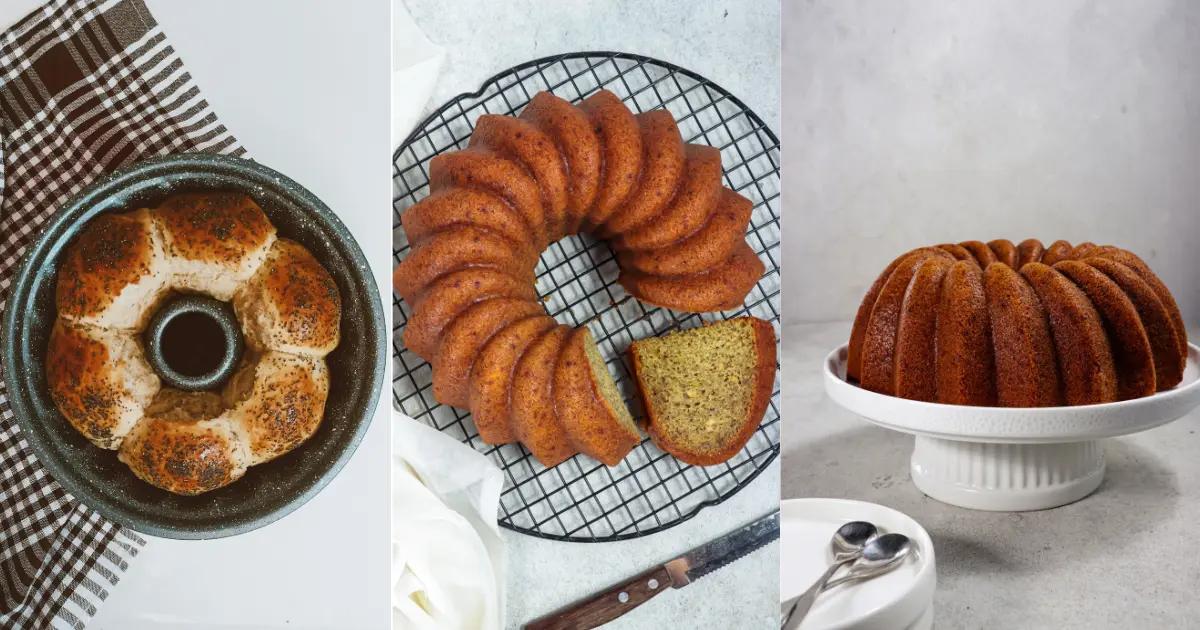
Yes, you can absolutely make banana bread in a bundt pan, and it’s easier than you might think. This baking method transforms your traditional banana bread into an elegant, beautifully shaped cake that’s perfect for special occasions or when you simply want to elevate your everyday baking. The bundt pan’s distinctive ridged design not only creates an impressive presentation but also helps the bread bake more evenly by allowing heat to circulate through the center tube. Whether you’re using a bundt pan because it’s what you have on hand or you’re deliberately seeking that decorative shape, this comprehensive guide will walk you through everything you need to know to achieve perfect results every single time.
Yes, You Can Make Banana Bread in a Bundt Pan
The short answer is a resounding yes—banana bread in bundt pan works beautifully. In fact, many bakers prefer this method once they discover how well it performs. The bundt pan’s unique design, with its hollow center tube, actually offers several advantages over traditional loaf pans. The center tube acts as a heat conductor, allowing the batter to bake from the inside out as well as from the outside in, which results in more even baking and reduces the risk of having an undercooked center while the edges become overdone.
Traditional banana bread recipes can be adapted seamlessly for bundt pans without requiring major formula changes. The key differences lie primarily in baking time, pan preparation, and cooling techniques. Most standard banana bread recipes that yield one 9×5-inch loaf will fit perfectly into a standard 10 to 12-cup bundt pan. The batter volume is appropriate, and the finished product will have that signature dense, moist texture you expect from banana bread, just in a more elegant form.
One important consideration is that bundt pans come in various sizes and designs, from simple classic shapes to intricate decorative patterns. While any bundt pan can work for banana bread, those with more complex designs require extra attention to greasing and flouring to ensure clean release. The standard 10-cup bundt pan is the most versatile choice and works with virtually any banana bread recipe without modifications to ingredient quantities.
Why Use a Bundt Pan for Banana Bread?
Choosing to make banana bread bundt cake offers several compelling advantages beyond just aesthetics. The visual appeal is undeniable—the distinctive ridged shape and elegant curves transform humble banana bread into something that looks bakery-worthy. This presentation makes it ideal for brunches, potlucks, holiday gatherings, or any occasion where you want your baking to make a statement. Simply dust with powdered sugar or drizzle with glaze, and you have a dessert that looks like you spent hours on it.
From a practical baking perspective, the bundt pan’s design promotes superior heat distribution. The center tube allows heat to penetrate the middle of the batter, which is typically the last area to cook in a traditional loaf pan. This means you’re less likely to encounter that frustrating scenario where the edges are perfectly done but the center is still gummy. The result is a more uniformly baked product with consistent texture throughout.
The increased surface area of a bundt pan also creates more of that desirable golden-brown crust that adds textural contrast to the soft interior. If you enjoy the slightly crispy edges of banana bread, you’ll appreciate that a bundt pan provides more of this coveted texture. Additionally, the shape allows for easier slicing into uniform portions—each slice naturally includes both the attractive outer edge and the tender interior.
Another practical reason to use a bundt pan is portion control and serving convenience. The ring shape makes it easy to create consistent slices, and the presentation encourages people to take just one piece rather than cutting irregular chunks. This makes it particularly suitable for gatherings where you want to stretch your banana bread to serve more people while maintaining an elegant presentation.
How to Adapt Your Banana Bread Recipe for a Bundt Pan
Adapting your favorite banana bread recipe for a bundt pan requires minimal adjustments, but understanding these modifications ensures success. The most significant change involves baking time and temperature, which we’ll cover in detail in a dedicated section. However, there are a few recipe considerations worth noting upfront that can optimize your results when making bundt pan banana bread.
First, consider the moisture content of your recipe. Bundt pans, with their increased surface area, can sometimes lead to slightly drier results if you’re not careful. If your recipe is on the drier side, consider adding an extra tablespoon or two of sour cream, Greek yogurt, or oil to ensure the finished product maintains that signature moist texture. Recipes that already include ingredients like sour cream, buttermilk, or extra oil tend to perform exceptionally well in bundt pans without any modifications.
The banana quantity in your recipe matters significantly. For a standard bundt pan, you’ll want a recipe that uses at least three to four medium-sized ripe bananas. This ensures adequate moisture and flavor throughout the larger cake. If you’re working with frozen bananas, make sure to thaw them completely and drain any excess liquid before mashing, as frozen bananas tend to release more moisture than fresh ones.
Leavening agents may need slight adjustment depending on your recipe. Bundt cakes benefit from a good rise to fill out the pan’s shape properly. If your banana bread recipe is particularly dense and uses minimal baking soda or baking powder, consider increasing the leavening by about 25% to achieve better lift and a lighter crumb structure. However, don’t overdo it—too much leavening can cause the bread to rise too quickly and then collapse.
Mix-ins and additions should be distributed thoughtfully. Nuts, chocolate chips, or dried fruit should be folded in gently and evenly throughout the batter. Because bundt pans bake from multiple directions, you want these additions distributed uniformly to ensure every slice has a good balance of flavors and textures. Avoid overloading the batter with mix-ins, as this can interfere with proper rising and create structural issues.
Step-by-Step Instructions: Banana Bread in a Bundt Pan
Creating perfect banana bread in bundt pan follows a straightforward process, but attention to detail at each step makes the difference between good and exceptional results. This comprehensive walkthrough will guide you through the entire process from preparation to the final product.
Step 1: Prepare Your Bundt Pan
Pan preparation is absolutely critical for bundt pans and deserves special attention. Start by generously greasing every nook, cranny, and crevice of your bundt pan using softened butter, shortening, or a baking spray specifically designed for baking (one that contains flour). Use a pastry brush to reach into all the detailed areas of decorative pans. After greasing, dust the entire interior with flour, tapping out any excess. For extra insurance, especially with intricate pans, some bakers use a mixture of equal parts flour, oil, and shortening brushed into every detail—this virtually guarantees clean release.
Step 2: Preheat and Prepare Ingredients
Preheat your oven to 325°F (163°C). This temperature is slightly lower than what many traditional banana bread recipes call for, but it’s ideal for bundt pans as it allows the center to cook through without over-browning the exterior. While the oven preheats, bring your eggs and any dairy ingredients to room temperature, as this helps create a more uniform batter that bakes evenly.
Step 3: Mash Bananas Properly
Mash your ripe bananas thoroughly until mostly smooth with just a few small lumps remaining. For a standard bundt pan, you’ll need about 1½ to 2 cups of mashed banana (roughly 4-5 medium bananas). The bananas should be very ripe with plenty of brown spots, as this provides maximum sweetness and flavor. If your bananas aren’t quite ripe enough, you can speed up the process by baking them in their peels at 300°F for about 15 minutes.
Step 4: Mix Dry Ingredients
In a large bowl, whisk together your dry ingredients: all-purpose flour (typically 2 to 2½ cups), baking soda (1 to 1½ teaspoons), salt (½ teaspoon), and any spices like cinnamon or nutmeg. Whisking thoroughly ensures even distribution of leavening agents, which is crucial for uniform rising in a bundt pan.
Step 5: Cream Wet Ingredients
In a separate bowl, cream together softened butter (or oil) and sugar until light and fluffy. Add eggs one at a time, beating well after each addition. Mix in your mashed bananas and any additional wet ingredients like vanilla extract, sour cream, or yogurt. The mixture may look slightly curdled—this is normal and won’t affect the final product.
Step 6: Combine and Fold
Gently fold the dry ingredients into the wet ingredients using a spatula, mixing just until no flour streaks remain. Overmixing develops gluten and creates a tough, dense texture. If you’re adding nuts, chocolate chips, or other mix-ins, fold them in at this stage, reserving a small handful to sprinkle on top of the batter if desired.
Step 7: Fill the Pan
Pour the batter into your prepared bundt pan, spreading it evenly with a spatula. The pan should be about two-thirds to three-quarters full—no more, or the bread may overflow during baking. Tap the pan gently on the counter a few times to release any air bubbles trapped in the batter.
Step 8: Bake
Place the pan in the center of your preheated oven and bake without opening the door for at least the first 45 minutes. Opening the oven prematurely can cause the bread to sink in the middle. Total baking time will typically range from 50 to 65 minutes, depending on your specific pan and oven.
Baking Time and Temperature Adjustments
Understanding proper banana bread bundt pan baking time and temperature is essential for achieving perfectly cooked results. The bundt pan’s unique shape requires different timing than traditional loaf pans, and getting this right prevents the common problems of undercooked centers or overdone edges.
The ideal banana bread bundt pan temperature is 325°F (163°C), which is about 25 degrees lower than many standard banana bread recipes recommend. This lower temperature allows the thick batter to cook through completely without the exterior becoming too dark or crusty. Some recipes may call for 350°F, but 325°F provides more consistent results, especially for beginners or those using darker-colored bundt pans that absorb more heat.
Baking time for banana bread in bundt pan typically ranges from 50 to 65 minutes, compared to 55 to 70 minutes for a standard loaf pan. The shorter time is due to the bundt pan’s center tube, which conducts heat into the middle of the batter. However, several factors influence exact timing: your oven’s accuracy, the material and color of your bundt pan (dark pans bake faster than light-colored ones), the moisture content of your specific recipe, and even your altitude.
Start checking for doneness at the 50-minute mark. Insert a long wooden skewer or cake tester into the thickest part of the bread (usually about halfway between the center tube and the outer edge). The tester should come out with just a few moist crumbs attached—not wet batter, but not completely clean either. A few crumbs are actually ideal, as they indicate the bread is perfectly moist without being underbaked.
If the top of your banana bread is browning too quickly before the interior is done, tent it loosely with aluminum foil for the remaining baking time. This allows the inside to continue cooking while preventing the surface from burning. This is particularly important if you’re using a dark-colored bundt pan or if your oven runs hot.
Oven hot spots can affect baking time and evenness. If you know your oven has hot spots, rotate the bundt pan 180 degrees halfway through baking (after at least 35-40 minutes) to ensure even browning. However, avoid rotating too early, as this can cause the rising bread to sink.
Tips for Preventing Your Banana Bread from Sticking
The most common frustration when making bundt pan banana bread is having it stick to the pan, ruining that beautiful shape you worked so hard to achieve. Preventing sticking requires proper technique and the right preparation methods, but once you master these tips, you’ll have consistently clean releases every time.
The Grease-and-Flour Method
The traditional approach involves thoroughly greasing every surface of the bundt pan with softened butter or shortening, then dusting with flour. Use a pastry brush to apply the fat, making sure to get into every groove and detail. After greasing, add about 2 tablespoons of flour to the pan, then tilt and rotate it to coat all surfaces evenly. Tap out excess flour over the sink. This creates a barrier between the batter and the pan that facilitates easy release.
Baking Spray with Flour
Many experienced bakers swear by baking sprays that contain flour, such as Baker’s Joy or PAM for Baking. These products combine oil and flour in one convenient spray, ensuring even coverage. Spray generously, holding the can about 6 inches from the pan and making sure to reach all the intricate details. This method is particularly effective for ornate bundt pans with lots of crevices.
The Baker’s Goop Method
Professional bakers often use a homemade mixture called “baker’s goop” or “cake pan release.” Mix equal parts (by volume) of shortening, vegetable oil, and all-purpose flour into a paste. Store this in an airtight container at room temperature, and it will keep for months. Apply it to your bundt pan with a pastry brush before each use. This method provides superior non-stick properties and works exceptionally well for detailed pans.
Cooling Time is Critical
How long you let the banana bread cool before attempting to remove it from the pan significantly impacts sticking. Let the bread cool in the pan on a wire rack for exactly 10 to 15 minutes—no more, no less. If you try to remove it too soon, the bread is too fragile and may break apart. If you wait too long, the bread contracts as it cools and can actually grip the pan more tightly, making release difficult. The 10-15 minute window is the sweet spot when the bread has firmed up enough to hold its shape but hasn’t yet cooled enough to stick.
The Release Technique
After the proper cooling time, place a wire cooling rack or serving plate over the top of the bundt pan. Using oven mitts, hold both the pan and the rack/plate together firmly, then flip them over in one confident motion. Set them down and let gravity do the work. Gently lift the bundt pan straight up—the bread should release cleanly. If it doesn’t release immediately, let it sit inverted for another minute or two. You can also gently tap the bottom of the pan or run a thin knife around the edges to help loosen any stuck spots.
Pan Material Matters
The type of bundt pan you use affects sticking potential. Non-stick coated pans generally release more easily than uncoated aluminum pans, though they still require proper greasing. Silicone bundt pans offer the easiest release but may not create as crisp edges. Cast aluminum pans with intricate designs require the most careful preparation but produce the most beautiful results. Avoid using cooking sprays that aren’t specifically designed for baking, as they can create a sticky residue over time that actually makes sticking worse.
How to Tell When Bundt Pan Banana Bread is Done
Determining doneness for banana bread bundt cake requires multiple testing methods, as the unique shape can make it tricky to gauge when the center is fully cooked. Relying on just one indicator isn’t sufficient—use a combination of these techniques for the most reliable results.
The Toothpick Test
Insert a long wooden skewer, toothpick, or cake tester into the thickest part of the bread, which is typically about halfway between the center tube and the outer edge. Push it all the way to the bottom of the pan. When you pull it out, it should have a few moist crumbs clinging to it, but no wet, glossy batter. If you see wet batter, continue baking and check again in 5-minute intervals. Remember that a few crumbs are actually desirable—completely clean means you may have slightly overbaked it.
The Touch Test
Gently press the top of the banana bread with your fingertip. It should spring back when touched and feel firm rather than squishy or jiggly. If your finger leaves an indentation that doesn’t bounce back, the bread needs more time. The surface should also look set rather than wet or shiny, though some slight cracking on top is normal and doesn’t indicate a problem.
The Pull-Away Test
When fully baked, banana bread will begin to pull away slightly from the sides of the bundt pan. You’ll notice a small gap forming between the bread and the pan’s edge. This is a good visual indicator that the bread has finished baking and has started to contract slightly as it begins cooling.
Internal Temperature
For the most accurate assessment, use an instant-read thermometer inserted into the thickest part of the bread. The internal temperature should read between 200°F and 205°F (93°C to 96°C) when fully baked. This method removes all guesswork and is particularly helpful if you’re new to baking banana bread in bundt pans or if you’re using a new recipe for the first time.
The Sound Test
Some experienced bakers use an auditory cue: when you tap the top of the bundt pan gently, fully baked banana bread produces a hollow sound rather than a dull thud. While this method requires some experience to interpret correctly, it can be a useful supplementary indicator alongside the other tests.
If you’re uncertain and your tests are giving mixed signals, it’s better to bake for a few extra minutes than to underbake. Slightly overbaked banana bread may be a touch drier but is still perfectly edible, whereas underbaked banana bread will have a gummy, unpleasant texture that can’t be fixed. You can always add a glaze or frosting to add moisture to slightly dry banana bread, but there’s no remedy for an undercooked center.
Common Mistakes to Avoid
Even experienced bakers can encounter problems when making banana bread in bundt pan for the first time. Understanding these common pitfalls helps you avoid frustration and achieve perfect results from your first attempt.
Inadequate Pan Preparation
The number one mistake is insufficient greasing and flouring. Many bakers underestimate how thoroughly a bundt pan needs to be prepared, especially those with intricate designs. Every single crevice, groove, and detail must be coated with fat and flour. Missing even small spots can cause sticking. Don’t rush this step—take your time and be thorough. Using your fingers or a pastry brush to really work the grease into all the details makes a significant difference.
Using the Wrong Pan Size
Bundt pans come in various sizes, typically ranging from 6 cups to 15 cups. Using a pan that’s too small will cause overflow and mess, while a pan that’s too large will result in a flat, undercooked cake. Most standard banana bread recipes work best in a 10 to 12-cup bundt pan. Check your pan’s capacity by filling it with water and measuring—this ensures you’re using the right size for your recipe.
Overmixing the Batter
Stirring the batter too vigorously or for too long develops gluten, resulting in tough, dense banana bread with tunnels and a chewy texture. Once you add the dry ingredients to the wet ingredients, mix only until you no longer see flour streaks. The batter should still look slightly lumpy—this is perfectly fine and actually desirable. Use a folding motion with a spatula rather than beating with a mixer.
Baking at Too High a Temperature
Many bakers make the mistake of using the same temperature they would for a loaf pan (typically 350°F). This higher temperature causes the outside to cook too quickly while the center remains raw. The 325°F temperature is specifically calibrated for bundt pans and produces much more consistent results. Trust the lower temperature even if it seems counterintuitive.
Opening the Oven Door Too Early
Checking on your banana bread too frequently or opening the oven door during the first 45 minutes of baking can cause the bread to sink in the middle. The sudden temperature drop interferes with the rising process. Resist the temptation to peek—trust your timer and only open the door when it’s time to test for doneness.
Removing from Pan at the Wrong Time
Taking the bread out of the pan too soon causes it to break apart, while waiting too long causes it to stick. The 10-15 minute cooling window is crucial. Set a timer so you don’t forget, and flip the bread out during this optimal window. Many bakers make the mistake of letting it cool completely in the pan, which almost guarantees sticking problems.
Using Underripe Bananas
Bananas that aren’t ripe enough lack the sweetness and moisture that make banana bread delicious. Your bananas should be very ripe with plenty of brown spots or even completely brown. Underripe bananas will result in bland, less moist banana bread. If you’re in a hurry, you can ripen bananas quickly by baking them in their peels at 300°F for 15 minutes, though naturally ripened bananas provide the best flavor.
Skipping the Tap Test
After pouring batter into the bundt pan, failing to tap it on the counter to release air bubbles can result in large holes and uneven texture in the finished bread. Give the filled pan several firm taps on the counter to bring any trapped air to the surface and ensure even distribution of batter.
Best Banana Bread Recipe for Bundt Pans
This bundt pan banana bread recipe has been specifically optimized for bundt pans, incorporating all the techniques and adjustments discussed throughout this guide. It produces a moist, flavorful banana bread bundt cake with perfect texture and easy release every time.
Ingredients:
- 3 cups all-purpose flour
- 1½ teaspoons baking soda
- ½ teaspoon salt
- 1 teaspoon ground cinnamon
- ¼ teaspoon ground nutmeg
- 1 cup (2 sticks) unsalted butter, softened
- 1½ cups granulated sugar
- ½ cup light brown sugar, packed
- 4 large eggs, room temperature
- 2 cups mashed very ripe bananas (about 5 medium bananas)
- ½ cup sour cream or full-fat Greek yogurt
- 2 teaspoons pure vanilla extract
- 1 cup chopped walnuts or pecans (optional)
- 1 cup chocolate chips (optional)
Instructions:
Prepare your 10 to 12-cup bundt pan thoroughly using your preferred method (grease and flour, baking spray, or baker’s goop). Preheat your oven to 325°F and position a rack in the center of the oven. In a large bowl, whisk together the flour, baking soda, salt, cinnamon, and nutmeg until well combined.
In a separate large bowl or stand mixer, cream the softened butter with both sugars until light and fluffy, about 3-4 minutes. Add the eggs one at a time, beating well after each addition and scraping down the sides of the bowl as needed. The mixture may look slightly curdled—this is normal.
Mix in the mashed bananas, sour cream, and vanilla extract until just combined. The mixture will look somewhat lumpy and that’s perfectly fine. Add the dry ingredients to the wet ingredients in three additions, folding gently with a spatula after each addition. Mix only until no flour streaks remain—do not overmix. If using nuts or chocolate chips, fold them in gently at this stage.
Pour the batter into your prepared bundt pan, spreading it evenly with a spatula. Tap the pan firmly on the counter 3-4 times to release air bubbles. Bake for 55-65 minutes, or until a long skewer inserted into the thickest part comes out with just a few moist crumbs. If the top browns too quickly, tent loosely with foil.
Remove from the oven and let cool in the pan on a wire rack for exactly 12 minutes. Place a wire rack or serving plate over the top of the pan, then flip confidently. Let sit for a moment, then lift the bundt pan straight up. The bread should release cleanly. Allow to cool completely before glazing or serving.
Optional Glaze:
For a simple glaze, whisk together 1½ cups powdered sugar, 3 tablespoons milk or cream, and ½ teaspoon vanilla extract until smooth. Drizzle over the cooled banana bread. For a cream cheese glaze, beat together 4 ounces softened cream cheese, 1 cup powdered sugar, 2 tablespoons milk, and ½ teaspoon vanilla until smooth and pourable.
This recipe produces a moist banana bundt cake recipe that stays fresh for several days when stored properly. Keep it covered at room temperature for up to 3 days, or refrigerate for up to a week. You can also freeze individual slices wrapped tightly in plastic wrap and aluminum foil for up to 3 months.
The addition of sour cream creates an especially tender crumb and adds tanginess that balances the sweetness. If you prefer banana bread in bundt pan with oil instead of butter, substitute 1 cup of neutral oil (vegetable, canola, or light olive oil) for the butter. Oil-based versions tend to stay moist even longer than butter-based ones, though they have a slightly different flavor profile.
Serving and Storage Suggestions
Once you’ve successfully created your beautiful banana bread bundt cake, proper serving and storage ensure you can enjoy it at its best. The presentation possibilities are nearly endless, making this versatile enough for everything from casual family breakfasts to elegant dessert tables.
Serving Ideas:
The simplest presentation is often the most elegant—a light dusting of powdered sugar through a fine-mesh sieve creates a beautiful finish that highlights the bundt pan’s decorative shape. For more indulgent options, drizzle with vanilla glaze, chocolate ganache, or cream cheese frosting. You can also serve slices with a dollop of whipped cream, a scoop of vanilla ice cream, or a spread of cream cheese.
For brunch gatherings, slice the banana bread and arrange the pieces on a platter with fresh berries and a small bowl of softened butter or honey butter. The ring shape makes it easy to create an attractive circular arrangement. Some hosts like to place a small bowl of nuts, chocolate chips, or fresh banana slices in the center of the bundt ring for a decorative touch that also provides topping options.
Banana bread bundt cake also works wonderfully as a base for trifles or bread pudding. Cut it into cubes and layer with pudding, whipped cream, and fresh fruit for an impressive dessert that feeds a crowd. Toasted slices make excellent French toast or can be used to create decadent bread pudding.
Storage Guidelines:
Store your banana bread at room temperature, covered tightly with plastic wrap or in an airtight container, for up to 3 days. The high moisture content means it stays fresh longer than many other baked goods. If your kitchen is particularly warm or humid, refrigeration is better—just bring slices to room temperature or warm them slightly before serving, as refrigeration can make the texture slightly firmer.
For longer storage, banana bread freezes exceptionally well. Wrap the entire bundt cake or individual slices tightly in plastic wrap, then wrap again in aluminum foil or place in a freezer-safe bag. Properly wrapped banana bread maintains quality for up to 3 months in the freezer. Thaw overnight in the refrigerator or at room temperature for several hours. You can also reheat frozen slices directly in the microwave for 30-45 seconds for a warm, fresh-baked taste.
If you’re planning to gift your banana bread, wait until it’s completely cool before wrapping. Place it on a decorative cake stand or plate, wrap the entire thing in clear cellophane, and tie with a ribbon. Include a note with storage instructions and the suggestion to consume within 3 days for best quality. This makes a thoughtful homemade gift that’s sure to impress, especially considering how much a loaf of banana bread typically costs when purchased from bakeries.
Variations and Flavor Additions
Once you’ve mastered the basic banana bread in bundt pan technique, experimenting with variations keeps things interesting and allows you to customize the recipe to your preferences or dietary needs. The bundt pan format works beautifully with numerous flavor combinations and additions.
Chocolate Variations:
Transform your banana bread into a chocolate lover’s dream by adding ½ cup of cocoa powder to the dry ingredients (reduce flour by ½ cup to compensate). Fold in chocolate chips, chunks, or even swirl in Nutella for an extra decadent treat. A chocolate ganache glaze takes this variation over the top. You can also create a marbled effect by dividing the batter, adding cocoa to half, then alternating spoonfuls of each in the bundt pan and swirling with a knife.
Tropical Variations:
Enhance the banana flavor with tropical additions like shredded coconut (½ to 1 cup), crushed pineapple (well-drained), or macadamia nuts. A coconut cream glaze made with coconut milk and powdered sugar complements these additions perfectly. You can also add a teaspoon of coconut extract to the batter for more pronounced coconut flavor.
Spice Variations:
Create an old fashioned banana bundt cake by increasing the warm spices—try 1 teaspoon cinnamon, ½ teaspoon nutmeg, ¼ teaspoon allspice, and ¼ teaspoon ground ginger. This spice blend evokes nostalgic flavors and pairs wonderfully with a simple brown butter glaze. Some bakers also add a pinch of cardamom for a unique, sophisticated flavor profile.
Nut and Seed Options:
Beyond traditional walnuts, try pecans, almonds, hazelnuts, or even pistachios. Toast the nuts first for deeper flavor. For a nut-free version that still has crunch, fold in sunflower seeds or pepitas. You can also create a streusel topping by mixing chopped nuts with brown sugar, flour, and melted butter, then sprinkling it over the batter before baking.
Healthier Adaptations:
For a lighter version, substitute half the all-purpose flour with whole wheat flour or white whole wheat flour. Replace some or all of the butter with unsweetened applesauce or mashed avocado (though this changes the flavor slightly). Reduce sugar by up to one-third if your bananas are very ripe and sweet. Greek yogurt can replace sour cream for added protein and a tangier flavor.
Cake Mix Shortcut:
For an easy banana bread in bundt pan, you can use a yellow or vanilla cake mix as a base. Combine one box of cake mix with 3 mashed ripe bananas, 3 eggs, ⅓ cup oil, and ½ cup water or milk. Add 1 teaspoon cinnamon and fold in any desired mix-ins. This cake mix banana bread in bundt pan method produces reliable results in about half the prep time, though the texture will be slightly more cake-like than traditional banana bread.
Troubleshooting Common Problems
Even with careful attention to technique, issues can occasionally arise when making bundt pan banana bread. Understanding how to identify and fix these problems ensures better results in future batches.
Dense, Heavy Texture:
If your banana bread is excessively dense and heavy, the most likely culprit is overmixing the batter, which develops too much gluten. Mix only until ingredients are just combined. Another cause could be too much banana—stick to the recipe’s specified amount, as excess moisture weighs down the batter. Insufficient leavening or expired baking soda can also prevent proper rising. Always check expiration dates on leavening agents and test baking soda by adding a small amount to vinegar—it should fizz vigorously if still active.
Dry, Crumbly Texture:
Overbaking is the primary cause of dry banana bread. Check for doneness at the earliest time suggested and remember that a few moist crumbs on the tester are ideal. Using bananas that aren’t ripe enough also contributes to dryness, as underripe bananas lack the moisture and natural sugars of very ripe ones. Measuring flour incorrectly (packing it into the measuring cup rather than spooning and leveling) can result in too much flour, creating a dry texture. Consider adding an extra tablespoon of sour cream or oil to your recipe if you consistently get dry results.
Sunken Center:
A collapsed center usually indicates underbaking—the structure hasn’t set before the bread begins cooling and contracting. Ensure you’re baking long enough and testing properly for doneness. Opening the oven door too early in the baking process can also cause sinking, as the sudden temperature drop interferes with rising. Too much leavening can cause the bread to rise too quickly and then collapse, so measure baking soda carefully and don’t add extra “for good measure.”
Uneven Baking:
If parts of your banana bread are overcooked while others are undercooked, your oven may have hot spots or inaccurate temperature. Use an oven thermometer to verify actual temperature and consider rotating the pan halfway through baking (after 35-40 minutes). Dark-colored bundt pans absorb more heat and may cause over-browning on the bottom and sides—reduce oven temperature by 25°F if using dark pans. Filling the pan too full or unevenly can also cause uneven baking.
Sticking Issues:
If your banana bread sticks despite proper greasing, you may not be waiting the correct amount of time before unmolding (10-15 minutes is crucial). The type of fat used for greasing matters—butter can sometimes cause sticking, while shortening or baking spray with flour works more reliably. For persistent sticking problems, try the baker’s goop method described earlier. Make sure you’re greasing absolutely every detail of the pan, especially in decorative areas. Some bakers find that letting the pan cool slightly after greasing (so the fat solidifies a bit) before adding batter improves release.
Cracks on Top:
While some cracking on the surface is normal and doesn’t affect taste, excessive cracking usually results from oven temperature that’s too high. Reduce temperature to 325°F or even 315°F if cracking persists. Overmixing can also contribute to cracking, as can opening the oven door during baking. Some recipes are simply more prone to cracking due to their formulation—this is purely cosmetic and doesn’t indicate a problem with the bread itself.
Frequently Asked Questions
Can you use any banana bread recipe in a bundt pan?
Yes, virtually any banana bread recipe can be adapted for a bundt pan with minor adjustments to baking time and temperature. Recipes that yield one standard 9×5-inch loaf work perfectly in a 10 to 12-cup bundt pan. The key is reducing the temperature to 325°F and adjusting baking time to 50-65 minutes. Recipes with higher moisture content (those containing sour cream, yogurt, or extra oil) tend to perform especially well in bundt pans.
Do I need to adjust ingredient quantities for a bundt pan?
Generally, no ingredient adjustments are necessary if your recipe is designed for a standard loaf pan and you’re using a standard 10-12 cup bundt pan. The volume is approximately the same. However, if you’re using a smaller or larger bundt pan, you’ll need to scale the recipe accordingly. A 6-cup bundt pan requires about half the recipe, while a 15-cup pan needs about 1.5 times the recipe.
Can I make mini bundt cakes with banana bread batter?
Absolutely! Mini bundt pans work wonderfully for individual servings. Fill each cavity about two-thirds full and reduce baking time to 20-30 minutes at 325°F. Mini bundt cakes make excellent gifts and portion-controlled treats. Test for doneness the same way you would a full-size bundt—with a toothpick or cake tester.
Why did my banana bread sink in the middle?
A sunken center typically indicates underbaking—the structure hasn’t fully set before the bread begins cooling. Other causes include opening the oven door too early (which causes a temperature drop), too much leavening (causing rapid rise then collapse), or overmixing the batter. Ensure you’re baking until a tester comes out with just moist crumbs and avoid opening the oven for at least 45 minutes.
Can I add a filling to banana bread in a bundt pan?
Yes, you can create filled banana bread by pouring half the batter into the prepared pan, adding a layer of filling (cream cheese mixture, Nutella, jam, or streusel), then topping with remaining batter. Be careful not to overfill the pan, and note that filled versions may require slightly longer baking time. Swirl fillings gently with a knife for a marbled effect.
How do I prevent the bottom from getting too dark?
Dark bottoms usually result from dark-colored pans (which absorb more heat) or oven racks positioned too low. Use light-colored aluminum bundt pans when possible, or reduce oven temperature by 25°F if using dark pans. Position your oven rack in the center of the oven, not the bottom third. You can also place a baking sheet on the rack below the bundt pan to shield it from direct bottom heat.
Can I make banana bread in a bundt pan ahead of time?
Yes, banana bread actually improves in flavor after a day as the flavors meld and develop. Bake it up to 2 days ahead, let it cool completely, then wrap tightly and store at room temperature. For longer advance preparation, freeze the baked and cooled banana bread for up to 3 months. Thaw overnight before serving. Wait to add glazes or frostings until the day of serving for best appearance and texture.
What’s the best way to slice bundt pan banana bread?
Use a sharp serrated knife and a gentle sawing motion to slice through the bread without compressing it. Cut slices about ¾ to 1 inch thick for best presentation. Wipe the knife clean between slices for neat edges. If the bread is still slightly warm, it may be more fragile—letting it cool completely makes slicing easier and cleaner.
Frequently Asked Questions
Can you make banana bread in a bundt pan?
Yes, you can absolutely make banana bread in a bundt pan. The bundt pan’s center tube allows heat to circulate evenly, resulting in perfectly baked banana bread with an elegant presentation. Simply grease your bundt pan thoroughly and adjust the baking time to 45-55 minutes at 350°F, checking for doneness with a toothpick inserted into the thickest part.
How long does it take to bake banana bread in a bundt pan?
Banana bread in a bundt pan typically takes 45-55 minutes at 350°F, which is slightly less time than a traditional loaf pan. The bundt pan’s center tube helps the batter cook more evenly and efficiently. Always test for doneness by inserting a toothpick into the bread—it should come out clean or with just a few moist crumbs.
What kind of pan is best for baking banana bread?
The best pan for banana bread depends on your preference, but metal pans generally produce the most consistent results. A standard 9×5-inch loaf pan is traditional, while a bundt pan creates an elegant presentation with even baking. Metal pans conduct heat better than glass, resulting in a nicely browned exterior and moist interior.
Do you need to adjust the recipe when using a bundt pan for banana bread?
No major recipe adjustments are needed when making banana bread in a bundt pan—you can use your favorite banana bread recipe as-is. The main changes are greasing the pan extremely well (including all the ridges) and reducing the baking time by about 10-15 minutes compared to a loaf pan. Monitor the bread closely after 40 minutes to prevent overbaking.
What can I use instead of a loaf pan for banana bread?
You can use several alternatives to a loaf pan for banana bread, including a bundt pan, 9×9-inch square pan, muffin tins, or even a 9×13-inch baking dish. Each option requires different baking times—muffin tins need 18-22 minutes, while larger pans may need 30-40 minutes. The bundt pan is an excellent choice because it creates an impressive presentation while ensuring even baking.
Does banana bread take longer to bake in a glass pan?
Yes, banana bread typically takes 5-10 minutes longer in a glass pan compared to a metal pan. Glass heats more slowly and retains heat longer, which can affect baking times and browning. If using glass, reduce your oven temperature by 25°F to prevent over-browning on the edges while the center finishes cooking.
How do you prevent banana bread from sticking to a bundt pan?
To prevent sticking, thoroughly grease every crevice of your bundt pan with butter or non-stick spray, then dust with flour or cocoa powder. Pay special attention to the intricate ridges and the center tube. Allow the baked banana bread to cool in the pan for 10-15 minutes before inverting onto a cooling rack—this resting period helps it release cleanly.
What is the secret to the best banana bread?
The secret to the best banana bread is using overripe bananas with plenty of brown spots, which provide maximum sweetness and moisture. Don’t overmix the batter—stir just until the dry ingredients are incorporated to keep the texture tender. Room temperature ingredients blend more smoothly, and letting the batter rest for 10 minutes before baking can improve the final texture.
Is a 10-inch bundt pan the same as a 10-cup bundt pan?
No, a 10-inch bundt pan refers to the diameter, while a 10-cup bundt pan refers to the volume capacity. Most standard bundt pans hold 10-12 cups and measure about 10 inches in diameter. When making banana bread in a bundt pan, a standard 10-12 cup bundt pan works perfectly for most traditional banana bread recipes that make one loaf.
What are common mistakes to avoid when making banana bread in a bundt pan?
The most common mistakes include inadequate greasing (leading to sticking), removing the bread too soon (it should cool 10-15 minutes first), and overbaking. Other mistakes include overmixing the batter, which creates a tough texture, and using bananas that aren’t ripe enough. Always check for doneness at the earliest recommended time since bundt pans can bake faster than loaf pans.
You May Also Like
How to Ripen Bananas for Banana Bread: Fast & Natural Methods
Benefits of Banana Bread: Is It Healthy or Just Dessert?