Benefits of Banana Bread: Is It Healthy or Just Dessert?

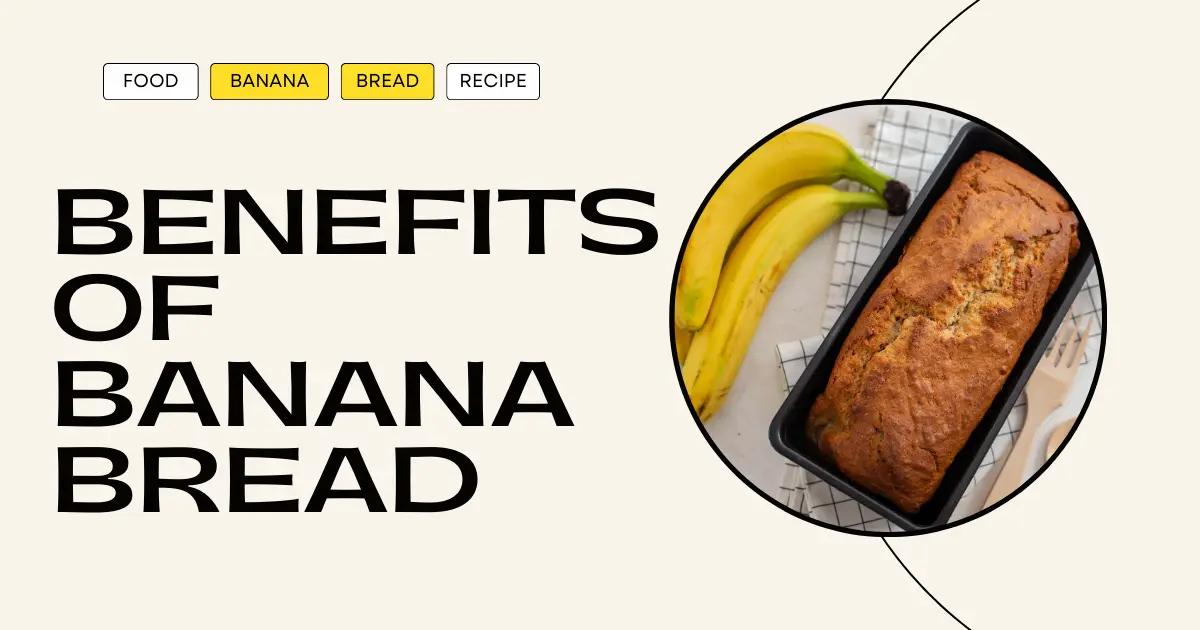
When you catch the sweet aroma of freshly baked banana bread wafting through your kitchen, you might wonder: are the benefits of banana bread real, or is this beloved treat just dessert in disguise? The truth is nuanced. Banana bread can be a nutritious choice packed with potassium, fiber, and natural energy—or it can be a sugar-laden calorie bomb depending on how it’s made. Whether you’re looking for a wholesome breakfast option or trying to justify your third slice this week, understanding what’s actually in your banana bread and how to optimize it for health is essential. This comprehensive guide will break down the nutritional profile, compare homemade versus store-bought versions, and show you exactly how to maximize the health benefits while minimizing the drawbacks.
What Is Banana Bread? (Ingredients Breakdown)
Banana bread is a quick bread—meaning it uses baking soda or baking powder as leavening agents rather than yeast—that features mashed ripe bananas as a primary ingredient. Unlike traditional yeast breads, banana bread has a cake-like texture and sweetness that makes it incredibly versatile as both a breakfast item and dessert.
The foundation of any banana bread recipe typically includes several core components. Overripe bananas provide natural sweetness, moisture, and that distinctive flavor we all crave. You’ll want to bake with these overripe bananas that have developed brown spots, as they’re sweeter and easier to mash. Most recipes also call for all-purpose flour as the structural base, though variations using whole wheat flour, almond flour, or oat flour are increasingly popular.
Beyond bananas and flour, traditional banana bread contains added sugar (usually white or brown sugar), eggs for binding and richness, butter or oil for moisture and tenderness, and leavening agents like baking soda. Many recipes incorporate vanilla extract for depth of flavor, a pinch of salt to balance sweetness, and optional add-ins like walnuts, pecans, or chocolate chips.
The ingredient ratios matter significantly when evaluating the benefits of banana bread. A recipe heavy on refined sugar and butter will deliver a very different nutritional profile than one using minimal added sweeteners and healthier fat sources. Understanding this baseline helps you make informed choices about which recipes to follow and which modifications to make.
Nutritional Profile: Calories, Macros, and Vitamins in Banana Bread
The nutritional content of banana bread varies dramatically based on the recipe, but examining a standard slice provides important context. A typical slice of homemade banana bread (approximately 60 grams or one-twelfth of a standard loaf) contains roughly 196 calories, though this can range from 150 to 300+ calories depending on ingredients.
In terms of macronutrients, that average slice delivers about 33 grams of carbohydrates, 6 grams of fat, and 3 grams of protein. The carbohydrate content includes both natural sugars from bananas and added sugars from the recipe—often totaling 15-20 grams of sugar per slice. Fiber content typically ranges from 1-2 grams in traditional recipes, though whole grain versions can provide 3-4 grams.
Where banana bread shines nutritionally is in its micronutrient profile, thanks largely to the bananas themselves. A single slice can provide approximately 8-10% of your daily potassium needs, an essential mineral for heart health and blood pressure regulation. Bananas also contribute vitamin B6, which supports brain function and helps your body convert food into energy. You’ll also find smaller amounts of vitamin C, magnesium, and manganese.
The fat content in banana bread deserves closer examination. Traditional recipes using butter provide saturated fats, while versions made with vegetable oil or coconut oil offer different fatty acid profiles. Some healthier variations incorporate ingredients like Greek yogurt or applesauce to reduce overall fat content while maintaining moisture.
Protein content in standard banana bread is relatively modest at 3-4 grams per slice. However, recipes that incorporate nuts, nut butters, or protein powder can significantly boost this number to 6-8 grams, making the bread more satiating and balanced from a macronutrient perspective.
Health Benefits of Banana Bread (When Made Right)
The benefits of banana bread extend beyond simple enjoyment when you choose or prepare it thoughtfully. First and foremost, banana bread provides a convenient way to consume fruit, especially for people who struggle to eat enough fresh produce. The bananas retain most of their nutritional value even after baking, delivering that crucial potassium along with resistant starch that supports digestive health.
Natural energy boost is one of the primary advantages of banana bread. The combination of complex carbohydrates from flour and simple sugars from bananas provides both immediate and sustained energy. This makes banana bread a practical pre-workout snack or breakfast option when you need fuel for physical or mental activity. The natural sugars digest quickly for immediate energy, while the starches break down more slowly for longer-lasting stamina.
Banana bread can support digestive health when made with whole grain flours or added fiber sources. The pectin in bananas acts as a prebiotic, feeding beneficial gut bacteria and promoting digestive regularity. Recipes incorporating ingredients like flaxseed, chia seeds, or oat bran amplify these digestive benefits significantly.
For mood and mental health, the vitamin B6 in bananas plays a crucial role in neurotransmitter production, including serotonin and dopamine. While you shouldn’t rely on banana bread as a mood regulator, the combination of B vitamins, magnesium, and the comfort-food aspect can contribute to overall well-being. The tryptophan in bananas also converts to serotonin, potentially supporting better sleep when consumed as an evening snack.
Homemade banana bread offers significant benefits for reducing food waste. Those brown, spotty bananas that might otherwise end up in the trash become the star ingredient. This sustainability angle shouldn’t be overlooked—making banana bread is an economical and environmentally conscious choice that transforms overripe fruit into something delicious and nutritious.
The antioxidant content in banana bread, particularly when made with whole wheat flour or added nuts, provides cellular protection against oxidative stress. Bananas contain dopamine and catechins, powerful antioxidants that remain present even after baking. Adding ingredients like walnuts or dark chocolate chips further enhances the antioxidant profile.
Is Banana Bread Healthy? The Truth About Sugar and Calories
The straightforward answer to “is banana bread healthy” is: it depends entirely on the recipe and portion size. Traditional banana bread recipes often contain as much sugar and fat as cake, making them more of an occasional treat than a daily health food. A single slice can pack 200-300 calories and 20+ grams of sugar—comparable to a slice of chocolate cake.
The sugar content is where many banana bread recipes stumble nutritionally. While bananas provide natural sweetness, most recipes add substantial amounts of refined sugar—often 1 to 1.5 cups for a single loaf. This added sugar contributes empty calories without nutritional benefit and can cause blood sugar spikes followed by crashes. For context, a slice with 20 grams of sugar contains about 5 teaspoons of sugar, which is a significant portion of the American Heart Association’s recommended daily limit of 6 teaspoons for women and 9 for men.
However, the question “is banana bread healthy for weight loss” has a more optimistic answer when you modify the recipe appropriately. Banana bread made with reduced sugar, whole grain flour, and healthy fats can absolutely fit into a weight management plan. The key is controlling portions and ensuring the bread provides satiety through fiber and protein rather than just quick-burning carbohydrates.
The calorie density of banana bread means mindful eating is essential. It’s remarkably easy to consume 400-600 calories by eating two or three slices without realizing it, especially when the bread is moist and delicious. Pairing a single slice with protein-rich foods like Greek yogurt or nut butter can create a more balanced meal that keeps you satisfied longer.
Store-bought banana bread presents additional concerns beyond homemade versions. Commercial varieties often contain preservatives, artificial flavors, high-fructose corn syrup, and trans fats to extend shelf life and reduce production costs. The ingredient list on packaged banana bread frequently includes items you’d never use in your own kitchen, making homemade is almost always better from a health perspective.
For those wondering about banana bread as a breakfast option, the answer is nuanced. While it’s certainly better than a donut or pastry, it’s not nutritionally equivalent to oatmeal with fruit or eggs with whole grain toast. Banana bread for breakfast works best when it’s a healthier version paired with protein and consumed as part of an overall balanced diet rather than as your sole morning meal every day.
Banana Bread vs. Regular Bread: Which Is Better?
Comparing banana bread to regular bread reveals important differences that affect their respective roles in a healthy diet. Regular whole wheat bread typically contains 80-120 calories per slice, significantly less than banana bread’s 150-300 calories. The protein content in regular bread (3-5 grams per slice) is often comparable or slightly higher, while the sugar content is dramatically lower—usually just 1-3 grams compared to banana bread’s 15-20 grams.
Fiber content favors regular whole grain bread, which delivers 2-4 grams per slice compared to traditional banana bread’s 1-2 grams. This higher fiber content makes regular bread more filling and better for blood sugar regulation. However, banana bread made with whole wheat flour and added seeds can narrow this gap considerably.
The micronutrient profiles differ substantially. Regular bread, especially when enriched or made from whole grains, provides B vitamins, iron, and selenium. Banana bread contributes more potassium, vitamin B6, and manganese thanks to the bananas. Neither is definitively “better”—they offer different nutritional advantages.
From a satiety perspective, regular bread with protein-rich toppings (like peanut butter or eggs) typically keeps you fuller longer than banana bread alone. The higher sugar content in banana bread can lead to energy crashes, while the complex carbohydrates in whole grain bread provide more stable energy. However, banana bread with added nuts and seeds can compete more effectively on the satiety front.
The glycemic impact is another crucial consideration. Regular whole grain bread has a moderate glycemic index (around 50-70), while banana bread can range from 60-85 depending on ingredients. The riper the bananas and the more added sugar, the higher the glycemic response. This makes regular whole grain bread a better choice for blood sugar management in most cases.
Versatility differs between the two as well. Regular bread serves as a neutral base for countless meals—sandwiches, toast with various toppings, bread crumbs, croutons. Banana bread functions primarily as a standalone snack or breakfast item, limiting its culinary applications. This makes regular bread more practical for everyday eating.
How to Make Banana Bread Healthier (Recipe Modifications)
Transforming traditional banana bread into a genuinely nutritious option requires strategic ingredient swaps that maintain flavor and texture while boosting nutritional value. The benefits of banana bread multiply when you implement these evidence-based modifications.
Reduce added sugar substantially. Most recipes can handle a 25-50% reduction in sugar without significant texture changes. The ripe bananas provide considerable natural sweetness—often enough that you can cut the added sugar from 1 cup down to 1/3 cup or even less. For those seeking an easy diabetic banana bread recipe, consider using stevia, monk fruit sweetener, or erythritol to replace some or all of the sugar. A diabetic banana bread recipe with applesauce can further reduce the need for added sweeteners while maintaining moisture.
Replace refined flour with whole grain alternatives. Swapping all-purpose flour for whole wheat flour, oat flour, or a combination increases fiber content from about 1 gram per slice to 3-4 grams. For those following low-carb diets, diabetic banana bread with almond flour provides a grain-free option with higher protein and healthy fats. Start by replacing 50% of the all-purpose flour to maintain familiar texture, then gradually increase the proportion in future batches.
Substitute healthier fats for butter or vegetable oil. Greek yogurt, unsweetened applesauce, or mashed avocado can replace up to half the fat in most recipes while adding protein or fiber. For a diabetic banana bread recipe with applesauce, replace half the oil or butter with unsweetened applesauce to cut calories and fat while maintaining moisture. Coconut oil provides medium-chain triglycerides that may support metabolism, while olive oil contributes heart-healthy monounsaturated fats.
Add protein through strategic ingredients. Incorporating 1/4 to 1/2 cup of protein powder, Greek yogurt, or nut butter increases the protein content from 3 grams to 6-8 grams per slice. This makes banana bread more satisfying and helps stabilize blood sugar. Chopped nuts like walnuts or pecans add protein, healthy fats, and satisfying crunch while contributing omega-3 fatty acids.
Boost fiber with seeds and whole grains. Adding 2-3 tablespoons of ground flaxseed, chia seeds, or hemp hearts per loaf increases fiber and omega-3 content without affecting taste. Rolled oats can replace some flour while adding soluble fiber that supports heart health and digestion. These additions make the bread more filling and nutritionally dense.
Incorporate vegetables for added nutrition. Grated zucchini or carrots blend seamlessly into banana bread batter, adding moisture, fiber, vitamins, and minerals while reducing the calorie density. You can replace up to one banana with 1/2 cup of grated zucchini without significantly altering flavor.
Use natural flavor enhancers instead of sugar. Cinnamon, nutmeg, vanilla extract, and a pinch of sea salt amplify sweetness perception without adding calories. Cinnamon specifically may help regulate blood sugar, making it an excellent addition to any banana bread recipe, especially for those managing diabetes.
Store-Bought vs. Homemade Banana Bread: Nutrition Comparison
The nutritional gulf between store-bought and homemade banana bread is often dramatic and worth understanding before your next purchase. Commercial banana bread, whether from grocery store bakeries or packaged brands, prioritizes shelf life, cost efficiency, and mass appeal over nutritional quality.
Store-bought banana bread typically contains 250-350 calories per slice compared to 150-250 for homemade versions, largely due to higher fat and sugar content. Commercial recipes often use cheaper ingredients like high-fructose corn syrup instead of real sugar, partially hydrogenated oils instead of butter, and artificial flavors to compensate for lower-quality bananas. The ingredient list frequently includes preservatives like calcium propionate, emulsifiers, and stabilizers that extend shelf life but offer no nutritional benefit.
Sugar content in commercial banana bread averages 22-28 grams per slice—sometimes exceeding the amount in a glazed donut. Homemade versions using reduced-sugar recipes can contain as little as 8-12 grams per slice. This difference is substantial for anyone monitoring sugar intake or managing conditions like diabetes. The sodium content also tends to be higher in store-bought versions, often containing 200-350mg per slice compared to 100-150mg in homemade.
The quality of ingredients differs significantly. When you bake at home, you control exactly what goes into your bread—organic flour, grass-fed butter, free-range eggs, and genuinely ripe bananas. Commercial operations use the most economical ingredients available, which rarely means the most nutritious. The bananas in store-bought bread might be banana powder or banana flavoring rather than actual fruit.
Portion control is another consideration. Store-bought slices are often cut larger than what you’d serve yourself at home, meaning you’re consuming more calories than you realize. A “slice” from a bakery might actually be 1.5 to 2 times the size of a standard homemade serving, effectively doubling the nutritional impact.
From a cost perspective, homemade banana bread is significantly more economical, especially when using overripe bananas you already have. The ability to make a healthier product for less money makes homemade the clear winner for most households. Frozen banana bread stores well for months, allowing you to bake in batches and always have a healthier option available.
The freshness factor cannot be overstated. Homemade banana bread tastes better, has better texture, and provides more satisfaction per calorie than something that’s been sitting in plastic wrap for days or weeks. Letting your banana bread cool properly before slicing ensures the best texture and makes portion control easier.
Who Should Avoid Banana Bread? (Dietary Considerations)
While banana bread can fit into many eating plans, certain individuals should approach it cautiously or avoid it altogether depending on their health conditions and dietary requirements. Understanding these limitations helps you make informed decisions about when banana bread is appropriate.
People with diabetes need to carefully consider banana bread’s impact on blood sugar. The question “is banana bread good for diabetics” doesn’t have a simple yes or no answer. Traditional banana bread with high sugar content and refined flour can cause significant blood sugar spikes, making it a poor choice for diabetics. However, modified recipes using almond flour, reduced sugar, and added protein can work within a diabetic meal plan when portion-controlled. Can diabetics eat banana nut bread? Yes, but preferably homemade versions where sugar content is controlled, and the nuts add protein and healthy fats that slow glucose absorption.
Those following low-carb or ketogenic diets should generally avoid traditional banana bread, which contains 30-40 grams of carbohydrates per slice—often exceeding an entire day’s carb allowance on strict keto. Specialized recipes using almond or coconut flour with minimal bananas can create keto-friendly alternatives, though these differ significantly from traditional banana bread in taste and texture.
Individuals with celiac disease or gluten sensitivity must avoid standard banana bread made with wheat flour. Fortunately, banana bread adapts well to gluten-free flours like almond flour, oat flour (certified gluten-free), or commercial gluten-free baking blends. The naturally moist texture of banana bread helps compensate for the sometimes-dry nature of gluten-free baked goods.
People managing their weight should approach banana bread mindfully. While not forbidden, the calorie density means it’s easy to overconsume. Is banana bread healthy for weight loss? Only when made with healthier modifications, eaten in controlled portions, and balanced with protein and vegetables throughout the day. Treating it as an occasional breakfast or snack rather than a daily staple aligns better with weight management goals.
Those with banana allergies obviously cannot consume banana bread, though the allergy is relatively rare. More common are sensitivities to other ingredients like eggs, nuts, or dairy, which can be accommodated through recipe modifications. An eggless banana bread recipe using flax eggs or commercial egg replacers works well for those with egg allergies.
Individuals with irritable bowel syndrome (IBS) may need to be cautious, as bananas are moderate in FODMAPs—fermentable carbohydrates that can trigger digestive symptoms in sensitive individuals. The baking process doesn’t eliminate FODMAPs, so those following a low-FODMAP diet should limit portions or avoid banana bread during elimination phases.
People taking certain medications should consult their healthcare provider. Bananas are high in potassium, which can interact with ACE inhibitors, potassium-sparing diuretics, and other medications. While a slice of banana bread won’t contain as much potassium as a whole banana, regular consumption could contribute to elevated potassium levels in those taking these medications.
Making Banana Bread Work for Your Health Goals
The benefits of banana bread are real and accessible when you approach this beloved treat with knowledge and intention. Rather than viewing banana bread as inherently good or bad, recognize it as a versatile food that can be optimized to support your health goals or enjoyed occasionally as a comfort food without guilt.
The key takeaway is that homemade banana bread made with thoughtful ingredient choices—whole grain flours, reduced sugar, healthy fats, and nutrient-dense add-ins—can absolutely be part of a nutritious diet. It provides genuine benefits including potassium, vitamin B6, natural energy, and fiber, especially when you use whole food ingredients and control portions. The convenience of transforming overripe bananas into something delicious and relatively nutritious makes banana bread a practical choice for reducing food waste while nourishing your body.
For those managing specific health conditions like diabetes, the answer isn’t to eliminate banana bread entirely but to modify recipes appropriately. Using alternative flours, natural sweeteners, and protein-rich additions creates versions that can fit within dietary restrictions. The disadvantages of banana bread—primarily excess sugar and calories—are almost entirely addressable through recipe modifications and portion awareness.
Store-bought banana bread rarely offers the same nutritional value as homemade versions, making the effort to bake your own worthwhile from both health and economic perspectives. When you control the ingredients, you control the nutritional outcome. A loaf made on Sunday can provide quick breakfasts or snacks throughout the week, and properly stored banana bread maintains quality in the refrigerator for up to a week or in the freezer for several months.
Ultimately, banana bread occupies a middle ground in the nutrition spectrum—better than many desserts and processed snacks, but not quite as nutritionally optimal as whole grain toast with nut butter or oatmeal with fresh fruit. The best approach is to enjoy banana bread as part of a varied diet rich in vegetables, lean proteins, whole grains, and healthy fats. When you want banana bread, choose or make the healthiest version possible, savor it mindfully, and balance it with nutrient-dense foods throughout your day. This balanced perspective allows you to enjoy the comfort and satisfaction of banana bread while supporting your overall health and wellness goals.
Frequently Asked Questions
Is banana bread actually good for you?
Banana bread can be good for you when made with wholesome ingredients like whole wheat flour, minimal added sugar, and ripe bananas. The benefits of banana bread include providing potassium, fiber, and natural energy from the bananas themselves. However, traditional recipes high in sugar, butter, and refined flour offer fewer nutritional advantages and should be enjoyed in moderation.
Can I eat banana bread for breakfast?
Yes, banana bread can be a suitable breakfast option, especially when made with nutrient-dense ingredients. Choose recipes with whole grains, nuts, and reduced sugar to maximize the benefits of banana bread for your morning meal. Pair it with protein like Greek yogurt or eggs to create a more balanced breakfast that will keep you satisfied longer.
Is banana bread good for weight loss?
Banana bread can fit into a weight loss plan when consumed in moderation and made with healthier substitutions. Opt for recipes using whole wheat flour, reduced sugar or natural sweeteners, and healthy fats like Greek yogurt instead of butter. Keep portion sizes reasonable (one slice) and consider it as part of your daily calorie budget rather than an unlimited snack.
Is banana bread suitable for diabetics?
Traditional banana bread is high in carbohydrates and sugar, which can spike blood glucose levels, making it challenging for diabetics. However, diabetic-friendly versions made with almond or coconut flour, sugar substitutes, and added protein can be enjoyed occasionally. Always monitor portion sizes and check blood sugar levels after eating to understand how your body responds.
Is banana bread healthier than regular bread?
Banana bread is not necessarily healthier than regular bread—it depends on the recipe and comparison. While the benefits of banana bread include natural potassium and the potential for added nutrients from bananas, most recipes contain significantly more sugar and calories than whole grain sandwich bread. Whole wheat or multigrain bread typically offers more fiber and protein with less sugar for everyday use.
What nutritional benefits does banana bread provide?
Banana bread provides potassium (important for heart health and blood pressure), natural sugars for quick energy, and some B vitamins from the bananas. When made with whole grains, it also offers fiber for digestive health, and recipes with nuts add healthy fats and protein. The nutritional profile varies widely based on ingredients, so homemade versions with controlled sugar and quality ingredients offer the most benefits.
How many calories are in a slice of banana bread?
A typical slice of banana bread contains between 200-350 calories, depending on the recipe and slice size. Recipes made with butter, oil, sugar, and mix-ins like chocolate chips fall on the higher end, while lighter versions using applesauce, reduced sugar, and whole wheat flour contain fewer calories. Homemade versions allow you to control portion sizes and ingredients for better calorie management.
How long does banana bread stay fresh?
Banana bread stays fresh at room temperature for 2-3 days when wrapped tightly in plastic wrap or stored in an airtight container. In the refrigerator, it lasts 5-7 days, though refrigeration can sometimes dry it out. For longer storage, banana bread freezes beautifully for up to 3 months—wrap individual slices for convenient portions.
What makes banana bread unhealthy?
Banana bread becomes unhealthy when recipes include excessive amounts of sugar (often 1+ cups), refined white flour, large quantities of butter or oil, and calorie-dense add-ins like chocolate chips or frosting. These ingredients transform banana bread from a potentially nutritious snack into a dessert with minimal nutritional value. The key disadvantage is that it can contain as many calories and as much sugar as cake while being perceived as a healthier choice.
You May Also Like

How to Ripen Bananas for Banana Bread: Fast & Natural Methods

Can Dogs Eat Banana Chips? Safety Guide for Pet Owners