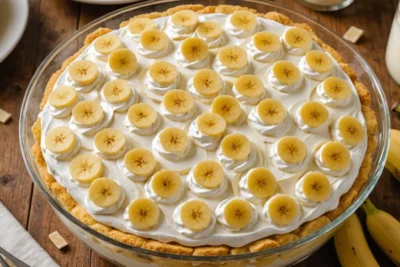
How Long Is Banana Pudding Good For? Storage & Shelf Life

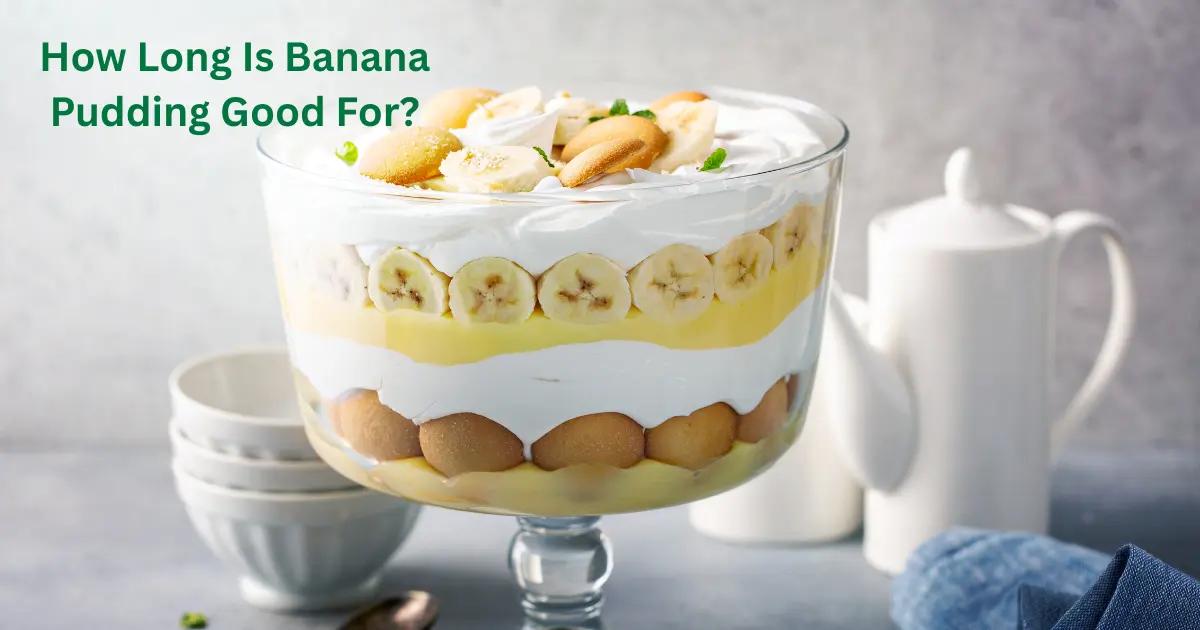
If you’ve ever made a big batch of banana pudding for a family gathering or just because you were craving this classic Southern dessert, you’ve probably wondered: how long is banana pudding good for? The short answer is that properly stored banana pudding lasts 2-3 days in the refrigerator for optimal quality, though it can remain safe to eat for up to 4 days under ideal conditions. However, the shelf life depends heavily on ingredients, storage methods, and whether you’re dealing with homemade or store-bought varieties. Understanding the nuances of banana pudding storage can help you enjoy every last spoonful while avoiding food waste and potential foodborne illness.
Banana pudding’s delicate nature comes from its combination of fresh bananas, dairy-based pudding, and moisture-absorbing wafers or cookies. Each component has its own shelf life considerations, making proper storage critical. Whether you’re following an old fashioned banana pudding recipe with layers of vanilla wafers and meringue, or whipping up a quick 3 ingredient banana pudding with instant pudding mix, knowing how to store it correctly will preserve both flavor and food safety.
How Long Does Banana Pudding Last in the Fridge?
The banana pudding shelf life in the refrigerator typically ranges from 2 to 4 days, with the sweet spot being around 3 days for the best taste and texture. This timeframe applies to both homemade and most store-bought varieties once opened. The primary limiting factor isn’t the pudding itself—it’s the fresh bananas, which begin to oxidize and turn brown within 24-48 hours even when refrigerated.
For those wondering how long is banana pudding good for in the fridge, here’s a detailed breakdown by type:
- Traditional homemade banana pudding: 2-3 days for optimal quality, up to 4 days maximum
- Store-bought banana pudding (unopened): Check the “use by” date, typically 5-7 days
- Store-bought banana pudding (opened): 2-3 days after opening
- Banana pudding without bananas: 5-7 days when properly stored
- Magnolia Bakery banana pudding: 2-3 days after purchase or opening
Temperature consistency matters significantly. Your refrigerator should maintain a steady temperature between 35°F and 40°F (1.6°C to 4.4°C). Fluctuating temperatures from frequent door opening or improper cooling can accelerate spoilage. Additionally, how long does banana pudding need to sit before serving affects its initial quality—most recipes benefit from 2-4 hours of refrigeration to allow flavors to meld and wafers to soften, but this resting time counts toward your total storage window.
Many people ask on forums like Reddit: “Is banana pudding good after a week?” The answer is definitively no. Even if the pudding appears fine, the bananas will have deteriorated significantly, potentially developing off-flavors and mushy textures. More importantly, dairy-based desserts become increasingly susceptible to bacterial growth after 4-5 days, even when refrigerated.
Signs Your Banana Pudding Has Gone Bad
Knowing how to tell if banana pudding is still good requires using multiple senses and understanding what changes indicate spoilage versus normal aging. Food safety should always be your top priority, and when in doubt, it’s better to discard questionable pudding than risk foodborne illness.
Here are the definitive signs that your banana pudding has gone bad:
Visual indicators: Look for mold growth, which typically appears as fuzzy spots in white, green, blue, or black colors on the surface or around the edges. Any visible mold means the entire container should be discarded—mold roots extend deeper than what’s visible. Additionally, excessive liquid separation (more than a thin layer) or a grayish discoloration of the pudding base indicates bacterial activity. While bananas naturally brown due to oxidation, if they’ve turned completely black and mushy throughout, the pudding has likely passed its prime.
Smell test: Fresh banana pudding has a sweet, vanilla-forward aroma with subtle banana notes. Spoiled pudding develops a sour, fermented, or “off” smell reminiscent of spoiled milk. This occurs when bacteria break down the dairy proteins and sugars. Trust your nose—if it smells wrong, it is wrong.
Texture changes: While wafers naturally soften in pudding (which is desirable), spoiled pudding becomes excessively watery or develops a slimy, sticky consistency. The pudding may also separate into distinct layers that don’t reincorporate when stirred. These texture changes indicate that the emulsion has broken down and bacterial activity has begun.
Taste indicators: If the pudding passes visual and smell tests but you’re still uncertain, a tiny taste can provide confirmation—but only if there are no other warning signs. Spoiled pudding tastes sour, bitter, or generally unpleasant. However, never taste pudding that shows visible mold or has a distinctly bad odor.
Understanding how to know if pudding has gone bad also means recognizing that some changes are normal. Slight banana browning after 24 hours is expected and doesn’t indicate spoilage. A thin layer of liquid on top can be stirred back in if the pudding is only 1-2 days old. However, when multiple warning signs appear together, disposal is the safest option.
How to Store Banana Pudding Properly
Proper storage techniques are essential for maximizing your banana pudding’s freshness and safety. The way you store banana pudding directly impacts both its shelf life and quality, making the difference between pudding that lasts 2 days versus 4 days.
Container selection: Always use an airtight container to prevent moisture loss and protect against refrigerator odors. Glass or BPA-free plastic containers with tight-fitting lids work best. Avoid metal containers, which can react with acidic ingredients and impart metallic flavors. If you made your pudding in a serving dish, transfer it to a storage container or cover it tightly with plastic wrap pressed directly against the surface, then add a layer of aluminum foil over the top.
Temperature management: Refrigerate banana pudding within 2 hours of preparation—or within 1 hour if the room temperature exceeds 90°F (32°C). Never leave banana pudding at room temperature for extended periods. How long does banana pudding last outside the fridge? No more than 2 hours maximum, as the dairy components enter the “danger zone” (40°F-140°F or 4°C-60°C) where bacteria multiply rapidly.
Positioning in the refrigerator: Store banana pudding on a middle or lower shelf toward the back of the refrigerator, where temperature remains most consistent. Avoid the door, which experiences the most temperature fluctuation. Keep it away from raw meats or strong-smelling foods that could cause cross-contamination or flavor transfer.
Portion control strategy: If you’ve made a large batch, consider dividing it into smaller portions before refrigerating. This allows you to remove only what you’ll consume, minimizing exposure to room temperature and potential contamination from serving utensils. Individual portions in small airtight containers can extend usability since unopened portions remain pristine.
Surface protection: To minimize banana browning, press plastic wrap directly onto the pudding surface before sealing the container. This creates a barrier against oxygen, which causes oxidation. Some cooks brush lemon juice lightly on banana slices before layering, though this can slightly alter flavor.
For those wondering how long to refrigerate banana pudding before serving, most recipes require 2-4 hours minimum for optimal texture as the wafers soften and flavors meld. However, this chilling time counts toward your total storage window, so plan accordingly. If you’re making pudding for an event, prepare it no more than 24 hours in advance for the best presentation and taste.
Can You Freeze Banana Pudding?
The question “can you freeze banana pudding?” generates considerable debate among home cooks, and the answer is nuanced: technically yes, but with significant quality compromises. While freezing extends shelf life to 2-3 months, the texture and appearance changes may make it undesirable for many people.
What happens when you freeze banana pudding: The fresh bananas are the primary problem. Bananas have high water content, and when frozen, ice crystals rupture the cell walls. Upon thawing, bananas become mushy, brown, and release excess liquid that makes the pudding watery. The pudding base itself freezes reasonably well, but the dairy may separate slightly. Vanilla wafers or cookies typically survive freezing better than other components, though they may lose some crispness.
Best practices for freezing: If you decide to freeze banana pudding, use freezer-safe, airtight containers or heavy-duty freezer bags. Remove as much air as possible to prevent freezer burn. Label containers with the date—frozen banana pudding maintains best quality for 2-3 months but remains safe indefinitely at 0°F (-18°C). For better results, some cooks freeze the pudding base without bananas and add fresh fruit after thawing.
Thawing process: Never thaw banana pudding at room temperature. Instead, transfer it to the refrigerator 24 hours before serving. This slow thaw minimizes texture degradation and maintains food safety. After thawing, stir gently to reincorporate any separated liquids. The pudding will be softer and the bananas significantly darker than fresh preparation.
For those specifically asking “can you freeze Magnolia banana pudding?” or similar premium brands, the same principles apply. While Magnolia Bakery’s famous banana pudding can technically be frozen, the company doesn’t recommend it due to quality concerns. How long does Magnolia banana pudding last in the fridge? Their official guidance suggests consuming within 2-3 days of purchase for optimal taste and texture.
Alternative freezing strategy: Consider freezing banana pudding components separately. The pudding base (without bananas or wafers) freezes much better than the complete dessert. Thaw the base, then add fresh bananas and wafers before serving. This approach preserves texture while extending your preparation timeline.
For most home cooks, how long is banana pudding good for in the freezer becomes a question of acceptable quality rather than safety. While frozen pudding remains safe for months, the eating experience after one month begins to decline noticeably. If you’re considering freezing, ask yourself whether the convenience outweighs the inevitable texture and appearance changes.
Does Homemade vs Store-Bought Banana Pudding Last Longer?
The shelf life comparison between homemade and store-bought banana pudding reveals important differences in ingredients, processing, and preservation methods. Understanding these distinctions helps you make informed decisions about preparation and storage.
Homemade banana pudding characteristics: Traditional homemade versions using fresh ingredients typically last 2-3 days in the refrigerator. Whether you’re making a 3 ingredient banana pudding with instant pudding mix, Cool Whip, and condensed milk, or a more elaborate 4 ingredient banana pudding with additional components, the fresh bananas remain the limiting factor. Homemade pudding lacks preservatives, making it more susceptible to bacterial growth but also more natural in composition.
Store-bought advantages: Commercial banana pudding often contains preservatives, stabilizers, and modified food starches that extend shelf life. Unopened store-bought pudding can last 5-7 days or longer based on the “use by” date. However, once opened, it should be consumed within 2-3 days, similar to homemade versions. The preservatives primarily protect against bacterial growth in sealed conditions but offer limited benefit once exposed to air and potential contaminants.
Ingredient quality impact: Homemade pudding made with real vanilla extract, fresh milk, and quality ingredients may actually spoil faster than versions using instant pudding mix, which contains stabilizers and preservatives. An old fashioned banana pudding recipe with cooked custard and fresh egg yolks requires extra caution—eggs increase the risk of salmonella if not handled properly, and custard-based puddings should never exceed 3 days of storage.
Banana pudding without bananas: Here’s where storage times diverge significantly. How long is banana pudding good for without bananas? The pudding base alone, whether homemade or store-bought, can last 5-7 days when properly refrigerated in an airtight container. This makes preparing the base in advance and adding fresh bananas just before serving an excellent strategy for extended freshness. Some cooks prepare the pudding and wafer layers, refrigerate for up to a week, then add fresh banana slices within 24 hours of serving.
Processing differences: Commercial pudding undergoes pasteurization and is packaged in sterile conditions, reducing initial bacterial load. Homemade pudding, even when carefully prepared, starts with a higher bacterial count from handling, utensils, and environmental exposure. This doesn’t make homemade pudding unsafe—it simply means the clock starts ticking faster.
For those following specific recipes, how long does banana pudding take to make varies from 15 minutes for simple instant pudding versions to 45 minutes for traditional cooked custard recipes. Interestingly, the preparation time doesn’t correlate with shelf life—quick versions using stabilized ingredients may last as long as labor-intensive traditional recipes.
How to Keep Bananas from Turning Brown in Pudding
Banana browning is the most common complaint about stored banana pudding, and while some discoloration is inevitable, several techniques can significantly slow the oxidation process and maintain visual appeal.
Acidic treatments: The most effective method involves lightly coating banana slices with an acidic solution before layering. Mix 1 tablespoon of lemon juice or lime juice with 1 cup of water, then briefly dip banana slices or brush them lightly with the solution. The citric acid slows enzymatic browning by lowering pH and denaturing the polyphenol oxidase enzyme responsible for discoloration. Use a light hand—too much acid creates a noticeable sour taste that conflicts with the pudding’s sweetness.
Vitamin C powder: Dissolving crushed vitamin C tablets (ascorbic acid) in water creates an effective anti-browning solution without adding citrus flavor. Use approximately 500mg of vitamin C per cup of water. This method is particularly popular among professional bakers who need pristine presentation for commercial products.
Pineapple juice alternative: Some cooks prefer pineapple juice over lemon juice because it adds complementary tropical flavor while providing the same anti-browning benefits. However, pineapple contains bromelain, an enzyme that can break down gelatin and dairy proteins if left too long, potentially affecting pudding texture after 24 hours.
Barrier methods: Creating physical barriers between bananas and oxygen helps preserve color. Press plastic wrap directly against the pudding surface, eliminating air pockets. Some recipes incorporate a thin layer of pudding over the top banana layer specifically to seal it from air exposure. When serving, the top layer can be stirred in or removed if significantly browned.
Strategic layering: Place banana slices in the middle layers of your pudding rather than on top. The surrounding pudding and wafers create natural barriers against oxygen. Reserve the top layer for wafers or whipped cream, adding a few fresh banana slices just before serving for visual appeal.
Banana selection: Choose bananas that are ripe but still slightly firm—fully ripe bananas with brown spots brown faster in pudding. Bananas with bright yellow peels and minimal spotting maintain their color longer. Avoid overripe bananas, which are mushier and oxidize more quickly.
Timing strategy: For the best appearance, add bananas to your pudding no more than 4-6 hours before serving. Prepare the pudding base and wafer layers in advance, refrigerate, then add fresh banana slices closer to serving time. This approach provides the flavor integration you want while minimizing browning.
It’s important to note that while these techniques slow browning, they don’t eliminate it entirely. Some oxidation will occur within 24-48 hours regardless of prevention methods. The good news is that browned bananas in pudding, while less visually appealing, remain safe to eat as long as the pudding itself hasn’t spoiled. The browning is a chemical reaction, not bacterial growth.
Food Safety Tips for Banana Pudding
Food safety should always be your primary concern when storing and consuming banana pudding. The combination of dairy, eggs (in some recipes), and fresh fruit creates conditions where bacteria can thrive if proper precautions aren’t followed.
The two-hour rule: Never leave banana pudding at room temperature for more than 2 hours total—this includes preparation time, serving time, and any period between refrigeration. In hot weather (above 90°F or 32°C), reduce this window to just 1 hour. Bacteria like Staphylococcus aureus and Salmonella multiply rapidly in the temperature danger zone between 40°F and 140°F (4°C and 60°C).
Cross-contamination prevention: Always use clean utensils when serving banana pudding. Never return a spoon to the container after it has touched someone’s mouth or plate. Consider providing a dedicated serving spoon that remains with the pudding. If you’re taking pudding to a potluck or gathering, transport it in a cooler with ice packs and keep it refrigerated until serving time.
Temperature monitoring: Use a refrigerator thermometer to ensure your appliance maintains temperatures between 35°F and 40°F (1.6°C to 4.4°C). Many refrigerators run warmer than their settings indicate, especially older models or those that are overpacked. Proper temperature is your first line of defense against bacterial growth.
Ingredient-specific concerns: If your recipe includes raw eggs (in meringue or custard), ensure they’re fresh and properly handled. Cook egg-based custards to 160°F (71°C) to kill potential Salmonella. For recipes using raw egg whites in meringue, consider pasteurized egg products to eliminate risk. Store-bought whipped topping is generally safer than homemade whipped cream for extended storage since it contains stabilizers.
Dairy considerations: Milk, cream, and cream cheese are all potentially hazardous foods that require careful handling. Always check expiration dates on dairy ingredients before use. If your pudding contains dairy that was nearing its expiration date when prepared, reduce your expected storage time accordingly.
Serving guidelines: When serving banana pudding at gatherings, keep the main container refrigerated and bring out smaller portions as needed. If pudding has been sitting out for approaching 2 hours, refrigerate it immediately. Don’t combine fresh pudding with pudding that has been sitting at room temperature—this can contaminate the entire batch.
Special population precautions: Pregnant women, young children, elderly individuals, and those with compromised immune systems should be especially cautious with dairy desserts. For these vulnerable populations, consume banana pudding within 2 days of preparation and be extra vigilant about storage temperatures and handling practices.
When to discard: The question “Can I eat 2 week old banana pudding?” has a clear answer: absolutely not. Even if refrigerated continuously, banana pudding should never be consumed after 4-5 days maximum. The risk of foodborne illness increases exponentially after this point. Similarly, if banana pudding has been left out overnight, discard it regardless of appearance—bacteria may have multiplied to dangerous levels even if no visible signs of spoilage exist.
Reheating considerations: Banana pudding is meant to be served cold and should never be reheated. Heating can cause the pudding to separate, the bananas to become mushy, and potentially create additional food safety concerns. If your pudding seems too cold straight from the refrigerator, let it sit at room temperature for 10-15 minutes maximum before serving.
Understanding proper food safety practices ensures that your banana pudding remains a delicious treat rather than a source of foodborne illness. While these guidelines may seem strict, they’re based on food science research and public health recommendations designed to protect you and your family.
In conclusion, how long banana pudding is good for depends on multiple factors including ingredients, storage methods, and preparation techniques. The general guideline of 2-3 days for optimal quality and up to 4 days maximum provides a safe framework for enjoying this beloved dessert. By following proper storage techniques, recognizing signs of spoilage, and adhering to food safety principles, you can maximize your banana pudding’s shelf life while ensuring every serving is both delicious and safe. Whether you’re making a simple 3 ingredient version or an elaborate traditional recipe, these storage and safety guidelines will help you enjoy every spoonful with confidence.
Frequently Asked Questions
How long is banana pudding good for in the refrigerator?
Banana pudding is good for 2-3 days in the refrigerator when stored properly in an airtight container. For best quality and texture, consume it within this timeframe as the bananas will begin to brown and the wafers will become soggy. While it may remain safe to eat for up to 4 days, the taste and appearance will deteriorate significantly after the third day.
Can I eat 2 week old banana pudding?
No, you should not eat 2 week old banana pudding as it poses serious food safety risks. Banana pudding contains dairy and fresh fruit, which are highly perishable ingredients that can harbor harmful bacteria after just a few days. Consuming banana pudding that’s been refrigerated for two weeks could lead to foodborne illness, so it’s best to discard any pudding older than 4-5 days.
How can you tell if banana pudding has gone bad?
You can tell banana pudding has gone bad by checking for several warning signs including a sour or off smell, visible mold growth, excessive liquid separation, or a slimy texture. The bananas will turn dark brown or black rather than just lightly browned, and the pudding may develop an unpleasant taste. If you notice any of these signs or if the pudding has been refrigerated for more than 5 days, it’s safest to throw it away.
How many days in advance can you make banana pudding?
You can make banana pudding 1-2 days in advance for the best results. Making it 24 hours ahead actually allows the flavors to meld beautifully and gives the pudding time to set properly. However, avoid making it more than 2 days early, as the bananas will oxidize and turn brown, and the vanilla wafers will become too soggy, compromising both appearance and texture.
Does homemade banana pudding need to be refrigerated?
Yes, homemade banana pudding must be refrigerated because it contains perishable ingredients like milk, eggs, cream, and fresh bananas. Banana pudding should never be left at room temperature for more than 2 hours (or 1 hour if the temperature is above 90°F). Always store it in an airtight container in the refrigerator at 40°F or below to prevent bacterial growth and maintain food safety.
Can you freeze banana pudding to make it last longer?
Yes, you can freeze banana pudding for up to 2 weeks, though the texture will change significantly upon thawing. The pudding itself freezes reasonably well, but the bananas may become mushy and the wafers will lose their texture completely. For best results when freezing, use a recipe with condensed milk and consider adding the fresh banana slices and wafers only after thawing and before serving.
What is the best way to store banana pudding?
The best way to store banana pudding is in an airtight container in the refrigerator at 40°F or below. Press plastic wrap directly onto the surface of the pudding before sealing the container to prevent a skin from forming and to minimize air exposure. Keep it on a middle or upper shelf rather than the door, where temperature fluctuations are more common, and always use a clean spoon when serving to avoid introducing bacteria.
How long does banana pudding last without bananas?
Banana pudding made without fresh bananas (using only banana extract or flavoring) can last 5-7 days in the refrigerator when properly stored. Without the fresh fruit, which oxidizes and spoils quickly, the pudding remains stable much longer. However, if you’ve added vanilla wafers, they will still become soggy over time, so the texture quality will decline even if the pudding itself remains safe to eat.
How do you defrost frozen banana pudding?
To defrost frozen banana pudding, transfer it from the freezer to the refrigerator and let it thaw slowly for 6-8 hours or overnight. Never thaw banana pudding at room temperature, as this can promote bacterial growth in the dairy components. Once thawed, stir gently to reincorporate any separated liquids, and note that the texture may be slightly grainy or watery compared to fresh pudding.
How long should banana pudding sit before serving?
Banana pudding should sit in the refrigerator for at least 4 hours before serving, though overnight (8-12 hours) is ideal for the best flavor and texture. This chilling time allows the pudding to set properly, the flavors to develop and meld together, and the wafers to soften to the perfect consistency. Understanding how long banana pudding is good for helps you plan the timing—make it the day before your event for optimal results.
You May Also Like
How to Ripen Bananas for Banana Bread: Fast & Natural Methods

Benefits of Banana Bread: Is It Healthy or Just Dessert?