Sweet Tangy Banana Ketchup Recipe: Easy Homemade Guide

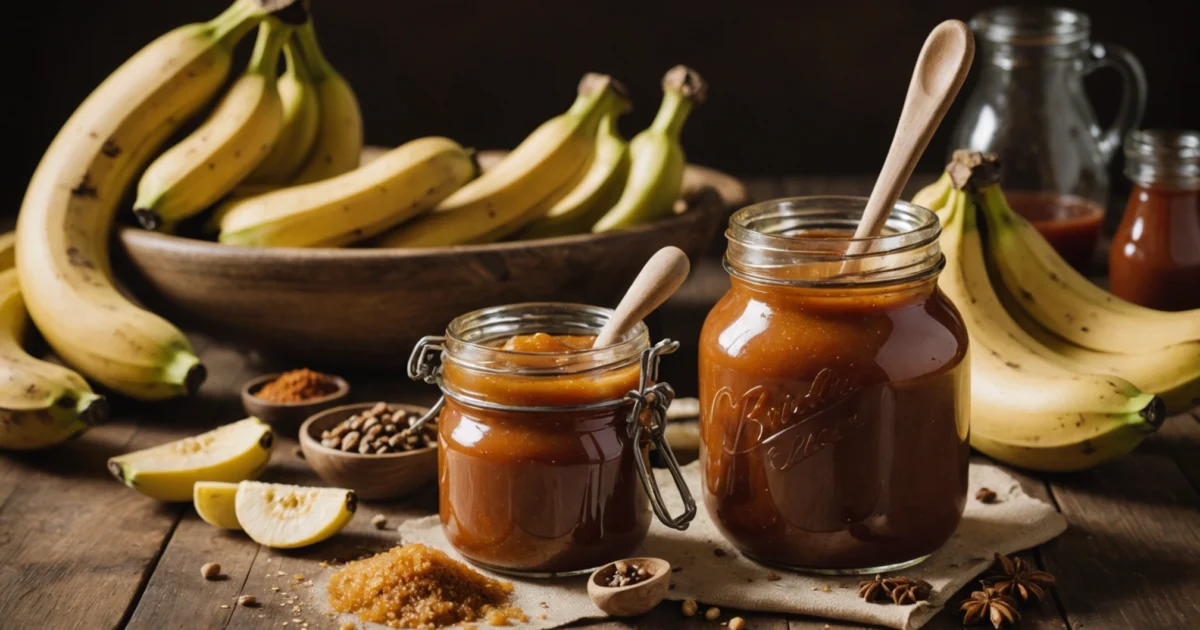
This sweet tangy banana ketchup recipe transforms ripe bananas into a delicious Filipino and Caribbean-style condiment that perfectly balances sweetness with tangy vinegar notes. Unlike store-bought versions loaded with artificial flavors, this homemade recipe uses natural ingredients to create a smooth, flavorful sauce that’s ideal for both beginners and experienced cooks.
The cooking process takes about 45 minutes and requires simple ingredients like ripe bananas, brown sugar, vinegar, and basic spices. This recipe stands out because it achieves the perfect sweet-tangy balance without relying on artificial additives or excessive sugar.
Whether you’re looking to make a Filipino-style banana ketchup or explore Caribbean variations, this versatile recipe can be customized for different flavor profiles. Additionally, the finished ketchup can be preserved through proper canning methods for long-term storage.
TL;DR
- Sweet tangy banana ketchup uses ripe bananas, brown sugar, vinegar, and spices for authentic Filipino/Caribbean flavor
- 45-minute cooking process with simple ingredients makes this recipe perfect for beginners
- Recipe can be customized for different sweetness levels and preserved through water bath canning
- Natural ingredients create better flavor than store-bought versions without artificial additives
Sweet Tangy Banana Ketchup: Complete Recipe Guide
Sweet tangy banana ketchup represents a beloved condiment that originated in the Philippines during World War II and spread throughout Caribbean cuisine. This vibrant, amber-colored sauce combines the natural sweetness of ripe bananas with the sharp tang of vinegar, creating a unique flavor profile that distinguishes it from traditional tomato-based ketchups.
Filipino families developed this recipe as an alternative to expensive tomato ketchup, while Caribbean cooks embraced banana ketchup for its tropical flavor. Moreover, this homemade version delivers superior taste compared to commercial varieties that often contain artificial colors, high fructose corn syrup, and preservatives.
Why This Sweet-Tangy Version Stands Out
This sweet tangy banana ketchup recipe achieves the perfect balance between sweetness and acidity without relying on artificial ingredients. Furthermore, the recipe uses brown sugar instead of white sugar, which adds depth and complexity to the flavor profile. The natural enzymes in ripe bananas break down during cooking, creating a smooth texture that coats food beautifully.
Store-bought banana ketchups typically contain Red Dye #40 to mimic the color of tomato ketchup. In contrast, this homemade version maintains its natural golden color while delivering authentic Filipino and Caribbean flavors. Additionally, controlling the sugar content allows you to create a healthier alternative that still satisfies your taste preferences.
Cooking Process and Time Commitment
The entire cooking process requires approximately 45 minutes of active preparation and simmering time. Initially, you’ll spend 10 minutes preparing ingredients, followed by 35 minutes of gentle cooking to achieve the proper consistency. The recipe yields about 2 cups of finished ketchup, making it perfect for family use or gift-giving.
- Prep time: 10 minutes for ingredient preparation
- Cook time: 35 minutes for simmering and thickening
- Total time: 45 minutes from start to finish
- Yield: Approximately 2 cups of banana ketchup
The cooking process involves three main stages: mashing the bananas, combining ingredients, and simmering until the mixture reaches the desired consistency. Consequently, you’ll need to stir frequently during the final 20 minutes to prevent sticking and ensure even cooking.
Perfect for All Skill Levels
This banana ketchup recipe works exceptionally well for beginners because it requires only basic cooking techniques and common kitchen equipment. The forgiving nature of the recipe means that slight variations in cooking time or ingredient proportions won’t ruin the final product. Meanwhile, experienced cooks can experiment with spice additions or adjust the sweet-tangy balance to create personalized variations.
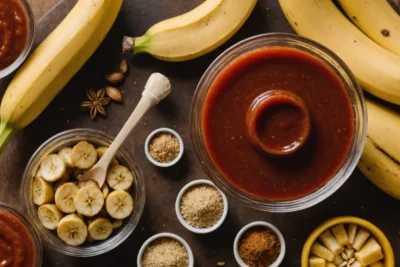
Beginners appreciate the straightforward ingredient list that includes ripe bananas, brown sugar, white vinegar, garlic, onion powder, and basic spices. On the other hand, advanced cooks can incorporate perfectly ripened bananas for optimal sweetness or add scotch bonnet peppers for Caribbean-style heat. The recipe’s flexibility allows for creative adaptations while maintaining the essential sweet-tangy character that defines authentic banana ketchup.
Essential Ingredients for Perfect Sweet Tangy Balance
Creating an authentic sweet tangy banana ketchup requires carefully selected ingredients that work together to achieve the perfect flavor balance. Each component plays a specific role in developing the characteristic taste, texture, and appearance that makes this condiment irresistible. Furthermore, understanding how these ingredients interact helps you customize the recipe to match your preferred sweetness and tanginess levels.
Ripe Banana Selection and Preparation
Overripe bananas with brown spots provide the ideal sweetness and soft texture for mashing into smooth ketchup. These bananas contain higher sugar concentrations than firm yellow ones, naturally enhancing the sweet profile without requiring excessive added sugars. Additionally, the soft flesh breaks down easily during cooking, creating the smooth consistency that characterizes quality banana ketchup.
Select bananas that yield slightly to gentle pressure but haven’t developed black patches or fermentation odors. Properly ripened bananas should have golden-yellow peels with brown speckles covering at least 50% of the surface. Consequently, these bananas mash effortlessly and contribute natural sweetness that reduces the need for excessive brown sugar additions.
Brown Sugar vs White Sugar for Optimal Sweetness
Brown sugar delivers superior flavor complexity compared to white sugar, adding molasses notes that complement the banana’s natural sweetness. The molasses content creates deeper caramelized flavors during cooking, while the slight acidity helps balance the overall taste profile. Moreover, brown sugar dissolves more readily in the acidic vinegar mixture, ensuring smooth texture without grittiness.
White sugar provides pure sweetness without additional flavors, making it suitable for recipes requiring neutral sweetening. However, brown sugar’s complex flavor profile enhances the authentic taste that distinguishes homemade banana ketchup from commercial varieties. Therefore, most traditional recipes specify brown sugar as the primary sweetening agent for optimal results.
Vinegar Types and Their Flavor Effects
White vinegar provides clean acidity that brightens the sweet banana flavors without introducing competing tastes. Its neutral profile allows the fruit and spice flavors to dominate while contributing the essential tanginess that defines banana ketchup. Additionally, white vinegar’s consistent acidity level ensures reliable preservation and shelf stability for homemade batches.
Apple cider vinegar adds subtle fruit notes that complement the banana base while providing the necessary acidity for proper preservation. The mild apple flavor enhances the overall fruit profile without overwhelming the banana’s sweetness. Nevertheless, apple cider vinegar’s slightly lower acidity may require longer cooking times to achieve the same preservation effectiveness as white vinegar.
Pros
- White vinegar provides neutral acidity
- Apple cider vinegar adds complementary fruit notes
- Both types ensure proper preservation
- Acidity balances sweetness effectively
Cons
- Apple cider vinegar has lower acidity levels
- White vinegar lacks flavor complexity
- Some prefer rice vinegar for milder taste
- Quality varies between vinegar brands
Essential Spice Blend Components
Garlic powder contributes savory depth that prevents the ketchup from becoming overly sweet while adding umami complexity. The concentrated garlic flavor disperses evenly throughout the mixture, creating consistent taste in every spoonful. Similarly, onion powder provides subtle sharpness that enhances the overall flavor profile without overpowering the delicate banana base.
Allspice delivers warm, complex notes reminiscent of cinnamon, nutmeg, and cloves combined, adding Caribbean authenticity to the recipe. This single spice provides multiple flavor dimensions that complement both sweet and tangy elements. Meanwhile, ground ginger contributes gentle heat and aromatic brightness that lifts the entire flavor profile.
| Spice | Flavor Profile | Recommended Amount (per 6 bananas) |
|---|---|---|
| Garlic powder | Savory, umami depth | 1 teaspoon |
| Onion powder | Sharp, aromatic | 1 teaspoon |
| Allspice | Warm, complex | 1/2 teaspoon |
| Ground ginger | Bright, mildly spicy | 1/4 teaspoon |
Optional Color and Enhancement Ingredients
Turmeric powder provides natural golden-yellow coloring that mimics the appearance of tomato ketchup while adding subtle earthy notes. This spice enhances visual appeal without significantly altering the taste profile, making the finished product more recognizable as ketchup. Furthermore, turmeric contributes antioxidant properties and anti-inflammatory compounds that boost the condiment’s nutritional value.
Red food coloring creates the characteristic reddish hue associated with commercial banana ketchup, particularly popular in Filipino cuisine. A few drops achieve the desired color intensity without affecting flavor, though natural alternatives like paprika or tomato paste can provide similar coloring effects. However, many home cooks prefer the natural golden color that develops without artificial additives.
Salt and Pepper Ratios for Flavor Enhancement
Salt serves as a flavor enhancer that intensifies both sweet and tangy elements while balancing the overall taste profile. The optimal ratio uses approximately 1 teaspoon of salt per 6 large bananas, though this can be adjusted based on personal preference and intended use. Importantly, salt also aids in preservation by creating an environment less favorable to harmful bacteria growth.
Black pepper adds subtle heat and complexity that prevents the ketchup from tasting one-dimensional. Fine-ground pepper distributes more evenly than coarse varieties, ensuring consistent flavor throughout the batch. Typically, 1/4 teaspoon of black pepper provides sufficient warmth without overwhelming the delicate banana sweetness that defines this unique condiment.
Pro Tip for Perfect Balance
Step-by-Step Cooking Instructions
Banana Preparation: Peeling, Chopping, and Mashing Techniques
Start by selecting 6 large ripe bananas with yellow peels that yield slightly to gentle pressure. Moreover, avoid overripe bananas with dark spots, as they create overly sweet results that mask the tangy balance. Peel each banana completely, removing any stringy fibers that cling to the fruit surface.
Chop bananas into 1-inch pieces using a sharp knife to ensure even cooking and consistent texture development. Subsequently, place chopped pieces in a large bowl and mash them using a potato masher or fork until they reach a chunky consistency. Avoid over-mashing at this stage, as the cooking process will break down the fruit further and create the desired smooth texture.
Cooking Sequence for Maximum Flavor Development
Heat 2 tablespoons of vegetable oil in a heavy-bottomed saucepan over medium heat until it shimmers but doesn’t smoke. Add minced garlic and onions first, cooking them for 2-3 minutes until they become fragrant and translucent. This aromatic base creates the foundation for complex flavor development throughout the cooking process.
Add the mashed bananas to the saucepan next, followed immediately by vinegar and brown sugar. The acidic vinegar prevents the bananas from browning excessively while beginning the tangy flavor development that defines this sweet tangy banana ketchup recipe. Stir the mixture thoroughly to combine all ingredients before adding spices.
Temperature Control and Simmering Guidelines
Bring the mixture to a gentle boil over medium-high heat, then immediately reduce the temperature to low-medium heat for consistent simmering. Furthermore, maintain a temperature that produces small, steady bubbles around the edges rather than vigorous boiling that can cause scorching. The ideal simmering temperature ranges between 180-200°F for optimal flavor concentration.
Continue simmering for 25-30 minutes uncovered, allowing moisture to evaporate and flavors to concentrate naturally. Additionally, the cooking time may vary depending on banana ripeness and desired final consistency. Proper banana ripeness significantly affects cooking time and final texture development.
Stirring Techniques to Prevent Burning and Ensure Smoothness
Stir the mixture every 3-4 minutes using a wooden spoon or silicone spatula to prevent sticking and ensure even heat distribution. Scrape the bottom and sides of the pan thoroughly with each stir, as banana sugars can caramelize and stick to these surfaces. Consistent stirring prevents hot spots that create burnt flavors and uneven texture development.
Use a figure-eight stirring pattern that reaches all areas of the pan bottom, ensuring no portion remains stationary long enough to scorch. As the mixture thickens, increase stirring frequency to every 2 minutes to maintain smoothness and prevent lumping. The banana pieces will gradually break down and integrate into a cohesive sauce texture.
Testing Consistency and Adjusting Thickness
Test consistency by dragging a spoon across the bottom of the pan – the mixture should hold its shape for 2-3 seconds before flowing back together. Properly thickened banana ketchup coats the back of a spoon without dripping immediately. If the mixture appears too thick, add water one tablespoon at a time while stirring continuously.
Conversely, if the ketchup remains too thin after 30 minutes of cooking, continue simmering for 5-10 additional minutes while stirring frequently. The natural pectin in bananas provides thickening power, but evaporation of excess moisture creates the final consistency. Remember that the ketchup will thicken slightly more as it cools to room temperature.
Final Seasoning Adjustments for Perfect Sweet-Tangy Balance
Taste the ketchup during the final 5 minutes of cooking and adjust seasonings gradually to achieve the perfect sweet-tangy balance. Add additional brown sugar in 1-teaspoon increments if more sweetness is desired, or increase vinegar by 1/2-teaspoon amounts for enhanced tanginess. Salt brightens all flavors and should be adjusted last after other seasonings are balanced.
Remove the saucepan from heat once the desired flavor profile is achieved and allow the ketchup to cool for 10 minutes before final tasting. The cooling process allows flavors to meld and intensify, often revealing the true balance of sweet and tangy elements. This Filipino-style banana ketchup should taste complex yet harmonious, with no single flavor overwhelming the others.
Pro Tip
Achieving the Perfect Sweet and Tangy Flavor Profile
Mastering the sweet-tangy balance in banana ketchup requires understanding how different ingredients interact during the cooking process. The natural sugars in ripe bananas provide a foundation of sweetness, while brown sugar adds molasses depth and caramel notes. Meanwhile, vinegar creates the essential tangy counterpoint that prevents the sauce from becoming cloying.
Balancing Natural and Added Sweetness
Ripe bananas contribute significant natural sweetness through fructose and glucose, which intensifies as the fruit breaks down during cooking. However, this sweetness alone lacks the complex flavor profile that makes banana ketchup distinctive. Brown sugar provides essential depth with its molasses content, creating layers of sweetness that complement rather than compete with the banana’s natural sugars.
Start with 3 tablespoons of brown sugar for every 6 medium bananas, then adjust based on the ripeness of your fruit. Overripe bananas require less added sugar, while firmer bananas need more to achieve the proper sweetness level. Additionally, the cooking process concentrates these sugars through evaporation, so taste frequently during the final stages.
Creating Tanginess Without Overpowering
White vinegar provides the sharp acidity that defines banana ketchup’s signature tang, but moderation prevents it from overwhelming the delicate banana flavor. The acetic acid in vinegar also acts as a natural preservative, extending the ketchup’s shelf life while contributing to its characteristic bite.
Begin with 2 tablespoons of vinegar per batch and increase gradually in 1/2-teaspoon increments during cooking. Furthermore, the vinegar’s intensity mellows as it cooks, so what tastes sharp initially will become more balanced after 20-30 minutes of simmering. Apple cider vinegar offers a gentler alternative that complements the fruit flavors naturally.
Pro Tip
Strategic Spice Layering for Depth
Effective spice layering enhances the sweet-tangy profile without masking the banana’s natural flavor. Garlic powder and onion powder provide savory undertones that bridge the gap between sweet and tangy elements. Similarly, a pinch of ground ginger adds warmth that complements both the banana and vinegar components.
- Base layer: Salt and black pepper for foundation
- Aromatic layer: Garlic and onion powders for savory depth
- Warming layer: Ginger or allspice for subtle heat
- Finishing layer: Paprika for color and mild sweetness
Add spices gradually during the first 10 minutes of cooking to allow their flavors to bloom and integrate. Consequently, this layered approach creates complexity while maintaining the banana ketchup’s characteristic sweetness and tang.
Systematic Taste Testing Throughout Cooking
Regular tasting during the cooking process ensures optimal flavor development and prevents over-seasoning. Test the ketchup every 10 minutes after the initial 15-minute cooking period, allowing each sample to cool slightly before evaluating. Hot mixtures taste different than cooled ones, so temperature affects your perception of sweetness and acidity.
Use a clean spoon for each taste test to avoid contaminating the batch. Moreover, taste the ketchup at different stages of thickness, as concentration affects flavor intensity. The ideal banana ketchup should taste harmoniously balanced when cooled to room temperature, with no single element dominating the others.
Common Flavor Problems and Quick Fixes
| Problem | Cause | Quick Fix |
|---|---|---|
| Too Sweet | Overripe bananas or excess sugar | Add 1 tsp vinegar gradually |
| Too Tangy | Excessive vinegar or underripe fruit | Stir in 1 tsp brown sugar |
| Flat Flavor | Insufficient salt or spices | Add pinch of salt and garlic powder |
| Bitter Taste | Overcooked or burned mixture | Add 1 tbsp water and reduce heat |
When the ketchup tastes too sweet, resist adding large amounts of vinegar at once. Instead, incorporate small amounts while stirring constantly to prevent curdling. Conversely, if the mixture becomes too tangy, brown sugar dissolves more easily than white sugar and won’t create grittiness in the finished product.
Adjusting Recipe for Personal Preferences
Personal taste preferences vary significantly, so successful banana ketchup recipes accommodate individual adjustments while maintaining the essential sweet-tangy character. Some prefer a sweeter Filipino-style version, while others enjoy a more vinegar-forward Caribbean approach. Document your adjustments to replicate successful batches in the future.
For those who enjoy spicier condiments, add 1/4 teaspoon of cayenne pepper or hot sauce during the final cooking stages. Alternatively, increase the garlic and onion powders for a more savory profile that complements grilled meats and vegetables. Remember that banana ketchup should enhance rather than overpower the foods it accompanies.
The perfect banana ketchup achieves harmony between sweet banana flavor and tangy vinegar bite, with spices providing depth rather than dominance.
Texture and Consistency Mastery
Achieving the perfect texture in your sweet tangy banana ketchup recipe requires understanding how different techniques affect the final consistency. The ideal banana ketchup balances smoothness with subtle fruit pieces, creating a pourable yet substantial condiment that clings beautifully to foods.
Achieving Smooth vs Slightly Chunky Texture Options
For ultra-smooth banana ketchup, blend the cooked mixture completely using an immersion blender for 2-3 minutes. This technique creates a silky consistency similar to commercial ketchup brands. However, many prefer a slightly chunky texture that showcases the banana’s natural character.
To achieve the chunky variation, mash bananas with a fork instead of blending completely. This method preserves small fruit pieces while still creating a cohesive sauce. Additionally, pulse the mixture in a food processor for 10-15 seconds rather than continuous blending to maintain textural interest.
Blending Techniques for Different Consistency Preferences
Different blending methods produce distinct textures in your banana ketchup recipe. An immersion blender creates the smoothest results while allowing precise control over the final consistency. Meanwhile, traditional blenders work best for larger batches but require careful monitoring to prevent over-processing.
- Immersion blender: Blend directly in pot for 2-3 minutes
- Food processor: Pulse in 5-second intervals for control
- Traditional blender: Process in small batches on medium speed
- Potato masher: Creates rustic, chunky texture
For the best results, allow the mixture to cool slightly before blending. Hot liquids expand during blending and can create dangerous pressure buildup in sealed blenders. Furthermore, cooled mixtures blend more evenly and produce consistent textures throughout the batch.
Cooking Time Effects on Final Texture
Cooking time significantly impacts the final texture of banana ketchup. Longer cooking periods break down the fruit fibers more completely, resulting in naturally smoother consistency without additional blending. Conversely, shorter cooking times preserve more of the banana’s original texture.
Simmering for 15-20 minutes creates a balanced texture that’s neither too smooth nor too chunky. However, extending the cooking time to 25-30 minutes produces a naturally smooth ketchup as the bananas break down completely. Monitor the mixture carefully during extended cooking to prevent burning or over-reduction.
Thickening Methods if Ketchup is Too Thin
When your banana ketchup turns out too thin, several thickening methods can salvage the batch without compromising flavor. The most effective approach involves continued simmering to reduce excess moisture naturally through evaporation.
| Thickening Method | Amount Needed | Application Time |
|---|---|---|
| Continued simmering | 5-10 minutes | Most effective |
| Cornstarch slurry | 1 tsp + 2 tbsp water | 2-3 minutes |
| Tomato paste | 1-2 tablespoons | 5 minutes |
| Additional mashed banana | 1 medium banana | 10 minutes |
Cornstarch creates the quickest thickening effect but requires careful mixing to prevent lumps. Mix 1 teaspoon cornstarch with 2 tablespoons cold water before stirring into the simmering ketchup. This technique works particularly well for recipes using very ripe bananas that contain more natural sugars and moisture.
Thinning Techniques if Mixture Becomes Too Thick
Overly thick banana ketchup loses its pourable quality and becomes difficult to use as a condiment. Fortunately, thinning techniques can restore the proper consistency without diluting the flavor profile significantly.
Add 1 tablespoon of water at a time while stirring constantly over low heat. This gradual approach prevents over-thinning and maintains the ketchup’s concentrated flavor. Alternatively, apple cider vinegar serves as both a thinning agent and flavor enhancer, adding to the tangy character.
For recipes that have reduced too much during cooking, incorporating 2-3 tablespoons of apple juice provides natural sweetness while achieving the desired consistency. This method works especially well for Caribbean-style banana ketchup recipes that emphasize fruit flavors over vinegar tang.
Straining Options for Ultra-Smooth Finish
Professional-quality smooth banana ketchup often requires straining to remove any remaining fruit fibers or spice particles. A fine-mesh strainer produces excellent results, while cheesecloth creates an even silkier texture for premium applications.
Press the mixture through the strainer using a rubber spatula, working in small batches to ensure thorough straining. This technique removes any lumps while preserving the ketchup’s essential flavors and nutrients. However, straining does reduce the final yield by approximately 10-15% due to removed solids.
Pro Tip
The straining process works best when the ketchup is still warm but not hot. Warm mixtures flow through strainers more easily while maintaining their smooth consistency as they cool. Cold ketchup becomes too thick to strain effectively and may require reheating.
Canning and Preservation Methods
Properly canned sweet tangy banana ketchup maintains its vibrant flavor and nutritional value for up to 18 months when stored correctly. Water bath canning provides the most reliable preservation method for high-acid foods like banana ketchup, ensuring both safety and quality retention throughout extended storage periods.
Water Bath Canning Process for Shelf Stability
The water bath canning method works effectively for banana ketchup because the recipe’s acidity level prevents botulism growth when processed correctly. Fill a large pot with enough water to cover jars by 2 inches, then bring to a rolling boil before processing begins.
Submerge filled jars completely in the boiling water bath, ensuring water circulation around each container. Process pint jars for 15 minutes and quart jars for 20 minutes at sea level, adjusting processing times for higher altitudes according to USDA guidelines.
Altitude Adjustment Required
Proper Jar Sterilization Techniques
Sterilization eliminates harmful microorganisms that could spoil the preserved ketchup or cause foodborne illness. Wash jars and lids in hot, soapy water, then rinse thoroughly before sterilizing in boiling water for 10 minutes minimum.
Alternatively, run clean jars through a complete dishwasher cycle with heated dry setting, timing the cycle to finish just before filling. Keep sterilized jars hot until filling to prevent thermal shock when adding hot ketchup mixture.
Never reuse metal lids from previous canning sessions, as the sealing compound degrades after initial use. However, canning rings can be reused indefinitely provided they show no signs of rust or warping that could affect proper sealing.
Safe Canning Temperatures and Processing Times
| Jar Size | Processing Time (Sea Level) | Minimum Temperature | Altitude Adjustment |
|---|---|---|---|
| Half-pint | 10 minutes | 212°F (100°C) | +1 min per 1,000 ft |
| Pint | 15 minutes | 212°F (100°C) | +1 min per 1,000 ft |
| Quart | 20 minutes | 212°F (100°C) | +1 min per 1,000 ft |
Maintain consistent boiling temperature throughout the entire processing period, as temperature fluctuations compromise the sterilization process. Use a reliable thermometer to monitor water temperature, especially when canning at higher altitudes where water boils at lower temperatures.
Headspace Requirements and Sealing Procedures
Proper headspace ensures adequate vacuum formation during cooling while preventing overflow during processing. Leave exactly ¼ inch headspace for banana ketchup, measuring from the jar rim to the ketchup surface using a clean ruler or headspace tool.
Remove air bubbles by sliding a clean plastic knife or bubble removal tool around the jar’s interior walls. This step prevents trapped air from interfering with proper sealing and reduces the risk of spoilage during storage.
Wipe jar rims clean with a damp cloth before applying lids, as any residue prevents proper sealing. Center the lid on the jar rim, then apply the metal ring finger-tight—avoid over-tightening, which can prevent proper venting during processing.
Testing Seal Integrity After Processing
Allow processed jars to cool completely for 12-24 hours before testing seals, as premature handling can disrupt the sealing process. A properly sealed jar produces a clear “ping” sound when the center of the lid is pressed, indicating successful vacuum formation.
- Press the center of each lid—it should not flex or pop
- Remove the metal ring and gently lift the jar by the lid edges
- Check for any liquid leakage around the lid seal
- Look for a slightly concave lid surface indicating proper vacuum
Jars that fail the seal test require immediate refrigeration and consumption within one week. Never attempt to reprocess failed seals, as the ketchup’s quality and safety become compromised after the initial processing attempt.
Shelf Life Expectations for Properly Canned Ketchup
Successfully canned banana ketchup maintains peak quality for 12-18 months when stored in a cool, dark location with temperatures between 50-70°F. While the ketchup remains safe beyond this timeframe, flavor intensity and nutritional value gradually decline over extended storage periods.
Store canned ketchup away from direct sunlight and temperature fluctuations, which accelerate quality deterioration and can compromise seal integrity. Label each jar with the processing date to ensure proper rotation and consumption within optimal quality periods.
Once opened, refrigerate canned banana ketchup and consume within 3-4 weeks for best quality. The opened product maintains safety longer but may develop off-flavors or texture changes that affect overall eating experience.
Properly processed banana ketchup retains 95% of its original nutritional value after 12 months of storage
Storage Options and Shelf Life
Proper storage methods determine how long your sweet tangy banana ketchup maintains its vibrant flavor and safe consumption quality. Different storage approaches offer varying shelf life expectations, from short-term refrigeration to long-term pantry storage for canned versions.
Refrigerator Storage for Fresh Batches
Fresh banana ketchup requires immediate refrigeration after cooling to room temperature. Store the ketchup in glass jars or food-grade plastic containers with tight-fitting lids to prevent contamination and flavor loss.
Refrigerated banana ketchup maintains peak quality for 2-3 weeks when stored at temperatures below 40°F. However, the ketchup remains safe for consumption up to 4-6 weeks, though flavor intensity may diminish over extended periods.
Always use clean utensils when serving to prevent bacterial contamination. Cross-contamination from dirty spoons or knives significantly reduces the ketchup’s shelf life and compromises food safety.
Freezing Banana Ketchup: Pros, Cons, and Methods
Freezing extends banana ketchup storage life to 6-8 months while preserving most nutritional benefits. The freezing process maintains the ketchup’s safety and basic flavor profile, making it suitable for cooking applications.
Pros
- Extends shelf life significantly
- Preserves nutritional content
- Prevents waste of large batches
- Safe storage method
Cons
- Texture becomes slightly watery after thawing
- May separate requiring stirring
- Flavor intensity can diminish
- Not ideal for fresh serving
Freeze banana ketchup in freezer-safe containers leaving 1-inch headspace for expansion. Alternatively, portion the ketchup into ice cube trays for convenient single-serving portions that thaw quickly for recipes.
Thaw frozen ketchup in the refrigerator overnight, then stir thoroughly to recombine separated ingredients. Never thaw at room temperature, as this creates conditions favorable for bacterial growth.
Pantry Storage for Canned Versions
Properly canned banana ketchup achieves the longest storage life, maintaining quality for 12-18 months in pantry conditions. Store canned jars in cool, dark locations with stable temperatures between 50-70°F.
Avoid storing canned ketchup near heat sources, direct sunlight, or areas with temperature fluctuations. These conditions accelerate quality deterioration and may compromise seal integrity over time.
Once opened, canned banana ketchup requires refrigeration and consumption within 3-4 weeks for optimal quality. The opened product maintains safety longer but develops off-flavors that affect taste experience.
Signs of Spoilage to Watch For
Visual indicators of spoilage include mold growth, color changes, or separation that doesn’t resolve with stirring. Fresh banana ketchup should maintain its characteristic reddish-brown color without dark spots or unusual discoloration.
- Off odors: Sour, fermented, or unusual smells indicate bacterial growth
- Texture changes: Excessive separation, sliminess, or unusual thickness
- Taste alterations: Bitter, sour, or metallic flavors signal spoilage
- Gas production: Bulging lids or fizzing sounds when opening containers
Trust your senses when evaluating ketchup quality. When in doubt, discard the product rather than risk foodborne illness from consuming spoiled condiments.
Optimal Storage Containers and Materials
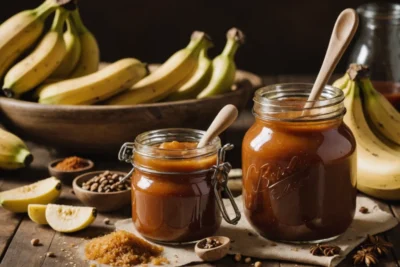
Glass jars provide the best storage option for banana ketchup, as they don’t absorb flavors or odors and allow easy visual inspection. Mason jars with new lids work excellently for both refrigerated and canned storage.
Food-grade plastic containers serve as acceptable alternatives for short-term refrigerated storage. However, plastic may absorb flavors over time and isn’t suitable for hot-pack canning processes.
Avoid metal containers for acidic banana ketchup, as the acid content can cause corrosion and metallic taste development. Stainless steel works for short-term storage but isn’t recommended for extended periods.
Expected Shelf Life for Different Storage Methods
| Storage Method | Temperature | Shelf Life | Quality Notes |
|---|---|---|---|
| Refrigerated Fresh | Below 40°F | 2-3 weeks | Peak flavor and texture |
| Frozen | 0°F or below | 6-8 months | Texture changes upon thawing |
| Canned (Unopened) | 50-70°F | 12-18 months | Maintains 95% nutritional value |
| Canned (Opened) | Below 40°F | 3-4 weeks | Refrigeration required |
Temperature consistency proves more important than exact temperature ranges for maintaining ketchup quality. Fluctuating temperatures accelerate spoilage and reduce expected shelf life across all storage methods.
Label all containers with preparation dates to ensure proper rotation and consumption within optimal timeframes. This practice prevents waste and ensures you enjoy your banana-based creations at their peak quality.
Recipe Variations and Customizations
Transforming your basic sweet tangy banana ketchup recipe opens endless possibilities for flavor exploration. Moreover, these variations allow you to customize the condiment for different dietary needs and cultural preferences.
Sweet and Spicy Banana Ketchup
Adding chili heat creates a perfect balance between sweetness and spice. Furthermore, jalapeños provide mild heat, while habaneros deliver intense fire for adventurous palates.
- Add 1-2 minced jalapeños for gentle warmth
- Include ½ teaspoon cayenne pepper for medium heat
- Incorporate 1 minced habanero for extreme spiciness
- Use chipotle powder for smoky heat complexity
The capsaicin compounds in peppers complement banana’s natural sweetness beautifully. Additionally, removing seeds reduces heat intensity while maintaining pepper flavor profiles.
Caribbean-Style Rum and Tropical Spices
Caribbean banana ketchup incorporates rum and exotic spices for island-inspired flavors. Similarly, allspice and nutmeg create authentic Caribbean taste profiles that transport your senses.
Replace regular vinegar with coconut vinegar for tropical authenticity. Consequently, add 2 tablespoons dark rum during the final cooking stage to develop complex flavor layers.
- ½ teaspoon ground allspice
- ¼ teaspoon fresh grated nutmeg
- 1 tablespoon coconut vinegar
- 2 tablespoons dark rum
- 1 teaspoon lime zest
Filipino Traditional Preparation Methods
Authentic Filipino banana ketchup recipe uses specific techniques that differ from Western preparations. Therefore, understanding these traditional methods ensures cultural accuracy and superior flavor development.
Saba bananas serve as the preferred variety in Filipino cooking, offering firmer texture and concentrated sweetness. However, if unavailable, use slightly underripe regular bananas for similar results.
Traditional Filipino recipes often include banana blossoms for added complexity. Additionally, using coconut sugar instead of white sugar provides deeper caramel notes characteristic of authentic preparations.
Sugar-Free Natural Sweetener Alternatives
Creating sugar-free banana ketchup requires careful sweetener selection to maintain proper consistency and flavor balance. Nevertheless, natural alternatives can successfully replace refined sugar without compromising taste quality.
| Sweetener | Conversion Ratio | Flavor Notes |
|---|---|---|
| Stevia Extract | 1 tsp = 1 cup sugar | Clean, no aftertaste |
| Monk Fruit | 1 tsp = ¾ cup sugar | Neutral sweetness |
| Erythritol | 1 cup = 1 cup sugar | Slight cooling effect |
| Date Paste | ⅔ cup = 1 cup sugar | Rich, caramel notes |
Date paste works exceptionally well because it complements banana flavors naturally. Furthermore, it provides fiber and minerals while maintaining the ketchup’s thick consistency.
Vegan and Allergen-Free Modifications
Standard banana ketchup recipes already qualify as vegan-friendly since they contain no animal products. However, ensuring all ingredients meet strict vegan standards requires careful label reading.
For gluten-free preparation, verify that all spices and vinegars contain no wheat-based additives. Similarly, some commercial vinegars may contain gluten from processing methods.
Allergen Alert
Sulfite-free vinegar alternatives include fresh lemon juice or apple cider vinegar labeled as sulfite-free. Additionally, these options provide cleaner flavor profiles for sensitive individuals.
Large Batch Preparation Scaling
Scaling your banana ketchup recipe for large batches requires mathematical precision and equipment considerations. Therefore, multiplying ingredients proportionally ensures consistent flavor across larger quantities.
When preparing 10x batches, cooking time increases significantly due to larger volumes requiring more evaporation. Consequently, plan for 2-3 times longer cooking periods to achieve proper consistency.
- Calculate ingredient ratios precisely using kitchen scales
- Use larger, heavy-bottomed pots for even heat distribution
- Stir more frequently to prevent bottom scorching
- Test consistency with smaller samples during cooking
- Prepare multiple sterilized jars for immediate canning
Commercial-scale preparation benefits from immersion blenders for consistent texture throughout large batches. Furthermore, this equipment prevents the separation issues common when scaling recipes dramatically upward.
Serving Suggestions and Culinary Uses
Your sweet tangy banana ketchup transforms ordinary meals into extraordinary culinary experiences through strategic pairing and creative applications. Moreover, this versatile condiment adapts beautifully to both traditional and modern cooking styles.
Traditional Pairings with Fried Foods and Grilled Meats
Filipino cuisine traditionally pairs banana ketchup with lumpia (spring rolls), fried chicken, and grilled pork skewers. Additionally, the sauce complements fish and chips by providing sweetness that balances crispy, salty textures.
Grilled meats benefit tremendously from banana ketchup’s caramelized sugars that enhance smoky flavors. Furthermore, the tangy notes cut through rich, fatty proteins like barbecued ribs and bacon-wrapped dishes.
- Fried plantains and sweet potato fries
- Grilled chicken wings and drumsticks
- Pork chops and beef kebabs
- Fish cakes and tempura vegetables
- Corn dogs and onion rings
Creative Uses in Marinades and Glazes
Transform your banana ketchup into marinades by combining equal parts sauce with soy sauce and rice wine. Consequently, this mixture tenderizes proteins while infusing sweet-savory complexity into every bite.
Glazing applications work exceptionally well during the final cooking stages. Therefore, brush the sauce onto roasted vegetables or baked ham during the last 15 minutes for caramelized perfection.
| Marinade Base | Additional Ingredients | Best Proteins |
|---|---|---|
| Banana Ketchup + Soy Sauce | Garlic, ginger, sesame oil | Chicken thighs, pork belly |
| Banana Ketchup + Vinegar | Brown sugar, mustard | Beef short ribs, lamb |
| Banana Ketchup + Citrus | Lime juice, chili flakes | Shrimp, white fish |
Incorporation into Other Recipes and Sauces
Blend banana ketchup with mayonnaise to create thousand island-style dressing for burgers and salads. Similarly, mixing equal parts with sriracha produces a sweet-heat sauce perfect for Asian fusion dishes.
Cocktail sauce receives an tropical upgrade when banana ketchup replaces traditional tomato-based versions. Additionally, the sauce works beautifully in smoothie marinades for grilled fruit desserts.
Pizza sauce applications showcase the condiment’s versatility in Caribbean-inspired flatbreads topped with jerk chicken and pineapple. Furthermore, stirring banana ketchup into fried rice creates Filipino-style sweet rice dishes.
Cultural Serving Traditions and Etiquette
Philippine dining culture serves banana ketchup in small individual bowls alongside communal dishes. Moreover, proper etiquette involves using clean utensils when transferring sauce from shared containers to personal plates.
Caribbean households traditionally offer banana ketchup alongside hot sauce and pickled vegetables as standard table condiments. Consequently, guests can customize heat levels and flavor profiles according to personal preferences.
In Filipino families, banana ketchup appears at every meal, from breakfast eggs to dinner celebrations, representing comfort and hospitality.
Pairing with Specific Cuisines and Dishes
Asian fusion cuisine benefits from banana ketchup’s natural affinity with coconut rice, pad thai, and Vietnamese spring rolls. Additionally, the sauce complements Indian samosas and pakoras through its sweet-tangy profile.
Mexican applications include using banana ketchup as a quesadilla dipping sauce or mixing into black bean burrito bowls. Furthermore, the condiment pairs exceptionally with plantain chips and yuca fries.
American barbecue traditions embrace banana ketchup as an alternative to traditional tomato-based sauces. Therefore, try serving alongside pulled pork sandwiches and coleslaw for tropical barbecue experiences.
Gift-Giving and Presentation Ideas
Homemade banana ketchup makes exceptional gifts when presented in decorative glass jars with custom labels featuring preparation dates and ingredient lists. Moreover, including recipe cards encourages recipients to explore creative culinary applications.
Gift basket presentations work beautifully when combining banana ketchup with complementary items like artisanal crackers, tropical preserves, and specialty vinegars. Additionally, these combinations introduce recipients to complete flavor experiences rather than single condiments.
Professional Presentation Tip
Holiday gift exchanges benefit from themed presentations that include printed serving suggestions and pairing recommendations. Consequently, recipients receive both delicious condiments and educational materials that enhance their cooking repertoires.
Troubleshooting Common Issues
Even experienced cooks encounter challenges when making sweet tangy banana ketchup. However, most problems have straightforward solutions that salvage batches and improve future cooking results.
Fixing Overly Sweet or Overly Tangy Batches
Excessive sweetness occurs when bananas are overripe or sugar measurements exceed recipe requirements. Therefore, add white vinegar gradually, one tablespoon at a time, while tasting between additions. Additionally, incorporating tomato paste balances sweetness without overwhelming the banana flavor.
Conversely, overly tangy ketchup results from too much vinegar or lemon juice during the cooking process. Furthermore, adding brown sugar or honey in small increments corrects excessive acidity. Meanwhile, simmering the mixture longer allows harsh acids to mellow naturally.
Dealing with Separation or Texture Problems
Separation issues typically stem from rapid temperature changes or insufficient blending during preparation. Moreover, using an immersion blender while the mixture is still warm creates smoother consistency. Additionally, straining the ketchup through fine mesh removes lumps and creates professional-quality texture.
Grainy texture indicates incomplete banana breakdown or inadequate cooking time. Consequently, extending the simmering period allows natural fruit fibers to break down completely. Furthermore, properly ripened bananas blend more easily than underripe fruit.
Preventing Burning During Cooking Process
Burnt ketchup ruins entire batches and creates bitter, acrid flavors that cannot be corrected. Therefore, maintaining medium-low heat throughout the cooking process prevents scorching while allowing proper reduction. Additionally, stirring every few minutes ensures even heat distribution.
Heat Control Tip
Using heavy-bottomed pans distributes heat more evenly than thin cookware. Moreover, adding small amounts of water during cooking prevents sticking when the mixture becomes too thick.
Correcting Color Issues Naturally
Pale ketchup lacks the characteristic reddish color that makes banana ketchup visually appealing. However, adding tomato paste or red bell pepper puree enhances color naturally without artificial additives. Additionally, paprika provides subtle color enhancement while contributing mild flavor.
Overly dark ketchup results from excessive caramelization or burnt sugars during the cooking process. Unfortunately, this problem cannot be reversed, but future batches benefit from lower cooking temperatures and shorter cooking times.
Salvaging Batches That Didn’t Set Properly
Thin, watery ketchup indicates insufficient cooking time or inadequate reduction during the simmering process. Therefore, return the mixture to the stove and continue cooking until it reaches proper consistency. Additionally, adding cornstarch slurry (one tablespoon cornstarch mixed with two tablespoons cold water) thickens runny batches quickly.
Overly thick ketchup becomes difficult to pour and loses its smooth texture. Consequently, adding small amounts of warm water or apple juice restores proper consistency. Furthermore, blending the mixture again after adding liquid ensures smooth integration.
Equipment Problems and Alternative Solutions
Blender malfunctions during ketchup preparation require immediate alternative solutions. Therefore, using a potato masher combined with vigorous stirring creates acceptable texture, though not as smooth as machine blending. Additionally, food mills provide excellent alternatives for achieving consistent texture.
Missing ingredients don’t necessarily ruin banana ketchup recipes. Moreover, apple cider vinegar substitutes effectively for white vinegar, while maple syrup replaces brown sugar in equal proportions. Furthermore, garlic powder works when fresh garlic isn’t available, using half the amount specified for fresh cloves.
Finally, inadequate storage containers affect ketchup quality and shelf life. Therefore, transferring finished ketchup to sterilized glass jars ensures proper preservation and prevents contamination that plastic containers might allow.
Frequently Asked Questions
What makes this sweet tangy banana ketchup recipe different from store-bought versions?
This homemade recipe uses natural ingredients like ripe bananas, brown sugar, and vinegar without artificial colors, high fructose corn syrup, or preservatives. Unlike store-bought versions that contain Red Dye #40, this recipe maintains its natural golden color while delivering authentic Filipino and Caribbean flavors.
How long does it take to make sweet tangy banana ketchup from scratch?
The complete cooking process takes approximately 45 minutes: 10 minutes for ingredient preparation and 35 minutes for simmering and thickening. This includes three main stages – mashing bananas, combining ingredients, and simmering until the desired consistency is reached.
Is this banana ketchup recipe suitable for beginners?
Yes, this recipe is perfect for beginners because it requires only basic cooking techniques and common kitchen equipment. The forgiving nature of the recipe means slight variations in cooking time won’t ruin the final product, making it ideal for those new to homemade condiment making.
Can I customize this sweet tangy banana ketchup recipe for different flavor profiles?
Absolutely! This versatile recipe can be customized for both Filipino-style and Caribbean variations. You can adjust sweetness levels, add spices for heat, or modify the vinegar ratio to achieve your preferred sweet-tangy balance without compromising the authentic flavor.
What ingredients do I need for this easy banana ketchup recipe?
The recipe uses simple, natural ingredients including ripe bananas, brown sugar, vinegar, and basic spices. Brown sugar is preferred over white sugar as it adds depth and complexity to the flavor profile while maintaining the authentic taste.
Can this banana ketchup recipe be preserved for long-term storage?
Yes, the finished ketchup can be preserved through proper canning methods for long-term storage. Water bath canning is the recommended method, allowing you to store the ketchup safely for months while maintaining its sweet-tangy flavor.
How much banana ketchup does this recipe yield?
This recipe yields approximately 2 cups of finished banana ketchup, making it perfect for family use or gift-giving. The amount is ideal for trying the recipe without making an overwhelming quantity.
What’s the difference between Filipino and Caribbean banana ketchup?
While both styles use similar base ingredients, Filipino banana ketchup tends to be sweeter and was developed as a tomato ketchup alternative during WWII. Caribbean versions often incorporate more spices and may have varying levels of heat, reflecting the diverse culinary traditions of the islands.
Why use brown sugar instead of white sugar in banana ketchup?
Brown sugar adds depth and complexity to the flavor profile that white sugar cannot provide. It complements the natural sweetness of ripe bananas while contributing molasses notes that enhance the overall taste without overpowering the tangy vinegar balance.
Can I make this banana ketchup recipe without tomatoes?
Yes, this is a completely tomato-free recipe. Traditional banana ketchup was created as an alternative to tomato ketchup, using bananas as the primary base. The natural enzymes in ripe bananas break down during cooking to create the smooth texture typically associated with ketchup.
How do I prevent the banana ketchup from sticking during cooking?
To prevent sticking, you need to stir frequently during the final 20 minutes of cooking. Use medium-low heat and maintain gentle simmering rather than rapid boiling. This ensures even cooking and prevents the sugars from burning or the mixture from sticking to the pan.
What makes this the best banana ketchup recipe for homemade condiments?
This recipe stands out because it achieves the perfect sweet-tangy balance using natural ingredients without artificial additives. The 45-minute cooking process allows flavors to develop fully, while the simple ingredient list makes it accessible to cooks of all skill levels.
Can I make this banana ketchup sweet and spicy?
Absolutely! You can easily adapt this base recipe to create a sweet and spicy version by adding chili peppers, hot sauce, or spices like cayenne pepper during the cooking process. Start with small amounts and adjust to your preferred heat level while maintaining the sweet-tangy foundation.
You May Also Like
Easy Southern Banana Pudding Recipe | Classic Homemade
Easy Banana Ketchup Recipe (No Tomatoes) – Filipino Style