Can I Eat Bananas After Tooth Extraction? Safe Recovery Tips

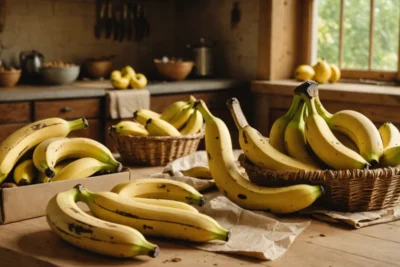
If you’ve just had a tooth extraction, you’re probably wondering what you can safely eat without disrupting the healing process or experiencing pain. The good news is that you can eat bananas after tooth extraction, and they’re actually one of the best foods to choose during your recovery. Bananas are soft, nutritious, easy to chew, and won’t irritate your extraction site when eaten properly. However, timing and preparation matter—eating them too soon or in the wrong way could potentially cause discomfort or complications. This comprehensive guide will walk you through exactly when and how to safely incorporate bananas into your post-extraction diet, along with a complete recovery food timeline to ensure optimal healing.
Can You Eat Bananas After Tooth Extraction? The Short Answer
Yes, you can eat bananas after tooth extraction, typically starting within the first 24 hours after your procedure. Bananas are considered an ideal soft food for tooth extraction recovery because they require minimal chewing, won’t get stuck in the extraction site, and provide essential nutrients your body needs for healing. The key is to eat them at the right temperature (room temperature or slightly cool, never frozen) and in the appropriate texture for your recovery stage.
During the first few days after tooth removal, ripe bananas that are soft and easily mashed are your best option. You can eat them whole if they’re very ripe, mash them into a puree, or blend them into smoothies. Avoid eating bananas that are firm or underripe, as these require more chewing force that could disturb the blood clot forming at your extraction site—a crucial component of proper healing.
The timing for when you can start eating bananas depends on your individual procedure and your dentist’s specific instructions. Most patients can begin eating soft foods like bananas within 3-4 hours after extraction, once the initial bleeding has stopped and any numbness from anesthesia has worn off. However, if you had a more complex extraction, surgical removal, or bone graft, your dentist may recommend waiting longer before introducing solid foods.
Why Bananas Are Ideal for Tooth Extraction Recovery
Bananas offer numerous advantages that make them particularly well-suited for the tooth extraction recovery diet. Understanding why they’re beneficial can help you appreciate their role in your healing process and motivate you to include them in your post-surgical meal plan.
First and foremost, bananas are naturally soft and require minimal chewing effort. When you’re recovering from tooth extraction, reducing mechanical stress on the extraction site is critical. Hard or crunchy foods can dislodge the protective blood clot, leading to a painful condition called dry socket. Bananas, especially when fully ripe, can be easily mashed against the roof of your mouth with your tongue, requiring virtually no chewing at all.
Nutritionally, bananas are powerhouses of healing. They’re rich in potassium, which helps maintain proper fluid balance and supports cellular function during recovery. They also contain vitamin C, which plays a vital role in collagen production—essential for wound healing and tissue repair. The vitamin B6 in bananas supports immune function, helping your body fight off potential infections at the extraction site.
Bananas are also gentle on your stomach, which is important because some pain medications prescribed after tooth extraction can cause nausea or digestive upset. The natural sugars in bananas provide quick energy without being overly sweet or acidic, which could irritate sensitive oral tissues. Additionally, bananas have a neutral pH that won’t sting or burn if they come into contact with your extraction site.
Another significant advantage is that bananas are non-sticky and won’t leave residue in your extraction socket. Unlike foods with seeds, grains, or fibrous textures that can become lodged in the healing area, bananas dissolve easily with saliva and are unlikely to cause complications. This makes them one of the safest soft foods after tooth extraction during the critical first week of recovery.
When Can You Start Eating Bananas After Extraction?
The timeline for eating bananas after tooth extraction varies based on the complexity of your procedure and your individual healing response. Understanding the appropriate timing helps prevent complications while ensuring you get adequate nutrition during recovery.
For most simple extractions, you can begin eating soft, mashed bananas within 3-4 hours after the procedure, once the initial bleeding has subsided and the numbness from local anesthesia has completely worn off. Eating while your mouth is still numb is dangerous because you can’t feel what you’re doing and might accidentally bite your cheek, tongue, or lip. Wait until you have full sensation before attempting to eat anything.
During the first 24 hours after tooth extraction, focus on very soft, cool, or room-temperature foods. A ripe banana that’s been mashed or pureed is perfect for this stage. You can also blend it into a smoothie, but avoid using a straw—the suction can dislodge the blood clot and cause dry socket. Instead, drink smoothies from a cup or spoon them like a pudding.
If you’ve had a surgical extraction, wisdom teeth removal, or a procedure involving bone grafts or stitches, your dentist may recommend a more conservative approach. In these cases, you might need to stick to purely liquid foods for the first 24-48 hours before introducing mashed bananas. Always follow your oral surgeon’s specific dietary instructions, as they understand the unique aspects of your procedure.
By days 2-3, most patients can comfortably eat soft banana slices or whole ripe bananas, as long as they’re careful to chew on the opposite side of the mouth from the extraction site. By day 4-7, eating bananas should feel completely normal, though you should still maintain awareness of the healing area and avoid aggressive chewing motions.
How to Safely Eat Bananas After Tooth Extraction
Knowing how to properly eat bananas after tooth extraction is just as important as knowing when to eat them. Following these safety guidelines will help protect your healing extraction site and prevent complications.
Choose the right ripeness level. Select bananas that are fully ripe with yellow skin and brown spots. These are naturally softer and sweeter, requiring minimal chewing. Avoid green or firm bananas, which are starchy and require more chewing force. The riper the banana, the easier it will be to consume without stressing your extraction site.
Eat at the proper temperature. Room temperature or slightly cool bananas are ideal. Avoid eating bananas straight from the refrigerator, as very cold foods can cause sensitivity and discomfort. Never eat frozen banana pieces during the first week of recovery, as the hardness could damage the healing tissue. If you’ve refrigerated your bananas, let them sit at room temperature for 15-20 minutes before eating.
Chew on the opposite side. When eating banana pieces, always chew on the side of your mouth opposite from the extraction site. This reduces the risk of food particles entering the socket and minimizes pressure on the healing area. If you had multiple extractions or extractions on both sides, stick to mashed or pureed bananas that require no chewing.
Take small bites and eat slowly. Don’t rush your meals. Take small portions, allow the banana to soften in your mouth, and swallow gently. Eating too quickly or taking large bites increases the risk of accidentally disturbing the extraction site or choking while your mouth is still healing and potentially swollen.
Rinse gently after eating. After consuming bananas or any food, gently rinse your mouth with lukewarm salt water (but not during the first 24 hours, as this could dislodge the clot). Don’t swish vigorously—just let the water move gently through your mouth. This helps remove any food particles without disturbing the healing process.
Best Ways to Prepare Bananas for Post-Extraction Eating
Preparing bananas in different ways can make them easier to consume and more enjoyable during various stages of your recovery. These preparation methods accommodate different healing phases and personal preferences while maintaining the nutritional benefits.
Mashed banana is the safest option for the first 24-48 hours after extraction. Simply peel a ripe banana and mash it thoroughly with a fork until it reaches a smooth, pudding-like consistency. You can eat it plain or mix it with a small amount of yogurt (if dairy isn’t restricted by your dentist) or applesauce for added nutrition and flavor. This preparation requires absolutely no chewing and slides down easily.
Banana smoothies are excellent for the first few days of recovery, but remember to consume them without a straw. Blend a ripe banana with milk (dairy or non-dairy), a spoonful of nut butter for protein, and perhaps some oats for additional nutrients. You can add protein powder if recommended by your healthcare provider. Eat the smoothie with a spoon or sip it very gently from a cup—never create suction in your mouth.
Banana puree can be made by blending bananas until completely smooth, creating a consistency similar to baby food. This works well if you find mashed banana too chunky or if you’re experiencing significant swelling that makes eating difficult. You can prepare several servings at once and refrigerate them, though remember to let them return to room temperature before eating.
Soft banana slices become appropriate around days 3-4 for most patients. Cut very ripe bananas into small, thin slices that can be easily pressed against the roof of your mouth with your tongue. This preparation offers more texture variety while still being gentle on your healing mouth.
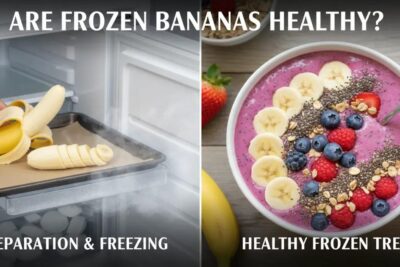
Banana “nice cream” (frozen banana blended into a soft-serve consistency) should be avoided during the first week but can be introduced later in recovery. If you do make this, ensure it’s not too cold and has a very soft, melted consistency rather than being frozen solid.
Banana Combinations for Enhanced Nutrition
During recovery, you need adequate protein, vitamins, and calories to support healing. Combining bananas with other safe foods can boost nutritional value. Mix mashed banana with plain Greek yogurt for protein, blend it with cooked oatmeal for fiber and sustained energy, or combine it with avocado for healthy fats. These combinations provide balanced nutrition while maintaining the soft texture necessary for comfortable eating after tooth extraction.
Foods to Avoid After Tooth Extraction
Understanding which foods to avoid after tooth extraction is crucial for preventing complications and ensuring proper healing. While bananas are safe, many common foods can seriously jeopardize your recovery and should be strictly avoided during the critical healing period.
Hard and crunchy foods top the list of what to avoid. Chips, crackers, nuts, raw vegetables, hard bread, and popcorn can all damage the extraction site, dislodge the blood clot, or become lodged in the socket. Even foods that seem moderately soft, like toast or cookies, can have sharp edges when broken that might scratch or irritate healing tissue. Avoid these foods for at least one week, or longer if your dentist recommends.
Sticky and chewy foods pose significant risks. Caramel, taffy, gummy candies, and even chewing gum can pull at the extraction site and potentially remove the protective blood clot. These foods can also leave residue that’s difficult to clean from the healing area, increasing infection risk. Sticky foods should be avoided for at least two weeks after extraction.
Small-seeded foods like strawberries, raspberries, sesame seeds, poppy seeds, and quinoa can easily become trapped in the extraction socket. Once lodged, these tiny particles are difficult to remove and can cause irritation or infection. If you do eat foods with small seeds, do so very carefully and rinse thoroughly afterward—but it’s best to avoid them entirely during the first week.
Spicy and acidic foods can cause significant discomfort and may slow healing. Hot peppers, citrus fruits, tomato-based sauces, and vinegar-containing foods can sting the extraction site and irritate sensitive tissues. The acidity can also interfere with the healing process. Wait at least 3-5 days before reintroducing mildly acidic foods, and longer for very spicy items.
Extremely hot foods and beverages should be avoided for at least 24-48 hours. High temperatures can dissolve the blood clot, cause burns to healing tissue, and increase bleeding. Let all foods and drinks cool to lukewarm or room temperature before consuming them. This includes coffee, tea, soup, and any heated meals.
Alcoholic beverages must be completely avoided while taking pain medications and for at least 48-72 hours after extraction. Alcohol can interfere with blood clotting, interact dangerously with medications, and slow the healing process. It also has a drying effect that can increase discomfort.
Many patients wonder why no dairy after tooth extraction is sometimes recommended. While not universally restricted, some dentists advise limiting dairy products because they can potentially increase mucus production and may contribute to nausea when combined with pain medications. Additionally, some research suggests dairy might increase inflammation in certain individuals. If your dentist hasn’t specifically restricted dairy, products like yogurt and milk are generally safe, but follow your specific post-operative instructions.
Complete Tooth Extraction Diet Timeline (Day 1-14)
Following a structured post extraction food timeline helps ensure you’re eating appropriate foods at each stage of healing while getting adequate nutrition. This day-by-day guide provides clear expectations for your dietary progression after tooth removal.
Day 1: First 24 Hours After Extraction
The first night after tooth extraction requires the most restrictive diet. Focus on cold or lukewarm liquids and very soft foods that require no chewing. Appropriate options include: mashed bananas, applesauce, plain yogurt, smooth pudding, protein shakes (consumed without a straw), lukewarm broth, and ice cream (in moderation). Avoid anything hot, as heat can dissolve the blood clot. Many patients ask “can I eat 3 hours after tooth extraction?”—yes, once bleeding has stopped and numbness has worn off, you can eat appropriate soft foods. Stay well-hydrated by sipping water frequently, as drinking water is important after extraction to prevent dehydration, support healing, and help flush away bacteria.
Days 2-3: Early Recovery Phase
By the second and third days, you can expand to a wider variety of soft foods after tooth extraction. Continue with mashed bananas, but you can also add: scrambled eggs, oatmeal (cooled to lukewarm), mashed potatoes, smooth soups (not too hot), cottage cheese, soft pasta with butter or mild sauce, mashed sweet potato, and protein-rich foods like silken tofu or well-blended bean purees. Many patients wonder “what can I eat 24 hours after tooth extraction”—at this point, you have more options but should still avoid anything requiring significant chewing. Introduce soft protein foods after oral surgery to support tissue repair and healing.
Days 4-7: Mid-Recovery Expansion
During this phase, most patients experience significant improvement and can tolerate more varied textures. You can now eat: soft banana slices, well-cooked vegetables (mashed or pureed), flaky fish, ground meat in soft preparations, macaroni and cheese, risotto, soft bread (no crust), pancakes, and smoothie bowls. Patients often ask “what can I eat 3 days after tooth extraction”—by day 3-4, you’re transitioning to foods that require gentle chewing on the opposite side of your mouth. Continue avoiding hard, crunchy, or sticky foods. This is when you can explore more delicious meals after dental surgery while still protecting the healing site.
Days 8-14: Late Recovery and Transition
By the second week, most simple extractions are healing well, and you can gradually reintroduce normal foods. Continue being mindful of the extraction site, but you can typically eat: most soft fruits, tender meats, soft sandwiches, pasta dishes, rice (if it doesn’t irritate the area), and most cooked vegetables. Many wonder “can I eat rice after tooth extraction” or “can I eat pasta after tooth extraction”—yes, both are generally safe by the second week, though rice requires more caution as grains can get stuck in the socket. Introduce foods gradually and pay attention to how your mouth responds.
When Can You Eat Normally?
Most patients ask “after tooth extraction when can I eat normally?” The answer varies by individual and procedure complexity. For simple extractions, most people can return to a relatively normal diet by 7-10 days, though complete healing takes several weeks. For surgical extractions or wisdom teeth removal, it may take 2-3 weeks before you can comfortably eat all foods. Always prioritize your comfort and healing over rushing back to your regular diet.
Signs Your Extraction Site Isn’t Healing Properly
Recognizing warning signs of complications allows you to seek prompt treatment and prevent serious problems. While some discomfort is normal after tooth extraction, certain symptoms indicate something is wrong and require immediate attention from your dentist.
Dry socket is one of the most common complications and occurs when the blood clot dislodges or fails to form properly. Symptoms include severe pain that begins 2-3 days after extraction (often worse than the initial post-operative pain), a foul taste or odor in your mouth, visible bone in the socket, and pain that radiates to your ear or neck. Dry socket requires professional treatment—contact your dentist immediately if you suspect this condition.
Infection signs include increasing pain after the first few days (pain should gradually decrease, not worsen), swelling that increases rather than decreases after 48 hours, fever above 100.4°F (38°C), pus or thick yellow/green discharge from the extraction site, difficulty swallowing or breathing, and swollen lymph nodes in your neck. Infections can become serious quickly and require antibiotic treatment.
Excessive bleeding beyond the first 24 hours is abnormal. While slight oozing is normal for the first day, heavy bleeding, blood clots larger than a grape, or bleeding that doesn’t respond to gentle pressure with gauze requires dental attention. Certain foods and activities can trigger renewed bleeding, which is why following dietary restrictions is so important.
Unusual numbness that persists beyond the expected duration of anesthesia (typically 3-5 hours) could indicate nerve damage. While rare, prolonged numbness in your lip, tongue, or chin should be reported to your dentist, especially if it lasts more than 24 hours after the procedure.
Several factors can slow healing and increase complication risk. Smoking is the most significant—it dramatically increases dry socket risk and impairs healing. Poor oral hygiene, not following post-operative instructions, eating inappropriate foods too soon, and certain medical conditions like diabetes can all interfere with recovery. Understanding what slows down healing after tooth extraction helps you avoid these pitfalls and support optimal recovery.
Other Soft Foods Safe After Tooth Extraction
While bananas are excellent, variety in your diet ensures you get balanced nutrition and prevents meal fatigue during recovery. This comprehensive dental soft diet food list provides numerous options for each food category, giving you plenty of choices throughout your healing process.
Protein-Rich Soft Foods
Protein is essential for tissue repair and healing. Safe protein sources include: scrambled eggs, egg salad (without crunchy vegetables), Greek yogurt, cottage cheese, soft tofu, smooth hummus, well-blended protein shakes, flaky fish like cod or tilapia, ground turkey or chicken in soft preparations, and refried beans. These soft protein foods after oral surgery support your body’s healing processes without requiring difficult chewing.
Fruits and Vegetables
Beyond bananas, many fruits and vegetables work well when properly prepared. Try: applesauce, mashed avocado, pureed pears, soft melon, mashed sweet potato, pureed butternut squash, well-cooked and mashed carrots, smooth tomato soup (not too acidic), and pureed vegetable soups. Avoid raw vegetables and fruits with small seeds during the first week.
Grains and Starches
Soft carbohydrates provide energy and comfort. Good options include: oatmeal, cream of wheat, mashed potatoes, soft pasta with butter or cream sauce, white rice (introduced carefully after day 5-7), soft bread without crust, pancakes, and polenta. These foods are filling and easy to prepare while being gentle on your healing mouth.
Cold Soft Foods
Cold soft foods after oral surgery can be particularly soothing, especially during the first 48 hours when you may experience swelling. Consider: ice cream (in moderation), frozen yogurt, pudding, smoothies, milkshakes (consumed without straws), and gelatin. The cold temperature can help reduce inflammation and provide comfort, though avoid anything frozen solid that requires biting.
Complete Meal Ideas
Creating balanced, satisfying meals from soft foods is entirely possible. For breakfast, try oatmeal topped with mashed banana and a drizzle of honey. For lunch, enjoy smooth tomato soup with soft bread and cottage cheese on the side. Dinner could be mashed potatoes with gravy, scrambled eggs with cheese, and pureed vegetables. These soft dinner ideas after dental work prove you don’t have to sacrifice nutrition or satisfaction during recovery.
If you’re looking for extensive variety, many patients search for “50 soft foods to eat after tooth extraction” or even “100 soft foods to eat after tooth extraction” to ensure they have plenty of options. The key is choosing foods that match your current healing stage, provide adequate nutrition, and don’t require aggressive chewing or pose risks to your extraction site.
Nutritional Considerations During Recovery
Proper nutrition plays a vital role in healing after tooth extraction. Your body needs specific nutrients to repair tissue, fight infection, and rebuild bone. Understanding these nutritional needs helps you make smart food choices even within the constraints of a soft food diet.
Protein requirements increase during healing. Your body uses amino acids from protein to build new tissue and repair damaged areas. Aim for at least 60-80 grams of protein daily during recovery. Since many protein sources require chewing, focus on soft options like Greek yogurt, protein shakes, eggs, and pureed legumes. If you’re struggling to meet protein needs through food alone, consider a high-quality protein powder that can be blended into smoothies.
Vitamin C supports wound healing by promoting collagen formation and immune function. Fortunately, bananas contain vitamin C, but you can boost intake with other soft sources like mashed sweet potato, pureed mango, and smooth orange juice (diluted if acidity is a concern). Aim for at least 75-90 mg of vitamin C daily during recovery.
Calcium and vitamin D are crucial for bone healing, especially important if you had a surgical extraction or bone graft. Dairy products like yogurt and milk provide both nutrients, but if you’re avoiding dairy, consider fortified non-dairy alternatives or supplements as recommended by your healthcare provider.
Hydration cannot be overemphasized. Water supports every aspect of healing, helps flush bacteria from your mouth, prevents dry socket, and keeps tissues healthy. Drink at least 8-10 glasses of water daily, sipping frequently rather than gulping. Avoid using straws, which create suction that can dislodge blood clots.
Caloric intake matters too. Some patients eat less during recovery due to discomfort or limited food options, but inadequate calories slow healing. Even if you’re eating smaller portions, choose nutrient-dense foods that provide substantial calories and nutrition. Smoothies with nut butter, avocado, and protein powder can pack significant nutrition into an easy-to-consume form.
Managing Pain and Discomfort While Eating
Even when eating appropriate soft foods like bananas, you may experience some discomfort during the first few days of recovery. These strategies can help minimize pain and make eating more comfortable during the healing process.
Time your meals with pain medication. If you’re taking prescribed pain relievers, plan to eat about 30-45 minutes after taking your medication, when it’s at peak effectiveness. This makes eating more comfortable and helps you maintain adequate nutrition even when experiencing significant post-operative discomfort.
Use temperature to your advantage. Cool foods can provide numbing relief to sore areas, while room-temperature foods are generally most comfortable. Experiment to find what feels best for you, but avoid temperature extremes in either direction during the first week.
Eat smaller, more frequent meals rather than trying to consume large portions. Five or six small meals throughout the day are easier to manage than three large ones, especially when your mouth is sore or swollen. This approach also helps maintain steady energy levels and supports consistent healing.
Create a comfortable eating environment. Sit upright while eating to prevent food from drifting toward the extraction site. Have water nearby for gentle rinsing between bites. Take your time and don’t rush meals—eating slowly reduces the risk of accidentally biting sensitive areas or disturbing the healing site.
Be patient with yourself. Eating after tooth extraction can be frustrating, especially if you’re used to enjoying a varied diet. Remember that this dietary restriction is temporary, and following it carefully now prevents complications that could extend your recovery time significantly.
Special Considerations for Different Types of Extractions
Not all tooth extractions are the same, and your dietary approach may need to be adjusted based on the specific type of procedure you underwent. Understanding these differences helps you follow the most appropriate recovery protocol for your situation.
Simple Extractions
Simple extractions of fully erupted teeth typically have the shortest recovery time and least restrictive dietary requirements. Most patients can begin eating soft foods like mashed bananas within hours of the procedure and progress to a relatively normal diet within 5-7 days. The extraction site heals relatively quickly, and complications are less common.
Surgical Extractions and Wisdom Teeth Removal
Surgical extractions, including impacted wisdom teeth removal, require more extensive healing time. You may need to maintain a very soft or liquid diet for 48-72 hours before introducing foods like mashed bananas. The recovery timeline extends to 10-14 days before resuming a normal diet, and full healing can take several weeks. Be especially cautious about food particles entering multiple extraction sites if you had several teeth removed simultaneously.
Extractions with Bone Grafts
If you’re wondering what to eat after oral surgery bone graft, the answer is that you’ll need to be even more careful than with standard extractions. Bone graft material is delicate and can be easily disturbed. Stick to liquids and very soft purees for the first 3-5 days, introducing mashed bananas only when your oral surgeon approves. Avoid any foods that require chewing on the grafted side for at least two weeks.
Extractions with Stitches
When considering what to eat after dental surgery with stitches or what to eat after oral surgery with stitches, remember that stitches require extra protection. Avoid foods that could catch on or pull the sutures. Very soft, smooth foods like pureed bananas are ideal. Don’t eat anything that requires opening your mouth wide, as this can stress the stitches. Follow your surgeon’s specific instructions about when stitches will dissolve or need removal.
Maxillofacial Surgery
For those recovering from more extensive procedures and wondering what to eat after maxillofacial surgery, dietary restrictions may be more stringent and prolonged. You might need to follow a liquid or pureed diet for an extended period. Work closely with your surgical team to understand when you can progress to soft solids like mashed bananas, as the timeline varies significantly based on the specific procedure performed.
Regardless of your extraction type, always prioritize your surgeon’s specific instructions over general guidelines. Every procedure and patient is unique, and your healthcare provider understands the particular requirements of your situation.
Frequently Asked Questions
Can I eat bananas after tooth extraction?
Yes, you can eat bananas after tooth extraction, and they’re actually one of the best foods for recovery. Bananas are soft, easy to chew, and won’t irritate your extraction site when eaten properly. Wait at least 24 hours after your procedure, and make sure to eat them at room temperature, mashed or in small pieces, and chew on the opposite side of your mouth from the extraction site.
How long after a tooth extraction can I eat a banana?
You can safely eat bananas 24 hours after your tooth extraction once the initial blood clot has formed. For the first 24 hours, stick to liquids and very soft foods like yogurt or applesauce. After the first day, ripe bananas that are mashed or cut into small pieces are an excellent choice that won’t disrupt the healing process.
What is the safest food to eat after tooth extraction?
The safest foods immediately after tooth extraction are cool or room-temperature liquids and purees like yogurt, applesauce, smoothies, and broth. After 24 hours, soft foods like mashed bananas, scrambled eggs, mashed potatoes, and oatmeal are ideal. These foods require minimal chewing, won’t get stuck in the extraction site, and provide necessary nutrition without risking dry socket or infection.
How many days after tooth extraction can you eat normal food?
Most people can gradually return to normal foods 7-10 days after tooth extraction, though this varies by individual healing. Start with soft foods for the first 3-5 days, then slowly introduce semi-solid foods like pasta and soft bread. Avoid hard, crunchy, or chewy foods for at least a week, and always listen to your body—if something causes pain or discomfort, wait a few more days before trying it again.
What can I eat after tooth extraction to prevent dry socket?
To prevent dry socket, eat soft, non-irritating foods like bananas after tooth extraction, yogurt, mashed potatoes, scrambled eggs, and smoothies (without using a straw). Avoid hard, crunchy, sticky, or small-particle foods like nuts, chips, rice, and popcorn that could dislodge the blood clot. Also avoid hot foods and beverages for the first 24-48 hours, as heat can dissolve the protective clot and delay healing.
What slows down healing after tooth extraction?
Several factors can slow healing after tooth extraction, including smoking, using straws, eating hard or crunchy foods, and poor oral hygiene. Smoking restricts blood flow and introduces harmful chemicals to the wound, while suction from straws can dislodge the blood clot. Inadequate nutrition, dehydration, and touching the extraction site with your tongue or fingers can also significantly delay the healing process.
Is day 3 the worst after tooth extraction?
Day 3 is often when swelling and discomfort peak after tooth extraction, making it feel like the worst day for many patients. However, this is actually a sign that your body’s healing response is working properly. After day 3, most people notice gradual improvement in pain and swelling, with significant relief by day 5-7 as long as proper aftercare instructions are followed.
Can I eat mac and cheese after tooth extraction?
Yes, you can eat mac and cheese 2-3 days after tooth extraction, as long as it’s soft, well-cooked, and cooled to room temperature. Make sure the pasta is very tender (not al dente) and avoid any crispy baked toppings. Mac and cheese is actually an excellent recovery food because it’s soft, easy to swallow, and provides protein and calories needed for healing.
Why is drinking water important after extraction?
Drinking water after extraction is crucial for preventing dehydration, flushing away food particles, and supporting the healing process. Adequate hydration helps maintain blood flow to the extraction site, reduces the risk of infection, and prevents dry mouth which can slow recovery. Drink water gently without using a straw, and aim for at least 8 glasses per day to support optimal healing.
What fruit can I eat after tooth extraction?
The best fruits to eat after tooth extraction include bananas, avocados, applesauce, mashed berries, and canned peaches or pears. These fruits are naturally soft or can be easily mashed, providing essential vitamins and nutrients without requiring hard chewing. Avoid citrus fruits for the first few days as the acidity can irritate the extraction site, and always ensure fruits are at room temperature or cool, never hot.
You May Also Like
Are Strawberry Banana Smoothies Healthy? Complete Guide 2026

Why Avoid Bananas During Pregnancy? Safety Guide 2026