Do Bananas Help Tinnitus? Science-Based Research Answer

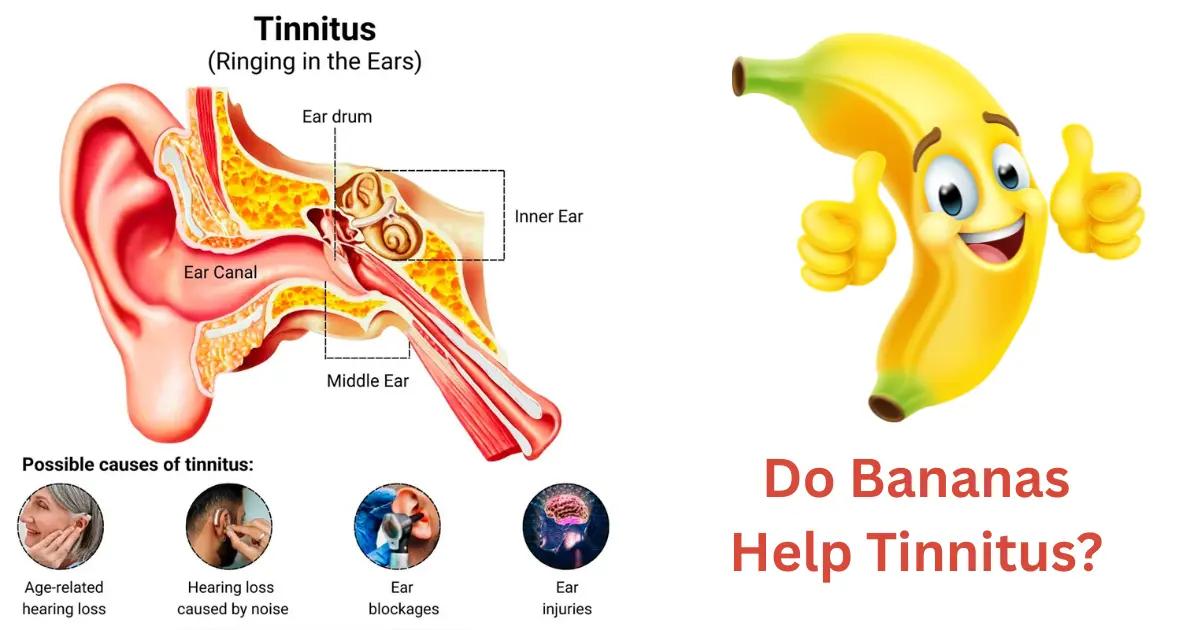
If you’re experiencing the persistent ringing, buzzing, or humming of tinnitus, you’ve probably searched desperately for natural relief options. The question “do bananas help tinnitus?” appears frequently in health forums and natural remedy discussions, often touted as a simple dietary fix for this frustrating condition. While bananas contain several nutrients that theoretically support ear health—particularly potassium and magnesium—the scientific evidence for bananas as a tinnitus cure is more nuanced than social media claims suggest. This comprehensive guide examines the actual research, explains which nutrients in bananas might influence tinnitus symptoms, and provides evidence-based recommendations for dietary approaches to managing ear ringing.
The Quick Answer: Do Bananas Help Tinnitus?
Bananas are not a proven cure for tinnitus, but they may provide modest support for some individuals whose tinnitus relates to specific nutritional deficiencies or blood pressure issues. The relationship between bananas and tinnitus relief centers primarily on three key nutrients: potassium, magnesium, and vitamin B6. Research indicates that severe deficiencies in these nutrients can potentially worsen tinnitus symptoms, and correcting these deficiencies may offer some improvement.
However, it’s crucial to understand that tinnitus has multiple causes—including noise exposure, age-related hearing loss, ear infections, medications, and underlying health conditions. For most people experiencing tinnitus, simply adding bananas to their diet will not eliminate symptoms. The scientific literature does not support bananas as a standalone treatment for tinnitus, though they can be part of a broader nutritional strategy for ear health.
The reality is more complex than a simple yes or no answer. If your tinnitus stems from potassium deficiency, hypertension, or poor circulation—all conditions that bananas may help address—you might experience some symptom reduction. If your tinnitus results from noise-induced hearing damage, Meniere’s disease, or other structural ear problems, bananas alone will likely provide minimal benefit.
Why People Think Bananas Help Tinnitus (The Potassium Connection)
The belief that bananas help tinnitus primarily originates from the fruit’s high potassium content and potassium’s role in inner ear function. The inner ear contains fluid-filled chambers that rely on precise electrolyte balance to function properly. Potassium is essential for maintaining this fluid balance and for proper nerve signal transmission from the ear to the brain.
Anecdotal reports on platforms like Reddit frequently mention that dietary changes, including increased banana consumption, helped reduce their tinnitus symptoms. These personal accounts, while compelling, often involve multiple simultaneous interventions—such as reducing sodium intake, eliminating caffeine, or improving overall diet quality—making it difficult to isolate bananas as the active factor.
The potassium hypothesis gained traction partly because some studies have shown that individuals with Meniere’s disease—a condition characterized by tinnitus, vertigo, and hearing loss—sometimes improve with dietary modifications that include increased potassium and reduced sodium. This led to speculation that potassium-rich foods like bananas might benefit all forms of tinnitus, though this extrapolation isn’t scientifically validated.
Additionally, bananas are frequently recommended in traditional and alternative medicine practices for various ear-related complaints. Some practitioners of Traditional Chinese Medicine include bananas in dietary recommendations for tinnitus, though these recommendations typically form part of comprehensive treatment protocols rather than standalone interventions.
What the Scientific Research Actually Says
The scientific evidence specifically examining bananas for tinnitus relief is extremely limited. No large-scale clinical trials have tested whether banana consumption directly reduces tinnitus symptoms. However, research on the individual nutrients found in bananas provides some relevant insights.
A 2016 study published in the American Journal of Otolaryngology examined nutritional factors in tinnitus patients and found that some individuals with chronic tinnitus had lower serum levels of vitamin B12, though the study did not specifically investigate potassium or magnesium levels. Other research has explored the relationship between electrolyte imbalances and inner ear disorders, suggesting that maintaining proper mineral balance supports auditory function.
Research on magnesium for ear ringing shows more promise. A 2011 study in the International Tinnitus Journal found that magnesium supplementation reduced tinnitus intensity in some patients, particularly those whose tinnitus resulted from noise exposure. Since bananas contain magnesium (though not in exceptionally high amounts), this provides indirect support for their potential benefit.
Studies examining blood pressure and tinnitus have established a connection between hypertension and increased tinnitus severity. A 2016 Brazilian study found that individuals with high blood pressure experienced more severe tinnitus symptoms than those with normal blood pressure. Because bananas contain potassium, which helps regulate blood pressure, they may indirectly benefit tinnitus sufferers whose symptoms are exacerbated by hypertension.
The most honest assessment of current research is that while the nutrients in bananas support general ear health and cardiovascular function, there is no direct evidence that eating bananas will cure or significantly reduce tinnitus for most sufferers. The benefits, if any, are likely indirect and modest.
Nutrients in Bananas That May Affect Tinnitus
Understanding which specific nutrients in bananas might influence tinnitus helps clarify both the potential benefits and limitations of this fruit for ear health. A medium banana (approximately 118 grams) contains several compounds relevant to auditory function.
Potassium is the most abundant mineral in bananas, with one medium fruit providing about 422 milligrams—roughly 9% of the daily recommended intake. Potassium plays a critical role in regulating the fluid in your inner ear, which is essential for converting sound waves into electrical signals your brain can interpret. The inner ear’s endolymph and perilymph fluids require precise potassium concentrations to function optimally.
Magnesium content in bananas is moderate, with about 32 milligrams per medium fruit (8% of daily needs). Magnesium acts as a natural calcium channel blocker and may protect the delicate hair cells in the inner ear from damage. Some research suggests magnesium deficiency can increase susceptibility to noise-induced hearing damage, which often accompanies tinnitus.
Vitamin B6 in bananas (about 0.4 milligrams per fruit) supports nerve function and neurotransmitter production. Since tinnitus involves abnormal neural activity in the auditory pathways, adequate B vitamin intake theoretically supports healthy nerve signaling, though direct evidence for B6 and tinnitus is limited.
Bananas also contain small amounts of vitamin C, which has antioxidant properties that may protect against oxidative stress in the inner ear. Additionally, they provide natural sugars and fiber that help stabilize blood sugar levels—important because blood sugar fluctuations can sometimes trigger or worsen tinnitus in susceptible individuals.
How Magnesium and Potassium Impact Ear Health
The relationship between potassium and tinnitus centers on the mineral’s role in maintaining the electrochemical gradient necessary for hearing. The cochlea in your inner ear contains specialized hair cells that bend in response to sound vibrations, generating electrical signals. This process depends on the movement of potassium ions between different fluid compartments in the ear.
When potassium levels are severely deficient, the inner ear’s ability to maintain proper fluid composition may be compromised, potentially affecting hearing function and contributing to tinnitus symptoms. However, it’s important to note that clinical potassium deficiency (hypokalemia) is relatively rare in healthy individuals eating a varied diet and typically requires blood levels below 3.5 mEq/L to cause symptoms.
Magnesium’s protective effects on ear health are better documented. Research indicates that magnesium helps protect cochlear hair cells from excitotoxicity—a process where excessive stimulation damages or kills cells. This is particularly relevant for noise-induced tinnitus, where loud sounds cause oxidative stress and cellular damage in the inner ear.
A significant study published in the Journal of the American Academy of Audiology found that military personnel who received magnesium supplementation before noise exposure experienced less hearing damage and reduced tinnitus compared to those who didn’t receive supplementation. While this doesn’t prove bananas prevent tinnitus, it suggests that adequate magnesium intake supports ear resilience.
The synergistic relationship between magnesium and potassium is also relevant. These minerals work together to regulate cellular function, and deficiency in one can affect the other’s effectiveness. Magnesium is required for the proper function of the sodium-potassium pump, which maintains the electrical potential across cell membranes—including those in the auditory system.
The Role of Blood Pressure in Tinnitus (Why Bananas Matter)
The connection between blood pressure and tinnitus provides one of the most plausible mechanisms by which bananas might offer benefit. Pulsatile tinnitus—a rhythmic whooshing or thumping that matches your heartbeat—is often directly related to blood flow and vascular issues. Even non-pulsatile tinnitus can be worsened by hypertension.
High blood pressure can affect tinnitus through several pathways. Elevated pressure may increase blood flow turbulence in vessels near the ear, creating audible sounds. Hypertension can also damage the delicate blood vessels that supply the inner ear, potentially worsening hearing function and tinnitus over time. Additionally, some blood pressure medications are ototoxic (harmful to the ear) and can cause or worsen tinnitus as a side effect.
Bananas contribute to blood pressure regulation primarily through their potassium content. Potassium helps counteract sodium’s blood pressure-raising effects by promoting sodium excretion through the kidneys and relaxing blood vessel walls. The DASH (Dietary Approaches to Stop Hypertension) diet, which emphasizes potassium-rich fruits and vegetables, has been shown to effectively lower blood pressure.
For individuals whose tinnitus is exacerbated by hypertension, incorporating bananas as part of a broader blood pressure management strategy may provide indirect symptom relief. However, bananas alone are unlikely to significantly lower blood pressure if other dietary and lifestyle factors aren’t also addressed. Reducing sodium intake, maintaining a healthy weight, exercising regularly, and managing stress are equally or more important than any single food.
It’s worth noting that some individuals report their tinnitus improved after implementing comprehensive dietary changes that included more fruits and vegetables—changes that naturally increased potassium intake while reducing processed foods, sodium, and inflammatory ingredients. In these cases, bananas may have contributed to improvement as part of an overall healthier eating pattern rather than as a specific tinnitus remedy.
How Many Bananas Should You Eat for Tinnitus Relief?
There is no established dosage of bananas for tinnitus because, again, bananas are not a proven treatment. However, if you’re interested in optimizing your intake of the nutrients bananas provide for general ear health, moderation and consistency are key.
For general health, most nutrition experts recommend consuming one to two bananas daily as part of a varied diet rich in fruits and vegetables. This provides approximately 400-850 milligrams of potassium without excessive sugar or calorie intake. The recommended daily potassium intake for adults is 2,600-3,400 milligrams, so bananas alone won’t meet your full requirement—you’ll need other potassium sources as well.
Eating more than two or three bananas daily isn’t necessarily beneficial and could contribute to excess sugar consumption (each banana contains about 14 grams of natural sugars). For individuals with kidney disease or those taking certain medications (particularly potassium-sparing diuretics or ACE inhibitors), excessive potassium intake can be dangerous, so consult your healthcare provider before significantly increasing banana consumption.
If you’re specifically targeting magnesium intake for potential tinnitus relief based on the research showing magnesium’s protective effects, you’d need to consume an impractical number of bananas to reach therapeutic doses. The studies showing benefit from magnesium typically used supplemental doses of 300-600 milligrams daily—equivalent to eating 9-19 bananas, which is neither realistic nor advisable.
A more sensible approach is incorporating bananas as one component of a nutrient-dense diet that includes multiple sources of potassium, magnesium, and other ear-supporting nutrients. Variety ensures you’re not over-relying on any single food and provides a broader spectrum of beneficial compounds.
Other Foods That May Help Tinnitus (Better Than Bananas)
While bananas provide some beneficial nutrients, several other foods that help tinnitus may offer more targeted support based on current research. A comprehensive dietary approach addresses multiple potential contributing factors to tinnitus, including inflammation, oxidative stress, circulation, and nutrient deficiencies.
Leafy green vegetables like spinach, kale, and Swiss chard contain significantly more magnesium than bananas—one cup of cooked spinach provides about 157 milligrams of magnesium compared to 32 milligrams in a banana. These greens also provide folate and other B vitamins that support nerve health. Some individuals report that increasing their intake of dark leafy greens as part of an anti-inflammatory diet helped reduce their tinnitus intensity.
Fatty fish such as salmon, mackerel, and sardines provide omega-3 fatty acids (EPA and DHA) that reduce inflammation and support cardiovascular health. Research has shown that omega-3 supplementation may improve blood flow to the inner ear and reduce tinnitus severity in some individuals. A 2014 study found that tinnitus patients with low omega-3 levels experienced symptom improvement after supplementation.
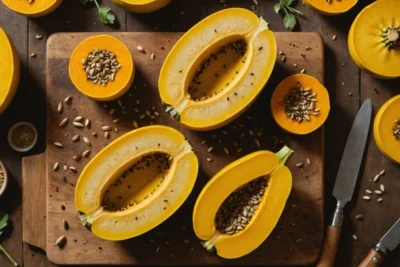
Pumpkin seeds are one of the richest food sources of magnesium and zinc—both minerals implicated in tinnitus. Zinc deficiency has been associated with tinnitus in several studies, and supplementation has shown promise for some sufferers. Just one ounce of pumpkin seeds provides about 150 milligrams of magnesium and 2.2 milligrams of zinc.
Garlic and onions contain compounds that may improve circulation and have anti-inflammatory properties. While direct evidence for tinnitus is limited, improved blood flow to the inner ear theoretically supports auditory function. Some traditional medicine systems recommend these foods for ear health.
Pineapple contains bromelain, an enzyme with anti-inflammatory properties. Some tinnitus sufferers report that pineapple helps reduce symptoms, possibly by decreasing inflammation in the auditory system, though scientific validation is lacking. When people ask “what fruit is good for tinnitus,” pineapple often appears alongside bananas in anecdotal recommendations.
Ginger and turmeric are powerful anti-inflammatory foods that may help if your tinnitus has an inflammatory component. Curcumin, the active compound in turmeric, has been studied for various neurological conditions and shows promise for reducing oxidative stress—a factor in some forms of tinnitus.
Regarding what Chinese people do for tinnitus, Traditional Chinese Medicine often recommends a holistic approach including dietary modifications, acupuncture, and herbal remedies. Dietary recommendations typically include foods believed to nourish kidney energy (as the kidneys are associated with ear health in TCM), such as black sesame seeds, walnuts, and certain mushrooms. However, these traditional approaches lack rigorous scientific validation.
What Doesn’t Work: Tinnitus Myths Debunked
Understanding what doesn’t help tinnitus is as important as knowing what might. Several popular claims about tinnitus natural remedies lack scientific support and can lead to wasted time and money—or even worsen symptoms.
Ginkgo biloba is frequently marketed for tinnitus, but high-quality research has consistently failed to demonstrate significant benefit. A 2013 Cochrane review analyzing multiple studies concluded that ginkgo biloba is not effective for tinnitus. Despite this, it remains one of the most commonly purchased supplements for the condition.
Vitamin B12 injections or high-dose supplementation are sometimes promoted for tinnitus. While severe B12 deficiency can contribute to neurological symptoms including tinnitus, supplementation only helps those who are actually deficient. For individuals with normal B12 levels, additional supplementation provides no benefit for tinnitus.
The idea that eliminating specific foods will cure tinnitus is oversimplified. While some people find that certain foods trigger or worsen their symptoms—commonly caffeine, alcohol, salt, or artificial sweeteners—these triggers are highly individual. There’s no universal “tinnitus diet” that works for everyone. The concept that “diet cured my tinnitus” seen in Reddit posts usually involves comprehensive lifestyle changes rather than simply avoiding one or two foods.
Ear candling is a dangerous practice with no scientific basis that involves placing a hollow candle in the ear canal and lighting it. This does nothing for tinnitus and can cause burns, ear canal obstruction, or eardrum perforation.
Claims about specific foods that increase tinnitus should be viewed skeptically unless you’ve personally identified them as triggers. While some individuals find that high-sodium foods, caffeine, or alcohol worsen their symptoms, these effects aren’t universal. The relationship between diet and tinnitus is complex and individualized.
Stories about “my tinnitus suddenly stopped” after trying a specific remedy should be interpreted cautiously. Tinnitus can fluctuate naturally, and improvement may coincide with but not be caused by a particular intervention. The placebo effect is also powerful—believing something will help can temporarily reduce symptom perception.
Foods and Substances to Limit or Avoid With Tinnitus
While no single food causes tinnitus in everyone, certain dietary factors commonly worsen symptoms for many sufferers. Understanding what to avoid with tinnitus can be as important as knowing what to include.
Excessive sodium is one of the most commonly reported tinnitus triggers. High salt intake can increase blood pressure and cause fluid retention, both of which may worsen tinnitus—particularly in individuals with Meniere’s disease. Most health professionals recommend limiting sodium to 1,500-2,300 milligrams daily for tinnitus sufferers, though individual sensitivity varies.
Caffeine affects tinnitus unpredictably. Some people find that coffee, tea, or energy drinks significantly worsen their ear ringing, while others notice no effect or even report improvement. Caffeine’s stimulant properties can increase neural excitability, potentially amplifying tinnitus perception. If you suspect caffeine worsens your symptoms, try eliminating it for two weeks to assess the effect.
Alcohol can temporarily worsen tinnitus through multiple mechanisms: it dilates blood vessels (potentially increasing blood flow sounds), affects the central nervous system, and can disrupt sleep—and poor sleep consistently worsens tinnitus perception. However, some individuals find that moderate alcohol consumption doesn’t affect their symptoms.
Artificial sweeteners, particularly aspartame, are reported by some tinnitus sufferers to worsen symptoms, though scientific evidence is limited. If you consume significant amounts of diet sodas or sugar-free products, consider whether your tinnitus correlates with consumption.
MSG (monosodium glutamate) is occasionally reported as a tinnitus trigger, possibly due to its excitatory effects on neurons. However, well-controlled studies have not definitively established MSG as a tinnitus cause.
The relationship between oatmeal and tinnitus is unclear. Some individuals include oatmeal in their tinnitus-friendly diet because it’s a whole grain with anti-inflammatory properties and doesn’t commonly trigger symptoms. There’s no specific evidence that oatmeal either helps or harms tinnitus.
When to See a Doctor About Tinnitus
While dietary modifications may provide modest symptom relief for some individuals, tinnitus should not be self-treated without medical evaluation. Certain characteristics of tinnitus require prompt medical attention, and relying solely on dietary changes like eating more bananas could delay diagnosis of serious underlying conditions.
Seek immediate medical care if you experience sudden tinnitus accompanied by hearing loss, dizziness, facial weakness, or severe headache. These symptoms could indicate serious conditions like stroke, acoustic neuroma, or sudden sensorineural hearing loss—medical emergencies requiring urgent treatment.
Schedule a doctor’s appointment if your tinnitus is persistent (lasting more than a week), progressively worsening, affecting only one ear, or significantly impacting your quality of life. Unilateral (one-sided) tinnitus particularly warrants evaluation to rule out structural problems or tumors.
A comprehensive tinnitus evaluation typically includes a hearing test (audiogram), physical examination of the ears, and possibly imaging studies like MRI or CT scans depending on your symptoms. Your doctor will assess for underlying causes including hearing loss, ear infections, temporomandibular joint (TMJ) disorders, cardiovascular problems, or medication side effects.
Many cases of tinnitus result from noise-induced hearing damage, which is permanent but manageable. If this is your diagnosis, protecting your ears from further noise exposure is critical—far more important than any dietary intervention. Using hearing protection in loud environments and avoiding headphone use at high volumes can prevent worsening.
For tinnitus that significantly affects daily life, evidence-based treatments include sound therapy, cognitive behavioral therapy (CBT), and tinnitus retraining therapy (TRT). These approaches help you manage the psychological and emotional impact of tinnitus and can significantly improve quality of life even when they don’t eliminate the sound itself.
Some medications can cause or worsen tinnitus (ototoxic drugs), including certain antibiotics, chemotherapy agents, high-dose aspirin, and loop diuretics. If your tinnitus began or worsened after starting a new medication, discuss this with your doctor—never stop prescribed medications without medical guidance, but alternatives may be available.
The Bottom Line: A Realistic Approach to Diet and Tinnitus
Returning to the original question—do bananas help tinnitus?—the evidence-based answer is that bananas may provide modest, indirect support for some individuals but are not a cure or primary treatment. Their potassium and magnesium content supports general ear health and cardiovascular function, which may benefit those whose tinnitus relates to blood pressure issues or mineral deficiencies. However, most people with tinnitus will not experience significant relief from simply adding bananas to their diet.
A more effective approach involves comprehensive lifestyle modifications: maintaining a nutrient-dense diet rich in anti-inflammatory foods, managing stress, protecting your ears from loud noise, treating underlying health conditions, getting adequate sleep, and working with healthcare providers to address the specific cause of your tinnitus. Bananas can certainly be part of this broader strategy, but they’re not a magic bullet.
If you’re experiencing tinnitus, focus on proven interventions first: seek proper medical diagnosis, protect your hearing from further damage, manage any underlying conditions like hypertension or diabetes, and consider evidence-based treatments like sound therapy or cognitive behavioral therapy. Dietary improvements—including but not limited to eating more bananas—can complement these approaches but shouldn’t replace them.
The most important message is that tinnitus is a symptom, not a disease itself. Identifying and addressing the underlying cause provides the best chance for improvement. While the search for natural remedies is understandable, especially for a condition as frustrating as tinnitus, be skeptical of claims that any single food will cure it. Instead, adopt a holistic approach that addresses your overall health, and work with qualified healthcare providers to develop a personalized management plan.
Frequently Asked Questions
Do bananas help tinnitus or ringing in the ears?
Bananas may provide modest support for tinnitus management due to their potassium and magnesium content, which help regulate inner ear fluid balance and nerve function. However, there is no scientific evidence that bananas directly cure or significantly reduce tinnitus symptoms. While bananas are a healthy addition to any diet, they should be considered part of a broader nutritional approach rather than a standalone treatment for ear ringing.
What fruit is good for tinnitus?
Fruits rich in antioxidants, potassium, and magnesium may support overall ear health, including pineapple, bananas, oranges, and berries. Pineapple contains bromelain, an anti-inflammatory compound, while citrus fruits provide vitamin C that supports blood vessel health in the inner ear. These fruits work best as part of an anti-inflammatory diet rather than as isolated remedies for tinnitus.
What foods stop tinnitus or reduce ear ringing?
No single food can completely stop tinnitus, but certain foods may help reduce symptoms by addressing underlying nutritional deficiencies or inflammation. Foods rich in zinc (pumpkin seeds, oysters), magnesium (spinach, almonds), omega-3 fatty acids (salmon, walnuts), and B vitamins (whole grains, eggs) have shown promise in research. A Mediterranean-style diet emphasizing whole foods, fruits, vegetables, and healthy fats appears most beneficial for managing tinnitus symptoms.
What am I lacking if I have tinnitus?
Common nutritional deficiencies associated with tinnitus include zinc, magnesium, vitamin B12, and vitamin D. Research suggests that people with tinnitus often have lower levels of these nutrients compared to those without the condition. However, deficiencies aren’t the only cause of tinnitus—noise exposure, age-related hearing loss, and other medical conditions also play significant roles.
What foods should you avoid with tinnitus?
Foods that may worsen tinnitus include high-sodium items (processed foods, canned soups), excessive caffeine, alcohol, and foods containing MSG or artificial sweeteners. Salt can increase fluid retention and blood pressure, potentially intensifying ear ringing, while caffeine and alcohol may affect blood flow to the inner ear. Many people with tinnitus also report triggers from sugar, saturated fats, and inflammatory foods.
How can I reduce tinnitus naturally?
Natural tinnitus reduction strategies include maintaining a nutrient-rich diet, managing stress through meditation or yoga, getting adequate sleep, and avoiding loud noise exposure. Regular exercise improves circulation to the inner ear, while sound therapy and white noise machines can help mask symptoms. Addressing underlying conditions like high blood pressure, reducing caffeine and alcohol intake, and ensuring proper hydration may also provide relief.
Are bananas good for tinnitus because of their potassium content?
Yes, the potassium in bananas may theoretically benefit tinnitus sufferers because this mineral helps regulate fluid balance in the inner ear. Proper fluid regulation is essential for optimal hearing function, and potassium deficiency has been linked to hearing problems in some research. That said, while do bananas help tinnitus is a common question, they’re just one of many potassium-rich foods (sweet potatoes, avocados, spinach) that may support ear health as part of a balanced diet.
What is the best thing to eat when having tinnitus?
The best foods for tinnitus are those that reduce inflammation and support nerve and vascular health, including fatty fish rich in omega-3s, leafy greens, nuts and seeds, whole grains, and colorful fruits and vegetables. A diet similar to the Mediterranean diet—emphasizing whole, unprocessed foods—appears most beneficial. Focus on consistent, balanced nutrition rather than searching for a single “miracle food” to cure tinnitus.
Can diet actually cure tinnitus?
While dietary changes alone rarely cure tinnitus completely, they can significantly reduce symptom severity for some people, especially when nutritional deficiencies or inflammation contribute to the condition. Anecdotal reports of “diet cured my tinnitus” typically involve comprehensive lifestyle changes including eliminating trigger foods, addressing deficiencies, reducing inflammation, and managing overall health. Most people experience improvement rather than complete elimination of symptoms through dietary interventions.
What spice or natural remedy stops ear ringing?
Ginger and turmeric are the most researched spices for tinnitus due to their anti-inflammatory and circulation-boosting properties. Ginkgo biloba, while technically an herb rather than a spice, has been studied extensively for tinnitus with mixed results. While these natural remedies may provide some relief, especially when inflammation contributes to symptoms, they work best as complementary approaches alongside proper medical care rather than standalone cures.
You May Also Like

Are Strawberry Banana Smoothies Healthy? Complete Guide 2026

Why Avoid Bananas During Pregnancy? Safety Guide 2026