Purple Banana: Edible Varieties, Where They Grow & Benefits

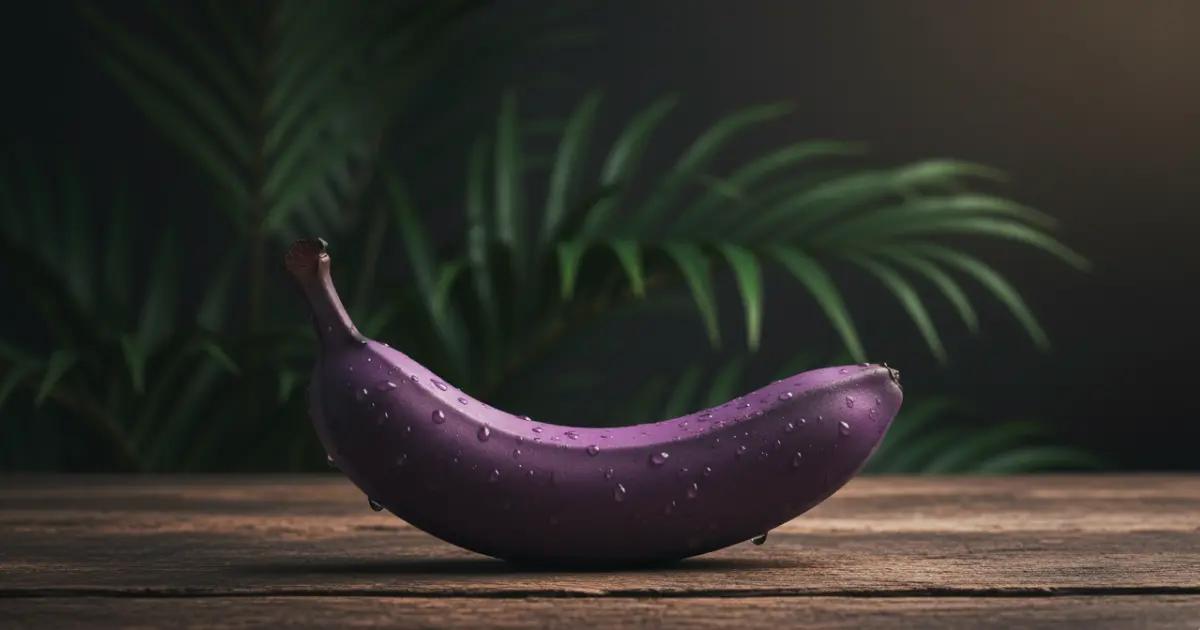
If you’ve stumbled across images of purple bananas online or heard whispers about their existence, you’re probably wondering: are they real, and more importantly, can you actually eat them? The answer is yes—purple bananas are absolutely real, completely edible, and surprisingly delicious. These exotic fruits, which range from deep reddish-purple to maroon in color, are cultivated in tropical regions around the world and offer a unique twist on the familiar yellow banana. While they’re less common in Western supermarkets, purple banana varieties have been enjoyed for centuries in Southeast Asia, Central America, and parts of Africa, prized for their sweeter flavor profile and impressive nutritional benefits.
The term “purple banana” actually encompasses several distinct varieties of bananas that display purple, red, or maroon-colored skin when ripe. Unlike the bright yellow Cavendish bananas that dominate grocery store shelves, these colorful cousins develop their distinctive hue from higher levels of anthocyanins—the same antioxidant compounds that give blueberries and red cabbage their vibrant colors. Whether you’re a fruit enthusiast seeking new flavors, a health-conscious eater looking for nutritional variety, or simply curious about this botanical oddity, understanding purple bananas opens up a fascinating world of tropical fruit diversity.
What Are Purple Bananas? (Introduction to Red/Purple Banana Varieties)
Purple bananas are naturally occurring banana cultivars characterized by their distinctive purple, red, or deep maroon skin coloration. These aren’t genetically modified or artificially colored—they’re heritage varieties that have been cultivated for generations in tropical and subtropical regions. The purple coloration comes from anthocyanin pigments concentrated in the peel, though some varieties also show slight purple or pink tinting in the flesh itself.
The most common purple banana varieties belong to the Musa acuminata species, the same botanical family as yellow bananas, but they’ve developed unique characteristics through natural selection and traditional breeding practices. These bananas typically grow shorter and plumper than standard Cavendish bananas, with thicker peels that protect the creamy, sweet flesh inside. The intensity of the purple color varies depending on the specific variety, growing conditions, and ripeness level—some appear almost burgundy, while others show a reddish-purple hue with hints of brown.
What makes purple bananas particularly interesting from a botanical perspective is their diversity. Unlike the commercial banana industry, which relies almost exclusively on a single Cavendish clone, purple banana cultivation maintains genetic variety across multiple distinct cultivars. This diversity not only provides different flavor profiles and textures but also offers greater resilience against diseases that threaten monoculture banana crops worldwide.
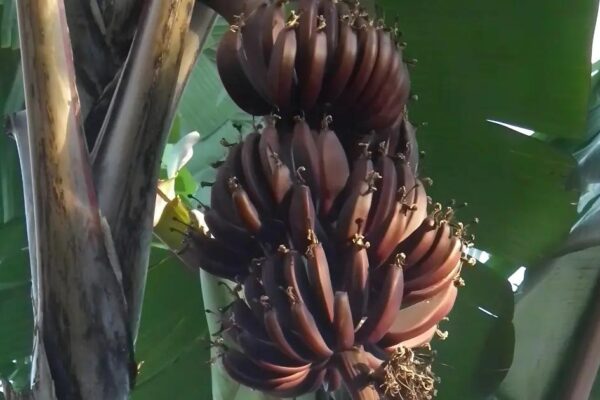
The purple banana plant itself resembles other banana plants, with large, broad leaves and a pseudostem (false trunk) that can reach 10-20 feet in height depending on the variety. The fruit grows in hands (clusters) that hang from the main stalk, just like yellow bananas, though the bunches are often smaller and the individual fruits more compact. When you see a purple banana tree in full fruit, the colorful bunches create a striking visual contrast against the deep green foliage.
Are Purple Bananas Edible and Safe to Eat?
Yes, purple bananas are completely edible and safe to eat—in fact, they’re considered a delicacy in many tropical regions where they’re grown. There’s no toxicity concern whatsoever with purple banana varieties; they contain the same basic nutritional components as yellow bananas, just with enhanced levels of certain beneficial compounds. The purple coloration is entirely natural and comes from anthocyanin antioxidants, which are actually associated with numerous health benefits.
You eat purple bananas exactly as you would any other banana: simply peel away the skin and enjoy the creamy flesh inside. The peel itself, while thicker than yellow banana peels, is not typically consumed, though it’s no more harmful than any other banana peel. Some traditional cuisines do use banana peels in cooking, but this practice isn’t specific to purple varieties and requires proper preparation.
The flesh of most purple banana varieties ranges from cream to pale yellow, sometimes with subtle pink or lavender tinting near the peel. This flesh is perfectly safe and often sweeter than standard yellow bananas, with a smooth, custard-like texture when fully ripe. There are no special preparation requirements—no need to cook them or remove any parts beyond the peel. They can be eaten raw as a snack, added to smoothies, used in baking, or incorporated into any recipe that calls for regular bananas.
One important note about ripeness: purple bananas don’t change color the same way yellow bananas do. While yellow bananas turn from green to yellow to brown-spotted as they ripen, purple bananas may darken slightly but retain their purple-red hue throughout the ripening process. The best indicator of ripeness is softness—gently squeeze the fruit, and if it yields slightly to pressure (similar to a ripe avocado), it’s ready to eat. The skin may also develop some darker patches or a slightly dusty appearance when fully ripe.
From a food safety perspective, purple bananas carry no greater risk than conventional bananas. They should be washed before peeling to remove any surface dirt or residues, and they should be stored at room temperature until ripe, then can be refrigerated to slow further ripening. There are no known allergies specific to purple bananas that don’t also apply to yellow bananas—if you can safely eat regular bananas, you can safely eat purple ones.
Where Do Purple Bananas Grow? (Geographic Origins and Climate)
Purple bananas grow primarily in tropical and subtropical regions across Southeast Asia, Central America, the Caribbean, East Africa, and parts of South America. These regions provide the warm, humid conditions that banana plants require, with temperatures consistently above 60°F (15°C) and ample rainfall throughout the year. Unlike commercial Cavendish bananas that are grown on massive plantations, purple banana varieties are often cultivated on smaller farms, in home gardens, or as part of traditional agricultural systems.
The original home of most purple banana varieties is Southeast Asia, particularly in countries like Indonesia, Malaysia, the Philippines, and Thailand. Archaeological and genetic evidence suggests that bananas were first domesticated in this region thousands of years ago, and many purple varieties represent ancient cultivars that have been maintained through traditional farming practices. In these countries, purple bananas are sold in local markets and are considered a normal part of the fruit diversity available to consumers.
In Central America and the Caribbean, purple banana varieties were introduced during the colonial period and have since become naturalized in many areas. Countries like Costa Rica, Honduras, Guatemala, and various Caribbean islands grow purple bananas both for local consumption and limited export. The climate in these regions—characterized by consistent warmth, high humidity, and volcanic soils—creates ideal growing conditions that produce particularly flavorful fruit.
East Africa, especially Uganda, Kenya, and Tanzania, also cultivates several purple and red banana varieties. In Uganda, bananas are a staple crop, and the diversity of varieties grown includes numerous purple-skinned types used for both fresh eating and cooking. The highland regions of East Africa, with their rich volcanic soils and regular rainfall patterns, support extensive banana cultivation that feeds millions of people.
The climate requirements for purple bananas are similar to those for yellow bananas: they need temperatures between 75-95°F (24-35°C) for optimal growth, with nighttime temperatures not dropping below 60°F (15°C). They require consistent moisture—about 4-6 inches of rainfall per month or equivalent irrigation—and protection from strong winds that can damage the large leaves and developing fruit bunches. Purple bananas grow best in well-draining, nutrient-rich soils with a slightly acidic pH between 5.5 and 7.0.
Interestingly, purple banana cultivation has expanded in recent years to include parts of southern Florida, southern California, Hawaii, and even greenhouse operations in cooler climates. Home gardeners in USDA zones 9-11 have successfully grown purple banana varieties, and some specialty fruit farms in subtropical regions now offer them at farmers’ markets. However, commercial production remains concentrated in traditional tropical growing regions where the climate naturally supports year-round cultivation.
Purple Banana Varieties: Red Dacca, Manzano, and More
Several distinct purple banana varieties are cultivated worldwide, each with unique characteristics in terms of size, flavor, and intensity of coloration. Understanding these varieties helps explain the diversity within the “purple banana” category and why experiences with these fruits can vary significantly.
The Red Dacca (also spelled Red Daca or Red Dacca) is perhaps the most widely recognized purple banana variety. Originating from Southeast Asia, this cultivar produces medium-sized fruits with deep reddish-purple skin that darkens as the fruit ripens. The flesh is cream-colored with a sweet, slightly tangy flavor and a creamy texture. Red Dacca bananas are shorter and plumper than Cavendish bananas, typically measuring 4-6 inches in length. They’re particularly popular in Australia, where they’re sometimes called “Claret bananas,” and in parts of Southeast Asia where they’re sold in local markets.
Manzano bananas (also known as Apple bananas) sometimes display purple or reddish tinting on their skin, though they’re more commonly yellow with purple undertones. These short, chubby bananas have a distinctive apple-strawberry flavor profile and exceptionally creamy texture. While not always classified as a true “purple banana,” Manzano varieties with stronger purple coloration are often grouped with red and purple types. They’re particularly common in Hawaii, Mexico, and Central America.
The Red Spanish or Red Cuban banana is another prominent purple variety, characterized by its deep maroon to purple-red skin and sweet, creamy flesh. These bananas are slightly larger than Red Dacca varieties and have a rich, almost raspberry-like undertone to their flavor. They’re cultivated throughout the Caribbean and Central America, where they’re valued for both fresh eating and cooking applications.
Jamaican Red bananas are a distinct cultivar popular in the Caribbean, featuring reddish-purple skin and sweet, soft flesh. These bananas are particularly prized for their dessert quality—they’re exceptionally sweet when fully ripe and have a smooth, almost pudding-like consistency. Jamaican Red bananas are shorter than standard bananas, typically 4-5 inches long, and develop a dusty purple appearance when at peak ripeness.
The Red Iholena is a Hawaiian variety that produces beautiful purple-red fruits with a unique flavor profile combining banana sweetness with subtle berry notes. This variety is particularly valued by Hawaiian farmers and is sometimes available at specialty markets on the islands. The plants are relatively compact, making them suitable for home garden cultivation in tropical climates.
Namwah (also called Pisang Awak in Southeast Asia) occasionally produces fruits with purple or reddish skin, though coloration varies. This variety is known for its excellent flavor and is widely cultivated throughout Thailand, Malaysia, and Indonesia. When the purple-skinned variants appear, they’re particularly sought after for their enhanced sweetness and attractive appearance.
Each of these varieties has been maintained through vegetative propagation (growing new plants from suckers or tissue culture) rather than seeds, as most edible bananas are seedless or nearly so. This means that a Red Dacca banana grown in Florida is genetically identical to one grown in Southeast Asia, though growing conditions can influence flavor intensity and fruit quality.
What Do Purple Bananas Taste Like?
The purple banana taste is generally sweeter and more complex than standard yellow Cavendish bananas, with many varieties offering subtle berry or tropical fruit undertones that make them particularly appealing to fruit enthusiasts. When you bite into a ripe purple banana, you’ll immediately notice the creamy, smooth texture—often described as custard-like or pudding-like—which is denser and more luxurious than the texture of typical yellow bananas.
Most purple banana varieties have a pronounced sweetness that intensifies as the fruit ripens. This sweetness isn’t just a higher sugar content (though that plays a role); it’s also a more nuanced, complex sweetness with hints of raspberry, strawberry, or even mango depending on the specific variety. Red Dacca bananas, for example, have a sweet flavor with slight tangy notes that balance the richness, while Jamaican Red bananas lean toward pure, intense sweetness with almost no acidity.
The texture is where purple bananas really distinguish themselves. The flesh tends to be firmer and creamier than Cavendish bananas, with less of the mealy or starchy quality that sometimes appears in underripe yellow bananas. When perfectly ripe, a purple banana has an almost melting quality—it dissolves smoothly on the tongue without any fibrous or stringy texture. This makes them exceptional for eating fresh, but also ideal for smoothies, ice cream, or baking applications where a smooth, creamy consistency is desired.
Some people describe what purple bananas taste like as “banana candy” or “the platonic ideal of banana flavor”—they deliver the essence of banana taste but amplified and refined. This is partly because many purple varieties are heritage cultivars that haven’t been bred primarily for shipping durability and shelf life, unlike commercial Cavendish bananas. Instead, they’ve been selected over generations for flavor and eating quality, resulting in a more intense, satisfying taste experience.
The aroma of purple bananas is also notably different—more fragrant and tropical, with a perfume-like quality when fully ripe. This aromatic intensity translates to the flavor, creating a multi-sensory eating experience that makes purple bananas memorable for first-time tasters. The smell alone can fill a room when you have a bunch of ripe purple bananas, similar to how ripe mangoes or pineapples perfume the air.
It’s worth noting that purple bananas must be eaten at the right stage of ripeness to appreciate their full flavor potential. Unlike yellow bananas, which many people eat while still slightly firm, purple bananas are best when they’ve softened considerably and the skin has darkened. At this stage, the starches have fully converted to sugars, and the complex flavor compounds have developed completely. An underripe purple banana can taste bland or even slightly astringent, but a perfectly ripe one is a revelation.
Purple Banana Nutritional Benefits and Health Advantages
The purple banana benefits extend beyond their delicious taste to include impressive nutritional advantages, particularly in their antioxidant content. The same anthocyanin compounds that give purple bananas their distinctive color are powerful antioxidants associated with reduced inflammation, improved cardiovascular health, and potential cancer-preventive properties. These antioxidants are largely absent from yellow bananas, making purple varieties nutritionally superior in this important category.
Purple bananas contain all the standard nutritional benefits of regular bananas—they’re excellent sources of potassium, vitamin B6, vitamin C, and dietary fiber—but with enhanced levels of certain beneficial compounds. A medium purple banana (approximately 100 grams) typically provides about 90-100 calories, 23-25 grams of carbohydrates, 2-3 grams of fiber, and 400-450 mg of potassium. The potassium content supports healthy blood pressure, proper muscle function, and electrolyte balance, making purple bananas an excellent post-workout snack.
The anthocyanin content in purple bananas is particularly noteworthy. These flavonoid compounds have been extensively studied for their health benefits, which include improved cognitive function, reduced risk of heart disease, better blood sugar regulation, and anti-inflammatory effects throughout the body. While the exact anthocyanin content varies by variety and growing conditions, purple bananas can contain 10-20 times more of these compounds than yellow bananas, placing them in the same category as blueberries and blackberries for antioxidant power.
Purple bananas are also rich in beta-carotene and other carotenoids, which the body converts to vitamin A. These compounds support eye health, immune function, and skin health. The vitamin C content in purple bananas supports immune function, collagen production, and acts as an additional antioxidant that works synergistically with the anthocyanins to protect cells from oxidative damage.
The fiber content in purple bananas includes both soluble and insoluble fiber, which support digestive health, help regulate blood sugar levels, and promote feelings of fullness. The resistant starch in slightly underripe purple bananas acts as a prebiotic, feeding beneficial gut bacteria and supporting a healthy microbiome. As the banana ripens, this resistant starch converts to simple sugars, so eating purple bananas at different stages of ripeness provides different nutritional benefits.
For people managing blood sugar, purple bananas offer an advantage over some other sweet fruits. Despite their sweetness, they have a moderate glycemic index (around 45-50 for most varieties), meaning they cause a gradual rise in blood sugar rather than a sharp spike. The fiber content and resistant starch help slow sugar absorption, making them a reasonable choice even for people with diabetes when consumed in appropriate portions.
The vitamin B6 content in purple bananas is particularly high, with a medium fruit providing about 20-25% of the daily recommended intake. Vitamin B6 is crucial for brain health, neurotransmitter production, and protein metabolism. Combined with the potassium content, this makes purple bananas excellent for supporting nervous system function and mental clarity.
Some research suggests that the unique combination of antioxidants in purple bananas may offer specific benefits for cardiovascular health beyond what yellow bananas provide. The anthocyanins help protect blood vessels from oxidative damage, reduce inflammation in arterial walls, and may help prevent the oxidation of LDL cholesterol—a key step in the development of atherosclerosis.
How Purple Bananas Compare to Yellow Bananas (Nutrition Chart)
Understanding how purple bananas stack up against their yellow counterparts helps clarify why these colorful fruits are worth seeking out. While both types of bananas offer excellent nutrition, purple varieties provide enhanced levels of certain beneficial compounds that make them nutritionally superior in several categories.
| Nutrient (per 100g) | Purple Banana | Yellow Banana (Cavendish) |
|---|---|---|
| Calories | 90-100 | 89-95 |
| Carbohydrates | 23-25g | 23g |
| Fiber | 2.5-3g | 2.6g |
| Protein | 1.1-1.3g | 1.1g |
| Potassium | 400-450mg | 358mg |
| Vitamin C | 10-12mg | 8.7mg |
| Vitamin B6 | 0.4-0.5mg | 0.4mg |
| Anthocyanins | High (10-50mg) | Trace amounts |
| Beta-carotene | Higher | Moderate |
| Antioxidant capacity (ORAC) | Significantly higher | Moderate |
The most significant nutritional difference between purple and yellow bananas lies in their antioxidant content. Purple bananas contain substantially higher levels of anthocyanins, beta-carotene, and other polyphenolic compounds that contribute to their superior antioxidant capacity. When measured by ORAC (Oxygen Radical Absorbance Capacity), a standard test for antioxidant power, purple bananas score 2-3 times higher than yellow Cavendish bananas.
In terms of mineral content, purple bananas generally provide slightly more potassium than yellow varieties, though both are excellent sources of this essential electrolyte. The potassium in both types of bananas supports heart health, muscle function, and helps counteract the effects of sodium in the diet. Purple bananas also tend to have marginally higher levels of magnesium and manganese, minerals important for bone health and metabolic function.
The vitamin content is comparable between the two types, with purple bananas offering slightly more vitamin C and similar levels of B vitamins. Both types provide good amounts of vitamin B6, which supports brain function and helps the body produce serotonin and norepinephrine. The vitamin C content in both banana types contributes to immune function and collagen production, though neither type is as rich in vitamin C as citrus fruits or berries.
From a caloric and macronutrient perspective, purple and yellow bananas are nearly identical. Both provide primarily carbohydrates in the form of natural sugars and starches, with minimal fat and modest protein content. This makes both types excellent sources of quick, natural energy for athletes or anyone needing a healthy snack. The fiber content is similar, supporting digestive health and helping to slow the absorption of sugars into the bloodstream.
The glycemic index of purple bananas is comparable to or slightly lower than yellow bananas, ranging from 45-50 depending on ripeness. This moderate GI means that both types cause a gradual rise in blood sugar rather than a sharp spike, making them suitable for most people when consumed in reasonable portions. The resistant starch content in less-ripe bananas of both types provides additional blood sugar benefits.
One area where purple bananas particularly excel is in their phytonutrient diversity. Beyond anthocyanins, they contain a broader spectrum of flavonoids, carotenoids, and other plant compounds that work together to provide health benefits. This phytochemical diversity is one reason why eating a variety of colorful fruits and vegetables is recommended—different colors indicate different beneficial compounds.
Where to Buy Purple Bananas (Availability and Price)
Finding where to buy purple bananas can be challenging in many Western countries, as they’re not part of the standard commercial banana supply chain. However, several options exist for those determined to try these exotic fruits, ranging from specialty stores to online sources and even growing your own.
Asian and Latin American grocery stores are your best bet for finding purple bananas in the United States, Canada, and Europe. These ethnic markets often carry a wider variety of tropical fruits than mainstream supermarkets, and purple bananas occasionally appear when they’re in season and available from importers. Stores catering to Filipino, Thai, Caribbean, or Central American communities are particularly likely to stock them. Call ahead to ask if they carry “red bananas” or “purple bananas” (sometimes labeled as “Morado” in Spanish markets) to save yourself a trip.
Farmers markets in tropical and subtropical regions sometimes offer purple bananas, especially in areas like southern Florida, Hawaii, southern California, and parts of Texas. Small-scale farmers who grow diverse fruit varieties may have purple banana plants and bring the fruit to market when available. These local sources often provide the freshest, best-tasting purple bananas since they can be harvested closer to peak ripeness than imported fruit.
Specialty fruit retailers and online sources have made purple bananas more accessible in recent years. Companies that specialize in exotic and tropical fruits sometimes offer purple bananas for shipping, though availability is seasonal and prices are significantly higher than yellow bananas due to limited supply and shipping costs. Expect to pay $3-8 per pound for purple bananas from specialty sources, compared to $0.50-1.50 per pound for conventional yellow bananas.
Whole Foods and upscale grocery chains occasionally carry red or purple bananas, though availability varies greatly by location and season. Stores in areas with diverse populations or strong interest in specialty produce are more likely to stock them. If your local Whole Foods or similar store doesn’t carry purple bananas, you can request them through the produce manager—stores sometimes special order items if there’s customer demand.
In countries where purple bananas are grown locally—such as Thailand, Malaysia, Indonesia, the Philippines, parts of Central America, and East Africa—they’re readily available in regular markets and often cost the same or only slightly more than yellow bananas. If you’re traveling to these regions, seeking out purple bananas in local markets is an excellent way to experience authentic tropical fruit culture and taste these bananas at their absolute best.
The price of purple bananas varies dramatically based on location and source. In growing regions, they might cost $0.50-2.00 per pound. In Western countries through specialty retailers, expect $4-8 per pound or even higher. Online sources that ship fresh purple bananas often charge premium prices ($20-40 for a small box) due to the costs of sourcing, handling, and expedited shipping required to deliver them in good condition.
Seasonality affects availability—purple bananas are not available year-round in most markets outside tropical growing regions. Peak availability in North American specialty markets tends to be late summer through fall, though this varies by source and variety. Building a relationship with produce managers at ethnic markets or specialty stores can help you learn when shipments arrive and ensure you don’t miss opportunities to purchase them.
For those unable to find fresh purple bananas, freeze-dried or frozen purple banana products are emerging as alternatives, though they’re still relatively rare. Some health food stores and online retailers offer freeze-dried red banana chips or frozen purple banana puree, which can provide a taste of these fruits even when fresh ones aren’t available.
How to Eat and Prepare Purple Bananas
Eating and preparing purple bananas is fundamentally the same as working with yellow bananas, though there are some specific tips that help you get the best experience from these special fruits. The key is understanding ripeness indicators and knowing how to showcase their unique flavor and texture.
Eating fresh is the most popular way to enjoy purple bananas. Simply peel and eat them as you would any banana—the peel pulls away easily when the fruit is ripe. Because purple bananas are sweeter and creamier than yellow varieties, they make an exceptional standalone snack. For the best flavor, wait until the banana yields to gentle pressure and the skin has darkened slightly. Unlike yellow bananas where you might prefer them slightly firm, purple bananas really shine when they’re fully soft and the sugars have fully developed.
In smoothies, purple bananas are outstanding. Their creamy texture creates an exceptionally smooth, thick consistency, and their intense sweetness means you may need less added sweetener. Try blending a ripe purple banana with berries, spinach, and your choice of milk for a nutrient-dense smoothie that’s naturally sweet and beautifully colored. The anthocyanins from the purple banana combine with berry antioxidants for an extra health boost.
For baking, purple bananas work wonderfully in any recipe calling for mashed bananas. Use them in banana bread, muffins, pancakes, or cakes—their extra sweetness and moisture create particularly tender, flavorful baked goods. The purple color doesn’t transfer significantly to baked items (the anthocyanins break down with heat), but the enhanced flavor definitely comes through. You might reduce added sugar slightly when using purple bananas in recipes designed for yellow bananas.
Frozen purple banana “nice cream” is a revelation. Peel ripe purple bananas, cut them into chunks, freeze them completely, then blend the frozen chunks in a food processor or high-powered blender until smooth and creamy. The result is a naturally sweet, dairy-free ice cream alternative with an incredibly rich, smooth texture. The intense banana flavor of purple varieties makes this simple preparation taste like gourmet ice cream.
Sliced on cereal, oatmeal, or yogurt, purple bananas add natural sweetness and beautiful color contrast. Their firm-yet-creamy texture holds up well when sliced, and they don’t brown as quickly as some yellow banana varieties. The visual appeal of purple banana slices makes breakfast bowls particularly Instagram-worthy while adding genuine nutritional value.
In fruit salads, purple bananas contribute both flavor and visual interest. Their sweetness complements tart fruits like pineapple and citrus, while their creamy texture provides contrast to crisp apples or juicy melons. Cut them into chunks just before serving to prevent excessive browning, though purple bananas generally oxidize more slowly than yellow varieties.
Grilled or caramelized purple bananas make an elegant dessert. Slice them lengthwise, brush with a little butter or coconut oil, and grill or pan-fry until caramelized. The natural sugars caramelize beautifully, creating a rich, complex flavor. Serve over ice cream, with whipped cream, or alongside other grilled fruits for a simple but impressive dessert.
In traditional preparations from cultures where purple bananas are common, they might be used in curries, wrapped in leaves and steamed, or cooked into sweet rice dishes. While these applications are less common in Western cooking, they showcase the versatility of purple bananas beyond simple fresh eating.
One important tip: don’t refrigerate purple bananas until they’re fully ripe. Like all bananas, they should ripen at room temperature. Once ripe, you can refrigerate them to slow further ripening—the skin will darken considerably in the refrigerator, but the flesh inside remains good for several days. For long-term storage, peel and freeze ripe purple bananas in chunks for use in smoothies or nice cream.
Growing Purple Bananas: Can You Grow Them at Home?
Yes, you can absolutely grow purple bananas at home if you live in the right climate or have the ability to provide appropriate growing conditions. Purple banana plants are no more difficult to grow than yellow banana varieties—they require the same tropical or subtropical conditions, and with proper care, they can produce fruit even in home garden settings.
Climate requirements are the primary consideration. Purple banana plants thrive in USDA hardiness zones 9-11, where temperatures rarely drop below 50°F (10°C). They need consistent warmth, with ideal growing temperatures between 75-95°F (24-35°C). In cooler climates, purple bananas can be grown in large containers and brought indoors during winter, or grown in greenhouses where temperature and humidity can be controlled. However, fruiting is much more reliable in truly tropical or subtropical climates.
Obtaining plants is easier than you might think. Many online nurseries specializing in tropical plants sell purple banana varieties, including Red Dacca, Manzano, and other cultivars. You’ll typically receive either a small potted plant or a “pup” (sucker) that you plant and grow. Prices range from $20-60 depending on size and variety. Look for reputable tropical plant nurseries that can ship to your location and provide growing instructions specific to your chosen variety.
Planting and soil requirements are straightforward. Purple bananas need rich, well-draining soil with plenty of organic matter. Amend your planting area with compost, aged manure, or other organic materials to create a nutrient-rich environment. The soil should be slightly acidic to neutral (pH 5.5-7.0). Plant in a location that receives full sun to partial shade—at least 6-8 hours of sunlight daily is ideal. Ensure good drainage, as banana plants don’t tolerate waterlogged soil.
Watering needs are substantial. Banana plants are heavy drinkers, requiring consistent moisture throughout the growing season. Water deeply 2-3 times per week during hot weather, more frequently if growing in containers. The soil should remain consistently moist but not waterlogged. Mulching around the base helps retain moisture and suppress weeds while adding organic matter as it decomposes.
Fertilization is crucial for healthy growth and fruit production. Banana plants are heavy feeders, requiring regular applications of balanced fertilizer or organic alternatives. Apply a balanced fertilizer (such as 10-10-10) monthly during the growing season, or use organic options like compost tea, fish emulsion, or aged manure. The large leaves and rapid growth of banana plants demand substantial nutrients, particularly nitrogen and potassium.
Time to fruiting varies by variety and growing conditions, but most purple banana plants produce their first fruit bunch 12-24 months after planting. The plant grows a pseudostem (false trunk) that eventually produces a flower stalk, which develops into a hanging bunch of bananas. After fruiting, that particular pseudostem dies back, but the plant produces new suckers (pups) that grow into new fruiting stems, creating a continuous cycle of production.
Container growing is possible for those in cooler climates or with limited space. Choose a large container (at least 15-20 gallons) with excellent drainage. Use a high-quality potting mix amended with compost and perlite for drainage. Container-grown purple bananas need more frequent watering and fertilization than in-ground plants. Move containers indoors or to a protected location when temperatures drop below 50°F (10°C), though fruiting may not occur if the plant experiences significant cold stress.
Pest and disease management for purple bananas is similar to other banana varieties. Watch for aphids, spider mites, and banana weevils. Fungal diseases like Panama disease and Sigatoka can affect bananas, though diverse home garden conditions are generally less susceptible than monoculture plantations. Good air circulation, proper spacing, and avoiding overhead watering help prevent fungal issues.
Harvesting occurs when the bananas are full-sized but still green. Unlike buying bananas from the store, you’ll cut the entire bunch when the fruits have filled out but before they begin to ripen on the plant. Hang the bunch in a shaded area to ripen gradually. This allows you to control ripening and prevents overripening or pest damage that can occur if left on the plant too long.
Growing purple bananas at home provides not only delicious fruit but also dramatic tropical landscaping. The large, lush leaves create a bold architectural statement in the garden, and the colorful fruit bunches are genuinely spectacular when they appear. Even if you never harvest a single banana, the plants themselves are worth growing for their ornamental value in tropical and subtropical landscapes.
Conclusion: The Unique Appeal of Purple Bananas
Purple bananas represent a fascinating intersection of botanical diversity, nutritional excellence, and culinary delight. These colorful fruits prove that the banana world extends far beyond the ubiquitous yellow Cavendish, offering flavors, textures, and health benefits that make them worth seeking out. Whether you encounter them at a specialty market, grow them in your own tropical garden, or taste them while traveling in regions where they’re commonly cultivated, purple bananas provide a memorable fruit experience that expands our understanding of what bananas can be.
The enhanced antioxidant content, particularly the anthocyanins that give purple bananas their distinctive color, positions them as a nutritionally superior choice for health-conscious consumers. Combined with their exceptional sweetness, creamy texture, and complex flavor profile, purple bananas offer both pleasure and nutrition in a single package. As interest in diverse, heritage fruit varieties continues to grow, purple bananas are likely to become more available in Western markets, giving more people the opportunity to experience these remarkable fruits.
For those passionate about fruit diversity, sustainable agriculture, or simply discovering new flavors, purple bananas represent an important reminder that agricultural biodiversity matters. While commercial banana production has narrowed to a single vulnerable variety, the continued cultivation of purple, red, and other banana types maintains genetic diversity that could prove crucial for the future of banana farming. By seeking out and supporting purple banana cultivation, consumers contribute to preserving these valuable heritage varieties for future generations to enjoy.
Frequently Asked Questions
Are purple bananas edible?
Yes, purple bananas are completely edible and safe to eat. These exotic fruits have a creamy texture similar to regular bananas but often feature a slightly sweeter, richer flavor profile. The purple banana varieties, including the Red Dacca and Musa acuminata, are cultivated specifically for consumption in tropical regions worldwide.
Where do purple bananas grow?
Purple bananas grow primarily in tropical and subtropical regions including Southeast Asia, Central America, East Africa, and parts of Australia. They thrive in warm, humid climates with temperatures between 75-95°F and require well-drained, nutrient-rich soil. Countries like India, the Philippines, Costa Rica, and Uganda are among the primary cultivators of purple banana varieties.
Do purple bananas taste good?
Purple bananas taste excellent and are often described as sweeter and creamier than yellow Cavendish bananas. Many people detect subtle notes of raspberry or berry flavors alongside the traditional banana taste. The texture is typically softer and more velvety, making them a favorite among those who discover them.
Are purple bananas good for you?
Yes, purple bananas are highly nutritious and offer similar health benefits to yellow bananas, with some added advantages. They contain higher levels of antioxidants, particularly anthocyanins (the same compounds found in blueberries), which give them their distinctive color. Purple bananas are rich in potassium, vitamin C, vitamin B6, and dietary fiber, supporting heart health, digestion, and immune function.
Are purple bananas natural?
Purple bananas are completely natural and not genetically modified or artificially colored. They are naturally occurring varieties of the Musa genus that have evolved with purple or reddish-purple peels due to higher concentrations of anthocyanin pigments. These varieties have been cultivated and consumed by indigenous populations for centuries.
What do purple bananas taste like?
The purple banana has a sweet, creamy flavor that’s often richer than standard yellow bananas. Depending on the variety, you may notice hints of berry, raspberry, or even a slight tangy undertone. The flesh is typically creamier and less starchy, especially when fully ripe, creating a dessert-like eating experience.
What is the healthiest color banana to eat?
Purple and red bananas are often considered among the healthiest due to their higher antioxidant content from anthocyanins. However, all banana colors offer excellent nutrition—yellow bananas are rich in potassium and easily digestible, while green bananas provide resistant starch beneficial for gut health. The healthiest choice depends on your specific nutritional needs and ripeness preference.
Are purple bananas healthy for diabetics?
Purple bananas can be part of a diabetic diet when consumed in moderation and as part of a balanced meal plan. They have a similar glycemic index to yellow bananas (around 42-58, depending on ripeness), which is considered low to medium. The fiber content in purple bananas helps slow sugar absorption, though portion control remains important for blood sugar management.
Why are purple bananas less common than yellow bananas?
Purple bananas are less common because they have a shorter shelf life, are more delicate during shipping, and produce lower yields than the Cavendish variety that dominates global markets. The commercial banana industry prioritized durability and consistency over diversity, making exotic varieties like the purple banana primarily available in their growing regions or specialty markets. Their rarity also makes them more expensive and harder to find in standard grocery stores.
You May Also Like
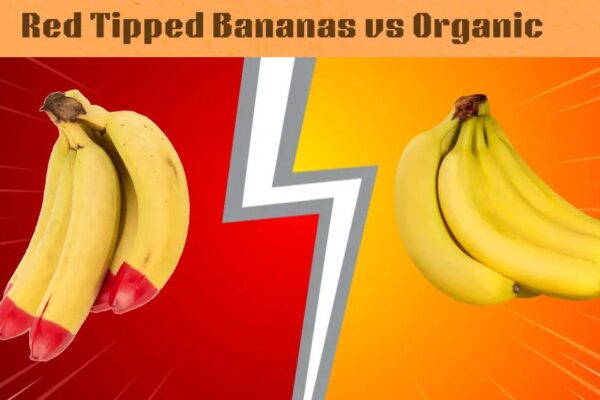
Red-Tipped Bananas vs Organic: Which to Buy in 2025
Why Do Organic Bananas Taste Better? Science & Facts