Why Do Organic Bananas Taste Better? Science & Facts

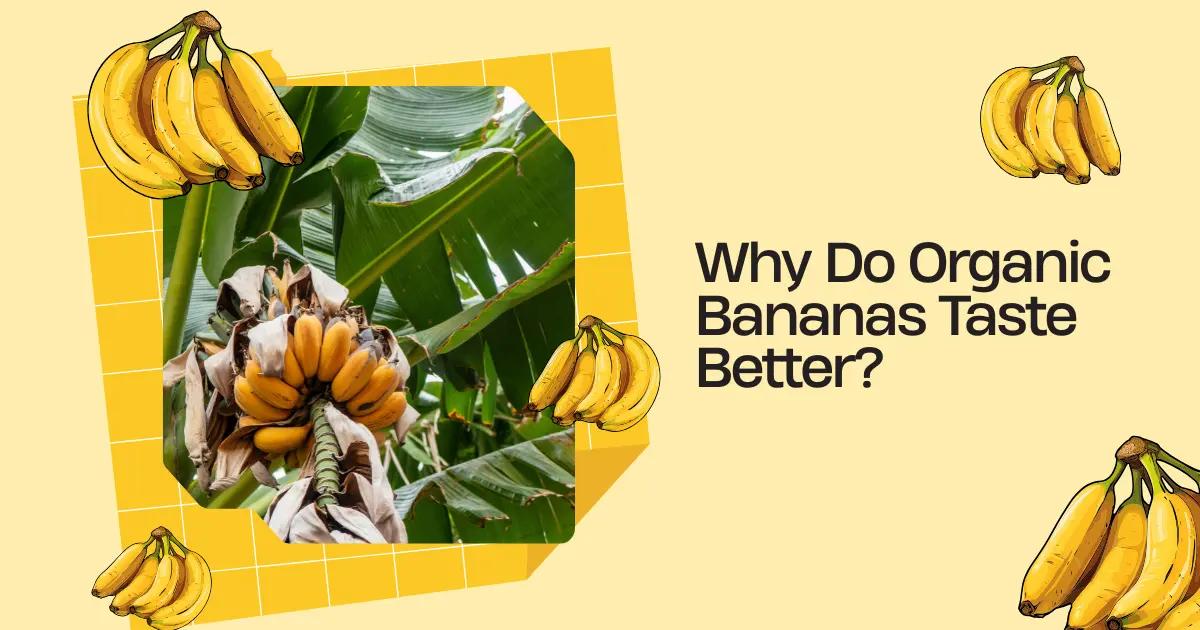
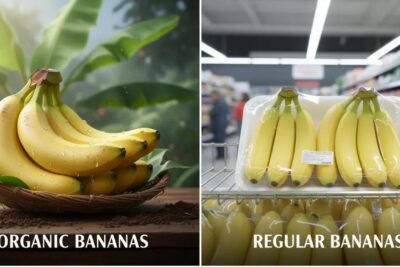
If you’ve ever noticed that organic bananas taste better than their conventional counterparts, you’re not alone. Many shoppers report a sweeter, more complex flavor profile in organic bananas, but is this difference real or simply a perception influenced by price and marketing? The truth is that organic bananas often do taste different—and in many cases, better—due to a combination of soil health, ripening methods, variety selection, and reduced chemical exposure. Understanding why organic bananas taste better can help you make informed decisions at the grocery store and get the most flavor for your money.
The taste difference between organic and conventional bananas isn’t just in your head. Scientific research and agricultural practices reveal several key factors that contribute to the enhanced flavor of organic bananas, from the nutrient-rich soil they grow in to the careful handling they receive during transportation. Whether you’re a dedicated organic shopper or simply curious about whether the premium price is justified, this comprehensive guide will explore the real story behind why organic bananas deliver superior taste.
Do Organic Bananas Actually Taste Better? The Science
The question of whether organic bananas taste better has been studied through both sensory analysis and chemical composition research. Multiple blind taste tests have shown that trained tasters and everyday consumers can often distinguish between organic and conventional bananas, with organic varieties frequently receiving higher scores for sweetness, flavor complexity, and overall palatability.
The scientific basis for this taste difference lies in the biochemical composition of the fruit. Organic bananas typically contain higher levels of natural sugars and aromatic compounds that contribute to their characteristic flavor. Research published in agricultural journals has demonstrated that organically grown fruits often have elevated concentrations of secondary metabolites—compounds that enhance taste, aroma, and nutritional value.
One key factor is the sugar-to-acid ratio. Organic bananas tend to develop a more balanced ratio during ripening, creating a sweeter perception without being cloying. This balance is influenced by the growing conditions, particularly soil health and the absence of synthetic fertilizers that can push rapid growth at the expense of flavor development.
Additionally, organic farming practices often result in slower fruit maturation, allowing bananas more time to develop their full flavor profile. Conventional bananas, grown with synthetic nitrogen fertilizers, may grow faster but can have a more diluted taste due to increased water content and reduced concentration of flavor compounds.
Why Organic Bananas Taste Sweeter: Soil and Growing Conditions
The foundation of superior banana flavor begins in the soil. Organic banana plantations rely on natural soil amendments like compost, green manure, and organic fertilizers that create a rich microbial ecosystem. This diverse soil biology helps banana plants access a broader spectrum of nutrients, which directly impacts the fruit’s flavor development.
Healthy, biologically active soil produces bananas with higher levels of minerals like potassium, magnesium, and calcium. These minerals don’t just contribute to nutritional value—they also play crucial roles in sugar synthesis and flavor compound development. Potassium, in particular, is essential for carbohydrate metabolism in bananas, influencing both sweetness and texture.
Conventional banana farms typically use synthetic fertilizers that provide quick-release nitrogen, phosphorus, and potassium in simplified formulations. While these fertilizers promote rapid growth and high yields, they can create an imbalanced nutritional profile in the fruit. The soil microbiome in conventional farms is often less diverse due to repeated chemical applications, potentially limiting the plant’s access to trace minerals and beneficial compounds.
Organic growing conditions also tend to involve better water management practices. Overwatering, common in some conventional operations to maximize size and weight, can dilute the natural sugars and flavor compounds in bananas. Organic farmers often use more measured irrigation approaches that concentrate flavors rather than diluting them.
The absence of synthetic pesticides in organic banana cultivation allows beneficial insects and microorganisms to thrive, creating a more balanced ecosystem. This natural balance can reduce plant stress, and less-stressed plants produce better-tasting fruit. When banana plants aren’t fighting off the side effects of chemical inputs, they can dedicate more energy to developing complex flavor profiles.
The Ripening Process: Organic vs Conventional Bananas
The journey from green to yellow significantly impacts banana flavor, and this process differs between organic and conventional bananas. Most bananas sold in stores are picked green and ripened artificially using ethylene gas. However, the timing, method, and conditions of this ripening can vary substantially.
Conventional bananas are often subjected to more aggressive ripening protocols to meet tight distribution schedules. They may be exposed to higher concentrations of ethylene gas for shorter periods, forcing rapid color change without allowing the full development of sugars and aromatic compounds. This rushed ripening can result in bananas that look ready to eat but haven’t developed their complete flavor potential.
Organic bananas, while also typically ripened with ethylene (a natural plant hormone), often undergo more gradual ripening processes. Many organic distributors use lower ethylene concentrations over longer periods, allowing the starches to convert to sugars more completely. This slower conversion creates a sweeter, more flavorful banana with better texture.
The ripening environment also matters. Temperature and humidity control during ripening affects flavor development. Organic banana handlers often maintain stricter environmental controls to ensure consistent, high-quality ripening. Conventional operations, dealing with larger volumes and tighter margins, may have more variable ripening conditions.
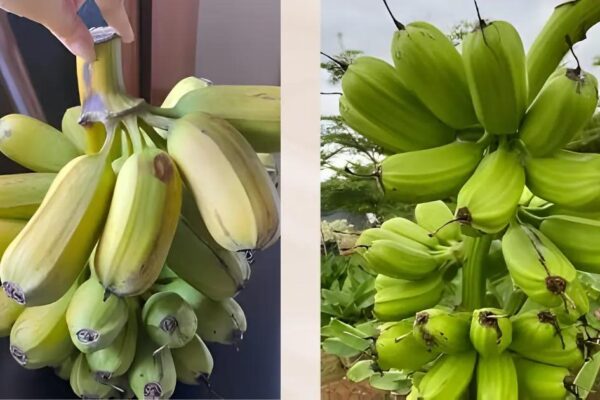
Interestingly, some consumers report that organic bananas won’t ripen as quickly at home or seem to stay green longer. This isn’t necessarily a defect—it may indicate that the bananas were picked at a slightly different maturity stage or have thicker peels due to different growing conditions. If you’re wondering what to do with bananas that won’t ripen, try placing them in a paper bag with an apple or ripe banana to concentrate ethylene gas around them.
Chemical Residues and Flavor Impact
One of the most significant differences between organic and conventional bananas relates to chemical residue, and this directly affects taste. Conventional bananas are among the most heavily treated fruits in commercial agriculture, with multiple pesticide, fungicide, and herbicide applications throughout their growing cycle.
While the thick peel of bananas provides some protection, research has shown that pesticide residues can migrate into the fruit flesh to varying degrees. More importantly for taste, these chemicals can affect the banana plant’s metabolism, potentially altering the development of flavor compounds. Some fungicides, for example, can interfere with the enzymatic processes that create the aromatic esters responsible for banana’s characteristic smell and taste.
Conventional banana plantations often use post-harvest treatments as well. Bananas may be washed with fungicides to prevent crown rot during shipping, and these chemicals can leave residues that affect both smell and taste. Some sensitive tasters report detecting a slightly bitter or chemical aftertaste in conventional bananas that’s absent in organic varieties.
Are organic bananas sprayed with pesticides? Yes, but only with approved organic pesticides, which are typically derived from natural sources and break down more quickly. Organic standards prohibit synthetic pesticides, and the allowed treatments are generally less likely to affect flavor. The reduced chemical load means the banana’s natural flavor compounds can express themselves more fully.
The question “are non organic bananas safe to eat” is important to address. Conventional bananas are generally considered safe by regulatory standards, as pesticide residues typically fall within established safety limits. However, the cumulative effect of these residues on flavor is undeniable, even if the health implications remain debated.
Variety Matters: Organic Bananas and Cultivar Selection
Not all bananas are created equal, and the variety or cultivar plays a crucial role in flavor. The vast majority of bananas sold worldwide are Cavendish bananas, but within organic production, there’s often more diversity in the specific sub-varieties and growing selections used.
Organic banana growers sometimes cultivate heritage varieties or specific Cavendish sub-types selected for flavor rather than purely for yield and shipping durability. Conventional banana production prioritizes varieties that can withstand long-distance transport, resist bruising, and maintain appearance—traits that don’t always align with optimal flavor.
The question of whether bananas are genetically modified is worth addressing here. Currently, commercially available bananas—both organic and conventional—are not genetically modified in the GMO sense. However, all modern bananas are the result of centuries of selective breeding and are technically non genetically modified bananas in the modern biotech sense. The banana gmo history is actually about traditional cultivation rather than laboratory gene insertion.
Are organic bananas genetically modified? No, organic certification prohibits GMO crops. Are bananas genetically modified to not have seeds? Not through modern genetic engineering—the seedless nature of commercial bananas resulted from natural mutations that were propagated through cloning over thousands of years. The question “are bananas genetically modified plantains” reflects confusion about banana taxonomy; plantains and dessert bananas are different cultivars of the same species, developed through traditional breeding.
Organic farmers often have more flexibility to experiment with flavor-forward varieties because they’re not locked into the same industrial supply chains as conventional growers. Some organic operations grow multiple banana varieties, selecting those that perform best in their specific climate and soil conditions, which can result in superior taste.
Blind Taste Tests: What Research Shows
Scientific blind taste tests provide the most objective evidence about whether organic bananas taste better. Multiple studies conducted by universities and consumer research organizations have examined this question with interesting results.
A comprehensive study published in the Journal of Agricultural and Food Chemistry found that trained sensory panels could distinguish between organic and conventional bananas with statistical significance. The organic samples received higher scores for sweetness intensity, aromatic complexity, and overall flavor preference. Importantly, these differences persisted even when the bananas were at identical ripeness stages, eliminating ripeness as a confounding variable.
Consumer preference studies tell a similar story. When everyday shoppers participate in blind tastings—where they don’t know which banana is organic—a majority consistently prefer the taste of organic bananas. The margin isn’t overwhelming (typically 60-70% preference for organic), but it’s statistically significant and consistent across multiple studies.
Discussions on platforms like Reddit reveal that many consumers notice the taste difference even without formal testing. Organic bananas taste better reddit threads are filled with anecdotal reports of people who switched to organic bananas and immediately noticed improved flavor. While anecdotal evidence isn’t scientific proof, the consistency of these reports across different demographics and regions is noteworthy.
Interestingly, some studies have found that the taste difference is more pronounced when bananas are eaten fresh rather than used in cooking. When bananas are baked into banana bread or other recipes, the flavor differences between organic and conventional become less detectable, as other ingredients and cooking processes mask the subtle distinctions.
Chemical analysis supports the taste test findings. Gas chromatography studies have identified higher concentrations of key flavor compounds in organic bananas, including isoamyl acetate (the compound that gives bananas their characteristic smell) and various other esters and alcohols that contribute to fruity, sweet notes.
Freshness and Transportation Differences
The journey from farm to table significantly impacts banana flavor, and organic bananas often travel differently than conventional ones. While both types are typically shipped green and ripened near their destination, the handling protocols and supply chain structures can vary in ways that affect final taste quality.
Organic banana supply chains are often shorter and more direct. Many organic bananas come from smaller farms or cooperatives that ship to regional distributors rather than massive centralized facilities. This can mean less time in transit and fewer handling steps, preserving freshness and flavor.
Temperature control during shipping is critical for maintaining banana quality. Bananas should be kept at specific temperatures (typically 56-58°F or 13-14°C) to prevent premature ripening or cold damage. Organic distributors, often working with premium products and willing to invest in quality, may maintain more consistent temperature control throughout the supply chain.
The question “do organic bananas last longer than regular bananas” has a nuanced answer. Some consumers report that organic bananas have a longer shelf life, while others find the opposite. The reality is that shelf life depends more on handling, ripeness at purchase, and storage conditions than on organic status alone. However, organic bananas may have thicker peels due to different growing conditions, which can provide slightly better protection and extend shelf life.
Why do organic bananas last longer in some cases? It may relate to harvest timing and ripening protocols. If organic bananas are picked at optimal maturity and ripened more gradually, they may have a more stable post-ripening period. Conversely, if you find that organic bananas won’t ripen or are wondering why your bananas are still green after a week, this could indicate they were picked less mature or need warmer storage conditions to trigger ripening.
Transportation stress affects flavor development. Bananas subjected to rough handling, temperature fluctuations, or extended storage periods can develop off-flavors or fail to ripen properly. The premium nature of organic bananas often means they receive gentler handling throughout the supply chain, preserving their flavor potential.
Are Organic Bananas Worth the Price for Taste?
The price difference between organic and conventional bananas is one of the most common barriers to choosing organic. Understanding organic bananas vs regular bananas price helps contextualize the value proposition. Organic bananas typically cost 50-100% more than conventional bananas, with prices varying by region, season, and retailer.
To answer whether organic bananas are worth it from a taste perspective, consider your priorities and budget. If flavor is your primary concern and you eat bananas regularly, the enhanced taste of organic bananas may justify the extra cost. The difference in actual dollars is often modest—perhaps $0.50-$1.00 more per bunch—which translates to pennies per banana.
For those asking “how much is a bunch of bananas at walmart” or checking the “1 bunch of bananas cost,” conventional bananas typically range from $0.50-$1.50 per pound, while organic varieties run $1.00-$2.50 per pound. Stores like Walmart often stock both Dole organic bananas and conventional options, allowing direct price comparison.
The value equation changes if you’re using bananas primarily for cooking or smoothies. In these applications, where banana flavor is mixed with other ingredients or processed, the subtle taste advantages of organic bananas become less noticeable. For fresh eating, however, the flavor difference is most apparent and may be worth the premium.
Are organic bananas better than regular bananas beyond taste? Nutritionally, the differences are minimal. Organic bananas nutrition facts show similar calorie, potassium, and vitamin content to conventional bananas. One organic banana calories typically ranges from 90-120 depending on size, virtually identical to conventional bananas. The Dole organic banana nutrition facts confirm this nutritional similarity.
Environmental and ethical considerations also factor into the worth equation. Organic banana farming typically has lower environmental impact, with reduced pesticide runoff, better soil health, and often more sustainable labor practices. If these factors matter to you, they add value beyond taste alone.
For budget-conscious shoppers, a hybrid approach might work best: buy organic bananas when they’re on sale or when you plan to eat them fresh, and choose conventional for cooking applications or when budget is tight. This strategy maximizes flavor where it matters most while managing costs.
How to Choose the Best-Tasting Bananas (Organic or Not)
Whether you choose organic or conventional, selecting the best-tasting bananas requires knowing what to look for. The ripeness stage at purchase is the single most important factor for flavor, regardless of growing method.
For immediate eating, choose bananas with bright yellow peels and small brown spots (called sugar spots). These indicate that starches have fully converted to sugars, delivering maximum sweetness and flavor. Avoid bananas with large brown areas or split peels, as these may be overripe with fermented flavors.
If you’re buying bananas to ripen at home, select those that are mostly yellow with green tips or slightly green overall. These will ripen over 2-5 days at room temperature. Never refrigerate unripe bananas, as cold temperatures prevent proper ripening and can cause the peel to turn brown while the inside remains hard and starchy.
For those wondering how to ripen green bananas overnight, the paper bag method is most effective: place bananas in a paper bag with an apple or ripe tomato, which releases ethylene gas to speed ripening. However, true overnight ripening is nearly impossible—the process typically takes at least 24-48 hours even with ethylene exposure.
If you’re experiencing issues where bananas stay green for extended periods—such as “why are my bananas still green after 2 weeks” or “why are my bananas still green after 3 weeks”—the problem likely relates to storage temperature (too cold) or the bananas being picked too immature. Store bananas at room temperature (65-75°F or 18-24°C) away from air conditioning vents or cold windows.
When comparing organic vs conventional bananas taste at the store, look for bananas with smooth, unblemished peels and a plump appearance. Avoid those with a dull, grayish cast to the peel, which can indicate cold damage or age. Organic bananas may have slightly thicker peels and more variation in size, which is normal and doesn’t affect flavor.
Consider the source when possible. Bananas from specific regions or brands may have consistent quality regardless of organic status. Some consumers find that certain conventional brands (like premium Dole or Chiquita lines) rival organic bananas in taste, while budget conventional bananas show more noticeable flavor differences.
For those interested in the broader health implications, bananas offer benefits beyond basic nutrition. Research suggests that bananas contain compounds that may support dopamine production, though the question “is banana good for dopamine” requires noting that bananas provide dopamine precursors rather than dopamine itself. The resistant starch in green bananas has been studied for digestive health, with some evidence that green banana may be beneficial for IBS symptoms in certain individuals. Bananas’ potassium content contributes to their ability to help regulate blood pressure, answering “can bananas lower blood pressure” with a qualified yes—as part of a balanced diet. Regarding “are bananas good for mucus,” there’s limited scientific evidence, though some people with mucus sensitivity prefer to avoid bananas during illness.
Ultimately, the best-tasting banana is one that’s properly ripened and handled, whether organic or conventional. However, when all other factors are equal, organic bananas consistently demonstrate superior flavor due to the combination of soil health, reduced chemical exposure, careful ripening, and often better variety selection.
The Bottom Line on Organic Banana Flavor
The evidence is clear: organic bananas taste better for most people, and this difference is rooted in real agricultural and biochemical factors rather than mere perception. The combination of nutrient-rich soil, reduced chemical exposure, more careful ripening processes, and often superior variety selection creates bananas with enhanced sweetness, more complex flavor profiles, and better overall eating quality.
The taste advantage of organic bananas is most noticeable when eating them fresh and fully ripe. Blind taste tests, chemical analysis, and consistent consumer reports all support the conclusion that organic growing methods produce superior flavor. While the difference may not be dramatic enough to convert everyone, it’s significant enough that many banana lovers consider the premium price worthwhile.
Whether organic bananas are worth the extra cost depends on your individual priorities, budget, and how you use bananas. For fresh eating and maximum flavor, organic bananas offer a clear advantage. For cooking, smoothies, or budget-conscious shopping, conventional bananas remain a perfectly acceptable choice. The good news is that with proper selection and ripening techniques, both organic and conventional bananas can deliver delicious results—though organic varieties maintain a consistent edge in the flavor department.
As you navigate the produce aisle, remember that the best banana is one that’s properly ripened, carefully handled, and enjoyed at peak freshness. If you have the option and budget to choose organic, you’re likely to notice the difference in taste. If not, you can still enjoy excellent bananas by focusing on ripeness, freshness, and proper storage. The choice is yours, but now you understand the real story behind why organic bananas taste better.
Frequently Asked Questions
Do organic bananas taste better than regular bananas?
Yes, organic bananas often taste better due to healthier soil conditions, slower ripening processes, and reduced chemical exposure. Many consumers report that organic bananas have a sweeter, more complex flavor with better texture compared to conventional bananas. The difference is attributed to farming practices that prioritize soil health and natural ripening methods rather than artificial gas ripening.
Are organic bananas actually healthier than conventional bananas?
Organic bananas are healthier in that they contain no synthetic pesticide residues and are grown in nutrient-rich soil, which can result in higher antioxidant levels. While both types provide similar basic nutrients like potassium and fiber, organic bananas avoid the chemical treatments used in conventional farming. The absence of fungicides and synthetic ripening agents makes them a cleaner choice for health-conscious consumers.
Why do organic bananas taste better than conventional ones?
Organic bananas taste better because they’re typically grown in healthier, more nutrient-dense soil and allowed to ripen more naturally. Conventional bananas are often picked earlier and ripened with ethylene gas in warehouses, which can result in uneven ripening and less developed sugars. Organic farming practices also tend to use banana varieties selected for flavor rather than just shelf life and shipping durability.
Do you really need to buy organic bananas?
While banana peels protect the fruit from direct pesticide contact, buying organic bananas is still beneficial for taste, environmental reasons, and supporting sustainable farming. If you prioritize flavor and want to avoid supporting pesticide-intensive agriculture, organic is worth the extra cost. However, if budget is a concern, conventional bananas are still nutritious and the thick peel does provide some protection from chemical residues.
Are organic bananas sprayed with pesticides?
Organic bananas are not sprayed with synthetic pesticides, but they may be treated with approved organic pesticides like neem oil or copper-based fungicides. These natural alternatives are significantly less toxic than conventional pesticides and break down more quickly in the environment. Organic certification standards strictly regulate what can be used, ensuring minimal chemical intervention throughout the growing process.
Do organic bananas last longer than regular bananas?
Organic bananas typically have a shorter shelf life than conventional bananas because they ripen more naturally without synthetic preservatives or controlled atmosphere storage. They may brown faster once ripe, but this is actually a sign of natural ripening and fuller flavor development. To extend their freshness, store organic bananas at room temperature until ripe, then refrigerate to slow further ripening.
How can I make bananas taste sweeter naturally?
To make bananas taste sweeter, allow them to ripen fully until they develop brown spots, which indicates maximum sugar conversion from starches. You can also try roasting or grilling bananas to caramelize their natural sugars, or freeze overripe bananas for a sweeter, creamier texture. Choosing organic bananas that have been allowed to ripen naturally often results in sweeter fruit from the start.
Can diabetics eat bananas every day?
Diabetics can eat bananas in moderation, but portion control is important due to their natural sugar and carbohydrate content. A small to medium banana contains about 14-15 grams of sugar and 27 grams of carbs, so it’s best consumed with protein or healthy fats to minimize blood sugar spikes. Choosing slightly greener bananas, which have more resistant starch and less sugar, can be a better option for blood sugar management.
Can bananas help lower blood pressure?
Yes, bananas can help lower blood pressure due to their high potassium content, which helps balance sodium levels and relax blood vessel walls. A medium banana provides about 422mg of potassium, roughly 9% of the daily recommended intake. Regular consumption of potassium-rich foods like bananas, as part of a balanced diet, has been shown to support cardiovascular health and healthy blood pressure levels.
You May Also Like
Red-Tipped Bananas vs Organic: Which to Buy in 2025

Black Banana Tree: 5 Dark Varieties That Thrive (Growing Guide)