Are Bananas Good for Diarrhea? Science-Based Answer

Is banana good for diarrhea or does it make it worse? Bananas are generally excellent for treating diarrhea because they contain pectin, a soluble fiber that helps absorb excess water in the intestines and firms up loose stools. Additionally, bananas provide essential potassium to replace electrolytes lost during diarrhea episodes.
The effectiveness of bananas for diarrhea depends largely on their ripeness. Green bananas contain higher levels of resistant starch and pectin, making them more effective for binding loose stools than fully ripe yellow bananas. However, ripe bananas are easier to digest and still provide beneficial nutrients.
Bananas are a cornerstone of the medically recommended BRAT diet (Bananas, Rice, Applesauce, Toast) for good reason. Furthermore, they work alongside other binding foods like boiled eggs, oatmeal, and Greek yogurt to help stop diarrhea fast while providing essential nutrition during recovery.
TL;DR
- Bananas help stop diarrhea due to pectin content that absorbs excess water and firms stools
- Green bananas are more effective than ripe ones because of higher resistant starch and pectin levels
- Part of the BRAT diet and work best when combined with rice, toast, and other binding foods
- Provide essential potassium to replace electrolytes lost during diarrhea episodes
- Generally safe for most people but may worsen symptoms in those with fructose malabsorption
The Science Behind Bananas and Diarrhea: What Research Shows
Scientific research demonstrates that bananas contain specific compounds that effectively treat diarrhea through multiple mechanisms. Pectin, a soluble fiber found in bananas, acts as a natural binding agent that absorbs excess water in the intestinal tract. This absorption process transforms loose, watery stools into firmer, more formed bowel movements.
Moreover, pectin works by creating a gel-like substance when it combines with water in the digestive system. This gel formation slows down intestinal transit time, allowing the colon to reabsorb more water from waste material. Studies show that green bananas contain 15-20% more pectin than fully ripe yellow bananas, explaining why unripe bananas prove more effective for treating diarrhea.
How Soluble Fiber Absorbs Excess Water
Soluble fiber in bananas functions differently from insoluble fiber found in vegetables and whole grains. Instead of adding bulk to stools, soluble fiber dissolves in water to form a viscous gel that coats the intestinal lining. This protective coating reduces inflammation while simultaneously binding excess fluid.
Research published in the Journal of Nutritional Biochemistry reveals that soluble fiber increases stool consistency by 40-60% within 24 hours of consumption. Additionally, the fiber feeds beneficial gut bacteria, promoting faster recovery from digestive upset. This dual action makes bananas particularly effective compared to simple binding foods like white rice or toast.
Potassium Replacement for Electrolyte Balance
Diarrhea causes significant electrolyte losses, particularly potassium, which plays a crucial role in muscle function and fluid balance. A medium banana provides approximately 422 milligrams of potassium, replacing roughly 12% of daily needs in a single serving. This replacement helps prevent dangerous complications like muscle weakness and cardiac irregularities.
Furthermore, potassium works synergistically with sodium to regulate fluid balance in cells. During diarrhea episodes, this mineral helps the body retain water more effectively while supporting proper muscle contractions in the digestive tract. The complete macronutrient profile of bananas shows they provide balanced nutrition during recovery periods.
Clinical Studies on Banana Effectiveness
Multiple clinical trials have examined banana consumption for treating acute diarrhea, particularly in children. A landmark study in Pediatric Gastroenterology found that children receiving green banana powder showed 50% faster recovery compared to those on standard rehydration therapy alone.
Another significant research project followed 200 adults with acute diarrhea over five days. Participants consuming two bananas daily experienced reduced stool frequency by 65% and improved stool consistency scores. Notably, the banana group required fewer additional medications and reported better energy levels throughout recovery.
Research Insight
Comparison with Other Binding Foods
When compared to other BRAT diet components, bananas offer unique advantages beyond simple stool binding. While white rice provides carbohydrates and some binding effect, it lacks the prebiotic fiber that bananas supply. Toast offers minimal nutritional value, whereas bananas deliver vitamins B6 and C alongside their binding properties.
| Food | Pectin Content | Potassium (mg) | Digestibility |
|---|---|---|---|
| Green Banana | High | 358 | Moderate |
| Ripe Banana | Medium | 422 | High |
| White Rice | Low | 55 | High |
| Toast | Very Low | 81 | High |
| Applesauce | Medium | 78 | High |
Greek yogurt provides probiotics but may worsen symptoms in lactose-intolerant individuals. Boiled eggs offer protein but lack fiber completely. Therefore, bananas emerge as the most nutritionally complete option among traditional binding foods, providing both immediate symptom relief and long-term digestive support.
Scientific evidence consistently supports banana consumption for diarrhea treatment, with research showing measurable improvements in stool consistency, electrolyte balance, and recovery time. The combination of pectin, potassium, and easily digestible carbohydrates makes bananas uniquely effective among natural remedies for digestive upset.
Green vs Ripe Bananas: Which Is Better for Diarrhea
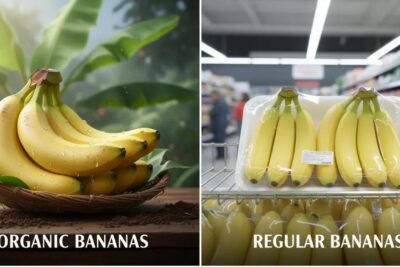
The ripeness of a banana significantly affects its therapeutic properties for diarrhea treatment. Green bananas contain higher levels of resistant starch and pectin, making them more effective for binding loose stools. Meanwhile, ripe bananas offer easier digestion and better palatability during illness.
Resistant Starch Content in Unripe Bananas
Resistant starch acts as a natural prebiotic, feeding beneficial gut bacteria while absorbing excess water in the digestive tract. Green bananas contain approximately 12-15 grams of resistant starch per 100 grams, compared to less than 1 gram in fully ripe bananas. This starch resists digestion in the small intestine, reaching the colon where it promotes healthy bacterial growth.
Furthermore, resistant starch produces short-chain fatty acids during fermentation, which strengthen the intestinal barrier and reduce inflammation. These compounds help restore normal bowel function while providing energy to colon cells. Consequently, green bananas offer both immediate stool-binding effects and long-term digestive healing benefits.
Higher Pectin Levels in Green Bananas
Unripe bananas contain significantly more pectin than their yellow counterparts, with levels reaching 2-3% of total weight. This soluble fiber forms a gel-like substance when mixed with water, effectively thickening loose stools and slowing intestinal transit time. Additionally, pectin binds to toxins and harmful bacteria, helping remove them from the digestive system.
Research demonstrates that pectin supplementation reduces diarrhea duration by an average of 58 hours compared to control groups. The natural pectin in green bananas provides this same therapeutic effect without requiring artificial supplements or medications.
How Ripeness Affects Fiber Composition
As bananas ripen, their fiber composition undergoes dramatic changes that impact digestive benefits. Total fiber content decreases from 3.1 grams per 100 grams in green bananas to 2.6 grams in fully ripe fruit. More importantly, the ratio of soluble to insoluble fiber shifts significantly during ripening.
| Ripeness Stage | Resistant Starch (g) | Pectin (g) | Sugar Content (%) | Digestibility |
|---|---|---|---|---|
| Green (Unripe) | 12-15 | 2.0-3.0 | 1-2 | Low |
| Yellow-Green | 8-10 | 1.5-2.0 | 8-12 | Moderate |
| Yellow (Ripe) | 2-4 | 1.0-1.5 | 18-22 | High |
| Brown Spots | 0.5-1 | 0.5-1.0 | 25-28 | Very High |
Green bananas maintain higher concentrations of insoluble fiber, which adds bulk to stools and promotes regular bowel movements. However, this same fiber can be harder to digest during acute diarrhea episodes when the digestive system is already compromised.
Optimal Banana Ripeness for Diarrhea Relief
For maximum therapeutic benefit, yellow-green bananas provide the ideal balance of binding properties and digestibility. These partially ripe fruits retain sufficient resistant starch and pectin while being easier to digest than completely green bananas. Medical professionals often recommend this intermediate ripeness stage for patients with acute diarrhea.
Specifically, bananas with green tips and yellow bodies offer optimal therapeutic compounds without causing digestive distress. This ripeness stage contains 8-10 grams of resistant starch while maintaining moderate sugar levels that won’t exacerbate symptoms in sensitive individuals.
Timing Tip
Taste Considerations and Preparation Methods
Green bananas present palatability challenges due to their astringent taste and chalky texture, which can be particularly off-putting during illness when appetite is already reduced. However, several preparation methods can improve acceptability while preserving therapeutic benefits.
- Steaming green bananas for 10-15 minutes softens texture while maintaining resistant starch content
- Mashing with a small amount of water creates a more palatable consistency
- Blending with electrolyte solutions masks the astringent flavor while adding hydration
- Cooking into a simple porridge with rice water enhances digestibility
Alternatively, choosing slightly underripe bananas with minimal brown spots provides a compromise between therapeutic benefits and taste acceptance. These bananas retain moderate levels of beneficial compounds while offering improved palatability during recovery periods.
Ultimately, the best banana for diarrhea treatment is one that patients will actually consume consistently. Therefore, starting with more palatable yellow-green bananas and gradually transitioning to greener varieties as tolerance improves often yields the best clinical outcomes.
How Bananas Fit Into the BRAT Diet
The BRAT diet represents one of the most widely recommended dietary interventions for managing acute diarrhea, consisting of four specific foods: bananas, rice, applesauce, and toast. Medical professionals developed this protocol because these foods share common characteristics that promote digestive recovery while minimizing gastrointestinal irritation.
Each component of the BRAT diet serves a specific therapeutic purpose. Rice provides easily digestible carbohydrates that supply energy without overwhelming the compromised digestive system. Meanwhile, applesauce delivers pectin, a soluble fiber that helps bind loose stools. Toast offers bland carbohydrates that are gentle on the stomach lining.
Bananas earn their place in this medical recommendation through multiple mechanisms that directly address diarrhea symptoms. Potassium replacement becomes critical during episodes of diarrhea, as this essential electrolyte is rapidly depleted through frequent bowel movements. Furthermore, pectin content in bananas helps absorb excess water in the intestinal tract, naturally firming loose stools.
Proper Timing and Portion Guidelines
Healthcare providers recommend starting the BRAT diet within 24-48 hours of diarrhea onset, when the digestive system requires maximum gentleness. Initially, patients should consume half a banana every 2-3 hours rather than eating large portions that might overwhelm the sensitive intestinal tract.
- Day 1-2: Half banana every 2-3 hours with small sips of clear fluids
- Day 3-4: Whole banana 3-4 times daily combined with other BRAT foods
- Day 5+: Gradual increase to 2-3 bananas daily as tolerance improves
The timing of banana consumption also matters significantly. Eating bananas between meals rather than with other foods allows for better absorption of therapeutic compounds. Additionally, consuming bananas at room temperature proves more gentle than cold fruit, which can stimulate intestinal contractions.
Transitioning Beyond the BRAT Diet
Medical experts emphasize that the BRAT diet serves as a temporary intervention rather than a long-term nutritional strategy. Extended adherence beyond 3-5 days can lead to nutritional deficiencies, particularly in protein and essential vitamins.
The transition process should occur gradually to prevent symptom recurrence. Introducing one new food every 12-24 hours allows healthcare providers and patients to identify potential triggers. Suitable transition foods include plain chicken, white fish, and well-cooked vegetables like carrots or squash.
Important Transition Note
Bananas continue playing a valuable role during this transition phase. Maintaining 1-2 bananas daily provides ongoing electrolyte support while the digestive system fully recovers. However, patients can gradually introduce riper bananas with higher sugar content as tolerance improves.
Medical Professional Recommendations
Gastroenterologists consistently recommend the BRAT diet as first-line dietary management for uncomplicated acute diarrhea. Research published in the American Journal of Gastroenterology demonstrates that patients following structured BRAT protocols experience symptom resolution 24-36 hours faster than those without dietary modifications.
However, medical professionals stress important limitations of this approach. Chronic diarrhea lasting more than 72 hours requires comprehensive medical evaluation rather than dietary management alone. Similarly, severe dehydration symptoms such as dizziness, decreased urination, or persistent vomiting necessitate immediate medical attention.
The BRAT diet works best when combined with adequate fluid replacement and gradual reintroduction of normal foods based on individual tolerance patterns.
Pediatric considerations require special attention, as children’s nutritional needs differ significantly from adults. Pediatric gastroenterologists recommend limiting BRAT diet duration to 24-48 hours in children under 5 years old, with emphasis on continued breastfeeding or formula feeding to prevent nutritional deficiencies.
When Bananas Might Make Diarrhea Worse
While bananas generally help manage diarrhea symptoms, certain individuals experience worsening digestive distress after consuming them. Understanding these specific circumstances helps patients make informed dietary decisions during acute gastrointestinal episodes.
Individual Sensitivities and Allergic Reactions
Banana allergies affect approximately 1-3% of the population, causing immediate digestive symptoms including increased diarrhea, cramping, and nausea. These reactions occur when the immune system mistakenly identifies banana proteins as harmful substances. Additionally, individuals with latex-fruit syndrome often experience cross-reactive symptoms, as banana proteins share structural similarities with latex allergens.
Some people develop oral allergy syndrome specifically triggered by bananas, experiencing mouth tingling followed by gastrointestinal upset. Furthermore, individuals sensitive to tyramine may experience digestive distress from ripe bananas, which contain higher concentrations of this naturally occurring compound.
Fructose Malabsorption Issues
Fructose malabsorption affects 30-40% of healthy adults to varying degrees, causing significant digestive problems when consuming fructose-rich foods. Bananas contain approximately 5-7 grams of fructose per medium fruit, which can overwhelm the digestive capacity of sensitive individuals.
When fructose absorption fails in the small intestine, undigested sugars travel to the colon where bacteria ferment them rapidly. This fermentation process produces excess gas, bloating, and osmotic diarrhea. Consequently, people with diagnosed fructose intolerance should avoid bananas during acute diarrheal episodes.
Overconsumption Effects
Consuming excessive quantities of bananas can paradoxically worsen diarrhea symptoms through multiple mechanisms. Sorbitol, a natural sugar alcohol present in bananas, acts as an osmotic laxative when consumed in large amounts. Most individuals tolerate 1-2 bananas daily, but consuming 4-5 bananas can trigger loose stools even in healthy people.
Moreover, the high fiber content in multiple bananas can overwhelm an already irritated digestive system. While soluble fiber typically helps bind loose stools, excessive intake during active diarrhea can stimulate additional bowel movements and prolong symptoms.
Medication Interactions
Certain medications interact with banana consumption, potentially worsening diarrheal symptoms. ACE inhibitors and potassium-sparing diuretics can cause dangerous potassium accumulation when combined with potassium-rich bananas. This electrolyte imbalance sometimes manifests as increased gastrointestinal distress.
Additionally, individuals taking monoamine oxidase inhibitors (MAOIs) should avoid overripe bananas due to elevated tyramine levels. The interaction between tyramine and MAOIs can trigger hypertensive crises accompanied by severe digestive symptoms including explosive diarrhea.
Warning Signs to Monitor
Several warning signs indicate that bananas may be exacerbating rather than improving diarrheal symptoms. Increased stool frequency within 2-4 hours of banana consumption suggests individual intolerance or sensitivity.
- Worsening abdominal cramping after eating bananas
- Increased gas and bloating following consumption
- Mucus or blood appearing in stools after banana intake
- Persistent nausea or vomiting triggered by banana consumption
- Skin reactions such as hives or facial swelling
Patients experiencing any of these symptoms should discontinue banana consumption immediately and consult healthcare providers. In such cases, alternative BRAT diet components like plain rice or toast provide safer options for managing diarrheal episodes.
Important Safety Note
Proper Way to Use Bananas for Diarrhea Relief
Using bananas effectively for diarrhea relief requires precise timing, proper preparation, and careful portion control. Medical professionals recommend specific serving sizes that maximize binding benefits while minimizing potential digestive irritation. Furthermore, the preparation method significantly influences how well your digestive system tolerates banana consumption during recovery.
Recommended Serving Sizes and Frequency
Adults should consume half of a medium banana every 2-3 hours during active diarrhea episodes. This serving size provides approximately 200mg of potassium and 1.5 grams of pectin without overwhelming the compromised digestive system. Children require smaller portions, with one-quarter banana portions spaced 3-4 hours apart proving most effective.
Daily consumption should not exceed 2 medium bananas during the acute phase of diarrheal illness. Excessive intake can paradoxically worsen symptoms by introducing too much fiber and natural sugars. Moreover, gradual introduction allows healthcare providers to monitor individual tolerance levels and adjust recommendations accordingly.
Best Preparation Methods for Maximum Benefit
Mashed bananas provide the most effective preparation for diarrhea management because mechanical breakdown enhances digestibility. The mashing process breaks down cellular structures, making pectin more readily available for binding loose stools. Additionally, mashed bananas mix easily with other BRAT diet components, creating synergistic binding effects.
- Raw bananas: Choose yellow bananas with minimal brown spots for optimal starch content
- Mashed preparation: Use a fork to create smooth consistency without lumps
- Cooked bananas: Lightly steaming for 2-3 minutes softens fiber while preserving nutrients
- Banana puree: Blend with small amounts of water for liquid consistency
Avoid adding sugar, honey, or dairy products to banana preparations during diarrheal episodes. These additions can ferment in the compromised digestive tract, potentially worsening symptoms and prolonging recovery time.
Timing Relative to Other Foods and Medications
Consume bananas 30 minutes before other BRAT diet foods to maximize their binding potential. This timing allows the pectin to coat the intestinal lining before introducing additional nutrients. Subsequently, the prepared digestive environment better tolerates rice, applesauce, and toast consumption.
Regarding medication timing, space banana consumption 2 hours apart from prescription medications unless specifically directed otherwise by healthcare providers. Certain medications, particularly those containing potassium or affecting electrolyte balance, require careful coordination with banana intake to prevent dangerous interactions.
Medication Warning
Combining with Other BRAT Diet Foods
The BRAT diet combines bananas with rice, applesauce, and toast to create comprehensive digestive support during diarrheal recovery. Each component contributes unique binding properties that work synergistically to firm loose stools. However, the sequence and proportions of these foods significantly impact treatment effectiveness.
Begin with mashed banana as the foundation, then gradually introduce plain white rice after 2-3 hours. The macronutrients of a banana provide essential electrolytes that prepare the digestive system for additional carbohydrate absorption. Follow rice consumption with small amounts of unsweetened applesauce, which provides additional pectin and gentle fiber.
| Time | Food Item | Portion Size | Purpose |
|---|---|---|---|
| Hour 1 | Mashed banana | 1/2 medium | Initial binding |
| Hour 3 | Plain white rice | 1/4 cup | Starch absorption |
| Hour 5 | Unsweetened applesauce | 2 tablespoons | Additional pectin |
| Hour 7 | Plain toast | 1/2 slice | Gentle fiber |
Duration of Banana Consumption During Recovery
Continue banana consumption for 24-48 hours after diarrheal symptoms resolve to ensure complete digestive stabilization. This extended period allows the intestinal lining to fully heal while maintaining beneficial bacterial populations. Nevertheless, gradual reintroduction of regular foods prevents digestive shock and reduces recurrence risk.
Most individuals experience symptom improvement within 12-24 hours of consistent banana consumption when combined with proper hydration and rest. However, symptoms persisting beyond 72 hours require medical evaluation, as underlying conditions may need specific treatment beyond dietary management. During recovery, monitor stool consistency and frequency to gauge treatment effectiveness and adjust banana intake accordingly.
Gradually transition from mashed to whole bananas as digestive function normalizes. This progression helps identify individual tolerance levels while preventing symptom recurrence during dietary expansion phases.
Alternative Foods That Stop Diarrhea Fast
While bananas offer excellent anti-diarrheal properties, several other foods provide similar binding effects and digestive benefits. These alternatives work through comparable mechanisms—absorbing excess water, providing soluble fiber, and supporting beneficial gut bacteria. Moreover, combining multiple binding foods creates a comprehensive approach to digestive recovery.
Rice and Toast as Binding Alternatives
Plain white rice serves as the cornerstone of anti-diarrheal diets worldwide due to its exceptional water-absorbing capacity. Rice contains easily digestible starches that bind loose stools while providing gentle energy for weakened digestive systems. Additionally, the bland nature of rice reduces intestinal irritation and allows inflamed gut lining to heal effectively.
White toast offers similar binding properties through its processed carbohydrate content and low fiber composition. Toast provides structure to loose stools while delivering quick energy without overwhelming compromised digestive function. Furthermore, the toasting process breaks down complex carbohydrates into simpler forms that require minimal digestive effort.
Both rice and toast work best when consumed plain, without butter, oils, or seasonings that could irritate sensitive intestinal tissues. Start with small portions every 2-3 hours to assess individual tolerance levels and prevent digestive overload.
Greek Yogurt with Probiotics
Greek yogurt provides beneficial probiotics that restore healthy gut bacteria populations disrupted during diarrheal episodes. These live cultures help rebalance intestinal microbiomes while the protein content supports tissue repair and immune function. However, choose plain, unsweetened varieties to avoid additional sugars that could worsen symptoms.
The probiotic strains in Greek yogurt, particularly Lactobacillus and Bifidobacterium species, compete with harmful bacteria for intestinal space and nutrients. This competitive exclusion helps prevent pathogenic overgrowth while promoting normal digestive function. Additionally, probiotics produce short-chain fatty acids that nourish intestinal cells and enhance barrier function.
Introduce Greek yogurt gradually, starting with 2-3 tablespoons every 4-6 hours after initial symptoms subside. Monitor tolerance carefully, as some individuals may experience temporary digestive sensitivity to dairy products during recovery periods.
Boiled Eggs for Protein and Binding
Boiled eggs deliver high-quality protein essential for intestinal tissue repair while providing gentle binding effects through their low fiber content. The protein in eggs supplies amino acids necessary for producing digestive enzymes and maintaining gut barrier integrity. Furthermore, eggs contain minimal carbohydrates that could ferment and worsen diarrheal symptoms.
The binding properties of boiled eggs stem from their protein structure, which helps firm loose stools without causing constipation. Eggs also provide essential nutrients like vitamin B12 and choline that support nervous system function and cellular repair processes. Nevertheless, avoid adding oils, butter, or seasonings that could irritate sensitive digestive tissues.
Start with one egg white initially, as some individuals tolerate whites better than whole eggs during acute diarrheal phases. Gradually progress to whole eggs as digestive function normalizes and symptoms improve consistently.
Oatmeal and Other Soluble Fiber Sources
Plain oatmeal contains soluble fiber that absorbs excess water in the intestines while forming gel-like substances that help bind loose stools. This soluble fiber feeds beneficial gut bacteria without causing the gas and bloating associated with insoluble fiber sources. Additionally, oatmeal provides sustained energy through complex carbohydrates that digest slowly and steadily.
Other effective soluble fiber sources include cooked carrots, peeled apples, and white potatoes without skin. These foods provide similar water-absorbing properties while delivering essential vitamins and minerals depleted during diarrheal episodes. Moreover, their mild flavors and soft textures make them ideal for sensitive digestive systems.
Prepare oatmeal with water rather than milk to avoid potential lactose sensitivity during recovery. Start with small servings of 1/4 to 1/2 cup and gradually increase portions as tolerance improves and symptoms resolve.
Foods to Avoid During Diarrhea Episodes
Certain foods can worsen diarrheal symptoms by irritating intestinal tissues, increasing motility, or feeding harmful bacteria. High-fat foods like fried items, fatty meats, and full-fat dairy products stimulate intestinal contractions and can prolong digestive distress. Similarly, spicy foods containing capsaicin or other irritants inflame already sensitive gut lining.
Sugary foods and beverages draw water into the intestines through osmotic effects, potentially worsening loose stools and dehydration. Artificial sweeteners like sorbitol and mannitol have similar effects and should be strictly avoided. Furthermore, caffeinated drinks stimulate intestinal motility and can increase fluid loss through diuretic effects.
Raw fruits and vegetables, whole grains, and legumes contain insoluble fiber that can irritate inflamed intestinal tissues and increase stool frequency. Dairy products may cause problems due to temporary lactose intolerance that often develops during diarrheal episodes. Additionally, alcohol impairs immune function and can worsen dehydration while interfering with nutrient absorption.
Important Safety Note
When to See a Doctor vs Self-Treatment
While bananas and dietary modifications effectively manage most mild diarrheal episodes, certain symptoms require immediate medical evaluation. Red flag symptoms indicate serious underlying conditions that demand professional intervention rather than home remedies.
Red Flag Symptoms Requiring Medical Attention
Blood in stools signals potential infections, inflammatory bowel disease, or other serious conditions requiring urgent medical assessment. Similarly, high fever above 102°F (38.9°C) suggests bacterial infections that may need antibiotic treatment. Additionally, severe abdominal pain or cramping that worsens progressively indicates complications beyond simple dietary indiscretion.
Black or tarry stools may indicate upper gastrointestinal bleeding, while persistent vomiting prevents oral rehydration and increases dehydration risks. Furthermore, signs of severe dehydration including dizziness, rapid heartbeat, or decreased urination warrant immediate medical intervention regardless of dietary treatments attempted.
Duration Limits for Home Treatment
Acute diarrhea typically resolves within 3-5 days with proper dietary management including bananas and other BRAT diet foods. However, symptoms persisting beyond one week in adults require medical evaluation to rule out underlying infections or chronic conditions.
Most viral gastroenteritis episodes respond well to conservative treatment within 48-72 hours. Nevertheless, bacterial infections may require specific antibiotic therapy when symptoms fail to improve after several days of dietary modifications and supportive care.
Dehydration Warning Signs
Mild dehydration presents with increased thirst, dry mouth, and slightly decreased urination frequency. However, moderate to severe dehydration manifests through sunken eyes, skin tenting when pinched, and significantly reduced urine output or dark-colored urine.
- Dizziness or lightheadedness when standing
- Rapid heartbeat or palpitations
- Confusion or irritability in severe cases
- Little to no urination for 8+ hours
- Extreme fatigue or weakness
These dehydration symptoms indicate that oral rehydration with fluids and electrolytes has become insufficient. Consequently, intravenous fluid replacement may be necessary to restore proper hydration status and prevent complications.
Special Considerations for Children and Elderly
Infants under 6 months require immediate medical attention for any diarrheal episode lasting more than 24 hours. Their smaller body size and limited fluid reserves make them particularly vulnerable to rapid dehydration and electrolyte imbalances.
Children under 2 years should see a healthcare provider if diarrhea persists beyond 48 hours or if they show signs of dehydration. Moreover, elderly adults face increased risks due to age-related changes in kidney function and medication interactions that may complicate recovery.
Pediatric Emergency Signs
Both age groups benefit from earlier medical intervention compared to healthy adults. Therefore, caregivers should maintain lower thresholds for seeking professional evaluation when dietary treatments including bananas fail to provide rapid improvement.
Chronic Diarrhea vs Acute Episodes
Acute diarrhea develops suddenly and typically resolves within days to weeks with appropriate dietary management. Conversely, chronic diarrhea persists for more than four weeks and often indicates underlying medical conditions requiring comprehensive evaluation.
Chronic episodes may stem from inflammatory bowel disease, celiac disease, irritable bowel syndrome, or medication side effects. Additionally, understanding banana’s macronutrient profile helps determine its role in long-term dietary management strategies for chronic conditions.
Recurrent acute episodes occurring monthly or more frequently also warrant medical investigation. Furthermore, any change in bowel habits lasting several weeks deserves professional evaluation to identify treatable causes and prevent complications from prolonged symptoms.
Frequently Asked Questions
Do bananas stop diarrhea fast?
Yes, bananas can help stop diarrhea relatively quickly due to their pectin content and soluble fiber. The pectin absorbs excess water in the intestines and helps firm up loose stools. Green bananas work faster than ripe ones because they contain higher levels of resistant starch and pectin. Most people notice improvement within 24 hours when bananas are combined with other binding foods.
Is banana good for diarrhea or constipation?
Bananas are excellent for diarrhea but their effect on constipation depends on ripeness. Green bananas can worsen constipation due to high resistant starch content, while ripe bananas may help relieve mild constipation because they’re easier to digest and contain natural sugars that promote bowel movement.
What foods stop diarrhea quickly?
The most effective foods for stopping diarrhea quickly include:
- BRAT diet foods: Bananas, rice, applesauce, and toast
- Binding proteins: Boiled eggs and plain chicken
- Soluble fiber sources: Oatmeal and Greek yogurt
- Electrolyte-rich foods: Bananas and clear broths
Is scrambled egg good for diarrhea?
Boiled eggs are better than scrambled eggs for diarrhea. Scrambled eggs often contain butter, oil, or milk which can worsen digestive upset. Plain boiled eggs provide binding protein without added fats that might irritate the digestive system during recovery.
Is Greek yogurt good for diarrhea?
Yes, plain Greek yogurt can be beneficial for diarrhea because it contains probiotics that help restore healthy gut bacteria. Choose unsweetened, plain varieties without artificial sweeteners or fruit, as these additives can worsen symptoms. The protein content also helps with recovery.
Is oatmeal good for diarrhea?
Oatmeal is excellent for diarrhea because it contains high levels of soluble fiber that absorbs excess water and helps firm stools. Choose plain, cooked oatmeal without added sugars, fruits, or dairy. The beta-glucan fiber in oats works similarly to the pectin in bananas.
Is a baked potato good for diarrhea?
Yes, plain baked potatoes (without skin) are good for diarrhea. They provide easily digestible carbohydrates and potassium for electrolyte replacement. Avoid butter, sour cream, or other toppings that contain fat, as these can worsen digestive symptoms.
What are the worst foods to eat with diarrhea?
Avoid these foods during diarrhea episodes:
- High-fat foods: Fried foods, fatty meats, and rich sauces
- Dairy products: Milk, cheese, and ice cream (except plain yogurt)
- High-fiber foods: Raw vegetables, beans, and whole grains
- Sugary foods: Candy, sodas, and fruit juices
- Spicy or acidic foods: Hot peppers, citrus fruits, and tomatoes
Should I eat green or ripe bananas for diarrhea?
Green bananas are more effective for treating diarrhea because they contain 15-20% more pectin and higher levels of resistant starch. However, ripe bananas are easier to digest and may be better tolerated by sensitive stomachs. Both provide beneficial potassium for electrolyte replacement.
How many bananas should I eat for diarrhea?
Start with 1-2 bananas per day when experiencing diarrhea. Eating too many bananas can provide excess fiber that might worsen symptoms in some people. Space them throughout the day and combine with other BRAT diet foods for best results.
Can bananas worsen diarrhea in some people?
Yes, bananas may worsen diarrhea in people with fructose malabsorption or certain digestive conditions. Additionally, eating too many bananas or very ripe bananas with high sugar content might aggravate symptoms in sensitive individuals. Start with small amounts to test tolerance.
What is the BRAT diet and why does it work?
The BRAT diet consists of Bananas, Rice, Applesauce, and Toast. It works because these foods are:
- Low in fiber: Easy to digest and gentle on the stomach
- Binding: Help firm up loose stools
- Bland: Won’t irritate the digestive system
- Nutrient-providing: Supply energy and electrolytes during recovery
How long should I follow a banana-based diet for diarrhea?
Follow the BRAT diet including bananas for 24-48 hours or until symptoms improve. Gradually reintroduce normal foods starting with easily digestible options. If diarrhea persists beyond 3 days or is accompanied by fever, blood, or severe dehydration, consult a healthcare provider.
You May Also Like

Are Strawberry Banana Smoothies Healthy? Complete Guide 2026

Why Avoid Bananas During Pregnancy? Safety Guide 2026