Can Goats Eat Banana Peels? Complete Safety Guide 2025

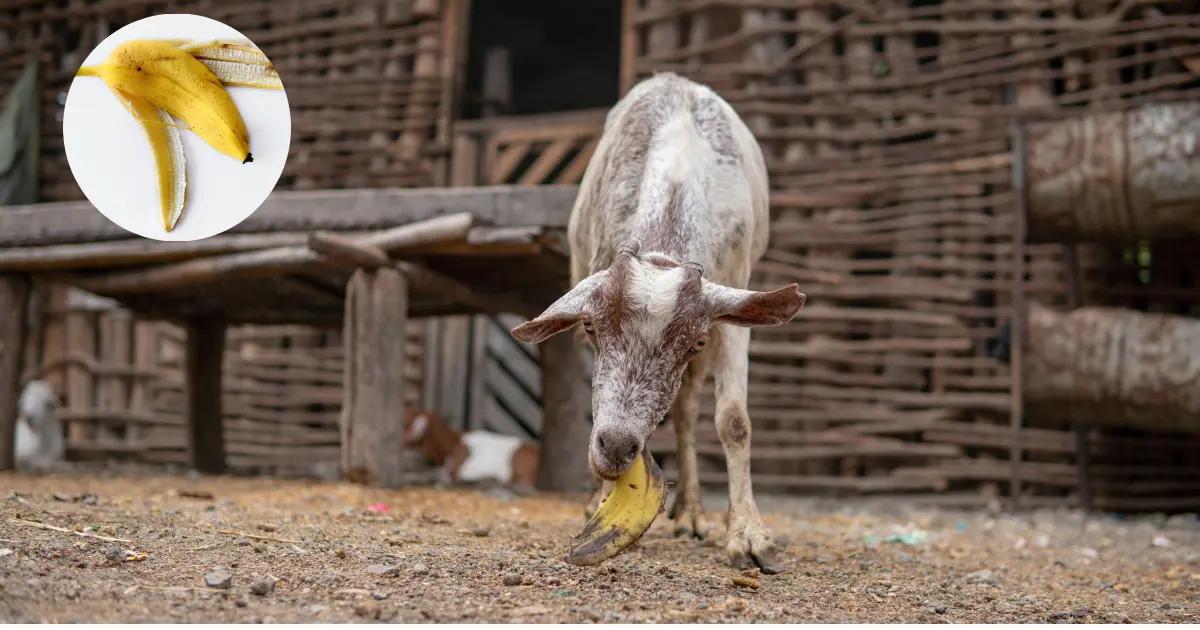
If you’re a goat owner looking to reduce food waste while providing healthy treats for your herd, you’ve probably wondered: can goats eat banana peels? The short answer is yes—goats can safely eat banana peels in moderation. These curious ruminants are known for their adventurous eating habits, and banana peels can actually provide nutritional benefits when prepared and served correctly. However, there are important safety considerations, preparation methods, and portion guidelines every livestock owner should understand before tossing those peels into the feeding trough.
Goats are natural foragers with remarkably resilient digestive systems, but that doesn’t mean everything is fair game. Understanding what’s safe and what’s not is crucial for maintaining your animals’ health and productivity. In this comprehensive guide, we’ll explore everything you need to know about feeding banana peels to goats, from nutritional benefits to potential risks, proper preparation techniques, and how this treat compares to other fruit scraps in your goat’s diet.
Can Goats Eat Banana Peels? The Quick Answer
Yes, goats can eat banana peels safely when offered as an occasional treat. Unlike some animals that struggle with the tough, fibrous texture of banana skins, goats have the digestive capability to break down and extract nutrients from these peels. Their four-chambered stomach system, designed for processing roughage and plant material, handles banana peels quite effectively.
Banana peels are not toxic to goats and won’t cause immediate harm when consumed in reasonable amounts. In fact, many goat owners report that their animals enthusiastically devour banana peels, often preferring them to the actual banana fruit. This preference isn’t surprising—goats are browsers by nature and are attracted to varied textures and flavors in their diet.
However, the key phrase here is “in moderation.” While feeding banana peels to goats is generally safe, they should never replace the core components of a proper goat diet: quality hay, fresh water, appropriate grain supplements, and access to browse. Banana peels should be viewed as a supplemental treat, similar to how you might offer apple slices or carrot tops—occasional additions that provide variety and enrichment rather than dietary staples.
The safety of banana peels for goats also depends significantly on their source and preparation. Conventional banana peels may carry pesticide residues, while improperly stored peels can develop mold or bacterial contamination. These factors make proper handling and preparation essential, which we’ll cover in detail in later sections.
Nutritional Benefits of Banana Peels for Goats
When considering whether are banana peels safe for goats, it’s worth examining what nutritional value these discarded fruit skins actually provide. Banana peels contain several beneficial nutrients that can complement a goat’s regular diet when offered appropriately.
Banana peels are surprisingly rich in dietary fiber, which supports healthy digestion in goats. The fibrous nature of the peel helps maintain proper rumen function, encouraging the beneficial bacteria that break down plant material in a goat’s complex digestive system. This fiber content also promotes regular bowel movements and can help prevent digestive sluggishness.
The peels contain notable amounts of potassium, an essential mineral that supports muscle function, nerve transmission, and overall cellular health. While goats typically receive adequate potassium from their regular forage and feed, the additional boost from banana peels can be beneficial, especially for lactating does or growing kids who have higher mineral requirements.
Vitamin B6 and vitamin B12 are present in banana peels in moderate amounts. These B vitamins play crucial roles in metabolism, energy production, and nervous system function. Vitamin B6 specifically helps goats metabolize proteins and supports immune system health, while B12 is essential for red blood cell formation and neurological function.
Banana peels also provide antioxidants, including polyphenols and carotenoids. These compounds help combat oxidative stress in cells and may support overall immune function. While goats produce many of their own protective compounds, dietary antioxidants from varied sources like banana peels can provide additional support.
The peels contain small amounts of magnesium, which works synergistically with calcium for bone health and muscle function. They also provide trace amounts of other minerals like manganese and copper, though these shouldn’t be relied upon as primary sources for meeting a goat’s mineral requirements.
It’s worth noting that while banana peels do offer these nutritional benefits, they’re not nutritionally superior to the core components of a goat’s diet. Think of them as a healthy supplement rather than a nutritional powerhouse. The real value often lies in the enrichment and variety they provide, keeping your goats mentally stimulated and satisfied.
Potential Risks and Safety Concerns
While banana peels aren’t inherently toxic to goats, several safety concerns warrant attention before you start regularly offering them to your herd. Understanding these risks helps you make informed decisions about incorporating banana peels into your goat diet banana peels routine.
Pesticide residue represents the most significant concern with conventional banana peels. Bananas are among the most heavily sprayed commercial crops, and while the fruit inside remains relatively protected, the peel absorbs and retains pesticide residues. These chemicals can include fungicides, insecticides, and growth regulators that may accumulate in a goat’s system over time with repeated exposure. Some pesticides used on banana crops have been linked to reproductive issues, neurological problems, and weakened immune function in livestock.
The tough, fibrous texture of banana peels, while generally manageable for goats, can pose a choking hazard if large pieces are consumed too quickly. Goats are enthusiastic eaters and may not chew thoroughly, especially when competing with herd mates for treats. Young kids or elderly goats with dental issues may be particularly vulnerable to choking on large peel sections.
Digestive upset can occur when goats consume excessive amounts of banana peels, especially if introduced suddenly. The high fiber content and natural sugars, while beneficial in small amounts, can overwhelm the rumen’s bacterial balance when consumed in large quantities. This imbalance may lead to bloating, diarrhea, or reduced appetite for their regular feed.
Banana peels that have been stored improperly or for too long may develop mold or bacterial contamination. Moldy peels can produce mycotoxins that are harmful to goats, potentially causing anything from mild digestive upset to serious illness. Peels left in warm, humid conditions are particularly susceptible to rapid spoilage.
The sugar content in banana peels, while lower than in the fruit itself, still deserves consideration. Goats with metabolic conditions, pregnant does at risk for pregnancy toxemia, or animals prone to urinary calculi should have limited access to sugary treats, including banana peels. Excessive sugar intake can also contribute to obesity in goats that don’t receive adequate exercise.
Some goats may experience allergic reactions or sensitivities to banana peels, though this is relatively rare. Signs might include skin irritation, excessive scratching, digestive disturbances, or behavioral changes after consumption. If you notice any unusual symptoms after introducing banana peels, discontinue feeding them immediately.
Finally, there’s the concern of nutritional imbalance. If goats fill up on banana peels and other treats, they may consume less of their nutritionally complete feed and forage. This displacement can lead to deficiencies in essential nutrients, particularly in growing animals or lactating does with high nutritional demands.
How to Properly Prepare Banana Peels for Goats
Proper preparation is essential when feeding banana peels to goats to maximize safety and nutritional value while minimizing risks. Following these preparation guidelines ensures your goats can enjoy this treat without unnecessary hazards.
Washing thoroughly is the critical first step. Even if you plan to use organic peels, a thorough wash removes surface dirt, bacteria, and potential contaminants. Use cool running water and gently scrub the peel’s surface with a vegetable brush or clean cloth. For conventional bananas, consider soaking the peels in a solution of water and white vinegar (one part vinegar to three parts water) for five minutes before rinsing thoroughly. This helps remove some pesticide residues, though it won’t eliminate them entirely.
Cutting into appropriate sizes prevents choking and makes the peels easier for goats to consume. Slice banana peels into strips approximately 2-3 inches long and 1 inch wide. For young kids or smaller goat breeds, cut pieces even smaller—about 1 inch squares. Avoid offering whole peels, as goats may try to swallow large sections without adequate chewing, particularly if they’re excited about the treat.
Removing any stickers or labels is essential. Many commercial bananas come with small adhesive stickers that goats shouldn’t consume. These stickers are typically made of plastic or paper with adhesive that isn’t digestible and could cause intestinal blockages or irritation.
Consider removing the stem end of the banana peel, as this section tends to be tougher and may have higher pesticide concentrations. The stem attachment point is also where bananas are often handled most during harvesting and transport, potentially carrying more surface contamination.
For goats with sensitive digestive systems or when introducing banana peels for the first time, you might blanch the peels briefly. Submerge cut peel pieces in boiling water for 30-60 seconds, then cool them before offering. This softens the texture slightly and can help reduce some surface contaminants, though it also diminishes some water-soluble nutrients.
Avoid feeding moldy or overripe peels. While goats can handle some decomposition in their natural browsing, heavily spotted, blackened, or fuzzy peels should be composted instead. The line between “ripe” and “spoiled” matters—slightly brown peels are fine, but those with visible mold growth or an off smell should be discarded.
Fresh is best. Offer banana peels soon after preparation rather than storing them for extended periods. If you must store prepared peels, refrigerate them in an airtight container for no more than 24 hours. Frozen banana peels can be offered to goats as well—similar to frozen bananas, they maintain most nutritional value and can provide a cooling treat on hot days, though you should thaw them slightly to prevent potential tooth damage from extremely hard frozen pieces.
Mix with other foods when first introducing banana peels to your goats’ diet. Combining small amounts of banana peel with their regular feed or favorite treats helps them adjust gradually and allows you to monitor for any adverse reactions before offering larger quantities.
How Much Banana Peel Can Goats Safely Eat?
Determining the appropriate portion size for goat diet banana peels requires understanding your goats’ size, age, overall health status, and dietary needs. While banana peels are safe in moderation, “moderation” needs clear definition to prevent overfeeding.
For adult goats (standard-sized breeds weighing 100-200 pounds), one to two banana peels per goat, two to three times per week, represents a safe upper limit. This translates to approximately 2-4 ounces of peel per feeding session. This amount provides variety and enrichment without displacing significant portions of their regular diet or overwhelming their digestive system.
Miniature goat breeds like Nigerian Dwarfs or Pygmy goats should receive proportionally smaller amounts—roughly half to one banana peel per goat, two to three times weekly. Their smaller body size and lower overall caloric needs mean they require less of everything, including treats.
Young kids (goats under six months) should receive banana peels sparingly and only after their rumens are well-developed, typically after 8-12 weeks of age. Start with very small amounts—a few small pieces totaling no more than a quarter of a peel—and observe carefully for digestive upset. Kids’ developing digestive systems are more sensitive to dietary changes, and their primary nutrition should come from milk and starter feed.
Pregnant and lactating does can enjoy banana peels in the same quantities as other adult goats, but monitor their overall sugar intake carefully. Does in late pregnancy are susceptible to pregnancy toxemia (ketosis), a metabolic condition that can be exacerbated by irregular feeding or excessive simple carbohydrates. Lactating does have higher nutritional demands and should prioritize nutrient-dense feeds over treats.
Frequency matters as much as quantity. Even if you’re offering appropriate portion sizes, daily banana peel feeding isn’t recommended. Treats should comprise no more than 10% of a goat’s total daily caloric intake, and that 10% should ideally include variety—not just banana peels. Rotating different safe treats (apple slices, carrot tops, pumpkin pieces) provides better nutritional diversity and prevents boredom.
The 80-10-10 rule offers a helpful framework: 80% of a goat’s diet should be quality hay and browse, 10% should be appropriate grain or supplemental feed (if needed based on the goat’s production status), and 10% can include treats and extras like banana peels. This ratio ensures goats receive complete nutrition while still enjoying variety.
Consider your goats’ activity level and body condition when determining portions. Goats with access to large pastures and plenty of exercise can handle slightly more treats than those in confined spaces with limited movement. Similarly, goats maintaining ideal body condition can receive normal treat portions, while overweight goats should have treats reduced or eliminated until they reach a healthier weight.
Seasonal adjustments may be appropriate. During winter when fresh browse is limited, small amounts of banana peels can provide welcome variety. However, during spring and summer when goats have access to diverse natural forage, reducing supplemental treats makes sense as they’re already receiving plenty of dietary variety.
Always introduce banana peels gradually. Start with just a few small pieces per goat and observe for 24-48 hours before offering more. Watch for changes in manure consistency, appetite, behavior, or any signs of digestive discomfort. If everything appears normal, you can gradually increase to the recommended portions over the course of a week or two.
Organic vs. Conventional Banana Peels: What’s Safer?
The question of whether are banana peels safe for goats often hinges on the distinction between organic and conventional produce. This difference becomes particularly significant when feeding the peel rather than just the fruit, as peels accumulate higher concentrations of agricultural chemicals.
Conventional banana peels carry substantial pesticide residues. Bananas rank among the most heavily treated commercial crops, with growers applying fungicides, insecticides, and other chemicals throughout the growing cycle. While these treatments target pests and diseases that would otherwise devastate banana crops, they leave residues that persist on the peel’s surface and can penetrate into the peel tissue itself.
Common pesticides used on banana crops include chlorpyrifos (an insecticide linked to neurological effects), imazalil (a fungicide that may disrupt hormone function), and thiabendazole (another fungicide with potential health concerns). These chemicals are designed to withstand rain and handling, meaning they don’t simply wash off with water. Studies have shown that conventional banana peels can contain pesticide residues at levels hundreds of times higher than the fruit inside.
For goats consuming banana peels regularly, these pesticide residues represent a cumulative exposure risk. While a single peel won’t cause acute toxicity, repeated exposure over time may contribute to health issues including weakened immune function, reproductive problems, or chronic digestive disturbances. Young, growing goats and pregnant does are particularly vulnerable to pesticide effects.
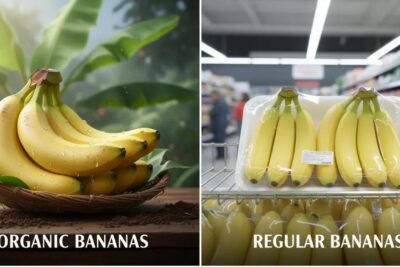
Organic banana peels offer a significantly safer alternative. Organic certification standards prohibit synthetic pesticides, fungicides, and chemical fertilizers. While organic doesn’t mean completely chemical-free (some natural pesticides are permitted), the residue levels are dramatically lower than conventional produce. Organic farming also avoids post-harvest treatments commonly applied to conventional bananas to control ripening and prevent spoilage during transport.
The nutritional content between organic and conventional banana peels is relatively similar, though some studies suggest organic produce may contain slightly higher levels of certain beneficial compounds like antioxidants. The primary advantage of organic peels isn’t superior nutrition but rather reduced chemical exposure.
Cost considerations make organic bananas less accessible for some goat owners, especially those with larger herds. Practical compromises include sourcing organic bananas when possible but not exclusively, thoroughly washing conventional peels using the vinegar solution method described earlier, or limiting the frequency of conventional peel feeding while offering organic peels more regularly.
Some goat owners seek out local or small-scale banana sources where farming practices may be less intensive than large commercial operations, even if not certified organic. Building relationships with local produce markets or grocers can sometimes yield access to bananas grown with minimal chemical inputs at lower costs than certified organic options.
Another strategy involves peeling away the outer layer of conventional banana peels before feeding. The outermost surface carries the highest pesticide concentrations, so removing this layer (essentially feeding the inner, lighter-colored portion of the peel) reduces exposure somewhat, though it doesn’t eliminate it entirely.
If you’re feeding conventional banana peels to your goats, monitor their health closely for any signs that might indicate pesticide sensitivity: unexplained weight loss, changes in coat quality, reduced milk production in lactating does, reproductive issues, or behavioral changes. While these symptoms can have many causes, pesticide exposure should be considered if they appear without other obvious explanations.
Ultimately, organic banana peels represent the safest choice for regular feeding to goats. If organic isn’t feasible, limiting conventional peels to occasional treats rather than regular offerings, combined with thorough washing, provides a reasonable middle ground that balances cost, waste reduction, and animal safety.
Signs Your Goat Has Eaten Too Many Banana Peels
Recognizing when your goat has consumed excessive banana peels helps you respond quickly to prevent minor issues from becoming serious health problems. While banana peels aren’t toxic to goats, overconsumption can trigger various symptoms that require attention.
Digestive disturbances are the most common indicators of overindulgence. Watch for loose stools or diarrhea, which may appear within 6-24 hours after excessive banana peel consumption. The high fiber content and natural sugars can overwhelm the rumen’s bacterial balance, leading to rapid fermentation and loose manure. The consistency may range from slightly soft to watery, and you might notice undigested peel pieces in the feces.
Bloating or abdominal distension can occur when banana peels ferment too rapidly in the rumen. A goat’s left side (where the rumen is located) may appear visibly swollen or feel tight when pressed gently. The goat may stand with an arched back, appear uncomfortable, or repeatedly lie down and stand up. Mild bloating often resolves on its own as the gas passes, but severe bloating requires immediate veterinary attention as it can be life-threatening.
Reduced appetite for regular feed is another warning sign. If your goat shows less interest in hay, grain, or browse after receiving banana peels, they may have filled up on treats at the expense of their nutritionally complete diet. This displacement can lead to nutritional deficiencies over time, particularly if it becomes a pattern.
Lethargy or decreased activity may indicate digestive discomfort or a more serious metabolic issue. A goat that’s normally active but becomes unusually quiet, reluctant to move, or separates from the herd after eating banana peels may be experiencing abdominal pain or other complications. Goats are prey animals that instinctively hide illness, so obvious lethargy often signals significant discomfort.
Changes in vocalization can indicate distress. Goats experiencing digestive upset may bleat more frequently or with a different tone than usual. Some goats grind their teeth when in pain, producing a distinctive sound that’s different from normal cud-chewing.
Excessive salivation or drooling might occur if a goat has eaten too quickly and is experiencing mild choking or esophageal irritation from large peel pieces. While goats naturally produce saliva for digestion, excessive drooling with head extension or repeated swallowing attempts suggests a problem.
Behavioral changes including irritability, restlessness, or unusual aggression can accompany digestive discomfort. A goat that’s normally friendly but becomes standoffish or head-butts when approached may be communicating that they don’t feel well.
Abnormal manure beyond just loose stools deserves attention. Watch for unusually dark or light-colored feces, mucus in the manure, or a particularly foul odor. These signs can indicate more significant digestive disruption that may require intervention.
If you observe any of these symptoms after your goat has consumed banana peels, take the following steps: Remove access to all treats immediately and ensure the goat has plenty of fresh water and quality hay available. The fiber in hay helps normalize rumen function. Monitor closely for 24-48 hours, noting any changes in symptoms. Mild digestive upset often resolves with rest and a return to regular diet.
Contact your veterinarian if symptoms worsen, persist beyond 48 hours, or if you observe severe bloating, complete loss of appetite, high fever (normal goat temperature is 101.5-103.5°F), or signs of severe pain like teeth grinding or inability to stand. These symptoms may indicate complications requiring professional treatment.
Prevention is always preferable to treatment. Stick to recommended portion sizes, introduce banana peels gradually, and ensure treats never exceed 10% of total daily intake. Supervise feeding sessions to ensure dominant goats don’t consume more than their share, and remove any uneaten peels after 30 minutes to prevent overconsumption and spoilage.
Other Safe Fruit Scraps for Goats
Understanding what fruits can goats eat beyond banana peels helps you provide dietary variety while managing food waste responsibly. Goats can safely enjoy numerous fruit scraps, though each comes with its own guidelines and considerations.
Apples are excellent treats that most goats love. Both the flesh and peel are safe, though you should remove seeds as they contain small amounts of cyanide compounds that can accumulate with repeated exposure. Cut apples into quarters or slices to prevent choking. Interestingly, similar to goats, can cows eat apples and can sheep eat apples—yes, these ruminants also enjoy apples safely when offered appropriately. Apple cores (seeds removed) provide good fiber and enrichment.
Watermelon rinds are a favorite summer treat that provides hydration along with nutrients. The rind is actually more nutritious than the flesh, containing higher concentrations of vitamins and minerals. Goats can eat the entire watermelon including seeds, though cutting it into manageable chunks prevents waste and mess. The high water content makes watermelon particularly valuable during hot weather.
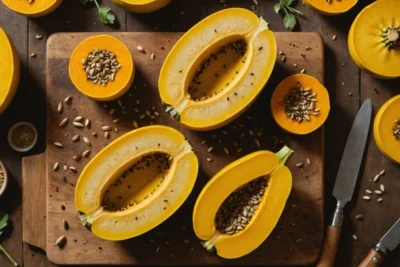
Pumpkins and squash are safe and nutritious, with the added benefit of natural deworming properties. The seeds contain compounds that may help control intestinal parasites. Goats can eat the flesh, seeds, and even the rind of pumpkins, though harder rinds should be cut into smaller pieces. Both raw and cooked pumpkin are acceptable.
Oranges and citrus fruits can be offered in moderation, though some goats dislike the strong citrus scent. The peels are safe but should be given sparingly due to high essential oil content that can cause digestive upset in large quantities. Just as can rabbits eat oranges and can rabbits eat orange peels in small amounts, goats can handle citrus occasionally. Similarly, can horses eat oranges safely—yes, though like goats, they should receive them as occasional treats only.
Pears are safe and nutritious, following the same guidelines as apples—remove seeds and cut into appropriate sizes. Pears tend to be softer than apples, making them easier for older goats or those with dental issues to consume.
Berries of all types—strawberries, blueberries, raspberries, blackberries—are safe and packed with antioxidants. Their small size makes them easy to eat, though the cost often makes them impractical as regular treats unless you’re using overripe or slightly damaged berries that would otherwise be discarded.
Peaches, plums, and other stone fruits are safe in moderation, but the pits must be removed. Stone fruit pits contain cyanogenic compounds and pose choking hazards. The flesh and skin are nutritious and generally well-received by goats.
Grapes are safe for goats, though they should be offered sparingly due to high sugar content. There’s often confusion because grapes are toxic to dogs, but goats handle them without issue. Interestingly, can horses have grapes—yes, horses can also eat grapes safely, though like goats, they should receive them in moderation.
Cantaloupe and honeydew melons are safe including rinds and seeds. Like watermelon, these provide hydration and nutrients. The rinds are tougher than watermelon rinds, so cutting them into smaller pieces helps.
While discussing safe fruits, it’s worth noting what goats should avoid. Avocados are toxic to goats—the skin, pit, and flesh all contain persin, which can cause serious health problems. Cherries, particularly the leaves and stems, contain cyanogenic compounds and should be avoided. Unripe or green tomatoes and their plants are toxic, though ripe red tomatoes are generally safe in small amounts.
When offering any fruit scraps, follow the same principles as with banana peels: wash thoroughly, remove any potentially harmful parts (seeds, pits, stems), cut into appropriate sizes, and offer in moderation as part of a varied diet. Fruit treats should never replace the foundational components of a goat’s diet—quality forage, appropriate grain supplements, fresh water, and access to minerals.
Rotating different fruit scraps provides better nutritional diversity than offering the same treat repeatedly. This variety also keeps goats mentally stimulated and prevents them from becoming fixated on a single food item. A goat that receives different treats regularly is less likely to overindulge when their favorite becomes available.
Understanding What Goats Should Never Eat
While we’ve established that can goats eat banana peels safely, understanding what goats absolutely should not eat is equally important for their health and safety. Goats are curious, opportunistic eaters that will sample almost anything, making it crucial for owners to know which foods pose serious risks.
Avocados top the list of toxic foods for goats. All parts of the avocado—fruit, skin, pit, and leaves—contain persin, a fungicidal toxin that can cause severe digestive upset, respiratory distress, and even death in goats. Even small amounts can be problematic, so avocados should never be offered and avocado trees should be fenced off from goat access.
Chocolate and caffeine are toxic to goats just as they are to dogs and cats. Theobromine and caffeine can cause rapid heart rate, tremors, seizures, and potentially death. Keep all chocolate products, coffee grounds, and caffeinated items completely away from goats.
Nightshade family plants in their unripe or green state are dangerous. This includes green tomatoes, potato plants (especially leaves and green potatoes), and eggplant plants. While ripe red tomatoes are generally safe in small amounts, the green parts of these plants contain solanine, which is toxic to goats.
Onions, garlic, and other alliums can cause hemolytic anemia in goats when consumed in significant quantities. While a small amount accidentally consumed won’t typically cause problems, these should never be offered intentionally as treats. This is particularly important because some people mistakenly believe garlic has deworming properties—while it may have some antimicrobial effects, the risks outweigh potential benefits.
Rhubarb leaves contain high levels of oxalic acid and are extremely toxic to goats. While the stalks are less toxic, they should still be avoided. Symptoms of rhubarb poisoning include difficulty breathing, tremors, and kidney failure.
Wild cherry, black cherry, and chokecherry leaves and stems contain cyanogenic glycosides that release cyanide when digested. Wilted cherry leaves are particularly dangerous as the wilting process concentrates these compounds. Even small amounts can be fatal.
Azaleas and rhododendrons are highly toxic ornamental plants. Just a few leaves can cause severe symptoms including drooling, vomiting, diarrhea, weakness, and potentially death. These plants should never be accessible to goats.
Oak leaves and acorns contain tannins that can cause kidney damage when consumed in large quantities. While goats may browse small amounts of oak without issue, preventing access to large quantities—especially during fall when acorns are abundant—is important.
Moldy or spoiled feed of any type should be avoided. Mold produces mycotoxins that can cause serious illness, reproductive problems, and even death. This applies to hay, grain, and any food scraps including banana peels. Always inspect feed for mold before offering it to goats.
Processed human foods like bread, chips, crackers, and baked goods should be limited or avoided. While small amounts of plain bread won’t cause immediate harm (and can cows eat bread, can sheep eat bread, and can donkeys eat bread—yes, these animals can tolerate small amounts), these foods provide empty calories, can disrupt rumen pH, and may contain ingredients like salt, sugar, or preservatives that aren’t appropriate for goats. The question can chickens eat banana bread also comes up frequently—while chickens can tolerate small amounts, the sugar and processed ingredients make it a poor choice for regular feeding.
Dog and cat food should never be fed to goats. These products are formulated for carnivores and contain protein levels and ingredients inappropriate for ruminants. Regular consumption can cause serious metabolic problems.
Lawn clippings from treated lawns pose risks if the grass has been treated with herbicides, pesticides, or fertilizers. Even untreated clippings can be dangerous because they ferment rapidly in piles, potentially causing bloat or toxicity from the fermentation byproducts.
Understanding these restrictions helps you make informed decisions about what scraps and treats are appropriate. When in doubt about a particular food item, research thoroughly or consult with a veterinarian before offering it to your goats. The principle of “better safe than sorry” applies strongly when it comes to goat nutrition—what might seem like a harmless treat could have serious consequences.
It’s also worth noting that goats’ dietary needs and tolerances can vary based on breed, age, health status, and individual sensitivities. What one goat tolerates well might cause problems for another. Always introduce new foods gradually and in small amounts, monitoring carefully for any adverse reactions before making them regular additions to the diet.
Comparing Banana Peels Across Different Livestock
The question of whether various livestock species can safely consume banana peels comes up frequently among farmers and homesteaders looking to reduce food waste. Understanding how different animals handle banana peels provides useful context for goat owners and helps inform broader farm feeding strategies.
Can chickens eat banana peels? Yes, chickens can eat banana peels, though their response varies. Some chickens enthusiastically peck at banana peels while others ignore them. The tough texture can be challenging for chickens, so chopping peels into small pieces or mashing them improves palatability. Can chickens eat banana peel in large quantities? Moderation is key—too much can cause digestive upset. Interestingly, what age can chickens eat bananas becomes relevant for chicks; wait until they’re at least 3-4 weeks old before introducing any treats including banana peels, ensuring they’re eating their starter feed well first.
Can horses eat banana peels and can horses have banana peels? Horses can safely eat banana peels in moderation. Many horses enjoy them as treats, and the peels provide similar nutritional benefits as they do for goats—fiber, potassium, and vitamins. However, horses should receive peels cut into smaller pieces to prevent choking, and the same organic versus conventional considerations apply. Can horses eat banana fruit? Yes, the flesh is actually easier for horses to consume than the peel and is often preferred. Similarly, can horses eat orange peels? While not toxic, orange peels are less palatable to horses due to the strong citrus oils, though some horses will eat them.
Can cows eat banana peels? Cattle can consume banana peels safely, and their complex ruminant digestive system handles the fibrous peels effectively, much like goats. Dairy farmers sometimes incorporate banana peels into cattle feed as a way to utilize food waste, though the same pesticide concerns apply. Cows generally show less enthusiasm for banana peels than goats do, but they’ll consume them when mixed with other feed.
Can sheep eat banana peels? Sheep, being ruminants like goats and cattle, can safely eat banana peels following similar guidelines. Sheep tend to be more selective eaters than goats, so they may be pickier about accepting banana peels initially. Can sheep eat carrots and can sheep eat oranges? Yes to both, though carrots should be cut to prevent choking, and oranges should be offered sparingly due to the citrus oils.
Can donkeys eat banana peels and can donkeys eat bananas? Donkeys can eat both banana peels and fruit safely, though their tendency toward obesity means treats should be strictly limited. Donkeys have efficient metabolisms designed for sparse desert vegetation, so they gain weight easily on rich foods. Can donkeys eat carrots, can donkeys eat celery, and what can donkeys eat generally? Donkeys can eat various vegetables and fruits in moderation, but their treat portions should be smaller than those for horses or goats of similar size.
Can rabbits eat banana peels? Rabbits can eat small amounts of banana peel, though it should be offered sparingly due to high sugar content relative to their dietary needs. Rabbits have sensitive digestive systems, so new foods must be introduced very gradually. The peel’s tough texture can be difficult for rabbits to consume, so cutting it into small pieces helps.
An interesting related question is can humans eat banana peels? Yes, humans can eat banana peels, and they’re consumed in various cuisines worldwide. They can be cooked, blended into smoothies, or even fried. However, the same pesticide concerns that apply to feeding livestock apply to human consumption—organic peels are preferable, and thorough washing is essential.
The common thread across all these species is that banana peels can be part of a healthy, varied diet when offered appropriately, but they should never constitute a significant portion of any animal’s nutrition. The specific guidelines vary based on each species’ digestive system, nutritional requirements, and natural feeding behaviors.
For goat owners with mixed livestock operations, this information helps create efficient feeding strategies that minimize waste while respecting each species’ unique dietary needs. Banana peels that goats don’t finish might be offered to chickens or pigs, for example, creating a waste-reduction cascade that benefits multiple species.
The Role of Treats in Goat Behavior and Bonding
Beyond the nutritional aspects of feeding banana peels to goats, treats play an important role in human-animal bonding and behavioral management. Understanding this dimension helps goat owners use treats like banana peels strategically to build trust and facilitate handling.
Goats are intelligent, social animals with excellent memories. Research addressing questions like do goats remember faces has confirmed that goats can indeed recognize and remember human faces for years, and they form preferences for people who treat them kindly. This cognitive ability makes treat-based positive reinforcement highly effective for training and relationship-building.
Using banana peels and other treats during handling and training sessions creates positive associations with human interaction. A goat that receives a small piece of banana peel while having its hooves trimmed or being led on a halter learns to associate these potentially stressful activities with pleasant rewards. Over time, this reduces resistance and makes routine care easier.
Recall training benefits significantly from treat rewards. Teaching goats to come when called is much easier when they know a banana peel or other favorite treat awaits. This skill proves invaluable when you need to bring goats in from pasture, separate individuals for medical care, or move them to different areas of your property.
Treats facilitate socialization of young goats, helping them become comfortable with human handling from an early age. Kids that receive small, appropriate treats during gentle handling sessions typically grow into adults that are easier to manage and less fearful of people.
Enrichment is another important function of treats. Goats are curious, intelligent animals that can become bored in confined environments. Offering varied treats in different ways—hiding banana peel pieces for goats to find, hanging them so goats must stretch to reach them, or freezing them into ice blocks for summer enrichment—provides mental stimulation that improves overall welfare.
However, treats can also create behavioral challenges if not managed properly. Goats that receive treats too frequently or inconsistently may become pushy, jumping on people or head-butting in demand for food. Establishing clear boundaries—treats are given only when the goat is calm and polite, never when jumping or pushing—prevents these problems from developing.
Herd dynamics can be affected by treat distribution. Dominant goats may monopolize treats, preventing subordinate animals from receiving their share. Feeding treats in separate areas or ensuring each goat gets individual attention prevents this inequality and reduces competition-related stress.
The timing of treat delivery matters for training effectiveness. Treats should be given immediately after desired behavior—within 1-2 seconds—so the goat makes the connection between action and reward. Delayed rewards are less effective for learning.
Using treats strategically during veterinary care or medical procedures can reduce stress and improve cooperation. A goat distracted by eating banana peel pieces may tolerate injections, wound cleaning, or other necessary interventions with less resistance. This approach benefits both animal welfare and handler safety.
It’s important to maintain variety in treats to prevent goats from becoming fixated on a single food item or losing interest in rewards altogether. Rotating between banana peels, apple slices, carrot pieces, and other safe options keeps treats novel and motivating.
Understanding the behavioral and bonding aspects of treat feeding helps goat owners use banana peels and other food rewards as tools for building positive relationships, facilitating necessary care, and enriching their animals’ lives—all while maintaining appropriate nutritional boundaries and preventing overfeeding.
Conclusion: Making Informed Decisions About Banana Peels for Goats
The answer to “can goats eat banana peels” is definitively yes—when offered thoughtfully and in moderation, banana peels can be a safe, nutritious treat that reduces food waste while providing variety to your goats’ diet. However, this simple answer requires the context we’ve explored throughout this guide to ensure you’re feeding banana peels in ways that truly benefit your animals.
The key takeaways for responsible banana peel feeding include prioritizing organic peels whenever possible to minimize pesticide exposure, washing all peels thoroughly regardless of source, cutting them into appropriate sizes to prevent choking, and limiting portions to 1-2 peels per adult goat, 2-3 times weekly at most. Remember that treats should never exceed 10% of a goat’s total diet, and banana peels should be part of a varied rotation of safe fruits and vegetables rather than a daily staple.
Pay attention to your individual goats’ responses. Some may love banana peels while others show little interest. Some may tolerate them well while others experience digestive sensitivity. This variation is normal and should guide your feeding decisions. Always introduce new foods gradually, monitor for adverse reactions, and adjust based on what you observe.
The broader principle underlying safe banana peel feeding applies to all aspects of goat nutrition: these animals thrive on a foundation of quality forage, appropriate mineral supplementation, and fresh water, with treats serving as occasional enrichment rather than dietary necessities. When you approach banana peels and other food scraps with this perspective, you can enjoy the benefits—waste reduction, animal enrichment, and bonding opportunities—while maintaining your goats’ health and productivity.
By understanding the nutritional benefits, potential risks, proper preparation methods, and appropriate portions, you’re equipped to make informed decisions that serve both your goats’ wellbeing and your goals as a livestock owner. Whether you’re managing a small backyard herd or a larger farming operation, these principles help you incorporate banana peels safely and effectively into your goats’ feeding routine.
Frequently Asked Questions
Can goats eat banana peels safely?
Yes, goats can eat banana peels safely when offered in moderation as an occasional treat. Banana peels are non-toxic to goats and provide beneficial nutrients like potassium, fiber, and vitamins B6 and B12. However, they should be washed thoroughly to remove pesticides and cut into manageable pieces to prevent choking, and should never replace their primary diet of hay, browse, and quality goat feed.
Are banana peels good for goats nutritionally?
Banana peels offer several nutritional benefits for goats, including high potassium content for muscle function, dietary fiber for digestive health, and antioxidants that support overall wellness. They also contain magnesium, manganese, and vitamins that complement a goat’s regular diet. While nutritious, banana peels should be considered a supplemental treat rather than a dietary staple, making up no more than 10% of their daily food intake.
Can goats eat banana peels every day?
No, goats should not eat banana peels every day, as too much of any treat can disrupt their digestive balance and nutritional intake. Offering banana peels 2-3 times per week is a safer frequency that allows goats to enjoy the benefits without risking digestive upset or nutritional imbalances. Goats require a diverse diet primarily consisting of hay, pasture, and formulated feed, with treats like banana peels serving only as occasional supplements.
What fruits are toxic to goats?
Goats should never eat avocados (all parts are toxic), cherry pits, apple seeds in large quantities, or stone fruit pits, as these contain cyanogenic compounds that can poison goats. Additionally, moldy or fermented fruits can cause serious digestive issues and should always be avoided. While most common fruits like apples, bananas, watermelon, and berries are safe in moderation, always remove seeds and pits, and introduce new fruits gradually to monitor for adverse reactions.
What food scraps can goats not eat?
Goats should never eat chocolate, onions, garlic, avocado, raw potatoes, tomato leaves and stems, rhubarb leaves, or any moldy or spoiled food scraps. Additionally, avoid feeding them meat products, processed foods high in salt or sugar, citrus peels in large amounts, and anything from the nightshade family’s green parts. These foods can cause toxicity, digestive problems, or even death in goats, so stick to safe vegetable and fruit scraps that are fresh and properly prepared.
How should I prepare banana peels for goats?
Before feeding banana peels to goats, wash them thoroughly under running water to remove pesticides, dirt, and any chemical residues from commercial farming. Cut the peels into small, manageable strips or pieces to prevent choking hazards, especially for younger or smaller goats. Organic banana peels are preferable when available, and always remove any stickers or labels before offering them to your herd.
What farm animals can eat banana peels besides goats?
Many farm animals can safely eat banana peels, including pigs, chickens, cows, sheep, and rabbits when offered in appropriate portions. Pigs particularly enjoy banana peels and can digest them easily, while chickens will peck at them for nutrients. However, each animal species has different digestive capabilities and nutritional needs, so always research proper preparation and portion sizes specific to each type of livestock before introducing banana peels to their diet.
What is the safest way to feed treats to goats?
The safest approach to feeding treats like banana peels to goats is following the 90/10 rule: 90% of their diet should be quality hay, browse, and formulated feed, with only 10% coming from treats and supplements. Always introduce new foods gradually over several days, monitor for digestive changes or allergic reactions, and ensure treats are fresh, clean, and cut into appropriate sizes. Provide treats after goats have eaten their regular meals to prevent them from filling up on less nutritious options.
You May Also Like
How to Ripen Bananas for Banana Bread: Fast & Natural Methods

Benefits of Banana Bread: Is It Healthy or Just Dessert?