Can Red Footed Tortoises Eat Bananas? Safe Feeding Guide


If you’re a red footed tortoise owner standing in your kitchen with a banana, wondering whether you can share this sweet fruit with your shelled companion, you’re not alone. The question of whether red footed tortoises eat bananas is one of the most common queries among tortoise keepers, and for good reason. While red footed tortoises are known for their varied diet and fruit-loving tendencies, not all fruits are created equal when it comes to tortoise nutrition. The short answer is yes, red footed tortoises can eat bananas, but there’s much more you need to know about portion sizes, frequency, preparation methods, and better alternatives to ensure your tortoise thrives on a balanced diet.
Can Red Footed Tortoises Eat Bananas? The Quick Answer
Yes, red footed tortoises can eat bananas safely, but only as an occasional treat rather than a dietary staple. Unlike some tortoise species that should avoid fruit entirely, red footed tortoises are naturally frugivorous in the wild, meaning their diet includes a significant portion of fallen fruits from the rainforest floor. This makes them more tolerant of fruit sugars compared to species like sulcata tortoises or Hermann tortoises, which require primarily herbivorous diets.
However, bananas should never comprise more than a small percentage of your red footed tortoise diet. While these tropical reptiles do enjoy the sweet taste and soft texture of bananas, the fruit’s high sugar content and unfavorable calcium-to-phosphorus ratio mean it should be offered sparingly. Think of bananas as the tortoise equivalent of candy—enjoyable and safe in moderation, but potentially problematic if overfed.
The key to successfully incorporating bananas into your tortoise’s meal plan lies in understanding proper portion control, frequency, and how to balance this treat with more nutritionally appropriate foods. Red footed tortoises in their natural habitat consume a diverse array of foods including flowers, fungi, leaves, and various fruits, so replicating this variety in captivity is essential for their long-term health and red footed tortoise lifespan, which can extend 50 years or more with proper care.
Nutritional Value of Bananas for Red Footed Tortoises
Understanding the nutritional profile of bananas helps explain why they should be limited in your red footed tortoise’s diet. A medium banana contains approximately 105 calories, 27 grams of carbohydrates (including 14 grams of sugar), 3 grams of fiber, and minimal protein. While bananas do offer some beneficial nutrients like potassium, vitamin B6, and vitamin C, their nutritional composition presents several concerns for tortoise health.
The most significant issue is the calcium-to-phosphorus ratio. Tortoises require a diet with a calcium-to-phosphorus ratio of approximately 2:1 or higher to maintain healthy shell and bone development. Bananas have a ratio of roughly 1:2—the exact opposite of what tortoises need. When phosphorus levels exceed calcium in the diet, it can bind to calcium and prevent its absorption, potentially leading to metabolic bone disease over time.
Additionally, the high sugar content in bananas can disrupt the delicate gut flora balance in tortoises. Red footed tortoises have evolved to process the natural sugars found in wild fruits, but cultivated bananas contain significantly higher sugar concentrations than most fruits they would encounter in their native South American rainforest habitats. Excessive sugar can lead to digestive upset, abnormal fecal consistency, and long-term health complications including obesity and liver problems.
On the positive side, bananas do provide quick energy and hydration, which can be beneficial for tortoises recovering from illness or for gravid females. The soft texture also makes bananas easy for tortoises of all ages to consume, from hatchlings to senior specimens. The potassium content supports proper muscle function and heart health, though tortoises typically receive adequate potassium from their regular diet of greens and vegetables.
How Much Banana Can Red Footed Tortoises Eat?
Portion control is absolutely critical when feeding bananas to tortoises. For an adult red footed tortoise (typically 10-14 inches in length), a suitable serving size is approximately one to two small slices of banana, roughly equivalent to a tablespoon or less. This might seem surprisingly small, but remember that in proportion to their body size, this represents a significant treat.
For juvenile red footed tortoises, reduce the portion even further—a single thin slice or a few small chunks is sufficient. Hatchlings under six months should generally avoid bananas altogether, as their developing systems are particularly sensitive to dietary imbalances. Focus instead on providing these young tortoises with calcium-rich greens, appropriate vegetables, and high-quality tortoise pellets formulated for their growth stage.
The size of your individual tortoise matters significantly. A larger red footed tortoise approaching the maximum red footed tortoise size of 14-16 inches can handle slightly more banana than a smaller specimen, but the general rule remains: fruit should never exceed 10-20% of the total diet, and bananas should represent only a fraction of that fruit portion. Most of your tortoise’s fruit intake should come from more nutritionally appropriate options like papaya, mango, or berries.
When offering banana, always consider what else your tortoise has eaten that day. If you’ve already provided other fruits or sweet vegetables like carrots or bell peppers, skip the banana entirely. The cumulative sugar intake across all foods is what matters for maintaining optimal health and preventing the digestive issues that can arise from excessive simple carbohydrates.
How Often Should You Feed Bananas to Red Footed Tortoises?
Frequency matters just as much as portion size when incorporating bananas into your red footed tortoise feeding schedule. The recommended frequency for offering bananas is no more than once per week, and many tortoise experts suggest limiting it to once every two weeks or even monthly. This conservative approach ensures that bananas remain a special treat rather than becoming an expected part of the regular diet.
Red footed tortoises are intelligent enough to develop food preferences, and they often show a strong preference for sweet fruits like bananas over more nutritious greens. If you feed bananas too frequently, your tortoise may begin refusing healthier foods in anticipation of receiving their favorite treat. This behavior, sometimes called “food fixation,” can lead to nutritional deficiencies and make it extremely difficult to maintain a balanced diet.
Consider implementing a rotation schedule for treats. Instead of offering bananas weekly, alternate between different fruit options throughout the month. One week you might offer a small amount of banana, the next week some strawberries, followed by papaya, then mango. This rotation prevents habituation to any single food and provides a broader spectrum of nutrients while keeping sugar intake in check.
The red footed tortoise diet should follow a pattern where 70-80% consists of dark leafy greens and appropriate vegetables, 10-20% consists of various fruits, and 5-10% consists of protein sources like insects, mushrooms, or high-quality tortoise pellets. Within that 10-20% fruit allocation, bananas should represent only a small fraction. If you’re feeding fruit three times per week, banana should appear no more than once in that rotation.
Potential Risks of Feeding Bananas to Tortoises
While bananas are not toxic to red footed tortoises, overfeeding them can lead to several health complications that every responsible tortoise keeper should understand. The most immediate concern is digestive upset. Excessive banana consumption can cause diarrhea, abnormally soft stools, or changes in fecal odor and consistency. These symptoms indicate that the tortoise’s digestive system is struggling to process the high sugar content.
Long-term overconsumption of bananas and other high-sugar fruits can contribute to obesity in tortoises. Unlike their wild counterparts who must forage extensively for food and navigate challenging terrain, captive tortoises often have limited space for exercise. When combined with calorie-dense foods like bananas, this sedentary lifestyle can lead to excessive weight gain, which stresses the internal organs and skeletal structure, potentially reducing the red footed tortoise lifespan in captivity.
The unfavorable calcium-to-phosphorus ratio in bananas poses perhaps the most serious long-term risk. Chronic calcium deficiency can lead to metabolic bone disease (MBD), a devastating condition characterized by soft, deformed shells, weakened bones, tremors, and difficulty walking. While occasional banana treats won’t cause MBD on their own, they can contribute to the problem if the overall diet lacks sufficient calcium or if bananas are fed too frequently.
Another concern is the potential for intestinal impaction if banana peels are consumed. While the flesh of the banana is soft and easily digestible, the peel is fibrous and can be difficult for tortoises to break down. Some tortoises may attempt to eat banana peels if offered, which can lead to blockages in the digestive tract—a serious medical emergency requiring veterinary intervention.
There’s also evidence that excessive fruit consumption can alter the gut microbiome in tortoises. These reptiles rely on beneficial bacteria to help digest plant matter and synthesize certain vitamins. High sugar intake can promote the growth of harmful bacteria and yeast, potentially leading to dysbiosis (microbial imbalance) that manifests as chronic digestive issues, reduced nutrient absorption, and increased susceptibility to infections.
How to Properly Prepare Bananas for Your Tortoise
Proper preparation of bananas is essential for safe feeding and helps prevent potential health issues. Start by selecting ripe but not overripe bananas. While tortoises may enjoy the sweeter taste of very ripe, spotted bananas, these contain even higher sugar concentrations and should be avoided. Choose bananas that are yellow with minimal brown spots for optimal nutritional value.
Always remove the peel completely before offering banana to your tortoise. Despite what you might observe with can sulcata tortoise eat banana skin or can tortoise eat banana skin searches suggesting some species might consume peels, it’s best practice to remove them for red footed tortoises. Banana peels can contain pesticide residues even after washing, and their fibrous texture poses an impaction risk.
Wash the banana thoroughly before peeling, even though you’ll be removing the skin. This prevents any surface contaminants from transferring to the flesh during peeling. If possible, choose organic bananas to minimize pesticide exposure, though this isn’t strictly necessary if you’re removing the peel and washing properly.
Cut the banana into appropriate-sized pieces for your tortoise. For adults, slice the banana into rounds approximately 1/4 inch thick, then offer one or two slices. For smaller tortoises, cut these slices into smaller chunks. The pieces should be small enough that your tortoise can easily bite and swallow them without struggling. Never offer a whole banana or large chunks that could pose a choking hazard.
Consider mixing banana pieces with more nutritious foods to create a balanced meal. Chop the banana and combine it with dark leafy greens like dandelion greens, collard greens, or turnip greens. This dilutes the sugar content while making the healthier greens more appealing. You can also mix small banana pieces with grated vegetables like squash or sweet potato for a nutritious medley.
Serve banana at room temperature rather than cold from the refrigerator. Cold foods can slow digestion in reptiles, whose metabolic processes are temperature-dependent. Let the banana sit at room temperature for 15-20 minutes before feeding if it’s been refrigerated.
Best Fruits for Red Footed Tortoises (Better Than Bananas)
While bananas are acceptable as an occasional treat, several other fruits offer superior nutritional profiles for red footed tortoises. Understanding these better alternatives helps you create a more balanced and health-promoting diet for your shelled companion.
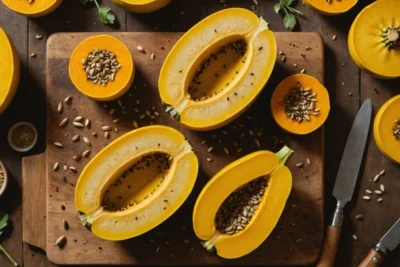
Papaya tops the list of excellent fruits for red footed tortoises. This tropical fruit offers a better calcium-to-phosphorus ratio than bananas, contains beneficial enzymes that aid digestion, and provides high levels of vitamin A—crucial for eye health, immune function, and proper shell development. Papaya’s soft texture makes it easy to eat, and most tortoises find it highly palatable. You can offer papaya slightly more frequently than bananas, up to twice weekly in small amounts.
Mango represents another superior choice. Rich in vitamins A and C, mango supports immune health and provides antioxidants that combat cellular damage. While still sweet, mango contains more fiber than bananas and offers a broader spectrum of micronutrients. Remove the skin and pit, then offer small cubes of the flesh mixed with greens.
Berries—including strawberries, raspberries, and blackberries—provide excellent nutritional value with lower sugar content per serving compared to bananas. When considering can red footed tortoises eat blueberries, the answer is a resounding yes. Berries are rich in antioxidants, fiber, and various vitamins while being lower in calories. Their small size also makes portion control easier. Offer a few berries once or twice weekly as part of a varied fruit rotation.
Cactus fruits (prickly pear/opuntia) are particularly valuable because they offer a favorable calcium-to-phosphorus ratio and are similar to foods red footed tortoises might encounter in certain parts of their natural range. The pads and fruits of prickly pear cactus can be offered more liberally than most fruits, though always remove spines carefully before feeding.
Figs provide good calcium content and are enjoyed by most red footed tortoises. Both fresh and dried figs can be offered, though dried figs should be soaked in water first to rehydrate them and make them easier to digest. Figs contain natural prebiotics that support healthy gut bacteria.
When exploring what fruits can I give my red foot tortoise, also consider melon (in moderation due to high water content), grapes (cut in half to prevent choking—addressing can red foot tortoise eat grapes), and various tropical fruits like guava and passion fruit. The key is variety and moderation across all fruit types.
Complete Red Footed Tortoise Diet Guide
Understanding the complete dietary needs of red footed tortoises provides essential context for where bananas fit into their overall nutrition plan. A comprehensive red footed tortoise diet sheet pdf would outline the following components, which every keeper should implement for optimal health.
Dark leafy greens should form the foundation of your tortoise’s diet, comprising 50-70% of total food intake. Excellent options include dandelion greens, collard greens, turnip greens, mustard greens, and endive. When considering can red footed tortoises eat kale, the answer is yes, but in moderation as kale contains goitrogens that can interfere with thyroid function if overfed. Rotate between different greens to provide varied nutrients and prevent nutritional imbalances.
Vegetables should make up another 20-30% of the diet. Red footed tortoises benefit from a variety of vegetables including butternut squash, acorn squash, bell peppers (all colors), and occasional carrots. Addressing can red footed tortoises eat carrots—yes, but sparingly due to vitamin A content and sugar levels. For can red footed tortoises eat green beans, these can be offered occasionally as they provide fiber and nutrients, though they should be lightly steamed for easier digestion. Regarding can red footed tortoises eat tomatoes or can red foot tortoise eat tomatoes, these are acceptable in small amounts occasionally, but avoid the leaves and stems which contain toxic compounds.
Fruits should comprise 10-20% of the diet, with emphasis on the more nutritious options discussed earlier. This is where your occasional banana treat fits in, alongside papaya, mango, berries, and other appropriate fruits. Never exceed this percentage, as too much fruit can lead to the health problems outlined previously.
Protein sources are essential for red footed tortoises, who are more omnivorous than many other tortoise species. Offer protein 1-2 times weekly in the form of earthworms, snails, slugs, crickets, or high-quality low-fat cat food (as an occasional protein boost). Mushrooms also provide protein and are particularly enjoyed by red footed tortoises, mimicking the fungi they consume in their natural rainforest habitat.
Calcium supplementation is critical for preventing metabolic bone disease. Dust food with calcium powder (without vitamin D3 if your tortoise has access to UVB lighting, with D3 if not) at most feedings. This is especially important when offering foods with poor calcium-to-phosphorus ratios like bananas. A cuttlebone should also be available in the enclosure at all times for additional calcium intake.
The red footed tortoise feeding schedule should involve daily meals for juveniles and 5-6 times weekly for adults. Offer food in the morning when tortoises are most active, and remove uneaten portions after a few hours to prevent spoilage. Adjust portion sizes based on your tortoise’s activity level, growth rate, and body condition.
Signs Your Tortoise Has Eaten Too Much Fruit
Recognizing the symptoms of excessive fruit consumption helps you adjust your tortoise’s diet before minor issues become serious health problems. Being attentive to these signs ensures your red footed tortoise maintains optimal health throughout its potentially 50+ year lifespan.
Digestive changes are often the first indicator of too much fruit or banana in the diet. Watch for loose stools, diarrhea, or unusually soft, mushy feces. Healthy tortoise feces should be well-formed and relatively firm, with a separate white urate portion. If stools become consistently watery or have an unusually strong odor, reduce fruit intake immediately and focus on fiber-rich greens and vegetables.
Weight gain and obesity develop more gradually but are serious concerns. A healthy red footed tortoise should have a smooth, dome-shaped shell without excessive fat deposits visible around the legs and neck. If your tortoise appears to be “outgrowing” its shell, with bulging skin around the leg openings and a thick neck, this indicates obesity. Weigh your tortoise monthly and track changes—sudden or steady weight increases suggest dietary adjustments are needed.
Food refusal or pickiness often develops when tortoises become accustomed to sweet fruits. If your red foot tortoise not eating greens or vegetables but eagerly consuming fruits, you’ve likely created a preference problem. This behavior requires a “reset” period where you eliminate all fruits for 2-3 weeks and offer only greens and vegetables. Most tortoises will eventually resume eating appropriate foods when sweet options are removed.
Shell problems can indicate long-term nutritional imbalances. Pyramiding (abnormal upward growth of shell scutes creating a bumpy appearance) often results from excessive protein and insufficient fiber, but can also be exacerbated by poor calcium absorption related to high phosphorus intake from fruits. Soft shell areas, unusual shell coloration, or abnormal growth patterns warrant immediate veterinary consultation.
Lethargy and reduced activity may seem counterintuitive given that fruit provides quick energy, but chronic overconsumption can lead to metabolic issues that manifest as decreased activity levels. A healthy red footed tortoise should be alert, active during appropriate times (morning and evening), and responsive to its environment. Persistent sluggishness, especially when combined with other symptoms, suggests dietary or health problems.
Changes in drinking behavior can also signal dietary issues. Tortoises consuming excessive fruit may drink less water because they’re getting high moisture content from their food, but this can lead to concentrated urates and potential kidney problems over time. Conversely, some tortoises may drink excessively if experiencing digestive upset from too much sugar.
To ensure your tortoise remains healthy and happy, understanding how to make a red-footed tortoise happy involves more than just diet. Proper red footed tortoise habitat setup, maintaining correct red foot tortoise temperature and humidity levels (80-85°F ambient temperature with 60-80% humidity), providing adequate space for exercise, and offering environmental enrichment all contribute to overall wellbeing.
Creating a Sustainable Feeding Plan for Your Red Footed Tortoise
Developing a long-term, sustainable feeding plan ensures your red footed tortoise receives optimal nutrition throughout its life while still enjoying occasional treats like bananas. This approach balances nutritional science with the practical realities of tortoise keeping and the natural food preferences these animals exhibit.
Start by establishing a weekly meal rotation that provides variety while maintaining nutritional balance. A sample week might include daily offerings of mixed dark leafy greens (dandelion, collard, turnip greens) as the base, with different vegetables added each day—Monday might feature butternut squash, Tuesday bell peppers, Wednesday mushrooms, and so on. Fruit appears 2-3 times weekly in small amounts, with banana reserved for perhaps every other week or monthly as a special treat.
Keep a feeding journal to track what your tortoise eats, when, and in what quantities. This record helps you identify patterns, preferences, and potential problems. Note any food refusals, changes in appetite, or digestive issues alongside what was offered. Over time, this journal becomes an invaluable resource for understanding your individual tortoise’s needs and can be extremely helpful if you need to consult a veterinarian.
Consider the seasonal availability of foods and how this might affect your tortoise’s diet. In wild populations, food availability changes with seasons, and mimicking this natural variation can be beneficial. During summer months when fresh greens and vegetables are abundant and affordable, emphasize these foods. In winter, you might rely more on stored squashes, quality tortoise pellets, and greenhouse-grown greens.
Adjust feeding quantities and frequency based on your tortoise’s life stage and activity level. Growing juveniles require daily feeding with higher protein content to support their rapid development. Adult tortoises can be fed 5-6 times weekly with slightly lower protein and higher fiber content. Senior tortoises may need softer foods and smaller, more frequent meals as their metabolism slows.
When considering the red footed tortoise price and investment in proper care, remember that prevention through proper nutrition is far less expensive than treating diet-related health problems. A well-planned diet costs relatively little—primarily fresh greens and vegetables with occasional fruits and protein sources—compared to veterinary bills for treating metabolic bone disease, obesity-related complications, or other nutritional disorders.
Understanding what a tortoise’s favorite fruit might be helps you use these preferences strategically. While many red footed tortoises show strong preferences for sweet fruits like bananas and strawberries, do red-footed tortoises like bananas more than is good for them? Absolutely. Use their favorite fruits as occasional rewards or to encourage eating when a tortoise is recovering from illness, but don’t let preferences dictate the regular diet.
For those researching red footed tortoise for sale or red foot tortoise for sale options, establish proper feeding habits from the beginning. Young tortoises are more adaptable to varied diets than adults who may have developed preferences from previous keepers. If you acquire an adult tortoise with established food preferences, be patient during the transition to a healthier diet—it may take weeks or even months to successfully broaden their food acceptance.
The yellow-foot tortoise care principles are quite similar to red footed tortoise care, as these species are closely related. Both benefit from similar dietary approaches with emphasis on varied greens, appropriate vegetables, limited fruits, and regular protein sources. The feeding guidelines for bananas and other fruits apply equally to both species.
Finally, remember that individual tortoises may have unique dietary needs based on their health status, activity level, and metabolic rate. What works perfectly for one red footed tortoise might need adjustment for another. Pay attention to your tortoise’s body condition, energy levels, shell quality, and overall health, making dietary modifications as needed to maintain optimal condition.
By understanding that red footed tortoises eat bananas safely in moderation, knowing how to properly prepare and portion this treat, recognizing better fruit alternatives, and maintaining a comprehensive approach to tortoise nutrition, you can ensure your shelled companion enjoys a long, healthy life. The key lies not in completely avoiding bananas or any single food, but in creating a balanced, varied diet that mimics the nutritional diversity these remarkable reptiles would experience in their natural South American rainforest habitat. With proper care, attention to dietary details, and a commitment to providing optimal nutrition, your red footed tortoise can thrive for decades, bringing joy and fascination to your life for years to come.
Frequently Asked Questions
Can red footed tortoises eat bananas?
Yes, red footed tortoises can eat bananas, but only in moderation as an occasional treat. Bananas are high in sugar and potassium, which can cause digestive issues and nutritional imbalances if fed too frequently. Offer small portions of banana no more than once or twice per week as part of a varied diet that includes leafy greens, vegetables, and other fruits.
How often should red footed tortoises eat bananas?
Red footed tortoises should eat bananas only once or twice per week at most, with portions no larger than a few small slices. While these tortoises enjoy the sweet taste of bananas, too frequent feeding can lead to nutritional imbalances and a preference for sugary foods over healthier options. Always mix banana with other nutritious foods like dark leafy greens and vegetables to maintain a balanced diet.
What fruits are safe for red footed tortoises to eat?
Red footed tortoises can safely eat a variety of fruits including papaya, mango, strawberries, figs, cactus fruit, and melons. These fruits should comprise about 20-30% of their overall diet, with the remainder being leafy greens, vegetables, and occasional protein sources. Always remove seeds from fruits like apples and avoid citrus fruits, which are too acidic for tortoise digestion.
What foods are toxic to red footed tortoises?
Toxic foods for red footed tortoises include avocado, rhubarb, tomato leaves, buttercups, and plants from the nightshade family. Additionally, avoid feeding them processed human foods, dairy products, bread, and foods high in oxalates like spinach in large quantities. Citrus fruits should also be avoided as their high acidity can cause digestive upset and shell problems.
What should a red footed tortoise eat daily?
A red footed tortoise should eat a daily diet consisting of 50-70% dark leafy greens (like collard greens, dandelion greens, and turnip greens), 20-30% vegetables and fruits, and 5-10% protein sources such as earthworms or moistened tortoise pellets. Fresh, clean water should always be available, and calcium supplementation should be provided several times per week. Variety is key to ensuring proper nutrition and preventing dietary deficiencies.
Can you overfeed a red footed tortoise?
Yes, you can overfeed a red footed tortoise, which can lead to obesity, shell pyramiding, and organ problems. Tortoises should be fed an amount they can consume within 15-20 minutes, typically once daily for adults. Monitor your tortoise’s weight and shell growth regularly, and adjust portions if you notice excessive weight gain or rapid, uneven shell development.
How long can a red footed tortoise go without food?
A healthy adult red footed tortoise can survive without food for several weeks to a few months, though this is not recommended for their wellbeing. However, tortoises should never be intentionally deprived of food, as regular feeding maintains their immune system, shell health, and overall vitality. If your tortoise refuses food for more than a week, consult a reptile veterinarian as this may indicate illness.
Can red footed tortoises eat banana peels?
Red footed tortoises can technically eat banana peels, but it’s not recommended due to potential pesticide residues and the tough, fibrous texture that’s difficult to digest. If you choose to offer banana peel, use only organic bananas, wash thoroughly, and cut into very small pieces. The fruit itself is more nutritious and easier for tortoises to consume than the peel.
Do red footed tortoises like bananas?
Yes, most red footed tortoises love bananas and will eagerly eat them due to their sweet taste and soft texture. This strong preference is actually why bananas should be limited—tortoises may begin refusing healthier foods if they become accustomed to frequent banana treats. Use bananas strategically as an occasional reward or to encourage eating when mixed with less palatable but more nutritious foods.
You May Also Like

How to Ripen Bananas for Banana Bread: Fast & Natural Methods

Benefits of Banana Bread: Is It Healthy or Just Dessert?