Do I Need to Take Creon with a Banana? EPI Dosing Guide

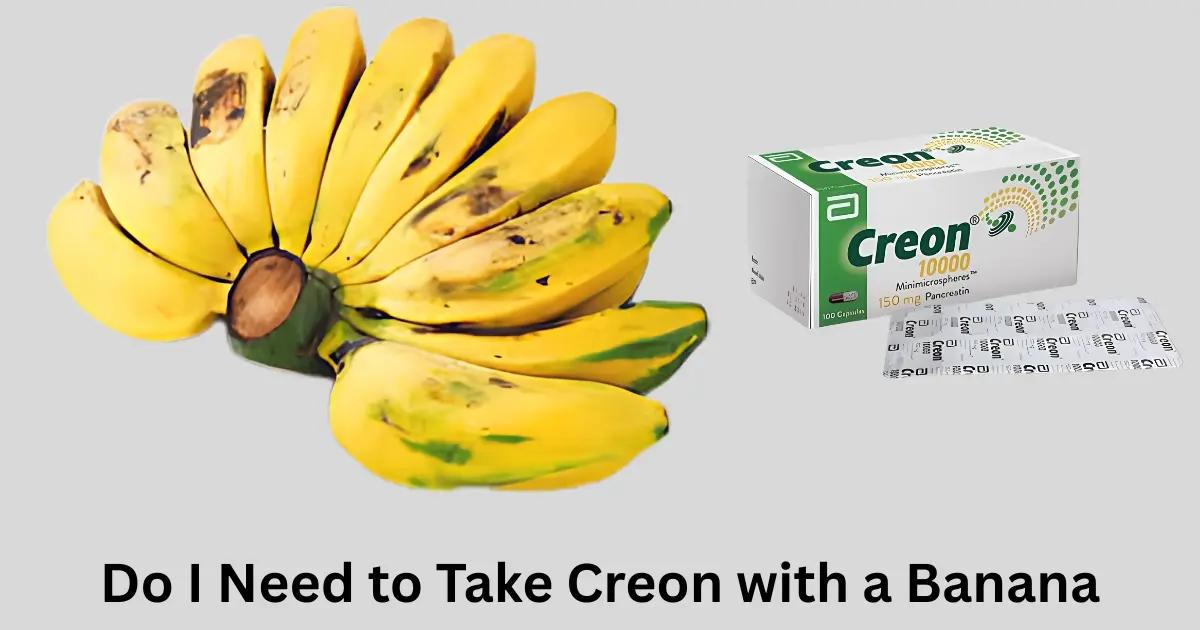
If you’ve been prescribed Creon with banana consumption in mind, you’re not alone in wondering whether this low-fat fruit requires pancreatic enzyme replacement therapy. For patients managing exocrine pancreatic insufficiency (EPI), understanding exactly when to take Creon can feel overwhelming, especially when it comes to seemingly simple foods like bananas. The confusion stems from conflicting information about fat thresholds and dosing guidelines that leave many patients either over-medicating or experiencing uncomfortable digestive symptoms. This comprehensive guide will clarify exactly when you need Creon, how bananas fit into your enzyme replacement strategy, and provide practical dosing guidelines you can implement immediately to manage your EPI effectively.
Do You Need Creon with a Banana? The Short Answer
The straightforward answer is: most EPI patients do not need to take Creon with a banana when eaten alone as a snack. A medium banana contains approximately 0.4 grams of fat, which falls well below the threshold that typically requires pancreatic enzyme replacement. However, this answer comes with important nuances that depend on how you’re eating the banana, your individual sensitivity, and your doctor’s specific recommendations for your condition.
When you eat a plain banana by itself, the minimal fat content means your body can usually digest it without additional enzyme support. The primary macronutrients in bananas are carbohydrates (about 27 grams per medium banana) and a small amount of protein (1.3 grams), neither of which require lipase—the fat-digesting enzyme that Creon provides. Your body produces other enzymes naturally to handle these nutrients, even with EPI.
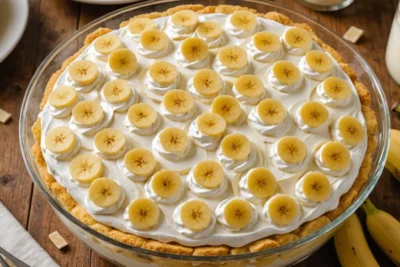
That said, the situation changes if you’re eating your banana with other foods. A banana with peanut butter, in a smoothie with whole milk or yogurt, or as part of a larger meal would require Creon because the total fat content of what you’re consuming crosses the threshold. The key principle with Creon dosing guidelines is always to consider the complete nutritional profile of everything you’re eating together, not individual food items in isolation.
Understanding How Creon Works with Different Foods
Creon is a pancreatic enzyme replacement therapy (PERT) that contains three essential digestive enzymes: lipase (for fat digestion), protease (for protein digestion), and amylase (for carbohydrate digestion). When your pancreas doesn’t produce enough of these enzymes due to conditions like chronic pancreatitis, cystic fibrosis, or pancreatic cancer, Creon supplements what your body can’t make on its own.
The most critical enzyme in Creon is lipase because fat malabsorption causes the most problematic symptoms in EPI patients—including steatorrhea (fatty, oily stools), abdominal pain, bloating, and nutritional deficiencies. While Creon also helps with protein and carbohydrate digestion, the primary reason for taking it with any food is to ensure adequate fat breakdown and absorption.
When you take Creon, the capsule releases these enzymes in your small intestine where they mix with food and begin breaking down nutrients. The enzymes work best when they’re present at the same time as the food you’re digesting, which is why timing matters. Taking Creon too early means the enzymes may pass through before your food arrives; taking it too late means some fat has already moved beyond the point where enzymes can act on it effectively.
For EPI enzyme replacement to work optimally, you need to match your dose to the fat content of what you’re eating. This is where understanding the nutritional composition of common foods becomes essential for daily management of your condition.
Fat Content in Bananas: The Key Factor
A medium banana (approximately 118 grams or 7-8 inches long) contains only about 0.4 grams of total fat. To put this in perspective, this represents less than 1% of the daily recommended fat intake for most adults and is considered nutritionally negligible from a fat-digestion standpoint.
The fat in bananas is primarily composed of beneficial polyunsaturated and monounsaturated fats, with minimal saturated fat. This small amount of fat is distributed throughout the fruit’s cellular structure, making it even easier for your body to handle without concentrated enzyme support. The fat content doesn’t significantly increase as bananas ripen, though the sugar content does increase as starches convert to simple sugars.
Compared to other fruits, bananas are on the lower end of the fat spectrum. Avocados, for example, contain about 15 grams of fat per half fruit—nearly 40 times more than a banana. Even coconut contains significantly more fat. Among common fruits, bananas are similar to apples, oranges, grapes, and berries in their minimal fat content, all of which typically don’t require Creon when eaten alone.
The carbohydrate content in bananas is what makes them filling and energizing, not the fat. This is actually beneficial for EPI patients because you can get quick energy and important nutrients like potassium, vitamin B6, and vitamin C without needing to take medication for a simple snack.
When to Take Creon: Fat Threshold Guidelines
Most gastroenterologists and pancreatic specialists recommend taking Creon when your meal or snack contains more than 5-10 grams of fat, though individual thresholds vary based on the severity of your EPI and your doctor’s assessment. Some patients with severe pancreatic insufficiency may need enzymes with any fat intake, while others with milder cases might have a higher threshold.
The general Creon dosing guidelines follow this framework: for meals containing significant fat (typically 10+ grams), you’ll need a full dose based on your prescribed lipase units per gram of fat. For smaller snacks with 5-10 grams of fat, you might take a partial dose. For foods with less than 5 grams of fat, many patients can skip the enzymes entirely, though this should be confirmed with your healthcare provider.
Your prescribed Creon dose is measured in lipase units—commonly Creon 6000, Creon 12000, or Creon 25000, where the number represents the units of lipase in each capsule. A typical starting dose might be 500 lipase units per kilogram of body weight per meal, with adjustments based on your response and symptoms. The maximum dose of Creon per day shouldn’t exceed 2,500 lipase units per kilogram per meal or 10,000 units per kilogram per day to avoid potential complications.
When calculating whether you need Creon, add up the total fat grams in everything you’re eating together. If you’re having a banana with a tablespoon of almond butter (9 grams of fat), the total is about 9.4 grams—which crosses the threshold and requires enzymes. If you’re eating just the banana (0.4 grams), you’re well below the threshold.
Foods That Don’t Require Creon (Low-Fat Examples)
Understanding which foods you can enjoy without taking Creon gives you flexibility and reduces medication burden throughout the day. Low-fat foods that typically don’t require pancreatic enzymes when eaten alone include:
- Most fresh fruits: Apples, oranges, berries, grapes, melons, pears, peaches, and bananas all contain less than 1 gram of fat per serving
- Plain vegetables: Leafy greens, carrots, broccoli, peppers, cucumbers, tomatoes, and most other vegetables have negligible fat content
- Plain rice and pasta: Without butter, oil, or cream sauces, these starches are virtually fat-free
- Fat-free or low-fat dairy: Skim milk, fat-free yogurt, and low-fat cottage cheese (check labels—some “low-fat” products still contain 2-3 grams per serving)
- Lean proteins prepared without fat: Egg whites, very lean chicken breast, white fish (when steamed or baked without oil)
- Clear beverages: Water, black coffee, tea, clear broths, and most fruit juices
- Plain grains: Oatmeal made with water, plain bread (check labels—some contain 2+ grams per slice), rice cakes
However, even these foods may require Creon if you’re eating them as part of a larger meal with other fat-containing items. The key is always evaluating the complete meal rather than individual components. Additionally, some EPI patients with severe pancreatic insufficiency may need enzymes even with these low-fat options if their doctor has prescribed a more aggressive treatment approach.
It’s worth noting that while you might not need Creon for the fat content in these foods, you’re still getting the benefit of the protease and amylase enzymes if you do take it. Some patients find they digest all foods better when taking Creon consistently with everything, though this should be discussed with your healthcare provider to avoid excessive enzyme intake.
Foods That Always Need Creon (High-Fat Examples)
Certain foods contain enough fat that they always require Creon for proper digestion in EPI patients. These high-fat foods include:
- Nuts and nut butters: Almonds, peanuts, cashews, walnuts, and their butter forms contain 14-20 grams of fat per 2-tablespoon serving
- Oils and butter: Even a teaspoon of olive oil, coconut oil, or butter contains 4-5 grams of fat; a tablespoon has 12-14 grams
- Full-fat dairy: Whole milk, regular cheese, cream, ice cream, and full-fat yogurt all contain significant fat
- Fatty meats: Bacon, sausage, ribeye steak, dark meat chicken with skin, salmon, and ground beef (anything above 90% lean)
- Avocados: Half an avocado contains about 15 grams of fat
- Fried foods: French fries, fried chicken, donuts, and anything deep-fried absorbs substantial oil during cooking
- Baked goods: Croissants, muffins, cookies, cakes, and pastries typically contain 10-20+ grams of fat per serving
- Chocolate: Most chocolate contains 8-12 grams of fat per ounce
- Coconut products: Coconut milk, shredded coconut, and coconut cream are very high in saturated fat
- Salad dressings: Regular dressings contain 10-15 grams of fat per 2-tablespoon serving
These foods aren’t necessarily on a “foods to avoid when taking Creon” list—in fact, many are nutritious and important for maintaining healthy weight and getting fat-soluble vitamins. The key is taking appropriate Creon doses with them. Your Creon 25000 dosage or whatever strength you’re prescribed should be calculated based on the total fat content of meals containing these items.
Some EPI patients develop anxiety around high-fat foods because they’ve experienced symptoms when dosing incorrectly. With proper Creon dosing based on weight and fat content, you should be able to enjoy these foods without digestive distress. If you’re still experiencing symptoms despite taking Creon, your dose may need adjustment or you may need to discuss other management strategies with your doctor.
How to Dose Creon for Snacks vs. Meals
The distinction between snacks and meals matters significantly for Creon dosing guidelines. Your doctor has likely prescribed you a dose for meals and possibly a different recommendation for snacks, but understanding the principles helps you make informed decisions throughout the day.
For full meals (breakfast, lunch, dinner), you’ll typically take your full prescribed dose. If your prescription is Creon 25000 (25,000 lipase units) and you’re instructed to take 2 capsules with meals, you’d take both capsules at the beginning of any meal containing significant fat. The dose should be split if you’re eating slowly—take some capsules at the start and some midway through the meal to ensure enzymes are present throughout digestion.
For snacks, the approach depends on fat content. A high-fat snack like a handful of nuts (15+ grams of fat) might require a full meal dose or close to it. A moderate-fat snack like cheese and crackers (8-10 grams total fat) might need one capsule. A low-fat snack like a banana or apple typically needs no Creon at all.
Many patients find it helpful to use a simple Creon dose calculator approach: estimate the grams of fat in what you’re eating, then calculate approximately 500-2,500 lipase units per gram of fat (based on your doctor’s guidance). For example, if you’re eating a snack with 10 grams of fat and your doctor recommended 1,000 units per gram, you’d need 10,000 units total—which might be one Creon 12000 capsule or two Creon 6000 capsules.
Timing is crucial for both meals and snacks. Take Creon at the beginning of eating, not before or after. If you forget and remember mid-meal, take it immediately. If you remember after you’ve finished eating, it’s generally too late for that meal—the food has already moved beyond where the enzymes can effectively work. Don’t double up on the next dose to compensate.
What Happens If You Skip Creon When You Need It
Skipping Creon when eating high-fat foods leads to fat malabsorption, which produces several uncomfortable and potentially serious symptoms. The most immediate consequence is steatorrhea—loose, oily, foul-smelling stools that may float and be difficult to flush. This occurs because undigested fat passes through your digestive system and is eliminated without being absorbed.
Beyond the bathroom issues, fat malabsorption means you’re not getting the calories and nutrients from the food you’re eating. Over time, this leads to unintended weight loss, which is particularly concerning for EPI patients who may already struggle to maintain healthy weight. You’re also missing out on fat-soluble vitamins (A, D, E, and K), which can lead to deficiencies affecting everything from bone health to immune function to blood clotting.
Digestive symptoms from skipping Creon include abdominal cramping, bloating, excessive gas, and general discomfort. Some patients experience nausea. These symptoms typically appear 1-4 hours after eating, depending on your digestive transit time. The severity correlates with how much fat you consumed—eating a high-fat meal without Creon produces more dramatic symptoms than eating a moderate-fat snack without enzymes.
Interestingly, some patients report that occasionally skipping Creon with truly low-fat foods causes no noticeable problems, which reinforces that the banana question has a legitimate basis. Your body can handle small amounts of fat even with EPI, particularly if your pancreatic insufficiency is moderate rather than severe.
The long-term consequences of frequently skipping necessary Creon doses include malnutrition, vitamin deficiencies, continued weight loss, decreased quality of life, and potential complications related to your underlying pancreatic condition. Consistent, appropriate enzyme replacement is essential for managing EPI effectively and maintaining your overall health.
Common Mistakes EPI Patients Make with Creon Dosing
Even well-informed patients make predictable errors when managing their Creon therapy. Understanding these common pitfalls helps you avoid them and optimize your treatment.
Taking Creon too early or too late is perhaps the most frequent mistake. Taking it 30 minutes before eating means the enzymes may pass through your stomach before food arrives. Taking it after finishing your meal means fat has already moved beyond the small intestine where lipase works. The enzymes need to be present simultaneously with the food, which is why the recommendation is always to take Creon at the beginning of eating.
Underestimating fat content in foods leads to inadequate dosing. Many patients don’t realize how much fat is in restaurant meals, processed foods, or seemingly innocent items like muffins or granola. Reading nutrition labels and using a food tracking app initially can help you develop better intuition about fat content. When in doubt, it’s generally safer to take Creon than to skip it.
Not adjusting doses for different meal sizes is another error. If you normally take 2 capsules with dinner but you’re having a light salad with grilled chicken and vinaigrette (maybe 8 grams of fat total), you might only need 1 capsule. Conversely, a large holiday meal might require 3 capsules. Your dose should match what you’re actually eating, not be a fixed amount regardless of meal composition.
Forgetting to split doses during long meals reduces effectiveness. If you’re at a restaurant and your meal lasts 90 minutes, taking all your Creon at the start means the enzymes may be depleted by the time you’re eating your entrée. Split your dose—take some at the beginning and some when your main course arrives.
Experiencing too much Creon side effects from over-dosing is possible, though less common than under-dosing. Taking excessive enzymes can cause constipation, abdominal discomfort, and in rare cases, more serious complications. The maximum dose of Creon per day exists for safety reasons—exceeding it consistently can lead to fibrosing colonopathy, a serious bowel condition.
Not considering liquid calories is a subtle mistake. Patients remember to take Creon with solid food but forget that whole milk, smoothies, protein shakes, and other beverages can contain significant fat. A smoothie made with whole milk, banana, and peanut butter might have 15-20 grams of fat and definitely requires enzymes.
Inconsistent storage can reduce Creon’s effectiveness. The medication should be stored at room temperature (not in hot cars or humid bathrooms) and kept in its original container with the desiccant packet to prevent moisture exposure.
Practical Tips for Managing Creon with Daily Foods
Successful long-term management of EPI with Creon requires developing practical systems and habits that fit your lifestyle. These strategies help patients maintain consistent, appropriate enzyme replacement without constant stress or calculation.
Create a mental categorization system for common foods you eat regularly. Group foods into “always needs Creon” (anything fried, nuts, cheese, fatty meats), “sometimes needs Creon” (depends on portion and preparation), and “rarely needs Creon” (most fruits and vegetables, plain grains). This quick mental reference eliminates constant decision-making for routine eating.
Carry Creon everywhere in a small pill organizer or keep extra bottles in your car, office, and bag. Many patients report that their biggest dosing failures happen when they’re caught without medication at a restaurant or social event. Having Creon accessible at all times prevents this problem.
Use smartphone apps to track fat content initially. Apps like MyFitnessPal or Cronometer show detailed nutritional information for thousands of foods. After a few weeks of tracking, you’ll develop intuition about which foods need enzymes and which don’t. This is particularly helpful for learning the fat content in restaurant meals and packaged foods.
Develop a dosing routine that becomes automatic. Many patients set their Creon bottle next to their plate before eating or establish a habit of taking enzymes as soon as they sit down to eat. Making it a reflexive behavior reduces the chance of forgetting.
Communicate with dining companions about your needs. Let friends and family know you need a moment to take medication before eating. This reduces social pressure to start eating immediately and helps others understand why you might be particular about when food is served.
Plan for special situations. Buffets and multi-course meals require strategy—take some Creon at the beginning and keep capsules available to take more as you continue eating. For alcohol consumption, remember that drinks themselves don’t need Creon, but the snacks you eat while drinking might. Consider asking your doctor about how long after taking Creon you can have a hot drink, as some patients worry about temperature affecting enzyme activity (generally not a concern, but worth confirming).
Keep a symptom journal when starting Creon or adjusting doses. Note what you ate, how much Creon you took, and any digestive symptoms. This helps you and your doctor identify patterns and optimize your dosing strategy. You might discover that you personally need enzymes with foods that theoretically shouldn’t require them, or vice versa.
Batch prepare low-fat snacks for convenience. Having pre-portioned fruits, vegetables, and other low-fat options readily available means you can snack without medication when you’re hungry between meals. This is both convenient and reduces your total daily Creon consumption.
When to Consult Your Doctor About Creon Dosing
While this guide provides general information about Creon with banana consumption and overall dosing principles, certain situations require professional medical guidance. Your healthcare provider should be consulted when you experience any of the following:
Persistent symptoms despite taking Creon as prescribed indicate your dose may be inadequate. If you’re still experiencing steatorrhea, abdominal pain, bloating, or other digestive symptoms even when taking enzymes with high-fat meals, you likely need a dose adjustment. Don’t simply take more on your own—work with your doctor to find the right amount.
Unintended weight loss or difficulty maintaining weight suggests inadequate enzyme replacement or absorption issues. Your doctor may need to increase your Creon dosage for adults, evaluate for other contributing factors, or refer you to a dietitian specializing in pancreatic conditions. Some patients wonder “will I gain weight on Creon,” and the answer is that proper enzyme replacement should help you maintain or reach a healthy weight by improving nutrient absorption.
New or worsening abdominal pain could indicate progression of your underlying pancreatic condition, complications, or other issues unrelated to enzyme dosing. Don’t assume all abdominal symptoms are simply about Creon—have new or severe pain evaluated promptly.
Questions about specific foods or situations that aren’t covered by your initial dosing instructions warrant discussion. If you’re traveling internationally, changing your diet significantly, or facing unique eating situations, your doctor can provide personalized guidance. They can also provide a Creon dosing chart tailored to your specific prescription and needs.
Concerns about medication costs or access should be addressed with your healthcare team. Creon is expensive, and some patients ration doses due to cost concerns, which compromises treatment effectiveness. Your doctor may be able to provide samples, connect you with patient assistance programs, or discuss alternative enzyme products that might be more affordable.
Side effects or suspected adverse reactions require immediate medical attention. While Creon is generally well-tolerated, some patients experience allergic reactions, severe constipation, or other concerning symptoms. Don’t continue taking medication that’s causing problems without professional evaluation.
Changes in your pancreatic condition may necessitate dosing adjustments. If you’ve had surgery, started new treatments, or experienced changes in your underlying disease, your Creon needs may have changed. Regular follow-up with your gastroenterologist or pancreatic specialist ensures your enzyme replacement stays optimized.
Pregnancy or plans to become pregnant require discussion about Creon safety and dosing. While pancreatic enzymes are generally considered safe during pregnancy, your doctor should be involved in managing your EPI throughout pregnancy and breastfeeding.
Remember that Creon dosing is highly individualized. What works for another EPI patient may not be right for you. Your prescribed Creon 25000 dose per day or whatever strength and frequency you’re taking should be based on your specific pancreatic function, body weight, dietary habits, and symptom response. Regular communication with your healthcare provider ensures you’re getting optimal benefit from your enzyme replacement therapy while minimizing medication burden and side effects.
Managing EPI effectively means finding the balance between taking enough Creon to prevent symptoms and malabsorption while not over-medicating with every bite of food. Understanding that a simple banana doesn’t require enzymes while a banana split definitely does exemplifies the practical knowledge that makes daily life with EPI more manageable and less stressful.
Frequently Asked Questions
Do I need to take CREON with a banana?
No, you typically do not need to take CREON with a banana. Bananas contain less than 0.5 grams of fat per medium fruit, which falls well below the threshold that requires pancreatic enzyme replacement therapy. Most EPI specialists recommend taking CREON only with foods containing 5 grams of fat or more, making bananas safe to eat without medication for most patients.
What foods do not require CREON?
Foods that do not require CREON include most fruits (bananas, apples, berries, oranges), plain vegetables, fat-free broths, black coffee, tea, and clear juices. Generally, any food or snack containing less than 5 grams of fat can be consumed without pancreatic enzymes. Always check nutrition labels and consult your healthcare provider about your specific fat threshold, as individual needs may vary.
Should you take CREON when eating fruit?
No, you generally should not take CREON when eating plain fruit. Fresh fruits like bananas, apples, grapes, and melons are naturally very low in fat and do not require enzyme supplementation. However, if you’re eating fruit with added fats—such as fruit with peanut butter, in a smoothie with yogurt, or as part of a meal with other fat-containing foods—you should take CREON with that combined meal.
What foods do you need to take CREON with?
You need to take CREON with any food or meal containing significant fat, typically 5 grams or more. This includes meats, dairy products (cheese, whole milk, ice cream), nuts, seeds, oils, butter, fried foods, baked goods, and processed snacks. Your CREON dose should be adjusted based on the fat content of each meal, with larger, fattier meals requiring higher doses as prescribed by your doctor.
Can pancreatitis patients eat bananas?
Yes, pancreatitis patients can safely eat bananas, and they’re actually an excellent food choice for EPI management. Bananas are low in fat, easy to digest, provide essential nutrients like potassium and vitamin B6, and are gentle on the pancreas. They make an ideal snack for people with chronic pancreatitis or EPI because they don’t trigger the need for enzyme replacement therapy.
How long should I wait to eat after taking CREON?
You should not wait to eat after taking CREON—instead, take it immediately before or during your meal. CREON capsules should be swallowed at the start of your meal or snack, and if you’re taking multiple capsules, spread them throughout the meal. The enzymes need to mix with food in your stomach to work effectively, so timing is critical for proper fat digestion.
Do I need to take CREON with yogurt?
It depends on the type of yogurt you’re eating. Fat-free or non-fat yogurt (0-1 grams of fat per serving) typically doesn’t require CREON with a banana or alone. However, low-fat yogurt (2-3 grams of fat), whole milk yogurt, or Greek yogurt with higher fat content usually does require enzyme replacement. Always check the nutrition label and follow your healthcare provider’s guidance on your personal fat threshold.
What foods should be avoided with CREON?
There are no specific foods you must avoid while taking CREON, but you should limit extremely high-fat foods that may overwhelm even enzyme supplementation. Very greasy, fried, or fatty foods can cause digestive symptoms even with proper CREON dosing. Focus on a balanced diet with moderate fat intake spread throughout the day, and work with a dietitian to determine the optimal fat content for your individual tolerance and enzyme dosing.
Do I need to take CREON with drinks?
You only need to take CREON with drinks that contain fat, such as whole milk, milkshakes, smoothies with yogurt or protein powder, or nutritional supplement drinks. Water, black coffee, tea, clear juices, and other fat-free beverages do not require enzyme replacement. If you’re drinking a beverage alongside a meal that requires CREON, the enzymes you take with the meal will also help digest any fat in the drink.
What happens if I take too much CREON?
Taking too much CREON can lead to side effects including nausea, abdominal cramping, constipation, and in rare cases, a serious condition called fibrosing colonopathy (with extremely high doses over time). While occasional over-dosing with low-fat foods like taking CREON with a banana is generally not harmful, consistently taking unnecessary enzymes wastes medication and may increase side effect risk. Always follow your prescribed dosing guidelines based on the fat content of your meals.
You May Also Like
Are Strawberry Banana Smoothies Healthy? Complete Guide 2026

Why Avoid Bananas During Pregnancy? Safety Guide 2026