Black Banana Tree: 5 Dark Varieties That Thrive (Growing Guide)

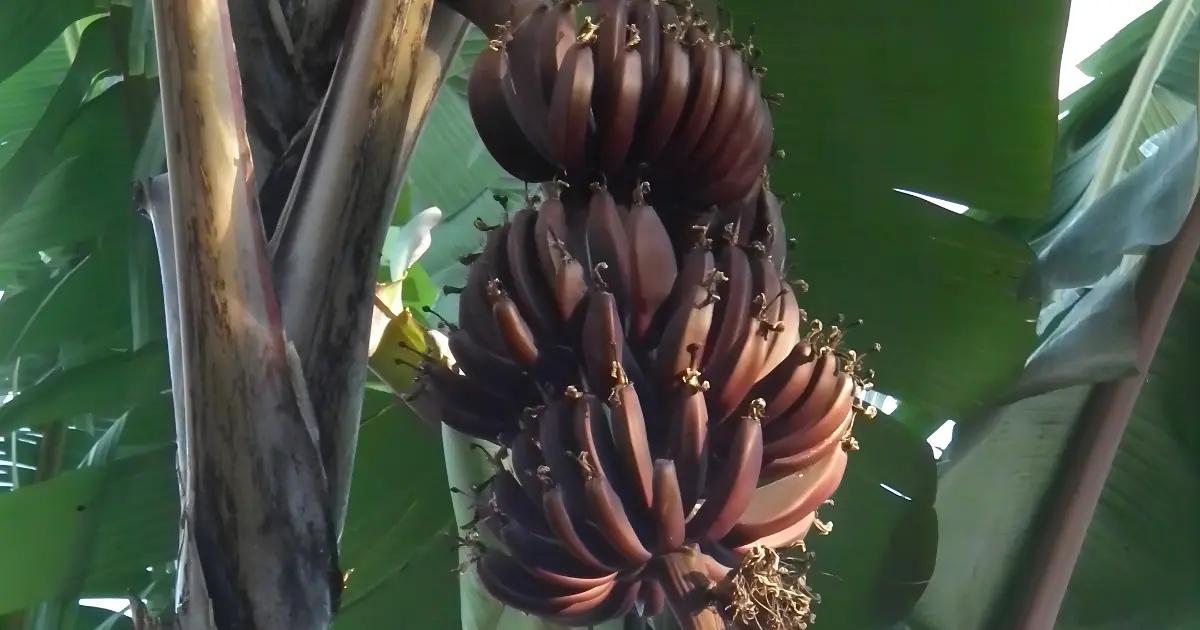
If you’ve been searching for a black banana tree to add dramatic, exotic flair to your garden, you’re not alone—these stunning dark-leafed varieties have become incredibly popular among tropical plant enthusiasts. The truth is, truly “black” banana trees don’t exist in nature, but several spectacular varieties produce deep burgundy, purple, and maroon foliage that appears nearly black in certain lighting conditions. These ornamental powerhouses can transform your landscape with their bold, architectural presence, and yes, they actually work in home gardens when you understand their specific needs. Whether you’re drawn to the legendary Musa sikkimensis ‘Red Tiger’ with its wine-dark leaves or the statuesque Ensete ventricosum ‘Maurelii’, this comprehensive guide will show you exactly how to select, grow, and maintain these dramatic dark leaf banana plants successfully.
What Is a Black Banana Tree? (Varieties Explained)
The term “black banana tree” is actually a marketing-friendly description for several distinct species and cultivars that produce exceptionally dark foliage ranging from deep purple to burgundy-maroon. These plants aren’t a single variety but rather a collection of ornamental bananas bred or naturally occurring with high concentrations of anthocyanins—the same pigments that give red cabbage and purple grapes their color. When people search for a black banana tree, they’re typically looking for varieties with leaves so dark they appear black from a distance or in shadow.
The most sought-after purple banana tree varieties include members of the Musa genus (true bananas) and Ensete genus (often called false bananas). The distinction matters because these groups have different growth habits, cold tolerance, and fruiting characteristics. True Musa varieties are herbaceous perennials that die back to the ground in cold climates but regrow from rhizomes, while Ensete species are monocarpic—they flower once and then die, though they can live for many years before flowering.
Understanding what “black” actually means in banana cultivation helps set realistic expectations. In full sun, most dark varieties display deep burgundy or purple-red coloring with green undertones. The darkest coloration typically appears on new growth, leaf midribs, and the pseudostem (the banana stem structure made of tightly wrapped leaf sheaths). Mature leaves often lighten to bronze-green or purple-tinged green, creating a beautiful gradient effect throughout the plant.
These ornamental varieties serve primarily as landscape specimens rather than fruit producers, though some do produce edible bananas. Their dramatic foliage makes them exceptional focal points in tropical-themed gardens, container displays, and as architectural elements in modern landscape design. The contrast they provide against traditional green foliage is unmatched in the plant world.
Best Black Banana Varieties for Home Gardens
Selecting the right black banana plant for your specific climate and garden conditions is crucial for success. The following varieties represent the best options for home gardeners seeking dark foliage with proven performance records. Each has distinct characteristics that make it suitable for different growing situations and aesthetic preferences.
Musa sikkimensis ‘Red Tiger’ stands as the undisputed champion of dark-leafed bananas, producing leaves with deep maroon-purple striping and burgundy midribs that can appear nearly black in certain conditions. This cold-hardy variety tolerates temperatures down to 10°F (-12°C) when properly mulched, making it viable in USDA zones 7-11. The pseudostem displays dramatic red-purple coloring, and the plant can reach 12-14 feet in a single growing season under optimal conditions.
Ensete ventricosum ‘Maurelii’, commonly called the Red Abyssinian Banana, produces massive paddle-shaped leaves with deep burgundy-red coloring throughout. This variety is actually a false banana tree, more closely related to the bird of paradise than true bananas. It grows as a single-stemmed plant rather than forming clumps, reaching 10-15 feet with proper care. The entire plant—from stem to leaf—displays rich red-purple tones that intensify in bright light.
Musa acuminata ‘Sumatrana’ (Zebrina) offers striking variegation with purple-red splotches and stripes against green leaves, creating a zebra-like pattern. While not uniformly dark, the purple markings can be so extensive that the plant appears predominantly burgundy from a distance. This variety produces edible fruit and grows 6-8 feet tall, making it suitable for smaller gardens or large containers.
Musa ornata produces beautiful pink-to-purple flowers and foliage with purple-red undertones, particularly on new growth and the pseudostem. Growing 6-10 feet tall, this compact variety works well in containers and smaller spaces. The ornamental flowers appear even on young plants, adding another dimension of visual interest beyond the dark foliage.
Ensete glaucum ‘Snow Banana’ might seem like an odd inclusion in a list of dark varieties, but it produces dramatic purple-red midribs and stems that contrast beautifully with its blue-green leaves. This combination creates a sophisticated color palette that many gardeners prefer to all-dark varieties. It’s also one of the most cold-tolerant ornamental bananas, surviving brief periods near 20°F (-7°C).
Musa Sikkimensis ‘Red Tiger’: The Darkest Ornamental
Musa sikkimensis ‘Red Tiger’ deserves special attention as the variety that most closely achieves the “black banana tree” aesthetic gardeners seek. Native to the Himalayan regions of India, Nepal, and Bhutan, this species has adapted to cooler temperatures and higher elevations than most tropical bananas, making it exceptionally versatile for temperate climate gardeners.
The foliage of ‘Red Tiger’ emerges with intense burgundy-maroon striping that darkens almost to black along the midrib and leaf margins. Young leaves display the most dramatic coloration, often appearing completely wine-dark before gradually developing green undertones as they mature. The pseudostem maintains deep red-purple coloring throughout the growing season, creating a stunning vertical accent that can reach 12-14 feet in a single season when conditions are favorable.
This variety’s cold hardiness sets it apart from other types of banana plants. The rhizome can survive winter temperatures down to 10°F (-12°C) with heavy mulching, and some gardeners report survival to 0°F (-18°C) in protected locations with exceptional drainage. In zones 7-8, the plant dies back to the ground after frost but reliably returns in spring, often producing multiple shoots that create an impressive clump over several years.
Growth rate is another standout feature—under optimal conditions with rich soil, consistent moisture, and full sun, ‘Red Tiger’ can grow 2-3 inches per day during peak summer months. This rapid growth means you can achieve dramatic landscape impact in a single growing season, even if you’re starting with a small plant. The leaves can reach 4-6 feet in length and 2 feet in width, creating bold tropical texture.
Flowering occurs after several years of growth in warm climates, producing upright inflorescences with pink-to-purple bracts. The fruit that follows is technically edible but filled with hard seeds and minimal flesh, making it purely ornamental. Most gardeners grow ‘Red Tiger’ exclusively for its spectacular foliage rather than fruit production, similar to how many appreciate purple bananas for their unique coloring.
Ensete ventricosum ‘Maurelii’: The Red Abyssinian Banana
The Ensete ventricosum ‘Maurelii’ represents a different approach to the dark banana aesthetic, offering massive burgundy-red leaves on a single dramatic trunk rather than the clumping habit of true bananas. This false banana tree originates from Ethiopia and has been cultivated for centuries both as an ornamental and as a food source (the starchy corm is edible when properly prepared).
‘Maurelii’ produces some of the largest leaves in the banana world, with individual blades reaching 6-10 feet in length and 2-3 feet in width. The entire leaf surface displays rich burgundy-red coloring that intensifies in full sun, with the midrib appearing almost black-purple. Unlike variegated varieties where dark coloring appears in patches, ‘Maurelii’ maintains consistent red-purple tones throughout the leaf, creating a uniform, dramatic appearance.
The growth habit differs significantly from true bananas. Ensete species grow from a single central growing point rather than producing suckers from underground rhizomes. This means each plant develops as a solitary specimen with a thick, trunk-like pseudostem that can reach 12-20 feet tall over several years. The lack of suckering makes ‘Maurelii’ easier to manage in formal landscapes where you want a single architectural element rather than an expanding clump.
Cold tolerance is moderate—the plant can survive brief periods down to 28°F (-2°C) without significant damage, but prolonged freezing will kill it. In zones 9-11, ‘Maurelii’ can remain in the ground year-round. In colder areas, it’s typically grown in large containers and moved to protected locations for winter, or the corm can be dug up and stored dormant in a cool, dry location until spring.
One unique characteristic of Ensete is its monocarpic nature—after flowering (which typically occurs after 5-10 years), the plant dies. However, before flowering, you can propagate new plants from offsets that occasionally form at the base, or from seed if you’re patient. Many gardeners never see their ‘Maurelii’ flower because they maintain it as a juvenile specimen through container culture and controlled growing conditions.
The dramatic presence of a mature ‘Maurelii’ is unmatched in the ornamental banana world. The combination of massive burgundy leaves, thick red-purple stem, and statuesque single-trunk form creates an instant focal point that commands attention in any landscape setting. It pairs beautifully with bold foliage plants like cannas, elephant ears, and other tropical specimens.
Growing Conditions: What Black Bananas Actually Need
Successfully growing a black banana tree requires understanding the specific environmental conditions these plants need to thrive and display their darkest coloration. While they’re more adaptable than many gardeners assume, certain non-negotiable requirements must be met for optimal performance and that coveted deep purple-black foliage.
Sunlight requirements are critical for dark coloration. Most dark-leafed banana varieties need full sun (6-8 hours of direct sunlight daily) to develop and maintain their deepest purple-burgundy tones. In partial shade, the same varieties will produce predominantly green leaves with minimal dark pigmentation. The anthocyanins responsible for dark coloring are produced in response to intense light, so more sun equals darker leaves. However, in extremely hot climates (zones 10-11), some afternoon shade can prevent leaf scorch while still maintaining good color.
Soil composition dramatically affects growth rate and overall health. These plants demand rich, well-draining soil with high organic matter content. A mixture of 40% quality garden soil, 30% compost, 20% peat moss or coconut coir, and 10% perlite or coarse sand creates ideal conditions. The soil should retain moisture without becoming waterlogged—bananas hate “wet feet” and will develop root rot in poorly draining conditions. pH should range from 5.5 to 7.0, with slightly acidic conditions (6.0-6.5) being optimal.
Water requirements are substantial during the growing season. Bananas are heavy drinkers, and dark-leafed varieties are no exception. During active growth, plants may need 1-2 inches of water per week, either from rainfall or irrigation. The soil should remain consistently moist but never soggy. Mulching with 3-4 inches of organic material helps retain moisture, regulate soil temperature, and suppress weeds. In container culture, daily watering may be necessary during hot summer months.
Temperature preferences vary by variety but generally fall into predictable ranges. Most dark leaf banana plants grow actively when temperatures are between 75-95°F (24-35°C). Growth slows significantly below 60°F (15°C) and stops entirely below 50°F (10°C). Cold-hardy varieties like Musa sikkimensis can survive much colder temperatures when dormant, but all bananas prefer warm growing conditions. In marginal climates, planting against south-facing walls or in protected microclimates can extend the growing season by several weeks.
Humidity levels affect leaf quality and overall vigor. While bananas can adapt to relatively dry air, they perform best with humidity levels above 50%. In arid climates, regular misting, grouping plants together, or using pebble trays can increase local humidity. Low humidity often results in torn leaf margins and brown edges, though this is primarily cosmetic and doesn’t significantly impact plant health.
Wind protection is essential for maintaining attractive foliage. Banana leaves are designed to shred along their veins in strong winds—a natural adaptation that prevents the entire leaf from being torn off. However, shredded leaves look tattered and reduce the plant’s ornamental value. Planting in protected locations, using windbreaks, or staking in exposed areas helps preserve leaf integrity.
Planting and Care Guide for Dark-Leafed Bananas
Proper planting techniques and ongoing black banana plant care determine whether your dark-leafed variety thrives or merely survives. These plants respond dramatically to good cultural practices, rewarding attentive gardeners with explosive growth and intensely colored foliage. Follow these proven methods for best results.
Site preparation begins weeks before planting. Choose a location with full sun exposure and protection from strong winds. Dig a planting hole 2-3 times wider than the root ball and equally deep, then amend the excavated soil with generous amounts of compost, aged manure, and organic matter. For in-ground plantings, create a slightly raised mound to ensure excellent drainage—this is critical for preventing root rot. Space multiple plants 8-12 feet apart to allow for mature spread, or closer (4-6 feet) if you want a dense tropical screen.
Planting technique affects long-term establishment. Remove the plant from its container and gently tease apart circling roots. Position the rhizome or root ball at the same depth it was growing in the container—planting too deep can lead to rot, while too shallow exposes roots to drying. Backfill with amended soil, firming gently to eliminate air pockets. Create a water basin around the plant by mounding soil in a 3-4 foot diameter circle, then water deeply to settle the soil. Apply 3-4 inches of organic mulch, keeping it 6 inches away from the pseudostem to prevent rot.
Fertilization schedule should be aggressive during the growing season. Bananas are heavy feeders that respond dramatically to regular nutrition. Use a balanced fertilizer (10-10-10 or similar) or one slightly higher in potassium (8-10-12) every 4-6 weeks from spring through late summer. Organic options like composted manure, fish emulsion, or banana-specific fertilizers work excellently. Apply fertilizer in a circle 2-3 feet from the base, never directly against the stem. Reduce or eliminate feeding in fall and winter when growth slows.
Watering practices require consistency and observation. During active growth, bananas need deep, thorough watering that penetrates 12-18 inches into the soil. In hot weather, this may mean watering every 2-3 days in sandy soils, or weekly in heavier clay soils. The top 2-3 inches of soil should dry slightly between waterings, but the root zone should remain consistently moist. Container-grown plants dry out much faster and may need daily watering during peak summer. Reduce watering frequency as temperatures cool in fall.
Pruning and maintenance keeps plants looking their best. Remove dead or damaged leaves by cutting them close to the pseudostem with clean, sharp pruners. As lower leaves age and yellow, remove them to maintain a clean appearance and improve air circulation. After flowering (if it occurs), the main pseudostem will die back—cut it to ground level and allow new suckers to replace it. In clumping varieties, thin suckers to maintain 3-5 stems of varying ages for continuous growth and flowering.
Pest and disease management is generally straightforward. Bananas have few serious pest problems, though aphids, spider mites, and mealybugs occasionally appear. Strong water sprays or insecticidal soap handle most infestations. Watch for fungal issues in humid conditions—good air circulation and avoiding overhead watering help prevent problems. Nematodes can be problematic in some areas; crop rotation and soil solarization provide control. Maintaining plant health through proper nutrition and watering is the best defense against most issues.
Do Black Banana Trees Produce Edible Fruit?
One of the most common questions about purple banana tree varieties concerns fruit production and edibility. The answer varies significantly depending on which variety you’re growing, and understanding these differences helps set appropriate expectations for your dark-leafed banana.
Most ornamental dark-leafed bananas produce fruit that is technically edible but practically inedible due to large, hard seeds and minimal flesh. Musa sikkimensis ‘Red Tiger’, for example, produces small bananas filled with black seeds that make eating them more trouble than it’s worth. The fruit serves primarily as an ornamental feature rather than a food source. Similarly, Musa ornata produces attractive pink fruit that contains numerous seeds and very little edible pulp.
Ensete ventricosum ‘Maurelii’ and other Ensete species don’t produce edible fruit at all in the traditional sense. However, the starchy corm (underground stem) is edible when properly processed and is actually a staple food in parts of Ethiopia. The processing is labor-intensive and requires fermentation to make it palatable, so most Western gardeners grow these plants purely for ornamental purposes rather than food production.
Some dark-leafed varieties do produce genuinely edible fruit. Musa acuminata ‘Sumatrana’ can produce small, sweet bananas similar to standard dessert bananas, though the yield is typically lower than commercial varieties. The fruit quality is acceptable, though most gardeners grow this variety primarily for its striking purple-striped foliage rather than fruit production. The bananas are similar in taste and texture to organic bananas you might find at specialty markets.
Fruit production in temperate climates presents additional challenges. Even varieties capable of producing edible fruit require 9-12 months of frost-free growing conditions from flowering to fruit maturity. In zones 7-9, where many cold-hardy dark bananas survive winter, the growing season is too short for fruit to develop and ripen. Container-grown plants moved indoors for winter rarely have the light intensity needed for fruiting. Essentially, if you’re growing dark bananas in any climate with winter freezes, treat them as foliage plants and consider any fruit production a bonus rather than an expectation.
For gardeners specifically interested in edible banana production with attractive foliage, consider varieties like ‘Dwarf Cavendish’ or ‘Dwarf Red’ (which has burgundy-tinged leaves and produces edible fruit). These aren’t as dramatically dark as ‘Red Tiger’ or ‘Maurelii’, but they offer a better balance of ornamental appeal and fruit production. The question “Are black bananas good for anything?” often arises—while overripe bananas turn black and are excellent for baking (as discussed in resources about Are frozen bananas healthy), this is different from the dark-leafed ornamental varieties we’re discussing here.
Common Problems and How to Fix Them
Even with excellent care, black banana trees can encounter specific problems that affect their appearance and vigor. Recognizing these issues early and implementing appropriate solutions keeps your plants looking their best and prevents minor problems from becoming major setbacks.
Leaf edge browning and tearing is the most common cosmetic issue. Brown, crispy leaf margins typically indicate low humidity, inconsistent watering, or wind damage. While some leaf shredding is natural (bananas evolved to split along veins in wind), excessive damage suggests environmental stress. Solutions include increasing watering frequency during hot weather, misting leaves in dry climates, and providing wind protection. Once damaged, leaves won’t repair themselves, but new growth will emerge healthy if conditions improve.
Yellowing lower leaves can indicate several different issues. If only the oldest, lowest leaves yellow while new growth looks healthy, this is normal senescence—simply remove the yellow leaves. If yellowing affects multiple leaves or new growth, check for overwatering (soggy soil, root rot), underwatering (dry soil, wilting), or nutrient deficiency (particularly nitrogen). Adjust watering practices and fertilization schedule accordingly. Yellowing accompanied by stunted growth often indicates nitrogen deficiency—apply a high-nitrogen fertilizer to correct it.
Slow growth or failure to thrive frustrates gardeners expecting the rapid growth bananas are famous for. Common causes include insufficient sunlight (bananas need full sun), poor soil (heavy clay or nutrient-depleted soil), inadequate water, or temperatures below optimal range. Evaluate growing conditions systematically: Is the plant receiving 6-8 hours of direct sun? Is the soil rich and well-draining? Are you watering deeply and regularly? Is the temperature consistently above 60°F? Address deficiencies one at a time, starting with the most obvious.
Loss of dark coloration in varieties grown specifically for purple-burgundy foliage indicates insufficient light exposure. Anthocyanin production (which creates dark colors) requires intense sunlight. If your previously dark plant is producing increasingly green leaves, it needs more sun. Move container plants to brighter locations or consider transplanting in-ground specimens to sunnier sites. Some varieties also show less intense coloring in cool weather—color typically intensifies as temperatures warm in late spring and summer.
Pseudostem splitting or collapse usually results from overwatering, poor drainage, or physical damage. If the stem feels mushy or shows dark, wet areas, root rot is likely. Improve drainage immediately by amending soil or transplanting to a raised location. Reduce watering frequency and ensure the soil dries slightly between waterings. Severely rotted plants may not recover—remove affected stems and allow healthy suckers to replace them. Physical damage from wind or accidental impact can also cause splitting; stake plants in exposed locations and handle carefully during maintenance.
Pest infestations occasionally occur but are generally manageable. Aphids cluster on new growth and flower buds—blast them off with water or apply insecticidal soap. Spider mites cause stippling and webbing on leaf undersides, particularly in hot, dry conditions—increase humidity and use miticides if necessary. Mealybugs appear as white, cottony masses in leaf axils—remove with alcohol-soaked cotton swabs or apply horticultural oil. Scale insects create brown bumps on stems and leaves—scrape off manually or use horticultural oil. Maintaining plant health through proper care is the best pest prevention.
Cold damage appears as blackened, mushy leaves and stems after unexpected frosts. If only leaves are damaged, cut them back and the plant will likely recover from the rhizome. If the pseudostem is frozen solid, cut it to ground level and apply heavy mulch to protect the underground rhizome. In spring, new shoots should emerge if the rhizome survived. Prevent cold damage by monitoring weather forecasts and covering plants or moving containers indoors when freezes threaten. Heavy mulching in fall protects root systems in marginal climates.
Where to Buy Black Banana Trees (Reliable Sources)
Finding quality black banana trees requires knowing where to look and how to evaluate plant quality. While the search for “banana tree for sale near me” or “black banana tree for sale” might seem straightforward, not all sources provide healthy, correctly identified plants. These reliable options offer the best chances of success.
Specialty online nurseries provide the widest selection of rare and unusual banana varieties. Reputable sources include Plant Delights Nursery, Stokes Tropicals, Going Bananas, and Wellspring Gardens. These businesses specialize in tropical and subtropical plants, offering correctly identified varieties with detailed growing information. They typically ship bare-root rhizomes or small potted plants during appropriate planting seasons. Expect to pay $25-75 for starter plants, with larger specimens commanding higher prices. Read reviews and verify the nursery’s reputation before ordering.
Local tropical plant nurseries in warm climates (zones 8-11) often stock dark-leafed banana varieties, particularly common ones like Ensete ‘Maurelii’. The advantage of buying locally is seeing exactly what you’re getting and avoiding shipping stress. Staff at specialty nurseries can provide region-specific growing advice and may offer varieties particularly well-suited to your climate. Call ahead to verify availability, as inventory varies seasonally. While searching “banana plants for sale Florida” or similar local queries, focus on nurseries that specialize in tropicals rather than general garden centers.
Big box stores and garden centers occasionally carry ornamental bananas, though selection is limited and varieties may not be correctly labeled. Home Depot, Lowe’s, and regional chains sometimes stock Ensete ‘Maurelii’ or basic Musa varieties in their tropical plant sections during spring and summer. While convenient and affordable ($20-40 typically), these sources rarely carry rare varieties like ‘Red Tiger’. If you find unlabeled “red banana tree” or “purple banana” plants, they’re likely Ensete ‘Maurelii’ or possibly Musa ornata. Quality can be variable—inspect plants carefully for pests, disease, and overall health before purchasing.
Plant societies and collector groups offer opportunities to obtain rare varieties through sales, swaps, and auctions. The International Banana Society, regional rare fruit growers associations, and tropical plant societies host events where members share divisions and seeds. Joining online forums and Facebook groups dedicated to banana growing connects you with experienced growers who may offer divisions or point you toward reliable sources. This route requires patience but often yields the most unusual varieties at reasonable prices.
Evaluating plant quality before purchase prevents disappointment. Look for plants with multiple healthy leaves showing good color (appropriate to the variety), firm pseudostems without soft spots or discoloration, and vigorous new growth emerging from the center. Avoid plants with extensive yellowing, brown leaf edges (indicating stress), or visible pest infestations. For bare-root rhizomes, they should feel firm and heavy, with visible growing points and no mushy areas. Smaller, healthy plants often establish better than larger, stressed specimens.
Seasonal timing affects availability and planting success. Most nurseries ship bananas in spring (March-May) when temperatures warm enough for safe shipping and planting. Fall planting (September-October) works in warm climates but gives plants less time to establish before potential cold weather. Avoid purchasing or planting during extreme heat (above 95°F) or when frost threatens. If you receive plants during unsuitable weather, pot them temporarily and keep in protected locations until conditions improve.
Shipping considerations for online orders require attention. Bananas ship surprisingly well as bare-root rhizomes or small potted plants. Reputable nurseries pack carefully to prevent damage and often guarantee live arrival. Expect some leaf damage during shipping—this is normal and plants recover quickly. Unpack immediately upon arrival, inspect for damage, and plant or pot as soon as possible. Keep shipping boxes and documentation in case you need to file a claim for damaged or dead plants.
Overwintering Dark Banana Varieties in Cold Climates
Successfully overwintering black banana plants in zones 7-9 requires strategic planning and appropriate techniques for your specific variety and climate. While cold-hardy types like Musa sikkimensis can survive freezing temperatures with protection, tender varieties need different approaches. These proven methods keep your investment alive through winter for years of enjoyment.
In-ground overwintering for cold-hardy varieties works in zones 7-9 for species like Musa sikkimensis, Musa basjoo, and Ensete glaucum. After the first hard frost blackens the leaves, cut the pseudostem back to 12-18 inches above ground level. Rake away dead leaves to prevent fungal issues. Create a protective cage around the stem using chicken wire or hardware cloth, then fill this cage with dry leaves, straw, or pine needles. Cover the top with a waterproof tarp or plastic sheeting weighted down to shed water. This insulation protects the rhizome from freeze-thaw cycles that cause more damage than steady cold. In spring, remove protection after the last frost date and new shoots will emerge from the rhizome.
Container overwintering indoors suits tender varieties like Ensete ‘Maurelii’ or any banana in climates colder than zone 7. Before the first frost, move containers to a protected location—a heated garage, basement, or sunroom works well. Plants can be kept actively growing if you provide adequate light (south-facing window or grow lights) and continue regular watering and feeding. Alternatively, force dormancy by gradually reducing water and allowing the plant to go dormant in a cool (40-50°F), dark location. Dormant plants need minimal water—just enough to prevent complete drying. Resume regular care in spring when you move plants back outdoors.
Digging and storing rhizomes provides the most reliable overwintering for valuable varieties in very cold climates. After frost kills the foliage, cut the pseudostem to 6 inches and carefully dig the entire rhizome, preserving as many roots as possible. Shake off excess soil and allow the rhizome to dry in a shaded location for 2-3 days. Store in barely-moist peat moss, sawdust, or vermiculite in a cool (40-50°F), dark location like a basement or garage. Check monthly and lightly mist if the rhizome appears shriveled. In spring, pot up or replant outdoors after the last frost. This method works for all banana varieties and allows you to grow tender types far outside their normal range.
Greenhouse overwintering offers the best of both worlds—protection from cold while maintaining active growth. Even an unheated greenhouse provides enough temperature moderation to protect bananas in zones 7-8. Heated greenhouses allow tropical varieties to grow year-round, though the expense may not justify the results for purely ornamental plants. If you have greenhouse space, maintain temperatures above 50°F for survival, above 60°F for slow growth, and above 70°F for active growth. Reduce watering and fertilization during short winter days when growth naturally slows.
Mulching strategies make the difference between survival and death in marginal climates. Apply 6-12 inches of organic mulch (leaves, straw, wood chips) in a 3-4 foot diameter circle around the plant base after the first hard frost. This insulates the soil and moderates temperature fluctuations. In zone 7, some gardeners successfully overwinter Musa sikkimensis with mulch alone, though combining mulch with stem cages provides better insurance. Remove mulch gradually in spring as temperatures warm to prevent the rhizome from rotting in soggy conditions.
Microclimate advantages extend the viable range for borderline varieties. Planting against south or west-facing walls, near heat-retaining structures, or in protected courtyards can create microclimates 1-2 zones warmer than surrounding areas. These locations receive radiant heat from structures, protection from cold winds, and often drain better than open garden areas. If you’re attempting to grow a variety at the edge of its cold tolerance, strategic site selection significantly improves survival odds.
Spring emergence and care requires patience after overwintering. In-ground plants may not show new growth until soil temperatures reach 60°F, which can be late April or even May in colder zones. Don’t assume plants are dead if they’re slow to emerge—rhizomes often wait for consistently warm conditions before pushing new shoots. Once growth begins, resume regular watering and fertilization. The first shoots may appear small and weak but will gain vigor as temperatures rise. By midsummer, properly overwintered plants often catch up to their previous size and may even surpass it as the rhizome matures and strengthens.
Growing black banana trees successfully comes down to matching the right variety to your climate, providing optimal growing conditions, and implementing appropriate overwintering strategies in cold climates. These dramatic plants reward good care with explosive growth and stunning dark foliage that transforms ordinary gardens into exotic tropical paradises. Whether you choose the cold-hardy Musa sikkimensis ‘Red Tiger’ for its nearly black striping or the statuesque Ensete ‘Maurelii’ for its massive burgundy leaves, understanding their specific needs ensures success. Start with quality plants from reputable sources, provide rich soil, ample water, and full sun, and you’ll enjoy these spectacular ornamentals for years to come. The dramatic presence of dark-leafed bananas creates instant focal points that few other plants can match, making them worth every bit of effort required to grow them successfully.
Frequently Asked Questions
How do you take care of a black banana plant?
Black banana trees require full sun to partial shade, consistently moist (but not waterlogged) soil, and regular feeding during the growing season. These tropical plants thrive in warm climates with temperatures above 50°F and benefit from monthly applications of balanced fertilizer with extra potassium. Protect them from strong winds that can shred their dramatic dark foliage, and mulch around the base to retain moisture and regulate soil temperature.
What are the best black banana tree varieties for home gardens?
The most popular dark-leafed varieties include Ensete ventricosum ‘Maurelii’ (Abyssinian banana) with burgundy-red leaves, Musa sikkimensis ‘Red Tiger’ featuring maroon striping, and Musa acuminata ‘Sumatrana’ (Blood Banana) with deep purple undersides. For smaller spaces, dwarf black banana tree varieties like Musa ‘Helen’s Hybrid’ offer the same dramatic coloring in a more compact form reaching only 6-8 feet tall. Each variety offers slightly different shades of dark foliage ranging from deep burgundy to nearly black.
Do black banana trees produce edible fruit?
Most ornamental black banana tree varieties are grown primarily for their stunning dark foliage rather than fruit production. Some varieties like the Thai Black banana (Musa acuminata) do produce small, edible bananas, though they’re often seedy and less palatable than commercial varieties. The Abyssinian banana (Ensete ventricosum) produces inedible fruit but has edible roots and stems used in Ethiopian cuisine.
How long does a banana tree take to bear fruit?
Banana trees typically take 9-12 months to produce fruit after planting, though this varies by variety and growing conditions. Ornamental black banana tree varieties may take 12-18 months or longer, and some decorative types never fruit at all. The plant must reach maturity and develop a strong pseudostem before it can support the energy-intensive fruiting process.
Can black banana trees survive winter?
Black banana trees are tropical plants hardy only to USDA zones 8-11, and most varieties cannot survive freezing temperatures. In colder climates, you can cut the plant back to ground level after the first frost, mulch heavily (12+ inches), and hope for regrowth from the rhizome in spring. Alternatively, grow them in containers and bring them indoors before temperatures drop below 50°F, or treat them as annual ornamentals.
Do coffee grounds help banana trees?
Yes, coffee grounds are beneficial for banana trees when used in moderation as they add nitrogen, improve soil structure, and slightly acidify the soil. Sprinkle used coffee grounds around the base of your black banana tree monthly, mixing them into the top layer of soil or adding them to your compost. However, don’t overdo it—coffee grounds should comprise no more than 20% of your mulch or soil amendments to avoid excessive acidity.
Where can I buy a black banana tree?
Black banana trees are available from specialty tropical plant nurseries, online retailers like Fast Growing Trees and Logee’s, and sometimes at local garden centers with tropical plant sections. When shopping, search for specific variety names like “Ensete Maurelii,” “Musa Sumatrana,” or “Red Tiger banana” rather than just “black banana tree” for better results. Prices typically range from $25-$75 depending on size and variety.
Are banana leaf plants high maintenance?
Banana plants are moderately high maintenance, requiring consistent watering, regular feeding, and protection from wind and cold. They’re heavy feeders that need monthly fertilization during the growing season and can drink 1-2 inches of water per week during hot weather. However, if you can provide their basic needs—warmth, moisture, nutrients, and space—they’re relatively pest-free and reward you with fast, dramatic growth.
What’s the lifespan of an indoor banana plant?
An indoor banana plant can live 5-10 years or more with proper care, though individual stems die back after flowering. The plant continuously produces new shoots (pups) from the underground rhizome, creating a self-renewing colony. For black banana tree varieties grown indoors, expect each pseudostem to last 2-3 years before it needs to be replaced by a pup, while the root system persists indefinitely.
You May Also Like
Red-Tipped Bananas vs Organic: Which to Buy in 2025
Why Do Organic Bananas Taste Better? Science & Facts