Samoan Banana Guide: How to Cook Fa’i (Pacific Bananas)

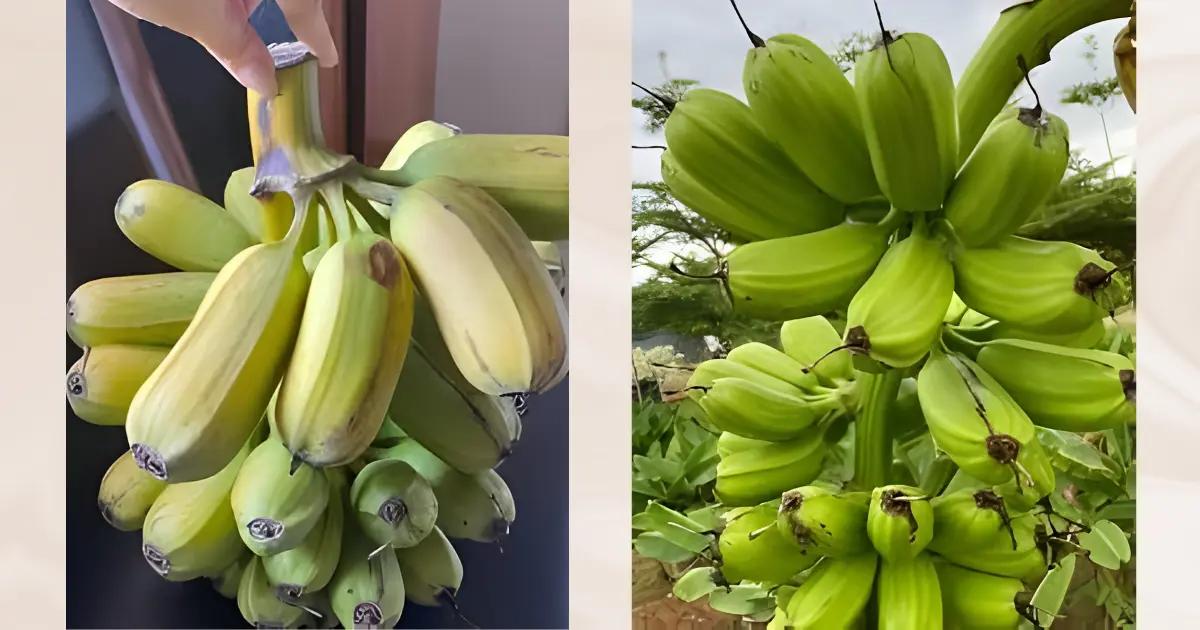
The Samoan banana, known locally as fa’i, represents a cornerstone of Pacific Island cuisine that differs dramatically from the sweet yellow bananas found in most Western supermarkets. These robust cooking bananas are typically consumed green and starchy, requiring preparation through boiling, baking, or steaming before eating. Unlike dessert bananas that you peel and eat raw, fa’i bananas serve as a staple carbohydrate source throughout Samoa, Tonga, Fiji, and other Pacific nations—functioning more like potatoes or plantains in traditional meals. Whether you’ve spotted these thick-skinned green bananas at an ethnic market or you’re reconnecting with Pacific Islander heritage through food, understanding how to select, prepare, and cook fa’i opens up an entirely new dimension of tropical cuisine that has sustained island communities for centuries.
What Are Samoan Bananas (Fa’i)? Understanding Pacific Cooking Bananas
Fa’i is the Samoan word for banana, but it specifically refers to cooking banana varieties that are harvested and consumed while still green and starchy. These Pacific cooking bananas belong to the same species as common dessert bananas (Musa species), but they’ve been cultivated for different culinary purposes. The texture of fa’i resembles that of a firm potato or yam when cooked, with a mild, slightly sweet flavor that absorbs the tastes of coconut milk, salt, and other ingredients beautifully.
In Samoan culture, fa’i isn’t just food—it’s a cultural identifier deeply woven into daily life, ceremonies, and traditional medicine. The banana plant provides not only fruit but also leaves for wrapping food in earth ovens (umu), fiber for crafts, and even medicinal applications. When Samoans refer to fa’i in cooking contexts, they’re almost always talking about green cooking bananas rather than ripe sweet bananas.
The starch content in fa’i is significantly higher than regular bananas, with lower sugar levels when green. This makes them an excellent source of resistant starch, which functions similarly to dietary fiber in the digestive system. The bananas are typically harvested from the bunch while completely green, with thick skins that can be challenging to peel compared to regular bananas. The flesh inside is pale yellow to cream-colored, firm, and almost waxy in texture before cooking.
Pacific cooking bananas grow in large bunches on substantial plants that can reach 15-20 feet in height. The bunches themselves can weigh 40-100 pounds when fully developed, containing dozens of individual bananas. These aren’t the delicate fruits that bruise easily in your grocery bag—fa’i bananas have tough, resilient skins that protect the starchy flesh inside, making them ideal for the cooking methods traditionally used in Pacific Island cuisine.
Fa’i vs Regular Bananas: Key Differences You Need to Know
The distinction between Samoan banana varieties and regular dessert bananas extends far beyond simple taste preferences. Understanding these differences is crucial for anyone attempting to cook with fa’i or substitute one type for another. Regular bananas (like Cavendish varieties) are bred for sweetness and are consumed ripe when the starches have converted to sugars. Fa’i, conversely, is harvested green and cooked while starchy, never intended to be eaten raw.
The starch-to-sugar ratio represents the most significant nutritional difference. Green fa’i contains approximately 70-80% starch and minimal sugar, while a ripe yellow banana contains mostly simple sugars with little resistant starch remaining. This fundamental difference means fa’i has a lower glycemic index when consumed green, causing a slower, more gradual rise in blood sugar compared to sweet bananas. For those monitoring carbohydrate intake or managing diabetes, this distinction matters considerably.
Texture differences are immediately apparent when cooking. Fa’i maintains its shape and firm texture even after prolonged boiling or baking, similar to how potatoes behave. Regular bananas, if you attempted to boil them green, would become mushy and unpalatable. The skin thickness also differs dramatically—fa’i skins can be 2-3 times thicker than dessert banana peels, requiring a knife to remove rather than simple hand-peeling.
Size variations are notable as well. While some fa’i varieties are similar in size to regular bananas, many Pacific cooking bananas grow substantially larger and thicker, with some varieties reaching 8-10 inches in length and 2-3 inches in diameter. The shape tends to be more angular rather than the smooth curve of Cavendish bananas, and the ridges along the sides are more pronounced.
| Characteristic | Fa’i (Samoan Banana) | Regular Banana |
|---|---|---|
| Consumption Stage | Green and starchy | Yellow and ripe |
| Primary Use | Cooking (boiling, baking) | Eating raw |
| Starch Content | 70-80% when green | Less than 5% when ripe |
| Texture When Cooked | Firm, potato-like | Mushy, breaks apart |
| Skin Thickness | Very thick, requires knife | Thin, hand-peelable |
| Flavor Profile | Mild, neutral, slightly earthy | Sweet, fruity |
The culinary applications couldn’t be more different. You wouldn’t make a smoothie with green fa’i any more than you’d boil ripe Cavendish bananas in coconut milk for dinner. Each type has evolved for its specific purpose, and attempting to substitute one for the other in recipes will yield disappointing results. However, plantains—common in Latin American and Caribbean cooking—function very similarly to fa’i and can often be substituted in Pacific recipes with good results.
Types of Samoan Bananas: Varieties Used in Pacific Island Cooking
The diversity of fa’i banana varieties throughout the Pacific Islands is remarkable, with different types preferred for specific dishes and occasions. While Western grocery stores might stock one or two banana varieties, traditional Samoan gardens could contain a dozen or more distinct fa’i types, each with unique characteristics, flavors, and cultural significance.
Fa’i Palagi (literally “white man’s banana”) is one of the most common cooking varieties, featuring large, thick fruits that hold up exceptionally well to boiling. This variety is often what you’ll find labeled simply as “green bananas” in Pacific Islander markets. The name reflects its introduction during the colonial period, though it has since become thoroughly integrated into Samoan cuisine.
Fa’i Samoa represents indigenous varieties that predate European contact. These tend to be slightly smaller than fa’i palagi, with a more pronounced flavor and denser texture. Many Samoan families consider these heritage varieties superior for traditional dishes, though they’re less commonly available commercially due to lower yields and more specific growing requirements.
Fa’i Si’i (small banana) describes several compact varieties that are still cooked green but are more delicate in flavor. These are sometimes allowed to ripen slightly more than other cooking varieties, developing a hint of sweetness while maintaining enough starch to hold their shape during cooking. They’re particularly popular for dessert preparations like fa’alifu (bananas in coconut cream).
Fa’i Talo gets its name from its similarity to taro in texture when cooked. This variety is especially starchy and dense, making it ideal for dishes where the banana needs to absorb significant amounts of liquid without falling apart. It’s a preferred choice for long-cooking umu (earth oven) preparations where foods might cook for several hours.
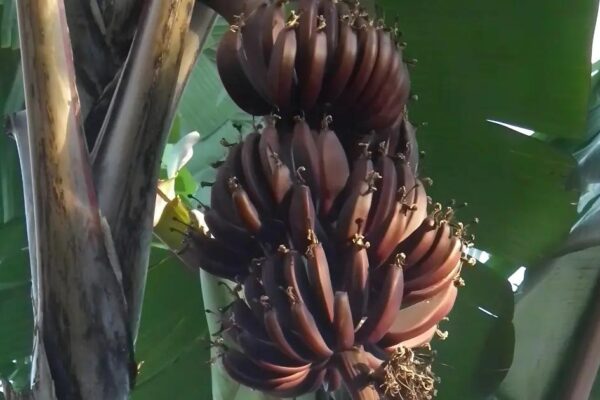
Other varieties include Fa’i Lele (flying banana, named for how easily the fruit separates from the bunch), Fa’i Totoa (warrior banana, known for its robust growth), and Fa’i Tavae (a variety with distinctive reddish skin when young). Each community and island group may have additional local varieties with specific names and uses passed down through generations.
The variety selection matters for cooking results. Some fa’i varieties become creamier when cooked, while others maintain a firmer, more distinct texture. Experienced Pacific Island cooks can identify varieties by sight and know instinctively which type works best for each dish. For newcomers to cooking with fa’i, starting with whatever green cooking bananas are available at your local market will provide good results, though exploring different varieties as you encounter them adds depth to your understanding of Pacific cuisine.
Nutritional Benefits of Fa’i Cooking Bananas
The nutritional profile of Samoan banana varieties consumed green offers distinct advantages over ripe sweet bananas, particularly for those seeking complex carbohydrates and resistant starch. A 100-gram serving of green fa’i contains approximately 89 calories, 22 grams of carbohydrates, 2.6 grams of fiber, and 1.3 grams of protein. The fat content remains minimal at around 0.3 grams, making these bananas a lean source of energy.
The star nutritional component of green fa’i is resistant starch, a type of carbohydrate that resists digestion in the small intestine and functions more like soluble fiber. This resistant starch feeds beneficial gut bacteria, promotes digestive health, and may improve insulin sensitivity. Studies suggest that resistant starch can help regulate blood sugar levels, reduce appetite, and support weight management—benefits that disappear as bananas ripen and the resistant starch converts to simple sugars.
Potassium content in fa’i is substantial, with green cooking bananas providing approximately 358 milligrams per 100 grams. This essential mineral supports heart health, helps regulate blood pressure, and plays crucial roles in muscle function and nerve transmission. The potassium-to-sodium ratio in fa’i makes it particularly beneficial for cardiovascular health, especially when prepared without excessive added salt.
Vitamin B6 (pyridoxine) is another notable nutrient in Pacific cooking bananas, with a single serving providing about 20% of the daily recommended intake. This vitamin is essential for protein metabolism, cognitive development, and immune function. The vitamin C content, while not as high as in citrus fruits, still contributes meaningfully to daily requirements, offering approximately 8-9 milligrams per 100 grams.
The mineral profile extends beyond potassium to include magnesium (27 mg per 100g), phosphorus (22 mg), and smaller amounts of iron, zinc, and manganese. Magnesium supports bone health, energy production, and muscle function, while phosphorus works alongside calcium for skeletal strength. These minerals remain stable during cooking, unlike some vitamins that may degrade with heat exposure.
Compared to other starchy staples, fa’i offers advantages in certain areas. While similar in caloric density to potatoes, green bananas provide more resistant starch and potassium. Compared to white rice, fa’i delivers more fiber, vitamins, and minerals per calorie. The glycemic index of green cooking bananas (around 30-40) is considerably lower than white rice (70+) or white bread (75+), making fa’i a better choice for blood sugar management.
The antioxidant content in green bananas includes dopamine and catechins, compounds that may help reduce oxidative stress and inflammation in the body. While cooking can reduce some antioxidant levels, significant amounts remain, particularly when gentler cooking methods like steaming are used. For those interested in maximizing nutritional benefits, consuming organic banana varieties when possible may reduce pesticide exposure, though the thick skin of fa’i provides substantial protection regardless.
Traditional Samoan Banana Recipes: How to Cook Fa’i
Learning how to cook fa’i opens up a world of traditional Pacific Island dishes that have sustained communities for generations. The most fundamental preparation is simple boiled fa’i, which serves as a staple carbohydrate alongside fish, chicken, or other proteins. To prepare basic boiled fa’i, cut off both ends of each green banana, score the skin lengthwise with a knife, and place the unpeeled bananas in a pot of boiling salted water. Boil for 20-30 minutes until the flesh is tender when pierced with a fork, then drain and allow to cool slightly before peeling away the skin. The cooked fa’i can be sliced and served immediately, seasoned with just a touch of salt or butter.
Fa’alifu fa’i (bananas in coconut cream) represents one of the most beloved traditional Samoan dishes, combining the starchy texture of cooked fa’i with rich, creamy coconut milk. To prepare this dish, peel 6-8 green cooking bananas and cut them into 2-inch chunks. Place the banana pieces in a pot with just enough water to cover them, add a pinch of salt, and bring to a boil. Cook for 15-20 minutes until the bananas are tender but still hold their shape. In a separate bowl, mix 2 cups of thick coconut cream (the first pressing from freshly grated coconut, or canned coconut cream) with 2 tablespoons of sugar and a pinch of salt. Drain most of the water from the cooked bananas, leaving just a small amount in the pot, then pour the coconut cream mixture over the bananas. Simmer gently for 5-10 minutes, stirring occasionally, until the coconut cream thickens slightly and coats the banana pieces. This dish can be served warm as a side dish or dessert.
For those wondering how long to boil Samoan banana, the answer depends on the size and variety of the fa’i, but generally ranges from 20-35 minutes for whole unpeeled bananas. The bananas are done when a fork or knife can pierce through the skin and flesh with minimal resistance. Overcooking won’t turn them mushy like regular bananas would—fa’i maintains its structure remarkably well—but the texture becomes softer and more potato-like with extended cooking.
Umu-cooked fa’i represents the traditional earth oven method still used for special occasions and Sunday meals throughout Samoa. In an umu, hot stones heat an underground pit where food is wrapped in banana leaves and cooked slowly for several hours. Fa’i cooked this way develops a slightly smoky flavor and exceptionally tender texture. While most home cooks won’t have access to an umu, you can approximate the results by wrapping peeled fa’i chunks in aluminum foil with a small amount of water, then baking at 350°F (175°C) for 45-60 minutes.
Fa’alifu ulu technically refers to breadfruit in coconut cream, but the same preparation method works beautifully with fa’i. This version involves cooking the bananas until very tender, then mashing them slightly while mixing with coconut cream, creating a consistency somewhere between mashed potatoes and porridge. Some families add a touch of vanilla or a sprinkle of cinnamon, though traditional preparations keep seasonings minimal to let the natural flavors shine.
For breakfast, green banana breakfast recipes in Pacific Island households might include leftover boiled fa’i sliced and pan-fried in a small amount of coconut oil until golden and slightly crispy on the outside. This preparation pairs excellently with eggs, canned fish (a Pacific staple), or fresh tropical fruits. Some families also prepare a simple fa’i porridge by boiling green bananas until very soft, mashing them with coconut milk and a touch of sugar, creating a warming breakfast similar to oatmeal but with a unique tropical flavor.
Suafai, which some people ask about in relation to Samoan cuisine, is actually a traditional dessert made with ripe bananas (not green fa’i), tapioca pearls, and coconut cream. This sweet soup-like dessert represents a different category of Samoan cooking, though it demonstrates the versatility of banana varieties in Pacific cuisine. The preparation involves cooking tapioca pearls until translucent, adding sliced ripe bananas and coconut cream, then sweetening with sugar to taste.
When exploring how to cook green bananas with coconut milk, the key principle is to cook the bananas until tender first, then add the coconut milk toward the end of cooking. Adding coconut milk too early can cause it to separate or curdle, especially if using canned coconut milk. The bananas should be fork-tender before the coconut cream is introduced, allowing the cream to coat and flavor the already-cooked bananas rather than serving as the cooking liquid.
How to Select and Store Samoan Bananas
Selecting quality Pacific cooking bananas requires different criteria than choosing regular eating bananas. Look for fa’i that are completely green with no yellow patches or soft spots. The skin should be thick and firm, with a slightly waxy appearance. Unlike dessert bananas where you might select partially yellow fruits to ripen at home, green cooking bananas should be purchased as green as possible, as any yellowing indicates the starch is beginning to convert to sugar, which diminishes their cooking quality.
Size consistency matters when selecting fa’i for a specific recipe. Try to choose bananas of similar size so they cook evenly. Larger bananas aren’t necessarily better—in fact, medium-sized fa’i (6-8 inches long) often have better texture and flavor than oversized specimens. Check the stem end of each banana; it should be fresh-looking and recently cut rather than dried out or moldy, which indicates the bananas have been sitting too long.
The skin color should be a vibrant, bright green rather than a dull or grayish-green, which can indicate age or poor storage conditions. Small surface blemishes or scratches on the skin are acceptable and won’t affect the flesh inside, but avoid bananas with large dark spots, cracks, or areas where the skin appears to be breaking down. The thick skin of fa’i protects the interior well, so minor cosmetic issues rarely penetrate to the edible portion.
Storage of green cooking bananas differs significantly from regular bananas. While you’d never refrigerate yellow eating bananas (which causes the skin to turn black and the texture to deteriorate), green fa’i can be refrigerated to extend their shelf life. At room temperature, green cooking bananas will remain usable for 3-5 days before beginning to ripen. In the refrigerator, they can last 1-2 weeks while maintaining their green, starchy state. The skin may darken in the refrigerator, but this doesn’t affect the flesh inside.
If your fa’i begins to show yellow patches before you’re ready to cook them, you can still use them, though the texture will be slightly less firm and the flavor a bit sweeter than optimal. Once cooking bananas turn completely yellow, they’ve essentially become eating bananas and won’t work well in traditional fa’i recipes. At this stage, they’re better suited for ripening bananas in the oven for baking applications or smoothies rather than savory cooking preparations.
For long-term storage, peeled and cooked fa’i can be frozen successfully. Boil the bananas until tender, allow them to cool completely, then store in airtight containers or freezer bags. Frozen bananas can be healthy and convenient, maintaining their nutritional value for 2-3 months in the freezer. Thaw in the refrigerator overnight before reheating, or add frozen cooked fa’i directly to soups and stews where they’ll thaw during cooking.
Never store green cooking bananas in plastic bags at room temperature, as this traps moisture and accelerates spoilage. Instead, keep them in a cool, dry place with good air circulation, away from direct sunlight. If you’ve purchased a large bunch, consider separating the bananas to prevent them from ripening each other through ethylene gas production, though this effect is much slower in green bananas than in ripe ones.
Where to Buy Fa’i: Finding Pacific Cooking Bananas Near You
Locating authentic Samoan banana varieties outside of Pacific Island communities can be challenging but not impossible. Your best bet is to start with ethnic grocery stores, particularly those serving Pacific Islander, Caribbean, African, or Asian communities. These markets often stock green cooking bananas, though they may be labeled as “green bananas,” “cooking bananas,” or simply “plantains” (which are similar enough to substitute in most recipes).
In areas with significant Pacific Islander populations—such as Hawaii, California, Washington, Utah, and New Zealand—specialized Pacific Island markets will have the most authentic fa’i varieties. These stores often import specific varieties directly from Samoa, Tonga, or Fiji, and the staff can provide guidance on which types work best for different dishes. Cities like Los Angeles, San Francisco, Seattle, Salt Lake City, and Auckland have established Pacific Islander communities with dedicated grocery stores catering to their culinary needs.
Caribbean and Latin American markets represent another excellent source for cooking bananas. While the varieties may technically be plantains rather than Pacific fa’i, they function identically in recipes and are often more widely available. Look for green plantains that are completely unripe—these will work perfectly in any traditional Samoan recipe calling for fa’i. The cooking methods and results are virtually indistinguishable.
African and Asian grocery stores sometimes carry green cooking bananas as well, particularly stores serving West African or South Asian communities where green bananas feature prominently in traditional cuisines. Indian markets may stock green bananas for dishes like green banana curry or green banana recipes Indian style, and these same bananas work beautifully in Pacific preparations.
Farmers markets in tropical or subtropical regions occasionally have vendors selling green cooking bananas, especially in areas where banana plants can be grown locally. Florida, Southern California, Hawaii, and parts of Texas may have local growers who can provide fresh fa’i or similar cooking banana varieties. Building relationships with these vendors can ensure a steady supply and may even give you access to specific varieties.
Online ordering has become increasingly viable for specialty produce. Several online retailers now ship green cooking bananas and plantains nationwide, though shipping costs can be substantial due to the weight. Websites serving Pacific Islander communities sometimes offer fa’i along with other traditional ingredients like taro, breadfruit, and coconut products. The convenience of delivery may justify the added cost, especially if you’re far from ethnic markets.
For those searching “green bananas near me” or “where to buy green bananas,” calling ahead to stores can save time and frustration. Many mainstream grocery stores in diverse neighborhoods now carry green plantains in their produce section, even if they don’t stock Pacific-specific varieties. Ask the produce manager if they can special order green cooking bananas if you don’t see them regularly stocked—stores are often willing to accommodate customer requests, especially if you commit to purchasing regularly.
Building relationships with Pacific Islander community members can also open doors to fa’i sources. Churches, cultural centers, and community organizations often know which families grow bananas locally or which stores stock the best varieties. Pacific Islander festivals and cultural events sometimes have vendors selling traditional ingredients, including fresh fa’i when available.
Growing Samoan Banana Plants: Climate and Care Requirements
Growing fa’i banana plants successfully requires understanding their tropical origins and specific environmental needs. These plants thrive in USDA hardiness zones 9-11, with some varieties tolerating brief exposure to zone 8 conditions if protected during cold snaps. The ideal temperature range for fa’i cultivation is 78-86°F (26-30°C) during the day and no lower than 60°F (15°C) at night. Temperatures below 50°F (10°C) will damage the plants, and frost will kill them entirely.
Sunlight requirements are substantial—fa’i plants need full sun exposure for at least 6-8 hours daily to produce healthy fruit. In their native Pacific Island environment, these plants grow in bright tropical sunshine with occasional cloud cover. However, in extremely hot climates (above 95°F/35°C regularly), some afternoon shade can prevent leaf scorching and reduce water stress. The large leaves are designed to capture maximum sunlight for photosynthesis, so adequate light is non-negotiable for good growth and fruit production.
Soil composition significantly impacts fa’i plant health and productivity. These bananas prefer rich, well-draining soil with high organic matter content and a pH between 5.5 and 7.0. The soil should retain moisture without becoming waterlogged, as banana roots are susceptible to rot in saturated conditions. Amending soil with compost, aged manure, and mulch mimics the nutrient-rich volcanic soils of Pacific islands where these plants evolved. A 4-6 inch layer of organic mulch around the base helps retain moisture, suppress weeds, and gradually add nutrients as it decomposes.
Water requirements for banana plants are considerable—these are thirsty plants that evolved in high-rainfall tropical environments. Fa’i plants need consistent moisture, requiring deep watering 2-3 times per week in hot weather, or more frequently in sandy soils. The goal is to keep the soil consistently moist but not soggy. During fruit development, water needs increase further. Drip irrigation or soaker hoses work excellently for banana plants, delivering water directly to the root zone while keeping leaves dry to prevent fungal diseases.
Fertilization should be generous and regular for optimal fa’i production. These heavy feeders benefit from monthly applications of balanced fertilizer (such as 8-10-8 NPK) during the growing season, along with supplemental potassium to support fruit development. Organic options include compost tea, fish emulsion, and aged manure applied as side dressing around the plant base. The large leaves and rapid growth rate demand substantial nutrient inputs—underfed banana plants produce small bunches with inferior fruit quality.
Spacing considerations are important when planting multiple fa’i plants. Each plant needs approximately 8-10 feet of space in all directions to accommodate the mature size and allow air circulation. Banana plants grow in clumps, with new shoots (called “pups” or “suckers”) emerging from the base of the mother plant. Managing these pups is essential for maintaining productive plants—allow 1-2 strong pups to develop as replacements while removing others to prevent overcrowding.
The growth cycle from planting to harvest typically takes 9-12 months for the first fruit bunch, though this varies by variety and growing conditions. After fruiting, the main stem dies back (this is normal), and the pups take over as the next generation of fruit-producing plants. This cycle continues indefinitely in suitable climates, with established banana clumps producing fruit year after year with proper care.
Pest management in fa’i cultivation includes watching for banana weevils, aphids, and spider mites. Nematodes can damage roots in some areas, requiring crop rotation or resistant varieties. Diseases like Panama disease (Fusarium wilt) and banana bunchy top virus pose serious threats in some regions. Choosing disease-resistant varieties and maintaining plant health through proper nutrition and watering provides the best defense against most problems.
For gardeners in marginal climates (zones 7-8), growing fa’i in large containers that can be moved indoors during winter offers a viable option. Choose dwarf varieties, use a container at least 15-20 gallons in size, and provide bright indoor light or supplemental grow lights during winter months. Container-grown plants won’t produce as prolifically as in-ground plants, but they can still yield small bunches of cooking bananas with attentive care.
Cultural Significance of Fa’i in Samoan Tradition
The Samoan banana holds profound cultural importance that extends far beyond its role as a food source, weaving through Samoan mythology, social customs, traditional medicine, and daily life in ways that outsiders rarely appreciate. In Samoan cosmology, the banana plant represents abundance, fertility, and the connection between people and the land. Traditional stories speak of how the gods gifted fa’i to the Samoan people as a sustaining food that would never fail them, a promise that has held true for countless generations.
In traditional Samoan social structure, banana plants marked family land boundaries and indicated ownership of specific plots. The varieties grown on a family’s land often reflected their status, with certain prized varieties reserved for chiefs (matai) and their families. The ability to maintain productive banana groves demonstrated a family’s agricultural skill and their fulfillment of stewardship responsibilities to the land. Even today, the types and quantity of fa’i a family can provide for communal events reflects their standing and generosity within the community.
Ceremonial occasions in Samoan culture invariably feature fa’i in some form. Weddings, funerals, title bestowals, and church dedications all require substantial food presentations, and cooked fa’i serves as a foundational element of these spreads. The preparation of fa’alifu fa’i for special occasions involves not just cooking skill but also cultural knowledge about proper portions, presentation, and the social meanings embedded in food sharing. When asking “What is Samoa’s national dish,” the answer varies depending on context, but fa’i prepared in coconut cream certainly ranks among the most culturally significant and universally beloved foods.
The banana plant’s utility extends to every part of the plant in traditional Samoan life. The large leaves serve as natural plates, food wrappers for umu cooking, and roofing material for temporary structures. The fibrous trunk can be processed into cordage and weaving materials. The flower (pua fa’i) is edible and sometimes used in traditional medicine. Even the sap has traditional uses, including as a treatment for minor wounds and insect bites. This complete utilization reflects the Pacific Island principle of using resources fully and wasting nothing.
Traditional Samoan medicine (fofo) incorporates various parts of the banana plant for treating ailments. The sap from the trunk is applied to burns and skin irritations. Young leaves are used in poultices for swelling and inflammation. The fruit itself, particularly when green, is considered beneficial for digestive health—a belief that modern science has validated through research on resistant starch and gut health. Elders with knowledge of traditional medicine (taulasea) maintain detailed understanding of which fa’i varieties have specific medicinal properties.
Language and metaphor in Samoan draw heavily on banana cultivation. Phrases about tending banana plants, waiting for fruit to mature, and harvesting at the right time serve as metaphors for patience, proper timing, and the rewards of careful stewardship. Proverbs involving fa’i teach lessons about community responsibility, the importance of planning for future generations, and the cyclical nature of life. These linguistic connections ensure that even urban Samoans who may not grow bananas themselves maintain cultural connections to fa’i through everyday speech.
The role of fa’i in maintaining cultural identity for diaspora Samoans cannot be overstated. For Pacific Islanders living in New Zealand, Australia, the United States, and other distant locations, seeking out fa’i at ethnic markets and preparing traditional dishes serves as a tangible connection to homeland and heritage. Teaching children and grandchildren how to cook fa’i properly becomes an act of cultural transmission, ensuring that traditional knowledge and foodways survive across generations and geography. The simple act of boiling green bananas and serving them with coconut cream carries profound meaning about identity, belonging, and cultural continuity.
Modern Samoan cuisine continues to evolve while maintaining respect for traditional preparations. Contemporary Samoan chefs experiment with fa’i in new contexts—incorporating it into fusion dishes, using it in upscale restaurant presentations, and finding ways to introduce Pacific cooking bananas to broader audiences. However, these innovations typically occur alongside, rather than replacing, traditional preparations. The most innovative Samoan chef still knows how to prepare basic boiled fa’i and fa’alifu, recognizing these dishes as cultural touchstones that connect present to past.
Environmental concerns and agricultural sustainability have brought renewed attention to traditional crops like fa’i. As Pacific Island nations grapple with climate change, food security, and the health impacts of imported processed foods, there’s growing recognition that traditional staples like cooking bananas offer nutritional, economic, and environmental advantages over imported alternatives. Initiatives to preserve heritage fa’i varieties, document traditional cultivation knowledge, and promote local food systems increasingly position fa’i not just as a link to the past but as a key to sustainable futures.
The cultural significance of Samoan bananas ultimately rests in their role as a living connection between people, land, tradition, and identity. Every bunch of fa’i represents not just food but the accumulated knowledge of countless generations who selected, cultivated, and perfected these varieties. Every dish prepared with fa’i carries forward cooking techniques and flavor combinations refined over centuries. For Samoans and other Pacific Islanders, fa’i is simultaneously ordinary daily food and profound cultural symbol—a reminder that the most meaningful aspects of culture often reside in the simple, everyday practices that sustain both body and spirit.
Frequently Asked Questions
Are bananas native to Samoa?
No, bananas are not originally native to Samoa, but they were introduced to the Pacific Islands thousands of years ago by Austronesian voyagers. The Samoan banana (fa’i) has been cultivated in Samoa for so long—over 3,000 years—that it’s now considered an integral part of the indigenous food system. Today, multiple varieties of fa’i grow throughout the islands and are deeply embedded in Samoan culture and traditional cuisine.
How long to boil Samoan banana?
Boiling Samoan banana typically takes 15-25 minutes depending on the size and ripeness of the fruit. Green fa’i bananas should be boiled in their skins until the flesh becomes tender and the starchy texture softens, which you can test by piercing with a fork. For traditional dishes like fa’alifu fa’i, the bananas are often boiled until fully cooked, then peeled and served with coconut cream.
Why do Samoans eat green bananas?
Samoans eat green bananas because fa’i varieties are cooking bananas meant to be consumed in their starchy, unripe state rather than sweet and ripe. Green Samoan bananas serve as a staple carbohydrate source similar to potatoes or taro, providing sustained energy and essential nutrients. When green, they have a firmer texture and neutral flavor that pairs perfectly with rich coconut cream and savory dishes in traditional Pacific cuisine.
What is Suafai made of?
Suafai (also spelled sua fa’i) is a traditional Samoan dessert soup made from ripe bananas cooked in sweetened coconut cream. The dish typically includes mashed or sliced ripe fa’i bananas, thick coconut milk or cream, sugar or honey for sweetness, and sometimes tapioca pearls or sago for added texture. It’s served warm as a comforting dessert or breakfast dish throughout Samoa and other Pacific Island nations.
How to make Samoan green bananas?
To make Samoan green bananas, start by boiling unpeeled green fa’i in salted water for 15-25 minutes until tender. Once cooked, peel the bananas and serve them with warm coconut cream (fa’alifu) seasoned with salt and sometimes onions. Alternatively, you can bake green bananas in an umu (earth oven) or regular oven, or slice and fry them for a crispy side dish that pairs well with fish and meat.
What is the meaning of Fa’alifu?
Fa’alifu is a Samoan term that refers to a savory coconut cream sauce traditionally served with starchy foods like green bananas, taro, or breadfruit. The word combines “fa’a” (in the manner of) and “lifu” (to anoint or pour over), describing how the rich coconut sauce is poured over the cooked staple. This preparation method is fundamental to Pacific Island cuisine and transforms simple boiled vegetables into satisfying, flavorful meals.
Which kind of banana is the healthiest?
Green cooking bananas like the Samoan banana are considered among the healthiest banana varieties due to their high resistant starch content, which acts as a prebiotic fiber. Compared to ripe dessert bananas, green fa’i has a lower glycemic index, making them better for blood sugar control and digestive health. They’re also rich in potassium, vitamin B6, and vitamin C while providing more sustained energy than their sweeter counterparts.
Are green bananas good for diabetics?
Yes, green bananas are generally good for diabetics because their resistant starch doesn’t spike blood sugar levels as rapidly as ripe bananas do. The Samoan banana in its green state has a lower glycemic index and higher fiber content, which helps regulate blood glucose and improve insulin sensitivity. However, diabetics should still monitor portion sizes and consult with their healthcare provider about incorporating green bananas into their meal plan.
Is green banana good for IBS?
Green bananas can be beneficial for some people with IBS due to their high resistant starch and pectin content, which support gut health and regular bowel movements. The resistant starch in Samoan banana acts as a prebiotic, feeding beneficial gut bacteria and potentially reducing IBS symptoms. However, individual responses vary, and some people with IBS may find that FODMAPs in bananas trigger symptoms, so it’s best to introduce them gradually and monitor your body’s response.
What is Samoa’s national dish?
While Samoa doesn’t have one official national dish, palusami (taro leaves cooked in coconut cream) and oka (raw fish salad) are among the most iconic Samoan foods. Traditional meals typically feature a combination of staples like fa’i (Samoan banana), taro, breadfruit, and fresh seafood, all prepared with coconut cream. The Sunday to’ona’i (feast) showcasing these dishes represents the heart of Samoan food culture and hospitality.
You May Also Like
Red-Tipped Bananas vs Organic: Which to Buy in 2025
Why Do Organic Bananas Taste Better? Science & Facts