Why Do Bats Like Bananas? Bat Eating Habits Explained

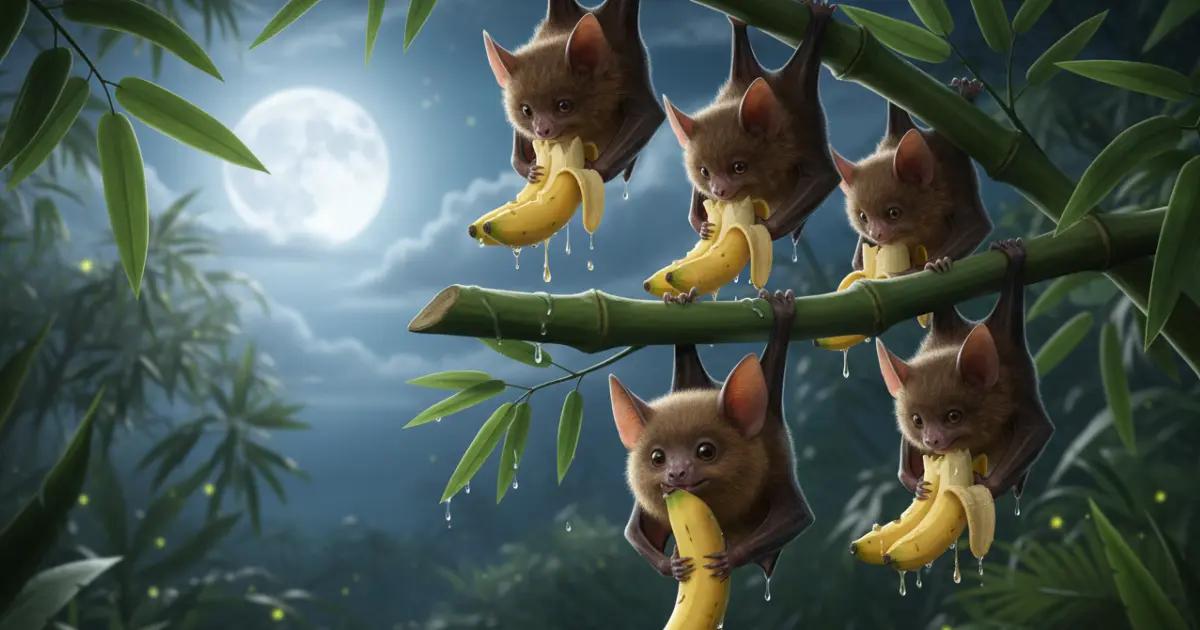
If you’ve stumbled across viral videos of adorable bats eating bananas wrapped in blankets or munching on fruit with their tiny claws, you’re probably wondering: do bats actually eat bananas in the wild, and if so, why are they so attracted to this particular fruit? The answer is a resounding yes—many bat species, particularly fruit bats and flying foxes, absolutely love bananas and consume them regularly both in their natural habitats and in captivity. Bananas provide essential nutrients, natural sugars, and easy-to-digest energy that make them an ideal food source for these fascinating nocturnal mammals. Understanding why do bats like bananas reveals not only the dietary preferences of these creatures but also their crucial role in ecosystems and agriculture.
Do Bats Actually Eat Bananas?
Yes, bats do eat bananas, but not all bat species share this dietary preference. The bat world is incredibly diverse, with over 1,400 species exhibiting vastly different feeding behaviors. While insectivorous bats (which make up about 70% of all bat species) feed exclusively on insects, and vampire bats consume blood, fruit bats and megabats are the primary banana consumers in the bat kingdom.
Fruit bats, also known as flying foxes or megabats, have evolved specifically to consume fruit as their primary food source. These bats possess specialized adaptations including larger eyes for better vision, a keen sense of smell to locate ripe fruit, and strong jaws designed for crushing and chewing fibrous plant material. In regions where bananas grow naturally—such as Southeast Asia, Africa, Australia, and Central and South America—fruit bats regularly feed on wild banana varieties and cultivated banana crops.
The phenomenon of bats eating bananas has gained significant attention through viral videos and memes showing rescued fruit bats being hand-fed banana slices in wildlife rehabilitation centers. These heartwarming clips of baby bats wrapped in blankets, clutching banana pieces with their tiny claws, have introduced millions of people to the reality that bats are not just insect-eaters but also important frugivores in tropical and subtropical ecosystems.
In the wild, bats don’t typically peel bananas the way humans do. Instead, they bite directly into the fruit, consuming the flesh and often discarding the peel. Some species will hang upside down while eating, using their feet to grip the banana, while others may land on the fruit cluster itself to feed. The black fruit bat eating banana behavior has been extensively documented in scientific studies, showing these animals can consume up to twice their body weight in fruit each night during peak feeding seasons.
Why Bats Are Attracted to Bananas
The attraction between bats and bananas is not random—it’s driven by several biological and nutritional factors that make bananas an optimal food source for fruit-eating bat species. Understanding why do bats like bananas requires examining both the sensory appeal and nutritional composition of this tropical fruit.
First and foremost, bananas emit a strong, distinctive aroma that fruit bats can detect from considerable distances. Bats have an exceptionally well-developed olfactory system, with some species capable of identifying ripe fruit from over a kilometer away. As bananas ripen, they release ethylene gas and volatile organic compounds that create an irresistible scent signal for hungry bats. This aromatic profile intensifies as the fruit reaches peak ripeness, which coincidentally is when the sugar content is highest and the flesh is softest—exactly the conditions fruit bats prefer.
The sweetness of bananas plays a crucial role in their appeal. Bats, like many mammals, have taste receptors that respond positively to sugars. Ripe bananas contain approximately 12-15% sugar by weight, primarily in the form of fructose, glucose, and sucrose. This high sugar content provides immediate energy that bats need for their energy-intensive lifestyle of flight and nocturnal foraging. A single night of flying can burn enormous calories, making sugar-rich fruits like bananas an efficient fuel source.
Texture is another important factor. Unlike harder fruits that require significant jaw strength to penetrate, bananas offer soft, easily digestible flesh that bats can consume quickly. This is particularly important for bats because they typically feed while hanging or in brief landing periods—they need foods they can eat efficiently. The mushy consistency of ripe bananas allows bats to extract maximum nutrition with minimal effort, making them a preferred choice over tougher fruits.
Bananas are also available year-round in many tropical regions where fruit bats live. Unlike seasonal fruits that only appear during specific months, banana plants produce fruit continuously in suitable climates. This reliability makes bananas a dependable food source that bats can count on when other fruits are scarce. For bat populations, this consistent availability is crucial for survival, especially during breeding seasons when nutritional demands are highest.
Which Bat Species Eat Bananas
Not all bats share the same dietary preferences, and bat eating banana behavior is limited to specific taxonomic groups. The primary banana consumers belong to the Pteropodidae family, commonly known as fruit bats or flying foxes, which includes approximately 200 species distributed across tropical and subtropical regions of the Old World.
The flying-fox eating banana is perhaps the most iconic example. Large flying foxes, including the grey-headed flying fox (Pteropus poliocephalus) of Australia and the Indian flying fox (Pteropus giganteus) of South Asia, are well-documented banana consumers. These impressive bats can have wingspans exceeding 1.5 meters and are capable of traveling dozens of kilometers each night in search of fruiting trees. They play vital roles in their ecosystems as pollinators and seed dispersers, and bananas form a significant portion of their diet where available.
The Egyptian fruit bat (Rousettus aegyptiacus) is another species frequently observed consuming bananas. Found throughout Africa, the Middle East, and parts of South Asia, these medium-sized bats are highly adaptable and often live in close proximity to human agricultural areas. They’re known to raid banana plantations and have been extensively studied for their feeding behavior and ecological impact.
In the Americas, the Jamaican fruit bat (Artibeus jamaicensis) and other members of the Phyllostomidae family (New World fruit bats) also consume bananas when available. While these bats are generally smaller than their Old World counterparts and show preferences for native fruits like figs and mangoes, they readily adapt to eating cultivated bananas in areas where these crops are grown. The baby fruit bat eating banana has become particularly popular in wildlife rehabilitation contexts, where orphaned or injured young bats are hand-raised on a diet that often includes mashed banana.
Short-nosed fruit bats, including species in the genus Cynopterus, are also confirmed banana eaters. These smaller fruit bats, found throughout Southeast Asia, are known for their “tent-making” behavior—they modify large leaves to create shelters—and frequently feed on banana flowers and fruit. Their smaller size allows them to access banana bunches that might be too precarious for larger flying foxes.
Nutritional Benefits of Bananas for Bats
Bananas offer fruit bats a comprehensive nutritional package that supports their high-energy lifestyle and biological needs. Understanding what makes bananas nutritionally valuable helps explain why bats eating bananas is such common behavior in tropical ecosystems.
The most immediate benefit comes from the high carbohydrate content. A medium banana contains approximately 27 grams of carbohydrates, primarily simple sugars that provide rapid energy. For bats that may fly 30-50 kilometers in a single night searching for food, this quick energy source is essential. The glucose and fructose in bananas enter the bloodstream rapidly, fueling the intense muscular activity required for sustained flight. This makes bananas an ideal “fast food” for bats—nutritionally dense and immediately usable.
Potassium is another crucial nutrient abundant in bananas, with a single fruit containing about 400-450 mg. This mineral is vital for muscle function, nerve transmission, and maintaining proper fluid balance. For flying mammals that rely on precise muscle control for flight maneuvers and echolocation, adequate potassium intake is essential. The high potassium content may actually be one reason why bats instinctively seek out bananas—their bodies recognize the mineral profile as beneficial.
Bananas also provide significant amounts of vitamin B6 (pyridoxine), which plays crucial roles in protein metabolism, cognitive development, and immune function. A single banana can provide up to 20% of the daily B6 requirement for mammals of comparable size. For pregnant or lactating female bats, this vitamin is particularly important for fetal development and milk production. The vitamin C content, while lower than in citrus fruits, still contributes to immune system support and antioxidant protection.
The fiber content in bananas, approximately 3 grams per fruit, aids in digestive health. Fruit bats have relatively short digestive tracts adapted for processing fruit quickly, and the soluble fiber in bananas helps regulate digestion and nutrient absorption. This is particularly important because bats need to extract maximum nutrition from food that passes through their system in just a few hours.
Bananas contain smaller amounts of other beneficial nutrients including magnesium, manganese, copper, and various antioxidants like dopamine and catechins. While these are present in modest quantities, they contribute to overall health, particularly regarding cardiovascular function and cellular protection from oxidative stress. For wild bats facing environmental stressors, these micronutrients can make a meaningful difference in long-term health and reproductive success.
How Bats Find and Eat Bananas in the Wild
The process of locating and consuming bananas involves sophisticated sensory abilities and behavioral adaptations that fruit bats have refined over millions of years of evolution. Observing bat eating fruit behavior in natural settings reveals the remarkable strategies these animals employ.
Fruit bats primarily rely on their exceptional sense of smell to locate banana plants. Unlike insectivorous microbats that depend heavily on echolocation, fruit bats have larger olfactory bulbs in their brains and more sophisticated scent-processing capabilities. As bananas ripen, they release increasingly strong aromatic compounds—particularly esters and alcohols—that create a scent plume bats can follow. Research has shown that some fruit bat species can discriminate between different ripeness levels based on scent alone, preferring bananas at peak ripeness when sugar content is highest.
Vision also plays a critical role. Fruit bats have significantly larger eyes than insectivorous species and possess excellent night vision adapted for low-light conditions. They can spot the distinctive silhouette of banana bunches against the night sky and use visual cues to navigate through dense foliage to reach fruiting plants. The yellowish color of ripe bananas may also provide a visual signal, as fruit bats can perceive colors in the blue-green to yellow spectrum.
Once a bat locates a banana plant, the feeding behavior varies by species and situation. Larger flying foxes often land directly on banana bunches, using their powerful claws to grip the fruit cluster while hanging upside down. They bite into individual bananas with their strong jaws, using their tongues to scoop out the soft flesh. The flying-fox eating banana process can be surprisingly messy, with bats often dropping partially eaten fruit to the ground below—a behavior that actually aids in seed dispersal for wild banana varieties.
Smaller fruit bat species may adopt different strategies. Some hover briefly while taking bites, similar to hummingbird feeding behavior, though this requires significant energy expenditure. Others carry smaller banana pieces to nearby roosting spots to consume them in safety, away from potential predators. This “grab-and-go” strategy is particularly common in areas with high predation pressure or when feeding in exposed locations.
Social dynamics also influence feeding behavior. Many fruit bat species are gregarious, roosting in colonies that can number in the thousands. When one bat discovers a productive banana plantation, others often follow, creating mass feeding events. This social learning accelerates the discovery of new food sources and can lead to entire colonies focusing on banana crops when they’re abundantly available. However, this also means that when bats do visit banana plantations, the impact can be significant and concentrated.
Bats vs Banana Plantations: Friend or Foe?
The relationship between bats eating bananas and commercial banana agriculture is complex, with these flying mammals simultaneously playing beneficial and problematic roles depending on perspective and context. Understanding this dynamic is crucial for both farmers and conservationists seeking sustainable coexistence.
From a farmer’s perspective, fruit bats can represent a significant economic threat to banana crops. Large colonies of flying foxes descending on banana plantations can cause substantial damage in a single night. Bats don’t just eat one banana and move on—they often take bites from multiple fruits, rendering entire bunches unmarketable even if only partially consumed. The damage is compounded by the bats’ feeding behavior: they crush fruit, leave bite marks, and drop partially eaten bananas, creating entry points for fungal infections and attracting other pests like insects and rodents.
In regions like Australia, Southeast Asia, and parts of Africa, commercial banana growers have documented crop losses ranging from 5% to 30% in areas with high fruit bat populations. This economic impact has led to ongoing conflicts between agricultural interests and wildlife conservation efforts. Some farmers have resorted to netting entire plantations, installing noise deterrents, or even culling bat populations—actions that raise serious ethical and ecological concerns.
However, the ecological benefits bats provide often go unrecognized in these conflicts. Fruit bats are essential pollinators for many wild plant species and crucial seed dispersers in tropical ecosystems. While cultivated bananas (primarily Cavendish varieties) are sterile and don’t produce viable seeds, wild banana species rely on bats for pollination and seed dispersal. In natural forest settings, bats help maintain banana genetic diversity by spreading seeds from wild varieties that possess disease resistance and genetic traits valuable for future crop development.
Bats also provide indirect benefits to banana plantations through pest control. While fruit bats themselves eat bananas, many bat species in the same ecosystems are insectivorous and consume vast quantities of agricultural pests. A single insectivorous bat can eat thousands of insects per night, including moths, beetles, and other species that damage banana plants. The presence of bat colonies in agricultural regions can significantly reduce the need for chemical pesticides, benefiting both environmental health and reducing farming costs.
Progressive agricultural approaches are exploring coexistence strategies. Some farmers plant “sacrifice crops” of banana varieties specifically for bats at plantation edges, reducing pressure on commercial crops. Others use selective netting that protects ripening fruit while allowing bats access to flowering plants and non-commercial areas. Timing harvest schedules to avoid peak bat feeding seasons and implementing bat-friendly lighting that doesn’t disrupt their natural behavior are additional strategies showing promise.
The conservation status of many fruit bat species adds another dimension to this issue. Several flying fox species are listed as threatened or endangered due to habitat loss, hunting, and conflict with agriculture. Protecting these populations while supporting viable banana farming requires nuanced approaches that recognize both the economic realities of agriculture and the ecological importance of maintaining healthy bat populations.
Other Fruits Bats Prefer Besides Bananas
While bats eating bananas captures public imagination, fruit bats have diverse dietary preferences and consume a wide variety of fruits depending on seasonal availability and regional ecosystems. Understanding these preferences provides insight into bat ecology and their role as ecosystem engineers.
Figs rank among the most important fruits for many bat species worldwide. The relationship between bats and fig trees is particularly fascinating—some fig species have evolved to be pollinated exclusively by bats, opening their flowers at night and producing strong scents to attract these nocturnal visitors. Bats consume both the fruit and flowers of figs, and in return, they disperse seeds across vast distances. The fruit bat eating grapes is another commonly observed behavior, particularly in regions where vineyards overlap with bat habitats, creating similar agricultural conflicts as with bananas.
Mangoes are highly favored by fruit bats in tropical regions. The sweet, aromatic flesh and high sugar content make mangoes nearly irresistible to flying foxes and other fruit bat species. Like with bananas, bats can cause significant damage to commercial mango operations, but they also serve as important pollinators for mango trees. The bat eating strawberry phenomenon has become particularly popular in viral videos, showing rescued bats delicately nibbling on strawberries—these berries provide excellent vitamin C and antioxidants beneficial for bat health.
Papayas, guavas, and other soft tropical fruits feature prominently in fruit bat diets. These fruits share characteristics that make them ideal for bats: strong aromas when ripe, soft flesh that’s easy to consume, and high nutritional value. The fruit bat eating watermelon has also been documented, though watermelons present more challenges due to their thick rinds—bats typically access watermelons that have been opened by other animals or have natural cracks.
Native fruits often constitute the primary diet of wild bat populations. In Australia, eucalyptus blossoms provide nectar that sustains flying fox populations, while native figs and lillypillies offer fruit. In Southeast Asian forests, durian, rambutan, and various wild figs dominate bat diets. African fruit bats consume baobab fruit, wild dates, and numerous indigenous species. These native food sources are typically more nutritionally balanced for bats than introduced crops like bananas, as bats have co-evolved with these plants over millennia.
Nectar and pollen also form important dietary components for many fruit bat species. While primarily frugivorous, bats will feed on flower nectar when available, gaining both energy from sugars and protein from pollen. This dietary flexibility allows bat populations to survive seasonal fluctuations in fruit availability and makes them valuable pollinators for numerous plant species including agave, balsa trees, and various night-blooming cacti.
Feeding Bananas to Pet Bats: Is It Safe?
The viral popularity of videos showing baby bat eating banana has led some people to wonder about keeping bats as pets and feeding them bananas. However, this topic requires careful consideration of both legal and ethical dimensions, as well as proper nutritional understanding for those involved in legitimate bat care and rehabilitation.
First and foremost, it’s important to clarify that in most jurisdictions, keeping bats as pets is illegal without specific permits. Bats are wild animals that serve critical ecological roles and are protected by wildlife laws in most countries. They can also carry diseases transmissible to humans, including rabies, making them unsuitable and dangerous as household pets. The adorable videos of baby fruit bat eating banana that circulate online typically come from licensed wildlife rehabilitation centers where trained professionals care for orphaned or injured bats with the goal of eventual release.
For licensed rehabilitators and wildlife carers, bananas can be an appropriate component of a fruit bat’s diet, but they should never constitute the sole food source. While bananas provide valuable carbohydrates and certain nutrients, an exclusive banana diet would create nutritional imbalances. Professional bat carers typically offer varied diets including multiple fruit types, supplemented with specialized vitamin and mineral additives formulated for fruit bats.
When bananas are fed to bats in rehabilitation settings, proper preparation is important. Ripe but not overripe bananas are preferred, as extremely soft bananas can be too sugary and may cause digestive upset. Many carers mash bananas for very young bats or those with feeding difficulties, sometimes mixing them with other fruits to create a more balanced nutritional profile. The baby bat eating strawberry alongside banana pieces provides both variety and additional vitamins that bananas alone cannot supply.
Portion control matters significantly. While wild bats regulate their intake naturally by foraging across diverse food sources, captive or rehabilitating bats may overeat if given unlimited access to highly palatable foods like bananas. This can lead to obesity, diabetes-like conditions, and other health problems. Professional carers carefully measure food portions based on the bat’s species, age, and body condition.
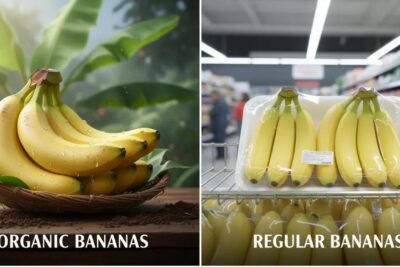
Organic bananas are generally preferred in rehabilitation settings to minimize pesticide exposure. Fruit bats in the wild may encounter some pesticide residue on agricultural crops, but captive bats being prepared for release should have minimal exposure to chemicals that could affect their health or behavior. Washing conventional bananas thoroughly before feeding can reduce but not eliminate pesticide residues.
For those who encounter injured or orphaned bats, the appropriate response is always to contact local wildlife authorities or licensed rehabilitation centers rather than attempting to care for the animal independently. Improper feeding, handling, or housing can cause more harm than good, and the risk of disease transmission makes professional intervention essential. The heartwarming images of rescued bats enjoying bananas represent the endpoint of specialized care, not something that should be attempted without proper training, facilities, and legal authorization.
Understanding the relationship between bats eating bananas enriches our appreciation for these remarkable flying mammals and their ecological importance. From the nutritional benefits that make bananas an ideal food source to the complex dynamics between bat conservation and agricultural interests, this topic reveals the intricate connections between wildlife and human activities. Whether you’re fascinated by viral videos of adorable fruit bats munching on banana slices or concerned about the ecological implications of bat-crop interactions, recognizing the biological and behavioral factors behind why do bats like bananas provides valuable perspective. These nocturnal frugivores play irreplaceable roles in pollination, seed dispersal, and ecosystem health—roles that extend far beyond their banana-eating habits. By fostering coexistence strategies that protect both agricultural interests and bat populations, we can ensure these fascinating creatures continue to thrive while maintaining the food security that banana cultivation provides to millions of people worldwide.
Frequently Asked Questions
Will bats eat bananas?
Yes, many bat species will eat bananas, especially fruit bats and flying foxes. These bats are naturally attracted to bananas both in the wild and in captivity because the fruit provides essential nutrients like potassium, natural sugars for energy, and a soft texture that’s easy to consume. Bats eating bananas is a common sight in tropical regions where both the animals and fruit coexist naturally.
Why do bats eat bananas?
Bats eat bananas because they’re an excellent source of quick energy and essential nutrients that support their high-metabolism lifestyle. The fruit’s soft texture makes it easy for bats to consume, while the high sugar content provides immediate energy for their nightly flights. Additionally, bananas are rich in potassium and other minerals that help maintain muscle function, which is crucial for these flying mammals.
Which fruits are eaten by bats?
Fruit bats consume a wide variety of fruits including bananas, mangoes, papayas, figs, guavas, and dates. They also eat apples, berries, melons, and citrus fruits depending on regional availability. These bats play a crucial role in seed dispersal and pollination for many tropical and subtropical fruit-bearing plants.
What is bat’s favorite fruit?
While preferences vary by species and region, many fruit bats show a strong preference for bananas, mangoes, and figs. Bananas are particularly popular because of their soft texture, high sugar content, and year-round availability in many tropical habitats. Wild figs are also a staple food for many bat species and are considered among their most important natural food sources.
Would bananas exist without bats?
Wild bananas would likely still exist without bats, but the relationship between bats and banana plants is mutually beneficial in many ecosystems. While commercial bananas are propagated through cloning rather than seeds, wild banana species benefit from bat pollination and seed dispersal. Bats help maintain genetic diversity in wild banana populations and contribute to the health of banana plant ecosystems.
What do fruit bats mostly eat?
Fruit bats mostly eat soft, ripe fruits, nectar, and pollen from various flowering plants. Their diet consists primarily of tropical fruits like bananas, figs, mangoes, and papayas, though they may also consume fruit juices by squeezing the pulp. Some species supplement their diet with leaves, flowers, and occasionally insects, but fruit remains their primary food source.
Are fruit bats friendly?
Fruit bats can appear friendly and are generally less aggressive than insect-eating bats, but they are still wild animals that should be observed from a distance. In rehabilitation centers and sanctuaries, fruit bats can become accustomed to human caretakers and may display docile behavior. However, they can bite if threatened and may carry diseases, so they should never be handled without proper training and protective equipment.
Do fruit bats eat apples?
Yes, fruit bats do eat apples and find them quite palatable, though apples are not typically part of their natural diet in tropical regions. In captivity or in temperate zones where fruit bats have been introduced, they readily consume apples along with other common fruits. The firm texture of apples requires more effort to eat compared to softer fruits like bananas, but bats eating bananas and apples both demonstrate their adaptable feeding behavior.
You May Also Like
How to Ripen Bananas for Banana Bread: Fast & Natural Methods

Benefits of Banana Bread: Is It Healthy or Just Dessert?