Do Banana Peels Whiten Teeth? Dentist-Backed Truth (2025)

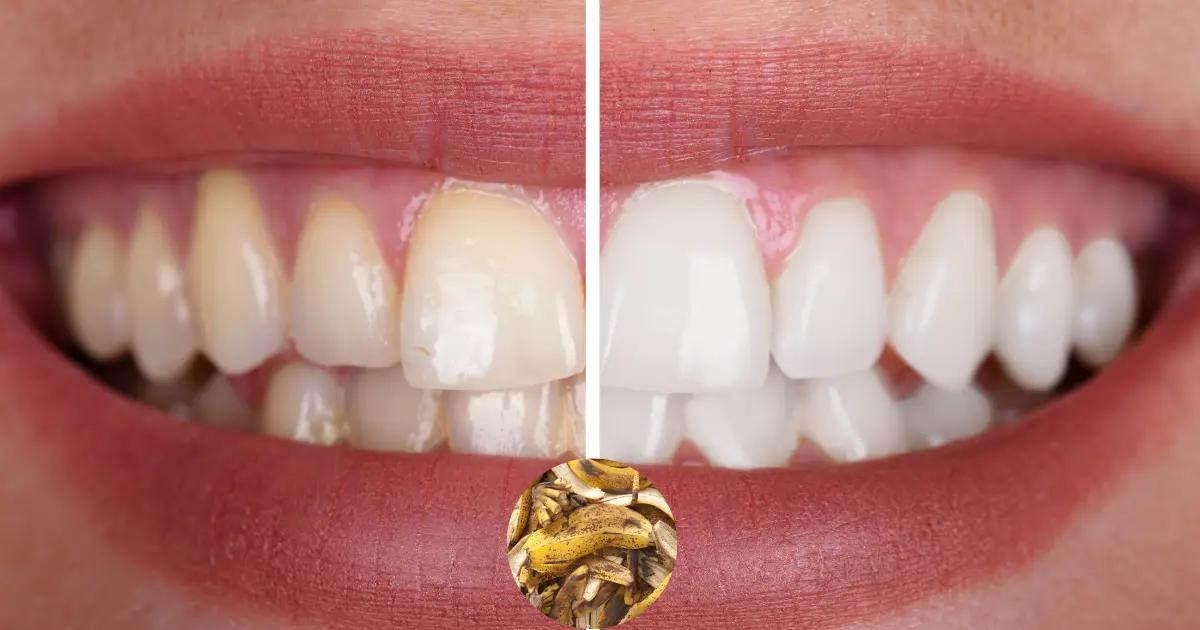
If you’ve spent any time scrolling through social media wellness hacks, you’ve probably encountered the claim that banana peels whiten teeth. This viral trend suggests that rubbing the inside of a banana peel on your teeth can naturally brighten your smile without expensive treatments or harsh chemicals. But does this seemingly simple trick actually deliver results, or is it just another internet myth? With millions of views on platforms like TikTok and countless blog posts promoting this method, it’s time to separate fact from fiction and examine what science really says about using banana peels for teeth whitening.
The appeal is obvious: bananas are inexpensive, readily available, and the idea of a natural whitening solution sounds much better than chemical-laden strips or costly dental procedures. However, before you start saving your breakfast scraps for cosmetic purposes, you need to understand the actual evidence—or lack thereof—behind this popular home remedy. In this comprehensive guide, we’ll explore the science, the risks, and what dental professionals actually recommend for achieving a brighter smile.
What Is the Banana Peel Teeth Whitening Hack?
The banana peel teeth whitening method is a home remedy that has gained massive popularity on social media platforms and natural health blogs. The process is remarkably simple: after eating a banana, instead of discarding the peel, you take the inside portion (the white, fleshy part) and rub it directly on your teeth for approximately two to three minutes. Proponents of this method typically recommend doing this once or twice daily for one to two weeks to see noticeable results.
The typical banana peel teeth whitening recipe involves these steps: First, choose a ripe banana with minimal brown spots. After peeling it, select a section of the peel and rub the inner white portion against your teeth in a circular motion, ensuring you cover all visible tooth surfaces. After rubbing for the recommended time, you’re supposed to leave the banana residue on your teeth for about 10 minutes, keeping your lips away from your teeth to allow the minerals to “absorb.” Finally, you brush your teeth with a dry toothbrush to remove the banana paste, then rinse and brush normally with toothpaste.
This method has spawned countless banana peel on teeth before and after photos across Instagram, YouTube tutorials demonstrating the technique, and enthusiastic testimonials from people claiming dramatic whitening results. The hack’s popularity stems partly from its accessibility—everyone has access to bananas—and partly from the growing desire for natural, chemical-free beauty solutions. But popularity doesn’t equal effectiveness, which brings us to the critical question of scientific validity.
Does Banana Peel Whiten Teeth? What Science Says
Here’s the straightforward answer: there is no scientific evidence that banana peels whiten teeth. Despite the viral nature of this trend and the numerous anecdotal claims circulating online, no peer-reviewed dental research supports the effectiveness of banana peels as a teeth whitening agent. This is a crucial distinction that often gets lost in the enthusiasm of social media sharing.
Dental researchers and professionals have consistently pointed out that while bananas contain certain minerals, there is no established mechanism by which rubbing a banana peel on tooth enamel would remove stains or change tooth color. The American Dental Association (ADA) has not endorsed banana peels as a whitening method, nor have any credible dental organizations recognized this practice as effective.
The confusion around whether banana peels whiten teeth often stems from misunderstanding how teeth whitening actually works. Teeth become discolored due to two types of staining: extrinsic (surface stains from coffee, tea, wine, and tobacco) and intrinsic (stains within the tooth structure from aging, medications, or trauma). Effective whitening products work through chemical bleaching agents—primarily hydrogen peroxide or carbamide peroxide—that penetrate the enamel and break down stain molecules through oxidation.
Banana peels contain no bleaching agents. They don’t have the chemical properties necessary to oxidize stain molecules or penetrate tooth enamel. While some people report seeing results, these observations are likely due to placebo effect, improved oral hygiene habits during the trial period, or the physical abrasion from the additional brushing involved in the process—not from the banana peel itself.
Research published in dental journals has examined various natural whitening remedies, and while some substances like baking soda show mild abrasive whitening effects, banana peels have not demonstrated any measurable whitening capability in controlled studies. The lack of scientific backing is significant and should be the primary consideration when deciding whether to try this method.
Why People Think Banana Peels Whiten Teeth (The Mineral Theory)
The belief that banana peel for teeth whitening works is rooted in the mineral content of banana peels. Advocates of this method point to the presence of potassium, magnesium, and manganese in banana peels as the active whitening ingredients. The theory suggests that these minerals are absorbed by tooth enamel, somehow filling in microscopic pores and creating a whiter appearance.
Potassium is indeed present in significant amounts in banana peels and is actually an ingredient in some commercial toothpastes—but for a completely different purpose. In toothpaste, potassium nitrate helps reduce tooth sensitivity by calming nerve signals, not by whitening teeth. There’s no evidence that topical application of potassium from a banana peel would be absorbed by teeth or that such absorption would result in whitening.
Magnesium and manganese are also minerals found in banana peels, and proponents claim these contribute to enamel strengthening and whitening. However, tooth enamel is composed primarily of hydroxyapatite, a crystalline calcium phosphate structure. While minerals play important roles in overall dental health and bananas can contribute to nutrition, simply rubbing minerals on the tooth surface doesn’t integrate them into the enamel structure or change tooth color.
The mineral theory also overlooks a fundamental fact about tooth anatomy: enamel is not porous in a way that would allow significant mineral absorption from surface contact. While enamel can undergo remineralization through saliva and fluoride exposure, this is a complex biochemical process that occurs at the microscopic level through specific ionic exchanges—not from rubbing food on your teeth.
Another aspect of the mineral theory involves the claim that these nutrients somehow “polish” the teeth. While banana peels do have a slightly abrasive texture, this physical action is more likely to cause wear than beneficial polishing. Any perceived whitening from abrasion would be minimal and temporary, similar to the effect you’d get from rubbing almost any mildly textured substance on your teeth.
Potential Risks of Using Banana Peels on Teeth
While the banana peel teeth whitening hack might seem harmless—after all, it’s just fruit—there are several potential risks and downsides to consider before trying this method. Understanding these risks is essential for making an informed decision about your dental care.
First and foremost is the sugar content in bananas. Bananas are naturally high in sugars, including fructose, glucose, and sucrose. When you rub a banana peel on your teeth and leave the residue there for 10 minutes as many tutorials suggest, you’re essentially coating your teeth in sugar. Oral bacteria feed on these sugars, producing acid as a byproduct. This acid attacks tooth enamel, potentially leading to demineralization, cavities, and tooth decay. Ironically, a method intended to improve your smile’s appearance could actually damage your dental health.
The recommended practice of leaving banana residue on teeth for extended periods creates an ideal environment for bacterial growth. Even though you brush afterward, the repeated exposure to sugar—especially if you’re doing this daily for weeks—can contribute to enamel erosion over time. This is particularly concerning because enamel doesn’t regenerate; once it’s damaged, the loss is permanent.
Another risk involves enamel abrasion. While banana peels aren’t as abrasive as some DIY whitening methods (like charcoal or baking soda used excessively), the additional brushing involved in this routine—particularly if done with a dry toothbrush as some methods recommend—can wear down enamel over time. Enamel wear makes teeth more susceptible to sensitivity, staining, and decay.
There’s also the issue of false confidence in an ineffective method. If someone relies on banana peels for teeth whitening instead of seeking proven treatments or addressing underlying dental issues, they may delay necessary professional care. Tooth discoloration can sometimes indicate dental problems like decay or enamel defects that require professional attention.
Additionally, for people with latex allergies, banana peels may pose a risk. Bananas contain proteins similar to those found in latex, and individuals with latex-fruit syndrome may experience allergic reactions from contact with banana peels, including oral itching, swelling, or more severe reactions in sensitive individuals.
What Dentists Say About Banana Peel Teeth Whitening
The dental community has been remarkably consistent in its assessment of the banana peel teeth whitening trend: it doesn’t work, and there are better alternatives. Dentists and dental hygienists who have addressed this viral hack emphasize the lack of scientific foundation and encourage patients to pursue evidence-based whitening methods instead.
Dr. Mark Burhenne, a prominent dentist and oral health advocate, has stated that while banana peels won’t necessarily harm your teeth in the short term, they also won’t whiten them. He points out that any perceived whitening is likely due to the placebo effect or improved oral hygiene practices during the trial period rather than any property of the banana peel itself. Many dental professionals echo this sentiment, noting that the time and effort spent on this method would be better invested in proper brushing and flossing.
Dental experts particularly caution against the sugar exposure involved in this practice. The American Dental Association consistently emphasizes limiting sugar contact with teeth to prevent decay, making the banana peel method counterproductive to good oral health. Dentists note that while eating bananas as part of a balanced diet is perfectly healthy, prolonged contact between banana residue and tooth enamel creates unnecessary risk without any proven benefit.
Professional perspectives on banana peel teeth whitening reddit discussions and other online forums often highlight the importance of understanding what actually causes tooth discoloration and what can effectively address it. Dentists explain that superficial stains can be removed through professional cleaning, while deeper discoloration requires chemical whitening agents that actually penetrate enamel—something banana peels simply cannot do.
Many dental professionals also express concern about the broader trend of DIY dental treatments promoted on social media without scientific backing. They emphasize that teeth are complex structures requiring evidence-based care, and that following unproven internet trends can lead to wasted time, money, and potentially damaged dental health. The consensus is clear: if you want whiter teeth, consult with a dental professional about safe, effective options rather than relying on viral hacks.
Proven Teeth Whitening Methods That Actually Work
If you’re serious about achieving a whiter smile, there are numerous evidence-based methods that actually deliver results. Understanding these proven options helps you make informed decisions about teeth whitening rather than wasting time on ineffective home remedies like banana peels.
Professional in-office whitening remains the gold standard for dramatic, fast results. Dentists use high-concentration hydrogen peroxide or carbamide peroxide gels (typically 15-43% concentration) along with special lights or lasers to accelerate the whitening process. This method can lighten teeth by several shades in a single appointment lasting 60-90 minutes. While more expensive than at-home options, professional whitening offers the most predictable and significant results under controlled, safe conditions.
Dentist-prescribed take-home whitening kits provide a middle ground between professional treatment and over-the-counter products. These kits include custom-fitted trays made from impressions of your teeth and professional-grade whitening gel (usually 10-20% carbamide peroxide). You wear the trays for a specified time daily, typically for one to two weeks. This method offers excellent results with the convenience of at-home treatment and professional supervision.
Over-the-counter whitening strips are among the most popular and accessible whitening options. Products like Crest 3D White Whitestrips contain hydrogen peroxide (typically 6-10%) in a thin, flexible strip that adheres to teeth. Used daily for 30 minutes over two weeks, these strips can lighten teeth by one to two shades. They’re significantly less expensive than professional treatments and have substantial research supporting their effectiveness and safety when used as directed.
Whitening toothpastes work differently from chemical whitening products. They contain mild abrasives and sometimes chemical agents that help remove surface stains through polishing action. While they won’t change the intrinsic color of your teeth like peroxide-based products, they can help maintain whiteness and remove new surface stains. Look for products with the ADA Seal of Acceptance to ensure safety and effectiveness.
Whitening mouthwashes contain small amounts of hydrogen peroxide and can help maintain whitening results or provide very gradual, mild whitening over time. They’re less effective than other methods because the contact time with teeth is brief, but they can be a useful supplementary tool in a whitening regimen.
For those wondering what whitens teeth really fast, professional in-office treatments provide the quickest results, often in a single session. However, for sustainable, safe whitening, a combination approach—professional treatment followed by maintenance with dentist-approved at-home products—typically works best. The key is choosing methods with proven efficacy rather than unsubstantiated home remedies.
Natural Alternatives to Banana Peel for Teeth Whitening
If you’re drawn to natural teeth whitening methods and prefer to avoid harsh chemicals, there are several alternatives that have more scientific support than banana peels—though it’s important to maintain realistic expectations and understand their limitations.
Oil pulling is an ancient Ayurvedic practice that involves swishing oil (typically coconut, sesame, or sunflower oil) in your mouth for 15-20 minutes. While some studies suggest oil pulling may reduce bacteria and improve gum health, evidence for whitening effects is limited and anecdotal. However, it’s generally safe when done correctly and may contribute to overall oral health, which indirectly supports a healthier-looking smile.
Baking soda is one of the few natural substances with actual evidence supporting mild whitening effects. Its gentle abrasive properties help remove surface stains, and it creates an alkaline environment that may inhibit bacterial growth. Many commercial toothpastes include baking soda for this reason. You can brush with a paste of baking soda and water a few times per week, but avoid overuse as excessive abrasion can damage enamel. This method addresses surface stains only and won’t change intrinsic tooth color.
Hydrogen peroxide, while technically a chemical, is a naturally occurring compound and the active ingredient in most whitening products. Diluted hydrogen peroxide (1.5-3% solution) can be used as a mouth rinse before brushing. Some people mix it with baking soda to create a whitening paste. However, use caution: higher concentrations or excessive use can irritate gums and damage enamel. This approach has scientific backing but should be used moderately.
Activated charcoal has become trendy for teeth whitening, but the evidence is mixed and concerning. While it may remove some surface stains through abrasion, it’s highly abrasive and can wear down enamel with regular use. The ADA has expressed concerns about charcoal toothpastes, noting the lack of evidence for safety and efficacy. If you choose to try this method, use it sparingly and understand the potential risks.
Apple cider vinegar is sometimes recommended for whitening, but dentists strongly caution against this practice. The acidity of vinegar can erode enamel, leading to increased sensitivity, yellowing (as the darker dentin layer becomes more visible), and greater susceptibility to decay. The risks far outweigh any potential benefits, making this a natural remedy to avoid.
The most effective natural approach to maintaining white teeth isn’t a whitening hack at all—it’s prevention through good oral hygiene. Brushing twice daily with fluoride toothpaste, flossing daily, limiting stain-causing foods and beverages (coffee, tea, red wine, dark berries), drinking through straws when consuming staining liquids, and regular dental cleanings all contribute to a brighter smile. These practices address the root causes of discoloration rather than attempting to reverse it with unproven methods.
When exploring teeth whitening home remedies, remember that “natural” doesn’t automatically mean “safe” or “effective.” The most responsible approach combines evidence-based natural prevention strategies with professional whitening treatments when desired, rather than relying solely on viral internet hacks with no scientific foundation.
The Bottom Line: Should You Try Banana Peel Teeth Whitening?
After examining the evidence—or rather, the lack thereof—the answer to whether you should try banana peel teeth whitening is a clear no. While this viral hack might seem harmless and appealing due to its natural, low-cost nature, it simply doesn’t deliver on its promises and potentially exposes your teeth to unnecessary sugar that can contribute to decay.
The fundamental problem with the banana peel method is that it’s based on wishful thinking rather than dental science. Do banana peels make teeth whiter? No credible scientific evidence supports this claim. The minerals in banana peels, while nutritionally beneficial when you eat the fruit, don’t possess whitening properties when rubbed on tooth enamel. The mechanism by which this would work has never been established or demonstrated in controlled research.
For those searching for banana peel teeth whitening reviews or wondering about results, it’s important to approach anecdotal testimonials with skepticism. The human brain is susceptible to placebo effects, confirmation bias, and the power of suggestion—especially when we want something to work. Many people who report success with this method are likely experiencing improved oral appearance due to increased attention to dental hygiene during the trial period, better lighting in their “after” photos, or simply the belief that it’s working.
If you’re concerned about the cost of professional whitening treatments, there are better budget-friendly alternatives than banana peels. Over-the-counter whitening strips, while not free, are relatively affordable and actually work through proven chemical mechanisms. Whitening toothpastes can help maintain your natural tooth color and remove surface stains for just a few dollars more than regular toothpaste. These options provide actual value for your investment.
The question of how long do I leave banana peels on my teeth becomes irrelevant when the method doesn’t work in the first place. Whether you leave banana residue on your teeth for 10 minutes or an hour, you’re not going to achieve meaningful whitening—you’re just increasing sugar exposure and wasting time that could be spent on effective oral care practices.
For those genuinely interested in achieving a whiter smile, the best approach is to consult with a dental professional. They can assess your specific situation, identify the causes of any discoloration, recommend appropriate treatments, and ensure that whitening is done safely without damaging your enamel or gums. Professional guidance is particularly important because not all tooth discoloration responds to whitening treatments, and some cases may indicate underlying dental issues requiring different interventions.
The banana peel teeth whitening trend exemplifies a broader issue with viral health and beauty hacks: they spread rapidly through social media based on appealing narratives rather than scientific evidence. While the desire for natural, accessible solutions is understandable and often commendable, it’s crucial to verify claims through credible sources before applying them to your health—including your dental health.
Ultimately, if you want whiter teeth, invest your time and resources in methods that actually work. Maintain excellent oral hygiene, limit stain-causing foods and beverages, get regular professional cleanings, and if you want more dramatic results, choose evidence-based whitening treatments—whether professional or over-the-counter products with ADA approval. Your smile deserves better than a debunked internet trend, no matter how many views it has accumulated online.
The truth about whether banana peels whiten teeth is simple: they don’t. Save your banana peels for composting, where they’ll actually provide proven benefits to your garden soil, and save your teeth for treatments that have scientific backing and professional endorsement. Your future smile will thank you for making informed, evidence-based decisions about your dental care.
Frequently Asked Questions
Do banana peels actually whiten teeth?
No, there is no scientific evidence that banana peels whiten teeth effectively. While banana peels contain minerals like potassium, magnesium, and manganese, these nutrients cannot penetrate tooth enamel to remove stains or change tooth color. Any perceived whitening effect is likely temporary and due to the physical rubbing action removing surface debris, not actual whitening from the banana peel itself.
How long should you rub banana peel on your teeth?
Most viral tutorials recommend rubbing the inside of a banana peel on your teeth for 2-3 minutes, then leaving the residue on for 10-15 minutes before brushing. However, since banana peels don’t contain proven whitening agents, the duration doesn’t significantly impact results. If you choose to try this method, be aware that prolonged exposure to the sugars in banana residue could actually promote bacterial growth and tooth decay.
What whitens teeth really fast?
Professional in-office whitening treatments provide the fastest results, often brightening teeth several shades in just one hour-long session. At-home options that work relatively quickly include dentist-prescribed whitening trays (results in 1-2 weeks) and over-the-counter whitening strips containing hydrogen peroxide or carbamide peroxide (results in 7-14 days). Unlike unproven methods like banana peels, these treatments use clinically tested bleaching agents that actually penetrate enamel.
Can banana peels remove yellow teeth stains?
No, banana peels cannot effectively remove yellow teeth stains. Yellow discoloration typically comes from intrinsic staining within the tooth enamel or from accumulated surface stains that require actual bleaching agents to remove. The minerals in banana peels don’t have the chemical properties needed to break down these stains or alter tooth pigmentation, making this viral hack ineffective for genuine teeth whitening.
What is the most effective natural way to whiten teeth?
The most effective natural teeth whitening method is preventing stains through good oral hygiene and dietary choices. Brushing twice daily, flossing, limiting stain-causing foods and drinks (coffee, tea, red wine), and eating crunchy fruits and vegetables can help maintain natural whiteness. Baking soda mixed with water has some mild abrasive properties that can remove surface stains, though it should be used sparingly to avoid enamel damage.
Are there any risks to using banana peels on teeth?
Yes, there are potential risks to regularly using banana peels on teeth. Bananas contain natural sugars that can feed harmful oral bacteria, potentially leading to cavities and tooth decay if the residue isn’t thoroughly removed. Additionally, relying on ineffective methods like banana peels may delay seeking proper dental care for discoloration that could indicate underlying health issues.
How long does it take to see results from banana peel teeth whitening?
Proponents of this method claim you might see results in 1-2 weeks of daily use, but any perceived changes are likely placebo effects or temporary surface cleaning. Since banana peels whiten teeth is not supported by dental science, you shouldn’t expect genuine whitening results regardless of how long you use this method. For actual results, dentist-approved whitening products typically show visible changes within 7-14 days.
What do dentists say about the banana peel whitening trend?
Dentists generally dismiss the banana peel whitening trend as ineffective and potentially misleading. The American Dental Association and dental professionals emphasize that there are no peer-reviewed studies supporting this method, and the minerals in banana peels cannot chemically whiten teeth. Dentists recommend evidence-based whitening methods containing hydrogen peroxide or carbamide peroxide, or professional treatments for safe and effective results.
You May Also Like
Are Strawberry Banana Smoothies Healthy? Complete Guide 2026

Why Avoid Bananas During Pregnancy? Safety Guide 2026