Are Bananas Good for Blood Pressure? Potassium Benefits

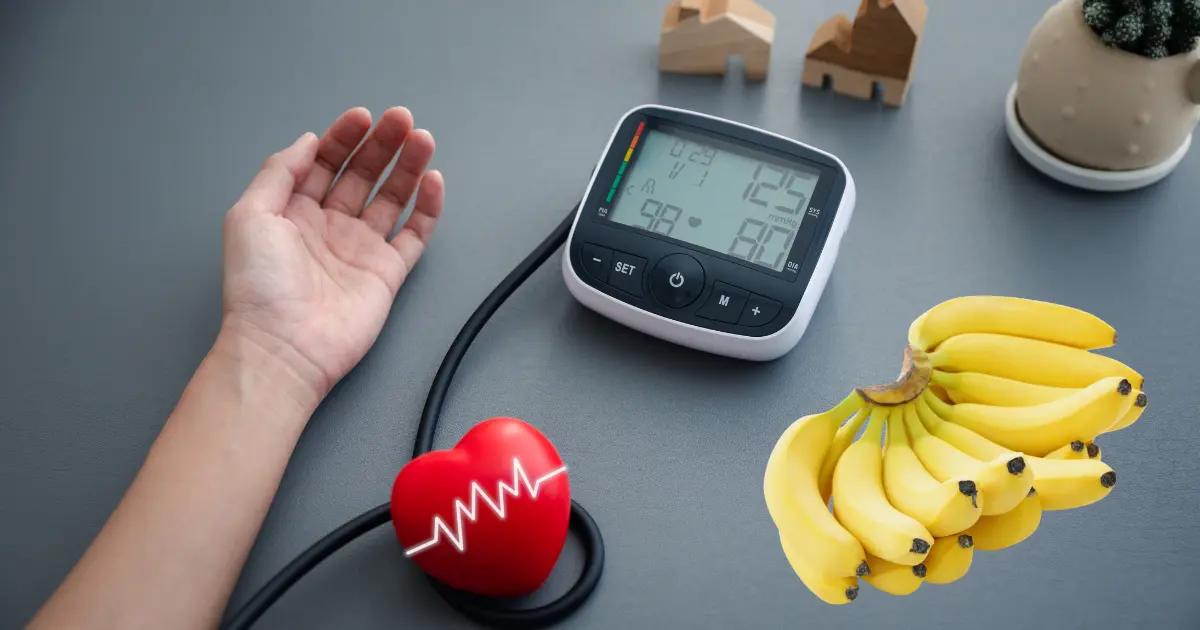
If you’re wondering whether bananas are good for blood pressure, the short answer is yes—but with important caveats. Bananas contain high levels of potassium, a mineral that plays a crucial role in regulating blood pressure by counteracting sodium’s effects and relaxing blood vessel walls. For most people with hypertension or those at risk, incorporating bananas into a balanced diet can contribute to better blood pressure management. However, the relationship between bananas and blood pressure isn’t as simple as eating more fruit equals lower numbers. The amount you eat, your overall diet, existing medical conditions, and medications all factor into whether bananas will help or potentially cause complications. This comprehensive guide examines the science behind bananas and blood pressure, how much you should eat, who should be cautious, and how to maximize the cardiovascular benefits of this popular fruit.
Do Bananas Lower Blood Pressure? The Direct Answer
Yes, bananas can help lower blood pressure when consumed as part of a heart-healthy diet. The primary mechanism is their exceptionally high potassium content—a medium banana contains approximately 422 milligrams of potassium, which is about 9% of the recommended daily intake for most adults. Potassium works as a natural vasodilator, meaning it helps relax the walls of blood vessels, allowing blood to flow more freely and reducing the pressure against arterial walls.
The relationship between bananas and hypertension has been well-documented in nutritional science. The DASH (Dietary Approaches to Stop Hypertension) diet, which has been proven effective in reducing blood pressure, emphasizes potassium-rich foods like bananas as a cornerstone of the eating plan. This isn’t about bananas being a magic bullet—rather, they’re one component of a broader dietary strategy that includes reducing sodium, increasing fiber, and consuming more fruits and vegetables.
However, it’s critical to understand that bananas alone won’t cure high blood pressure. They work best when combined with other lifestyle modifications including reduced salt intake, regular exercise, stress management, and maintaining a healthy weight. For people with stage 2 hypertension (readings of 140/90 mmHg or higher), dietary changes including banana consumption should complement—not replace—medical treatment and prescribed medications.
The effectiveness of bananas in lowering blood pressure also depends on your current potassium and sodium balance. If you consume a high-sodium diet typical of modern processed foods, adding bananas can help restore equilibrium. The potassium-to-sodium ratio in your diet matters more than either mineral in isolation, which is why bananas are particularly beneficial for people eating standard Western diets that are notoriously high in sodium and low in potassium.
How Potassium in Bananas Affects Blood Pressure
Understanding potassium and blood pressure requires looking at how this essential mineral functions at the cellular level. Potassium is an electrolyte that helps regulate fluid balance, nerve signals, and muscle contractions—including the contractions of your heart muscle. When it comes to blood pressure regulation, potassium performs several critical functions that directly counteract hypertension.
First, potassium helps your kidneys excrete more sodium through urine. Sodium causes your body to retain water, which increases blood volume and subsequently raises blood pressure. By promoting sodium excretion, potassium reduces the total fluid volume in your circulatory system, thereby lowering the pressure against blood vessel walls. This is why the potassium-sodium balance is so crucial—they work in opposition to each other.
Second, potassium directly affects the smooth muscle cells in your arterial walls. These muscles control the diameter of your blood vessels. When potassium levels are adequate, these muscles relax, causing vasodilation (widening of blood vessels). Wider blood vessels mean less resistance to blood flow, which translates to lower blood pressure readings. Conversely, low potassium levels can cause these muscles to constrict, narrowing blood vessels and raising blood pressure.
Third, potassium helps reduce the sensitivity of your blood vessels to hormones like angiotensin II and norepinephrine, which cause vasoconstriction. By dampening the effects of these pressure-raising hormones, potassium provides a protective buffer against blood pressure spikes that occur during stress or physical activity.
The recommended daily potassium intake for adults is 2,600-3,400 milligrams, depending on age and sex. Most Americans consume only about half this amount, creating a potassium deficit that contributes to widespread hypertension. A single banana provides roughly 12-16% of your daily potassium needs, making it one of the most convenient and accessible sources of this vital mineral. For a complete nutritional breakdown, check out this large banana calories nutrition guide to understand all the nutrients you’re getting.
How Many Bananas Should You Eat for Blood Pressure Control?
The question of how many bananas for high blood pressure doesn’t have a one-size-fits-all answer, but research and clinical guidelines provide helpful parameters. For most adults with hypertension or prehypertension, consuming 1-2 bananas per day can contribute meaningfully to blood pressure management without causing adverse effects. This provides approximately 420-840 milligrams of potassium, which represents 12-24% of the recommended daily intake.
However, more isn’t necessarily better. While potassium is essential for blood pressure control, excessive intake can be dangerous, particularly for people with kidney disease or those taking certain medications. For healthy individuals with normal kidney function, the body efficiently regulates potassium levels by excreting excess amounts through urine. But if you have compromised kidney function, potassium can accumulate to dangerous levels, potentially causing hyperkalemia—a condition characterized by irregular heartbeat, muscle weakness, and in severe cases, cardiac arrest.
The timing and distribution of banana consumption also matters. Rather than eating multiple bananas at once, spreading them throughout the day provides more consistent potassium levels and better blood pressure stability. For example, having half a banana with breakfast and another half as an afternoon snack maintains steady potassium availability for your cardiovascular system.
It’s also important to consider bananas within the context of your total potassium intake. If you’re already consuming other potassium-rich foods like sweet potatoes, spinach, avocados, and beans, you may need fewer bananas to meet your daily requirements. The goal is to reach the recommended 2,600-3,400 milligrams of potassium daily from all food sources combined, not just from bananas alone.
For people specifically trying to lower blood pressure through diet, the DASH eating plan recommends 8-10 servings of fruits and vegetables daily, with bananas being just one option among many. This approach ensures you’re getting a diverse array of nutrients, not just potassium, that support cardiovascular health. Variety also prevents the potential downsides of eating too much of any single food, including bananas.
Scientific Evidence: What Studies Say About Bananas and Hypertension
The connection between bananas and hypertension is supported by substantial scientific evidence, though most studies focus on potassium intake generally rather than bananas specifically. A landmark meta-analysis published in the Journal of the American Heart Association examined 33 randomized controlled trials involving more than 128,000 participants. The researchers found that increased potassium intake was associated with a 24% lower risk of stroke and significant reductions in blood pressure, particularly in people with hypertension.
Another comprehensive study published in the Archives of Internal Medicine tracked over 12,000 adults for 19 years and found that those with the highest potassium intake had a 20% lower risk of dying from any cause compared to those with the lowest intake. While this study looked at overall mortality rather than blood pressure specifically, the cardiovascular benefits were particularly pronounced, suggesting that potassium’s blood pressure-lowering effects translate into real-world health outcomes.
Research specifically examining fruit consumption and blood pressure has consistently shown positive associations. A 2015 study in the British Medical Journal analyzed data from over 187,000 participants and found that consuming whole fruits—particularly bananas, apples, and berries—was associated with lower blood pressure and reduced cardiovascular disease risk. The researchers noted that whole fruits provided benefits that fruit juices did not, likely due to the fiber content and slower sugar absorption.
Clinical trials have demonstrated that increasing potassium intake can reduce systolic blood pressure (the top number) by 3-5 mmHg and diastolic pressure (the bottom number) by 2-3 mmHg in people with hypertension. While these reductions might seem modest, they’re clinically significant—a 5 mmHg reduction in systolic pressure can decrease stroke risk by approximately 14% and coronary heart disease risk by 9%.
The DASH diet trials provide perhaps the most compelling evidence for potassium-rich foods like bananas in blood pressure management. The original DASH study showed that participants following the diet—which emphasizes fruits, vegetables, and low-fat dairy while limiting sodium—experienced blood pressure reductions comparable to those achieved with single-drug therapy. Participants consuming 8-10 servings of fruits and vegetables daily, including bananas, saw average reductions of 11.4 mmHg in systolic pressure and 5.5 mmHg in diastolic pressure.
However, it’s worth noting that no major studies have isolated bananas as a singular intervention for hypertension. The benefits observed in research come from dietary patterns that include bananas alongside other potassium-rich foods, adequate fiber, reduced sodium, and overall healthy eating. This underscores an important point: bananas are beneficial as part of a comprehensive dietary approach, not as a standalone treatment.
Other Nutrients in Bananas That Support Heart Health
While potassium gets most of the attention when discussing bananas and blood pressure, these fruits contain several other nutrients that contribute to cardiovascular health. Understanding the full nutritional profile helps explain why bananas are consistently recommended as part of heart-healthy diets.
Magnesium is another mineral abundant in bananas, with a medium banana providing about 32 milligrams or 8% of the daily recommended intake. Magnesium works synergistically with potassium to regulate blood pressure. It helps relax blood vessels, supports healthy heart rhythm, and plays a role in over 300 enzymatic reactions in the body, many of which affect cardiovascular function. Research has shown that adequate magnesium intake is associated with lower blood pressure and reduced risk of hypertension.
Fiber content in bananas—approximately 3 grams per medium fruit—contributes to blood pressure management through multiple mechanisms. Soluble fiber helps reduce cholesterol absorption in the intestines, lowering LDL (“bad”) cholesterol levels that contribute to arterial plaque formation. Additionally, fiber slows sugar absorption, preventing blood sugar spikes that can indirectly affect blood pressure through insulin resistance and inflammation. The fiber in bananas also promotes satiety, which can help with weight management—a critical factor in blood pressure control.
Vitamin B6 is present in significant amounts in bananas, with one medium fruit providing about 20% of the daily requirement. This vitamin is essential for producing neurotransmitters that regulate stress responses and mood. Since chronic stress is a known contributor to hypertension, adequate B6 intake may indirectly support blood pressure management. B6 also helps prevent homocysteine buildup, an amino acid that at elevated levels is associated with increased cardiovascular disease risk.
Vitamin C, though not as abundant in bananas as in citrus fruits, still contributes about 10% of daily needs per banana. This antioxidant helps protect blood vessels from oxidative damage, supports the production of collagen that maintains arterial wall integrity, and may help improve endothelial function—the ability of blood vessels to dilate and constrict properly in response to blood flow demands.
Bananas also contain small amounts of resistant starch, particularly when they’re slightly green. This type of carbohydrate resists digestion in the small intestine and acts similarly to fiber, feeding beneficial gut bacteria and potentially improving metabolic health markers that influence blood pressure, including insulin sensitivity and inflammation levels.
The natural sugars in bananas—primarily fructose, glucose, and sucrose—provide quick energy without the blood sugar crash associated with refined sugars. When consumed as part of a balanced meal or snack with protein or healthy fats, bananas provide sustained energy while minimizing blood sugar fluctuations that can stress the cardiovascular system. If you’re interested in preserving these nutrients while extending shelf life, frozen bananas retain most of their nutritional value and can be a convenient option.
Who Should Avoid Eating Too Many Bananas?
Despite their benefits for blood pressure, certain individuals need to be cautious about banana consumption or limit their intake significantly. Understanding who should avoid bananas is crucial for preventing potentially serious health complications.
People with chronic kidney disease (CKD) are the primary group who must carefully monitor or restrict banana intake. When kidneys aren’t functioning properly, they can’t efficiently remove excess potassium from the blood. This can lead to hyperkalemia, a dangerous condition where potassium levels become too high, potentially causing irregular heartbeat, muscle weakness, and cardiac arrest. Anyone with stage 3 or higher CKD should consult their nephrologist before increasing banana consumption, as dietary potassium restrictions are often necessary.
Individuals taking certain medications need to be particularly careful. ACE inhibitors (like lisinopril, enalapril, or ramipril) and angiotensin receptor blockers (ARBs like losartan or valsartan)—common blood pressure medications—can cause potassium retention. When combined with high potassium intake from bananas and other foods, this can lead to dangerous hyperkalemia. Potassium-sparing diuretics like spironolactone also increase potassium retention. If you’re taking any of these medications, discuss appropriate banana consumption with your healthcare provider.
People with diabetes should monitor their banana intake carefully, though they don’t necessarily need to avoid them entirely. A medium banana contains about 27 grams of carbohydrates and 14 grams of sugar, which can raise blood glucose levels. However, the fiber content and resistant starch (especially in less ripe bananas) help moderate this effect. Diabetics can typically include bananas in their diet by pairing them with protein or healthy fats, choosing smaller or less ripe bananas, and accounting for the carbohydrates in their meal planning.
Individuals with latex allergies may experience cross-reactivity with bananas due to similar protein structures. This condition, known as latex-fruit syndrome, can cause allergic reactions ranging from mild oral itching to severe anaphylaxis. If you have a latex allergy and notice any symptoms after eating bananas, consult an allergist.
People prone to migraines sometimes find that bananas trigger headaches. Bananas contain tyramine, a compound that can trigger migraines in susceptible individuals, particularly when the fruit is overripe. If you notice a pattern of migraines following banana consumption, consider reducing intake or avoiding them entirely.
Those with irritable bowel syndrome (IBS) may find that bananas, particularly ripe ones, exacerbate symptoms. Bananas contain fructans, a type of FODMAP (fermentable oligosaccharides, disaccharides, monosaccharides, and polyols) that can cause bloating, gas, and digestive discomfort in people with IBS. However, less ripe bananas typically contain fewer FODMAPs and may be better tolerated.
It’s also worth noting that eating excessive quantities of bananas—say, more than 5-6 daily—can cause problems even in healthy individuals. Beyond the potassium concerns, this much fruit can lead to excessive calorie and sugar intake, potentially contributing to weight gain and blood sugar imbalances that ironically could worsen blood pressure over time.
Best Time to Eat Bananas for Blood Pressure Benefits
While bananas provide cardiovascular benefits regardless of when you eat them, strategic timing can maximize their impact on blood pressure management and overall health. Understanding the best time to eat bananas for blood pressure benefits involves considering your daily routine, medication schedule, and physiological rhythms.
Morning consumption offers several advantages for blood pressure control. Eating a banana with breakfast helps establish healthy potassium levels early in the day, which can help moderate blood pressure responses to morning stress and activity. Blood pressure naturally rises in the morning—a phenomenon called the “morning surge”—which is associated with increased cardiovascular risk. Starting the day with potassium-rich foods may help blunt this surge. Additionally, the natural sugars and carbohydrates in bananas provide sustained energy that can reduce stress-related blood pressure spikes throughout the morning.
Pre-workout timing can be particularly beneficial for people with hypertension who exercise regularly. Consuming a banana 30-60 minutes before exercise provides readily available energy while ensuring adequate potassium levels during physical activity. Exercise temporarily raises blood pressure, and proper potassium status helps ensure healthy recovery afterward. The magnesium in bananas also helps prevent muscle cramps during exercise, which is especially important for people taking diuretics that can deplete both potassium and magnesium.
Evening consumption has unique benefits as well. Some research suggests that potassium intake in the evening may be particularly effective for blood pressure control during sleep. Blood pressure normally dips by 10-20% during sleep—a pattern called “dipping”—and people who don’t experience this dip (non-dippers) have higher cardiovascular risk. Adequate potassium intake, including from evening banana consumption, may help promote healthy nocturnal blood pressure dipping. However, if you’re prone to nighttime urination, eating bananas too close to bedtime might increase bathroom trips due to their diuretic effect.
Between meals as a snack is another strategic timing option. When blood sugar drops between meals, the body releases stress hormones like cortisol and adrenaline, which can temporarily raise blood pressure. A banana as a mid-morning or mid-afternoon snack provides steady energy that prevents these blood sugar crashes and their associated blood pressure fluctuations. Pairing the banana with a protein source like almond butter or Greek yogurt creates an even more balanced snack that provides longer-lasting satiety and blood sugar stability.
For people taking blood pressure medications, timing banana consumption relative to medication schedules requires consideration. If you’re taking ACE inhibitors or ARBs, spreading banana intake throughout the day rather than consuming multiple bananas at once helps prevent potassium spikes. Always take medications as prescribed and maintain consistent dietary patterns so your healthcare provider can accurately assess medication effectiveness.
One timing to generally avoid is eating bananas as your only food for extended periods. “Banana diets” or using bananas as meal replacements can lead to nutritional imbalances and don’t provide the comprehensive nutrition needed for optimal blood pressure management. Bananas work best as part of varied, balanced meals and snacks throughout the day.
Other Potassium-Rich Foods for Blood Pressure Management
While bananas are excellent for blood pressure control, relying solely on them for potassium intake limits nutritional diversity and may lead to dietary boredom. Incorporating a variety of potassium-rich foods for blood pressure management ensures you receive a broader spectrum of nutrients while maintaining adequate potassium levels.
Sweet potatoes are potassium powerhouses, with a medium baked sweet potato providing about 542 milligrams of potassium—even more than a banana. They’re also rich in fiber, beta-carotene, and complex carbohydrates that support stable blood sugar levels. The combination of potassium and fiber makes sweet potatoes particularly effective for blood pressure management.
Leafy greens like spinach, Swiss chard, and beet greens are exceptional potassium sources. One cup of cooked spinach contains approximately 840 milligrams of potassium, nearly double that of a banana. These greens also provide nitrates that convert to nitric oxide in the body, a compound that directly relaxes blood vessels and lowers blood pressure. The combination of potassium and nitrates makes leafy greens among the most powerful dietary tools for hypertension management.
White beans and lima beans are legumes that excel in potassium content, with one cup providing 600-900 milligrams. Beans also offer substantial fiber and plant-based protein, making them filling foods that support weight management—a critical factor in blood pressure control. The resistant starch in beans feeds beneficial gut bacteria, which emerging research suggests may influence blood pressure through the gut-brain-heart axis.
Avocados deserve special mention as potassium-rich foods that also provide heart-healthy monounsaturated fats. A medium avocado contains about 690 milligrams of potassium along with fats that help reduce LDL cholesterol and increase HDL cholesterol. The combination of potassium and healthy fats makes avocados particularly beneficial for overall cardiovascular health.
Tomatoes and tomato products are often overlooked potassium sources. One cup of tomato sauce contains approximately 810 milligrams of potassium, while a medium fresh tomato provides about 290 milligrams. Tomatoes also contain lycopene, an antioxidant associated with reduced cardiovascular disease risk. However, be cautious with canned tomato products, which often contain added sodium that can counteract the blood pressure benefits of potassium.
Salmon and other fatty fish provide potassium (about 430 milligrams per 3-ounce serving) along with omega-3 fatty acids that have independent blood pressure-lowering effects. The combination of potassium and omega-3s makes fatty fish particularly powerful for cardiovascular health. Omega-3s help reduce inflammation, improve arterial flexibility, and may enhance the blood pressure-lowering effects of potassium.
Yogurt and kefir are dairy sources of potassium, with one cup of plain yogurt providing about 380 milligrams. These fermented foods also contain probiotics that emerging research suggests may influence blood pressure through gut microbiome effects. Choose plain, unsweetened varieties to avoid added sugars that can negatively impact cardiovascular health.
Oranges and orange juice provide potassium (about 240 milligrams per orange) along with vitamin C and flavonoids that support vascular health. However, whole oranges are preferable to juice because they contain fiber that slows sugar absorption and provides additional cardiovascular benefits.
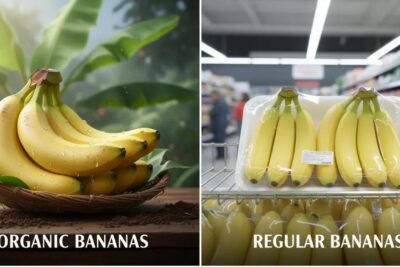
When building a blood pressure-friendly diet, aim for variety among these potassium sources rather than relying heavily on any single food. This approach ensures nutritional diversity while making meals more interesting and sustainable long-term. The DASH diet recommends 8-10 servings of fruits and vegetables daily, which naturally provides abundant potassium when you choose a variety of these foods. For those interested in choosing the highest quality options, organic bananas and other organic produce can be part of a comprehensive approach to heart-healthy eating.
Combining Bananas with Blood Pressure Medication: What to Know
The interaction between bananas and blood pressure medication is a critical consideration that many people overlook. Understanding how bananas affect blood pressure medication can prevent potentially dangerous complications while maximizing the benefits of both dietary and pharmaceutical interventions.
ACE inhibitors and ARBs are among the most commonly prescribed blood pressure medications, and they have significant interactions with potassium-rich foods like bananas. These medications work by blocking hormones that constrict blood vessels, but they also reduce the kidneys’ ability to excrete potassium. When you combine these medications with high potassium intake from bananas and other foods, potassium can accumulate to dangerous levels, causing hyperkalemia.
Symptoms of hyperkalemia include muscle weakness, fatigue, nausea, irregular heartbeat, and in severe cases, cardiac arrest. The risk is particularly high for people who consume multiple potassium-rich foods daily while taking these medications. If you’re on ACE inhibitors (drugs ending in “-pril” like lisinopril, enalapril, or ramipril) or ARBs (drugs ending in “-sartan” like losartan, valsartan, or irbesartan), your doctor should monitor your potassium levels regularly through blood tests.
Potassium-sparing diuretics like spironolactone, amiloride, and triamterene also increase potassium retention. Unlike other diuretics that cause potassium loss, these medications preserve potassium, which is beneficial for people who would otherwise become deficient. However, when combined with potassium-rich diets including bananas, they can lead to hyperkalemia. If you’re taking these medications, your healthcare provider will likely recommend limiting high-potassium foods or monitoring intake carefully.
Regular diuretics (thiazide and loop diuretics) have the opposite effect—they cause potassium loss through increased urination. For people taking medications like hydrochlorothiazide, furosemide, or bumetanide, eating bananas and other potassium-rich foods is often encouraged to prevent hypokalemia (low potassium). In fact, some doctors specifically recommend bananas to patients on these medications to maintain healthy potassium levels. However, the amount needed varies by individual, medication dose, and overall diet.
Beta-blockers like metoprolol, atenolol, and propranolol can also affect potassium levels, though the interaction is less pronounced than with ACE inhibitors or ARBs. Some beta-blockers may slightly increase potassium levels, so moderate banana consumption is generally safe, but excessive intake should be avoided. Always discuss your specific medication and dietary potassium intake with your healthcare provider.
Calcium channel blockers like amlodipine, diltiazem, and nifedipine generally don’t significantly interact with dietary potassium, making bananas a safe addition to the diet for people taking these medications. In fact, the potassium in bananas may complement the blood pressure-lowering effects of calcium channel blockers.
The key to safely combining bananas with blood pressure medication is consistency and communication. Don’t dramatically increase or decrease your banana and potassium intake without informing your healthcare provider, as this can affect medication effectiveness and dosing requirements. If you’re starting a new blood pressure medication, ask your doctor specifically about dietary potassium recommendations and whether you should modify your banana consumption.
Regular blood tests are essential for people taking medications that affect potassium levels. Your doctor will typically check potassium levels when initiating or adjusting blood pressure medications and periodically thereafter. These tests help ensure you’re in the safe range—typically 3.5-5.0 mEq/L for potassium.
It’s also important to consider total dietary potassium, not just bananas. If you’re eating multiple servings of potassium-rich foods daily—sweet potatoes, spinach, beans, avocados, and bananas—while taking medications that increase potassium retention, you may be at higher risk for hyperkalemia even if banana consumption alone seems moderate. Keep your healthcare provider informed about your overall dietary patterns.
The Bottom Line: Are Bananas Good for Blood Pressure?
After examining the scientific evidence, nutritional profile, and practical considerations, the answer to “are bananas good for blood pressure” is a qualified yes for most people. Bananas provide substantial potassium—a mineral essential for blood pressure regulation—along with magnesium, fiber, and other nutrients that support cardiovascular health. For individuals with hypertension or those at risk, incorporating 1-2 bananas daily as part of a balanced, heart-healthy diet can contribute meaningfully to blood pressure management.
The mechanism is well-established: potassium helps your kidneys excrete excess sodium, relaxes blood vessel walls, and counteracts the blood pressure-raising effects of sodium-rich diets. Studies consistently show that increased potassium intake from whole foods like bananas is associated with lower blood pressure, reduced stroke risk, and improved overall cardiovascular health. The DASH diet, which has been proven effective in clinical trials for reducing hypertension, specifically emphasizes potassium-rich fruits like bananas as a cornerstone of the eating plan.
However, bananas are not a standalone solution for high blood pressure. They work best as part of a comprehensive approach that includes reducing sodium intake, maintaining a healthy weight, exercising regularly, managing stress, and limiting alcohol consumption. For people with stage 2 hypertension (readings of 140/90 mmHg or higher), dietary changes including banana consumption should complement—not replace—prescribed medications and regular medical monitoring.
Certain individuals need to exercise caution with banana consumption. People with chronic kidney disease, those taking ACE inhibitors, ARBs, or potassium-sparing diuretics, and individuals with certain allergies or medical conditions should consult their healthcare provider before significantly increasing banana intake. For these groups, the potassium in bananas can accumulate to dangerous levels, potentially causing serious complications including irregular heartbeat and cardiac arrest.
The practical takeaway is this: if you have high blood pressure or are at risk, adding a banana to your daily breakfast or as a mid-afternoon snack is a simple, evidence-based dietary change that can support your cardiovascular health. Choose bananas at various ripeness levels to vary the resistant starch and sugar content, pair them with protein or healthy fats for balanced nutrition, and consider them as one component of a diverse diet rich in fruits, vegetables, whole grains, and lean proteins.
Don’t expect overnight miracles—dietary changes typically take several weeks to show measurable effects on blood pressure. Monitor your numbers regularly, keep your healthcare provider informed about dietary changes, and remember that consistency matters more than perfection. A banana a day, combined with other heart-healthy habits, can be a delicious and effective part of your blood pressure management strategy.
Ultimately, bananas offer a convenient, affordable, and scientifically supported way to increase your potassium intake and support healthy blood pressure levels. They’re not a cure-all, but they’re certainly a valuable tool in the broader effort to maintain cardiovascular health and reduce hypertension risk. For most people, the answer is clear: yes, bananas are indeed good for blood pressure when consumed thoughtfully as part of a balanced, heart-healthy lifestyle.
Frequently Asked Questions
Are bananas good for blood pressure?
Yes, bananas are good for blood pressure management for most people. They contain approximately 422 mg of potassium per medium banana, which helps counteract sodium’s effects and relaxes blood vessel walls, naturally lowering blood pressure. However, people with kidney disease or those taking certain medications should consult their doctor before increasing banana consumption.
How many bananas should I eat a day to lower blood pressure?
Most adults can safely eat 1-2 bananas per day as part of a blood pressure-lowering diet. This provides approximately 800-900 mg of potassium, contributing significantly to the recommended 3,500-4,700 mg daily intake. Eating more than 2-3 bananas daily isn’t necessary and may cause digestive issues or excessive potassium intake in people with kidney problems.
Can I eat bananas when my blood pressure is high?
Yes, you can and should eat bananas when your blood pressure is high, unless your doctor has specifically advised against it. Bananas are good for blood pressure because their potassium content helps regulate fluid balance and reduces strain on blood vessels. They work best as part of a comprehensive approach that includes reducing sodium, maintaining a healthy weight, and following your prescribed treatment plan.
Why do some doctors say not to eat bananas?
Some doctors advise against eating bananas for patients with chronic kidney disease or those taking potassium-sparing diuretics, ACE inhibitors, or ARBs. These conditions and medications can cause potassium to accumulate to dangerous levels (hyperkalemia), which can lead to irregular heartbeat and other serious complications. For most people without these conditions, bananas remain a healthy choice for blood pressure management.
What fruit is best for lowering high blood pressure?
Berries (especially blueberries and strawberries) are considered the number one fruit for lowering blood pressure due to their high flavonoid content, which improves blood vessel function. Bananas, kiwis, watermelon, and citrus fruits are also excellent choices because they’re rich in potassium, magnesium, and antioxidants. A varied intake of these fruits provides the most comprehensive blood pressure benefits.
Do bananas affect blood pressure medication?
Bananas can interact with certain blood pressure medications, particularly potassium-sparing diuretics (like spironolactone), ACE inhibitors, and ARBs. These medications already increase potassium retention, and adding high-potassium foods like bananas may lead to excessive potassium levels. Always inform your doctor about your dietary habits, and they can monitor your potassium levels through regular blood tests.
What foods bring blood pressure down fast?
Foods rich in potassium, magnesium, and nitrates can help lower blood pressure relatively quickly, including bananas, leafy greens, beets, berries, oatmeal, and fatty fish. Dark chocolate (70% cacao or higher) and hibiscus tea have also shown rapid blood pressure-lowering effects in studies. However, sustainable blood pressure reduction requires consistent dietary changes rather than relying on quick fixes.
Is banana good for high blood pressure and diabetes?
Yes, bananas can be good for people with both high blood pressure and diabetes when consumed in moderation. While bananas are good for blood pressure due to their potassium content, they do contain natural sugars and have a medium glycemic index (around 51). People with diabetes should eat bananas as part of a balanced meal with protein or healthy fats to minimize blood sugar spikes, and limit intake to one small to medium banana per day.
Does high potassium make blood pressure go up?
No, high potassium intake actually helps lower blood pressure in most people by promoting sodium excretion and relaxing blood vessel walls. However, excessively high potassium levels in the blood (hyperkalemia) can cause dangerous heart rhythm problems, though this typically only occurs in people with kidney disease or those on certain medications. For healthy individuals, dietary potassium from foods like bananas is beneficial for blood pressure control.
What is the best breakfast for high blood pressure?
The best breakfast for high blood pressure includes oatmeal topped with berries and a banana, which provides fiber, potassium, and antioxidants. Other excellent options include Greek yogurt with nuts and fruit, whole grain toast with avocado and eggs, or a smoothie with leafy greens, berries, and flaxseed. These breakfasts are low in sodium, rich in blood pressure-lowering nutrients, and help maintain stable blood sugar throughout the morning.
You May Also Like
Are Strawberry Banana Smoothies Healthy? Complete Guide 2026

Why Avoid Bananas During Pregnancy? Safety Guide 2026