How Long to Let Banana Bread Cool (Complete Timeline)

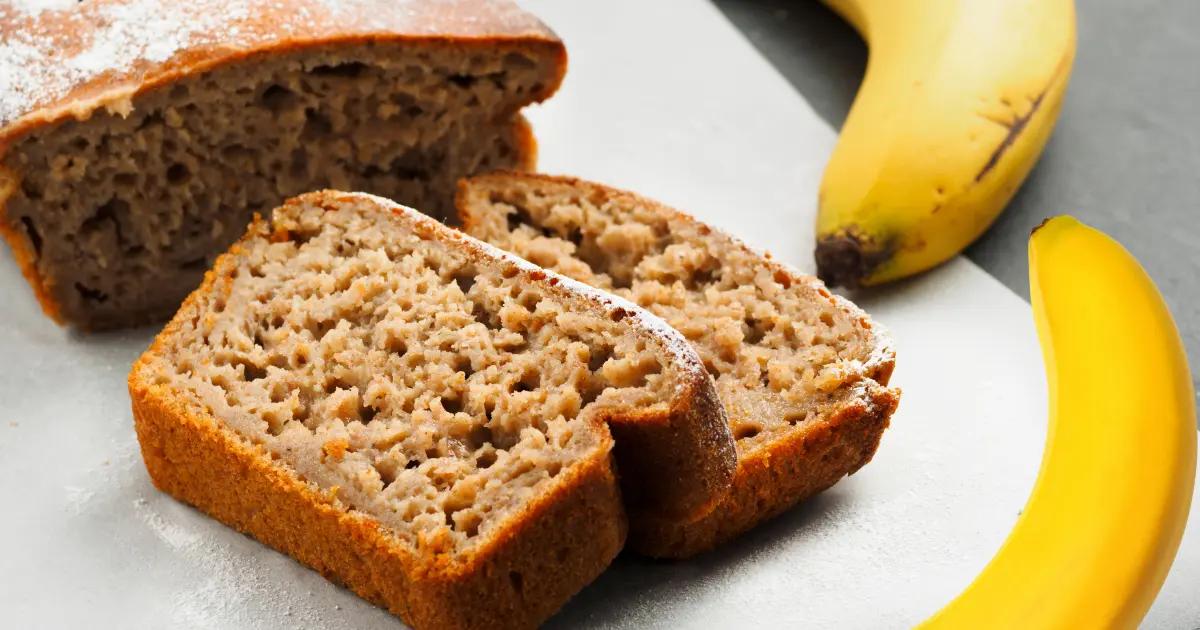
If you’ve just pulled a golden loaf of banana bread from the oven, you’re probably wondering how long to let banana bread cool before you can slice into it. The answer is straightforward: let your banana bread cool in the pan for 10-15 minutes, then transfer it to a wire rack for at least 45-60 minutes before slicing. This total cooling time of approximately 60-75 minutes ensures your bread maintains its structure, develops the right texture, and slices cleanly without crumbling or turning gummy. While waiting might feel like torture when that sweet aroma fills your kitchen, rushing this crucial step can ruin an otherwise perfect loaf.
Understanding the proper banana bread cooling time isn’t just about patience—it’s about science, texture, and getting the most out of your baking efforts. Whether you’re following an easy banana bread recipe or experimenting with variations like chocolate chip banana bread or a 4 ingredient banana bread, the cooling process remains critical to your final result.
The Quick Answer: Cooling Timeline for Banana Bread
For those standing in the kitchen right now with a hot loaf, here’s the definitive banana bread cooling time breakdown you need:
- 0-10 minutes: Leave the banana bread in the pan immediately after removing from the oven
- 10-15 minutes: Remove from pan and transfer to a cooling rack
- 15-60 minutes: Cool on the wire rack at room temperature
- 60-75 minutes total: Minimum time before slicing for best results
- 2-3 hours: Ideal cooling time for completely room-temperature bread
This timeline applies whether you’re making a traditional moist banana bread recipe, a banana bread recipe with oil, or even a banana bread recipe eggless variation. The cooling process remains consistent across different recipes because the underlying chemistry of baked goods doesn’t change.
Many bakers ask whether they can speed up this process, and while there are methods to cool banana bread quickly, rushing too much compromises quality. The gradual temperature reduction allows moisture to redistribute evenly throughout the loaf, starches to set properly, and the crumb structure to stabilize.
Why Cooling Time Matters for Banana Bread
The cooling process isn’t arbitrary—it’s a continuation of the baking process that directly impacts your banana bread texture, moisture distribution, and structural integrity. When banana bread emerges from the oven, several critical processes are still occurring inside the loaf.
First, the internal temperature of freshly baked banana bread typically ranges from 200-210°F, while the exterior may be slightly cooler. At these temperatures, the starches are still in a gelatinized state—meaning they’re soft, pliable, and haven’t fully set. The proteins from eggs (in traditional recipes) are also still settling into their final structure. Cutting into the bread at this stage disrupts these processes and can cause the loaf to collapse or become gummy.
Second, steam continues to escape from the bread during cooling. This moisture evaporation is essential for achieving the right texture. If you seal the bread too quickly or cut it while hot, that steam gets trapped, creating a soggy, dense interior rather than the tender, moist crumb you’re aiming for. This is particularly important for recipes like banana bread recipe with sour cream or other moisture-rich variations.
Third, the cooling period allows the flavors to develop and meld. The banana flavor actually intensifies slightly as the bread cools, and any add-ins like chocolate chips, nuts, or spices become more pronounced and balanced. A chocolate chip banana bread recipe, for instance, benefits from cooling as the chocolate sets and the contrast between the chips and bread becomes more defined.
Finally, proper cooling prevents the dreaded “gummy layer” that forms when hot bread meets cool air too quickly. This phenomenon occurs when condensation forms on the surface of improperly cooled bread, creating an unpleasant texture that no amount of toasting can fix.
Step-by-Step Cooling Process (Pan to Wire Rack to Slicing)
Understanding when to remove banana bread from pan and how to transition it through each cooling stage ensures consistent results every time. Here’s the detailed process for cooling banana bread on wire rack properly:
Stage 1: Initial Pan Cooling (0-15 Minutes)
When you first remove your banana bread from the oven, resist the urge to immediately turn it out. Place the pan on a heat-safe surface—not directly on a cold countertop, which can cause thermal shock. Let it sit undisturbed for 10-15 minutes. During this time, the bread continues to cook slightly from residual heat while beginning to contract away from the pan sides.
This initial resting period is crucial for structural integrity. The loaf is still extremely fragile, and attempting to remove it too soon often results in a broken loaf or pieces sticking to the pan. For a 4 ingredient banana bread or any simple recipe, this step is just as important as for more complex variations.
Many bakers wonder, “do you let banana bread cool before removing from pan?” The answer is yes, but only partially. The 10-15 minute window is optimal—longer than this, and the bread may actually stick more as it cools and contracts.
Stage 2: Wire Rack Transfer (15-20 Minutes)
After the initial pan cooling, run a butter knife or offset spatula around the edges of the loaf to loosen any stuck spots. Place a wire rack over the top of the pan, then carefully invert both together. The bread should release onto the rack. If it doesn’t come out easily, let it sit another 5 minutes and try again.
Once inverted, carefully flip the loaf right-side up on the rack. This prevents the top from getting rack marks and ensures even air circulation. If you don’t have a wire rack, you can use alternatives like what to use instead of a wire rack for cooling: an oven rack placed over a baking sheet, a clean oven grate, or even chopsticks laid parallel across a cutting board to elevate the bread.
Stage 3: Complete Cooling (20-75 Minutes)
Now comes the hardest part: waiting. The bread needs to cool to room temperature, which takes 45-60 additional minutes on the wire rack. Air should circulate freely around all sides of the loaf, which is why a proper cooling rack or substitute is essential. Placing hot bread directly on a solid surface traps moisture underneath, creating a soggy bottom.
During this stage, you’ll notice the bread continues to release steam. The exterior will firm up, and the internal temperature will gradually drop from around 200°F to room temperature (approximately 70-75°F). This is when the starches fully set and the crumb structure stabilizes.
For those researching how long to let banana bread cool reddit discussions, you’ll find experienced bakers consistently recommend this 60-75 minute total timeline, though some prefer waiting 2-3 hours for completely cool bread that slices with absolute precision.
Stage 4: Ready to Slice (75+ Minutes)
Once the bread reaches room temperature—test by touching the bottom of the loaf, which should feel cool to the touch—it’s ready for slicing. Use a sharp serrated knife and a gentle sawing motion rather than pressing down, which can compress the tender crumb. For the cleanest slices, some bakers even wipe the knife between cuts.
What Happens If You Cut Banana Bread Too Soon
Cutting into banana bread before it’s properly cooled is one of the most common banana bread mistakes, and the consequences range from minor texture issues to a completely ruined loaf. Understanding these outcomes helps reinforce why patience during cooling is so critical.
Structural Collapse: When you slice hot banana bread, the still-soft interior can’t support its own weight. The slices may compress, tear, or fall apart completely. This is especially problematic with moist banana bread recipes or those made with extra bananas, as they have more moisture to contend with during cooling.
Gummy Texture: Hot starches are sticky and gelatinous. Cutting through them while they’re still setting creates a gummy, almost dough-like texture on the cut surfaces. This gumminess doesn’t resolve even after the bread cools—once those starches are disrupted, they won’t set properly. A banana bread recipe healthy variation with less sugar and fat is particularly susceptible to this issue.
Excessive Crumbling: Paradoxically, while hot bread can be gummy, it can also crumble excessively because the crumb structure hasn’t stabilized. You might find the slice falling apart in your hands, with chunks breaking off rather than cutting cleanly. This wastes bread and creates a frustrating eating experience.
Moisture Loss: When you cut hot bread, you release steam that should remain in the loaf during cooling. This premature moisture loss can make the bread dry out faster overall, reducing its shelf life and affecting texture. For a 4 ingredient banana bread with oil or other simple recipes, this moisture loss is particularly noticeable.
Uneven Cooling: Cutting creates new surfaces that cool at different rates than the intact loaf. This can lead to uneven texture throughout the bread—some parts properly set, others remaining gummy or overly dense.
If you absolutely must taste your banana bread while it’s still warm (we understand the temptation!), cut a single slice from one end after the minimum 60-minute cooling period, then let the rest of the loaf continue cooling undisturbed. This compromise lets you sample your work while preserving the majority of the loaf.
How to Tell When Banana Bread Is Fully Cooled
Determining when banana bread has cooled sufficiently isn’t always obvious, especially for new bakers. Here are reliable methods to assess whether your loaf is ready for slicing or storage:
The Touch Test: Gently press the bottom of the loaf with your palm. It should feel completely cool to the touch, not warm or even lukewarm. The bottom cools last, so if it’s cool, the entire loaf is ready. This works for any recipe, from a 3 ingredient banana bread to more complex variations.
The Temperature Check: If you have an instant-read thermometer, insert it into the center of the loaf. The internal temperature should read between 70-75°F (room temperature). Anything above 80°F means the bread needs more cooling time.
The Visual Assessment: Fully cooled banana bread will have a matte finish rather than a shiny, moist appearance. Any visible steam should have completely dissipated. The surface should feel dry to a light touch, not tacky or moist.
The Time Method: When in doubt, follow the timeline. If you’ve allowed 60-75 minutes of total cooling time (10-15 in pan, 45-60 on rack) in a room-temperature environment, your bread should be ready. For absolute certainty, wait 2 hours.
The Flexibility Test: Gently press the top center of the loaf. Fully cooled banana bread will spring back immediately without leaving an indentation. If your finger leaves a depression or the bread feels soft and yielding, it needs more time.
Environmental factors affect cooling time. In a warm kitchen (above 75°F), cooling may take slightly longer. In a cool kitchen (below 65°F), the bread may cool faster. Humidity also plays a role—high humidity can extend cooling time as moisture evaporates more slowly.
Best Practices for Cooling Banana Bread
Mastering how to cool banana bread properly involves more than just timing—it requires attention to environment, equipment, and technique. These banana bread cooling tips ensure consistent results:
Choose the Right Cooling Location
Cool your banana bread in a draft-free area away from direct sunlight or heat sources. A kitchen counter away from the stove is ideal. Avoid cooling near open windows where temperature fluctuations or humidity might affect the process. The goal is consistent, moderate room temperature.
Use Proper Cooling Equipment
A wire cooling rack is the gold standard because it allows air circulation on all sides. If you don’t have one, how to cool banana bread without wire rack alternatives include: placing the loaf on an oven rack suspended over the sink, using a sushi rolling mat, setting the bread on parallel wooden spoons or chopsticks, or even using a clean barbecue grill grate. The key is elevation and airflow.
Don’t Cover While Cooling
Never cover banana bread while it’s cooling, even if you’re worried about it drying out. Covering traps steam and moisture, creating condensation that makes the exterior soggy. Wait until the bread is completely cool before wrapping or storing. This applies to all variations, including banana bread recipe with sour cream or 4 ingredient banana bread moist versions.
Avoid Refrigerator Cooling
Many people ask, “can I cool banana bread in the fridge?” While technically possible, it’s not recommended for initial cooling. The refrigerator’s cold, dry environment can cause the exterior to cool too quickly while the interior remains warm, leading to uneven texture and potential condensation issues. Additionally, refrigeration can make banana bread stale faster due to starch retrogradation. If you must speed cooling, wait until the bread has cooled for at least 30 minutes at room temperature first.
Consider Loaf Size and Pan Material
Larger loaves take longer to cool than smaller ones. A standard 9×5-inch loaf follows the 60-75 minute timeline, but mini loaves might be ready in 30-40 minutes, while extra-large loaves could need 90+ minutes. Dark metal pans retain heat longer than light-colored or glass pans, potentially adding 5-10 minutes to cooling time.
Plan Cooling Time Into Your Baking Schedule
If you need banana bread for a specific time, work backwards from when you need it ready. For a 9 AM breakfast, start baking by 6:30 AM (1 hour baking + 1.5 hours cooling). This planning prevents the temptation to rush the cooling process.
Storing Banana Bread After Cooling
Once your banana bread has cooled completely, proper storage preserves its texture and flavor. The storage method depends on when you plan to eat it and your texture preferences.
Room Temperature Storage (1-4 Days)
For banana bread you’ll consume within a few days, room temperature storage works perfectly. Wrap the completely cooled loaf tightly in plastic wrap, aluminum foil, or place it in an airtight container. Store in a cool, dry place away from direct sunlight. Many bakers ask, “can you leave banana bread out?” Yes, properly wrapped banana bread stays fresh at room temperature for 3-4 days.
Some people wonder, “can I leave banana bread out overnight to cool?” Absolutely—in fact, many bakers bake in the evening and let the bread cool overnight on the counter (uncovered), then wrap it in the morning. This extended cooling time can actually improve texture and flavor as the bread fully sets and flavors develop.
Refrigerator Storage (5-7 Days)
For longer storage, refrigeration extends banana bread’s life to about a week. However, refrigeration can accelerate staling due to starch retrogradation, making the bread slightly drier and firmer. If you choose to refrigerate, wrap the bread very tightly to prevent moisture loss and absorb refrigerator odors. Let refrigerated slices come to room temperature or toast them before eating to restore some softness.
Freezer Storage (2-3 Months)
Freezing is ideal for long-term storage. Wrap the completely cooled loaf (whole or sliced) in plastic wrap, then in aluminum foil, or use freezer bags with air removed. Properly wrapped banana bread maintains quality for 2-3 months in the freezer. To thaw, leave wrapped at room temperature for 2-3 hours, or thaw individual slices in the microwave for 20-30 seconds. This works equally well for a best banana bread recipe or simpler 3 or 4 ingredient banana bread variations.
Pre-Slicing Considerations
Some bakers prefer slicing banana bread before storage, placing parchment paper between slices for easy separation. This allows you to remove individual portions without thawing the entire loaf. However, sliced bread has more surface area exposed to air, potentially drying out faster. If pre-slicing, ensure airtight storage and consume within the shorter end of the storage timeframe.
Common Banana Bread Cooling Mistakes to Avoid
Even experienced bakers sometimes make cooling errors that compromise their banana bread. Recognizing and avoiding these common mistakes ensures better results every time.
Mistake 1: Leaving Bread in the Pan Too Long
While you should let banana bread cool in the pan initially, leaving it there for more than 15-20 minutes is counterproductive. As the bread cools and contracts, it can actually stick more firmly to the pan. Additionally, the trapped heat and moisture at the bottom can create a soggy bottom crust. Always transfer to a wire rack after the initial cooling period. This is particularly important for recipes like 4 ingredient banana bread without cake mix, which may have less structural support.
Mistake 2: Cooling in the Baking Pan
Some bakers remove the loaf from the oven but leave it sitting in the pan on the counter for the entire cooling period. This prevents proper air circulation and can lead to condensation buildup, creating a wet, sticky bottom. The bread needs to be removed from the pan and elevated on a rack for proper cooling.
Mistake 3: Wrapping While Still Warm
Wrapping banana bread before it’s completely cool traps steam inside, creating moisture that makes the bread soggy and can promote mold growth. Always wait until the bread reaches room temperature before wrapping. Test the bottom—if it’s even slightly warm, wait longer. This mistake is especially problematic with moist banana bread recipe variations that already have high moisture content.
Mistake 4: Cooling in Direct Airflow
While air circulation is important, direct airflow from fans or air conditioning vents can dry out the exterior too quickly while the interior remains warm. This creates texture inconsistencies and can cause the top to crack excessively. Cool in a draft-free area with natural air circulation.
Mistake 5: Rushing with Refrigerator or Freezer
Placing hot or warm banana bread directly in the refrigerator or freezer to speed cooling seems logical but creates multiple problems. The sudden temperature change can cause the exterior to firm up while the interior remains soft, leading to uneven texture. It also raises the temperature inside your refrigerator or freezer, potentially affecting other foods. Always allow at least 30-60 minutes of room temperature cooling before considering refrigeration.
Mistake 6: Cutting Before the Full Cooling Period
This is perhaps the most common mistake. The temptation to cut into warm banana bread is strong, but doing so before the 60-minute minimum almost always results in gummy texture, excessive crumbling, or structural collapse. Set a timer and distract yourself with other tasks while waiting.
Mistake 7: Stacking or Covering Multiple Loaves
If you’ve baked multiple loaves, don’t stack them or place them too close together while cooling. Each loaf needs adequate air circulation on all sides. Stacking traps heat and moisture, preventing proper cooling. Space loaves at least 2-3 inches apart on cooling racks.
Mistake 8: Ignoring Environmental Factors
Cooling time isn’t absolute—it varies with room temperature, humidity, and altitude. In a very warm kitchen, cooling takes longer. In high humidity, moisture evaporates more slowly. At high altitude, cooling may be faster due to lower air pressure. Adjust your expectations based on your environment rather than rigidly following a timer.
Advanced Cooling Techniques and Troubleshooting
For bakers who want to optimize their cooling process or deal with specific challenges, these advanced techniques provide solutions to common scenarios.
How to Cool Banana Bread Quickly (When Necessary)
Sometimes you genuinely need to cool banana bread quickly—perhaps for a last-minute event or gift. While you should never rush the initial 10-15 minute pan cooling, you can slightly accelerate the wire rack stage. Place the wire rack with the bread in front of a fan set on low, maintaining at least 12 inches of distance. This increases air circulation without creating direct, harsh airflow. You might reduce cooling time by 10-15 minutes, but never skip below the 45-minute minimum total cooling time.
Another method involves slicing the loaf slightly earlier (after 45-50 minutes) and arranging slices on the cooling rack with space between them. The increased surface area allows faster cooling, though you sacrifice the neat appearance of an intact loaf.
Dealing with Stuck Banana Bread
If your banana bread won’t release from the pan after the initial cooling period, don’t force it. Place the pan back in a 200°F oven for 2-3 minutes to slightly warm the exterior, which can help release stubborn spots. Alternatively, place a warm, damp towel around the outside of the pan for 1-2 minutes. The gentle heat expansion often loosens the bread. For future bakes, ensure thorough greasing and flouring (or use parchment paper) to prevent sticking.
Salvaging Over-Cooled or Dried-Out Bread
If you’ve left banana bread uncovered for too long and the exterior has dried out, you can restore some moisture. Wrap the loaf in a damp (not wet) kitchen towel and microwave in 10-second bursts until slightly warm. The steam from the towel rehydrates the exterior. Alternatively, brush the surface lightly with melted butter and warm briefly in a 300°F oven.
Cooling Variations and Special Recipes
Different banana bread variations may require slight cooling adjustments. A chocolate chip banana bread recipe with lots of mix-ins might need an extra 5-10 minutes as the chocolate and other additions retain heat. A 3 or 4 ingredient banana bread healthy version with less fat might cool slightly faster. Gluten-free banana bread often benefits from longer cooling (90+ minutes) as alternative flours set differently than wheat flour.
Testing Cooling Progress Without Cutting
If you’re unsure whether your bread has cooled enough but don’t want to cut into it, use the “toothpick test” in reverse. Insert a toothpick into the center and leave it for 30 seconds. Remove and immediately touch it to the inside of your wrist (like testing baby bottle temperature). If it feels warm or hot, the bread needs more cooling time. If it feels neutral or cool, the bread is ready.
The Science Behind Banana Bread Cooling
Understanding the scientific processes during cooling helps explain why proper technique matters so much. When banana bread bakes, several transformations occur: water evaporates, creating steam; starches gelatinize and proteins denature; sugars caramelize; and the structure sets. However, these processes don’t stop the moment you remove the bread from the oven.
During cooling, starch retrogradation begins—the process where gelatinized starches start to recrystallize and firm up. This is what gives cooled banana bread its sliceable structure. If you cut too early, you interrupt this process, and the starches can’t properly set. The optimal temperature range for starch retrogradation is between 140-70°F, which is why the gradual cooling period is so important.
Moisture redistribution also occurs during cooling. The center of the loaf, which contains the most moisture, gradually releases water vapor that moves toward the drier exterior. This creates an equilibrium that results in evenly moist bread throughout. Cutting too early releases this moisture prematurely, leaving the center gummy and the exterior potentially dry.
The Maillard reaction products—those delicious browned flavors and aromas—continue to develop slightly during early cooling. This is why banana bread often smells even better 30-60 minutes after baking than it did fresh from the oven. The flavor compounds have time to stabilize and become more pronounced.
Finally, the protein network from eggs (in traditional recipes) needs time to fully set. At high temperatures, proteins are flexible; as they cool, they form rigid bonds that give banana bread its structure. Disrupting this network before it sets can cause the bread to collapse or develop an unpleasant texture.
Whether you’re making a banana bread recipe eggless, a 4 ingredient banana bread healthy version, or following the best banana bread recipe you’ve ever found, these scientific principles apply. The specific ingredients may vary, but the physics and chemistry of cooling remain constant.
Conclusion: Patience Pays Off in Perfect Banana Bread
Understanding how long to let banana bread cool transforms good banana bread into great banana bread. The 60-75 minute cooling timeline—10-15 minutes in the pan followed by 45-60 minutes on a wire rack—isn’t arbitrary; it’s based on the science of how baked goods set, how moisture redistributes, and how flavors develop. While waiting can feel agonizing when that incredible aroma fills your kitchen, the patience pays off in clean slices, perfect texture, and optimal flavor.
Remember that proper cooling is just as important as proper mixing, the right oven temperature, or using ripe bananas. It’s the final step in the baking process, not an afterthought. Whether you’re making a simple 3 ingredient banana bread or an elaborate chocolate chip banana bread recipe with multiple mix-ins, respecting the cooling timeline ensures your effort in the kitchen produces the best possible result.
By avoiding common cooling mistakes—cutting too soon, leaving the bread in the pan too long, or wrapping before it’s completely cool—you’ll consistently produce banana bread with the ideal texture: moist but not gummy, tender but not crumbly, flavorful and perfectly structured. The next time you bake, set that timer, step away from the kitchen, and let science do its work. Your taste buds will thank you when you finally slice into that perfectly cooled loaf.
Frequently Asked Questions
How long should you let banana bread cool before cutting?
You should let banana bread cool for a total of 60-75 minutes before cutting. This includes 10-15 minutes in the pan followed by 45-60 minutes on a wire rack. Cutting too early will result in a gummy texture and crumbly slices that fall apart.
Should banana bread be left to cool in the tin?
Yes, but only for 10-15 minutes initially. Leaving banana bread in the tin allows it to set and firm up enough to handle without breaking. After this brief period, transfer it to a wire rack to prevent the bottom from becoming soggy due to trapped steam.
Can I put warm banana bread in the fridge?
No, you should never put warm banana bread directly in the fridge. The temperature shock can create excess condensation, making your bread soggy and affecting its texture. Always let banana bread cool completely to room temperature first, which takes about 60-75 minutes total.
Is it better to cut banana bread hot or cold?
It’s better to cut banana bread when it’s completely cool, not hot. Hot banana bread is still cooking internally and hasn’t set properly, so cutting it will compress the crumb and create a dense, gummy texture. Waiting the full recommended time to let banana bread cool ensures clean, beautiful slices.
How long should I let my banana bread cool in the pan?
Let your banana bread cool in the pan for 10-15 minutes only. This short window allows the structure to stabilize enough for safe removal without the loaf falling apart. Any longer and moisture will be trapped underneath, creating an undesirable soggy bottom.
Can I leave banana bread out overnight to cool?
Yes, you can leave banana bread out overnight to cool if you bake it late in the evening. Once it reaches room temperature (after about 75 minutes), simply cover it loosely with a clean kitchen towel or aluminum foil. This prevents it from drying out while allowing any remaining steam to escape.
What happens if I cut banana bread too early?
Cutting banana bread too early causes several problems: the slices will be gummy and compress under the knife, the bread may crumble and fall apart, and the interior won’t have the proper texture. The residual heat means the starches haven’t fully set, so patience is essential for the best results.
How long to let banana bread cool before wrapping it?
Wait until banana bread is completely cool to room temperature before wrapping, which takes 60-75 minutes total. Wrapping warm bread traps moisture and creates condensation, leading to a soggy exterior and potential mold growth. Once fully cooled, wrap tightly in plastic wrap or aluminum foil for storage.
You May Also Like
How to Ripen Bananas for Banana Bread: Fast & Natural Methods

Benefits of Banana Bread: Is It Healthy or Just Dessert?