How to Know You’re Buying an Organic Banana: PLU Code Guide

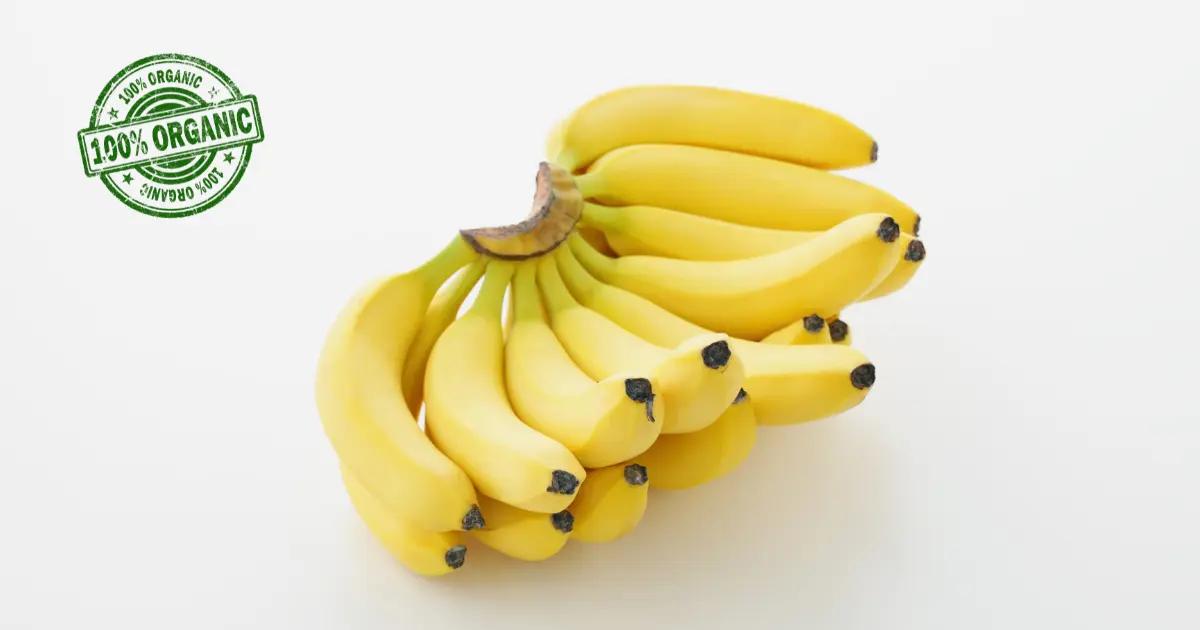
When you’re standing in the produce aisle holding what appears to be an organic banana, how can you be certain you’re actually getting what you’re paying for? With organic produce commanding premium prices—sometimes 50% more than conventional options—knowing how to verify you’re buying a genuine organic banana isn’t just about preference; it’s about protecting your wallet and health choices. The truth is, not all bananas labeled “organic” meet the strict standards you’d expect, and understanding the concrete verification methods can save you from paying extra for conventional fruit in disguise.
This comprehensive guide will walk you through every practical method for identifying truly organic bananas, from decoding PLU stickers to recognizing certification labels, so you can shop with confidence and get exactly what you’re paying for.
What Makes a Banana Officially Organic?
An organic banana must meet rigorous standards set by certifying bodies like the USDA (United States Department of Agriculture) or equivalent international organizations. These standards go far beyond simply avoiding pesticides—they encompass the entire growing, harvesting, and handling process from farm to store shelf.
To qualify as organic, bananas must be grown without synthetic pesticides, herbicides, or fertilizers for at least three years prior to harvest. The soil itself must be certified organic, meaning it has been free from prohibited substances for this minimum period. Farmers growing organic bananas use natural pest control methods, such as beneficial insects, crop rotation, and organic-approved treatments like neem oil or sulfur-based compounds.
Additionally, organic banana cultivation prohibits the use of synthetic growth regulators, post-harvest fungicides, and artificial ripening agents beyond naturally-occurring ethylene gas. The farms must maintain detailed records of all inputs and practices, undergo annual inspections by accredited certifying agents, and demonstrate compliance with organic standards throughout the supply chain.
Genetic modification is strictly forbidden in organic agriculture, so organic bananas are always non-GMO. While most commercial bananas (like the Cavendish variety) aren’t genetically modified anyway, this guarantee extends to all aspects of production, including any inputs or materials used in cultivation.
The certification process is expensive and time-consuming, which partially explains why organic bananas cost more. Farmers must pay certification fees, maintain extensive documentation, and often accept lower yields since they cannot use conventional high-intensity farming methods. This investment in organic practices is what you’re verifying when you check whether your banana is truly organic.
The PLU Code Method: Reading Banana Stickers
The most immediate and reliable way to identify an organic banana is through its PLU code—the small sticker affixed to individual bananas or banana clusters. Understanding this numbering system is your first line of defense against mislabeled produce.
Conventional bananas carry a four-digit PLU code starting with the numbers 3 or 4. The most common code you’ll see is 4011, which identifies standard yellow Cavendish bananas—the variety that dominates grocery stores worldwide. This four-digit code tells you the banana was grown using conventional agricultural methods, which may include synthetic pesticides and fertilizers.
Organic bananas, by contrast, feature a five-digit PLU code beginning with the number 9. The organic banana PLU code you’ll most frequently encounter is 94011—essentially the conventional code (4011) with a 9 prefix. This five-digit system with the 9 prefix is the international standard for identifying organic produce across grocery stores, farmers markets, and wholesale distributors.
Here’s the critical detail many shoppers miss: the PLU sticker system is voluntary, not legally mandated. While major retailers and reputable suppliers consistently use these codes, smaller vendors or bulk importers might not apply stickers at all. In these cases, you’ll need to rely on other verification methods discussed in subsequent sections.
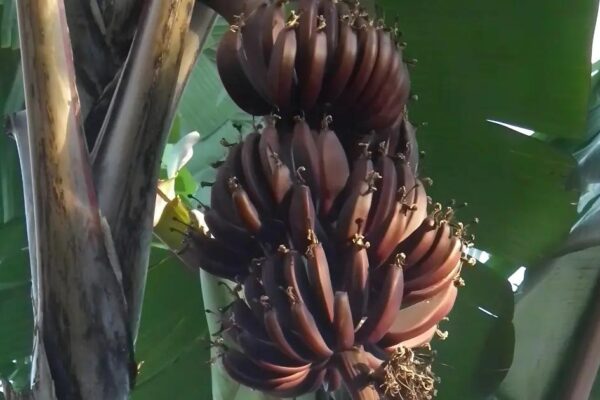
Some additional PLU codes to know include 94237 (organic baby/finger bananas) and 94186 (organic red bananas). If you see an eight-digit code beginning with 8, this theoretically indicates genetically modified produce, though GMO bananas are not currently sold in U.S. commercial markets, making this code extremely rare in the banana section.
When checking PLU codes in-store, examine the sticker closely. Legitimate PLU stickers are typically printed clearly with standardized fonts and include the distributor’s information. Handwritten numbers, unclear printing, or stickers that appear hastily applied should raise suspicion. Additionally, check multiple bananas in the same bunch—all should display identical codes if they’re truly from the same organic source.
USDA Organic Certification: What to Look For
Beyond PLU codes, the USDA Organic seal provides the gold standard for verifying organic produce in the United States. This distinctive green and white circular logo can appear on individual banana stickers, on the packaging for bagged organic bananas, or on signage in the produce section.
The official USDA Organic seal indicates that the product has been certified by a USDA-accredited certifying agent and contains at least 95% organically produced ingredients (for bananas, this is essentially 100% since they’re a single-ingredient product). Products labeled “100% Organic” must contain only organically produced ingredients and may also display the USDA seal.
When examining bananas for USDA certification, look for the complete seal—not just the words “organic” printed on packaging. The authentic seal features specific design elements: a circular shape, the words “USDA ORGANIC” in capital letters, and a green outer ring with white interior. Counterfeit or misleading labels might use similar colors or fonts but lack the official seal design.
Many organic bananas also display the certifier’s name or code beneath the USDA seal. Common certifying agencies include California Certified Organic Farmers (CCOF), Oregon Tilth, and Quality Assurance International (QAI). You can verify these certifiers through the USDA’s Organic Integrity Database, which lists all accredited certifying agents.
For imported organic bananas—which constitute the majority of organic bananas sold in the U.S.—look for equivalent international certifications. The European Union’s organic logo (a leaf design made of stars), Canada’s COR (Canada Organic Regime) logo, or certifications from countries like Ecuador, Costa Rica, or Colombia indicate compliance with organic standards recognized by international trade agreements.
Store signage can also provide certification information. Reputable retailers display the organic certification documents for their produce suppliers, sometimes posting them in the organic section or making them available upon request. Don’t hesitate to ask the produce manager to verify the organic certification for the bananas you’re considering—legitimate stores will have this documentation readily available.
Visual Differences Between Organic and Conventional Bananas
While not foolproof, certain visual characteristics can help you distinguish organic bananas from conventional ones, especially when stickers are missing or unclear. Understanding these differences requires knowing what to look for and recognizing that variations exist even within organic or conventional categories.
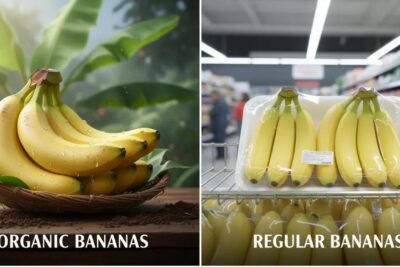
Organic bananas often appear slightly smaller than their conventional counterparts. This size difference results from organic farming practices that typically produce lower yields per acre. Without synthetic growth enhancers and high-intensity fertilization, organic bananas may develop more slowly and reach slightly smaller mature sizes. However, this isn’t a universal rule—some organic farms produce large bananas, so size alone shouldn’t be your only indicator.
The skin texture and appearance of organic bananas can differ subtly. Organic bananas may show more natural blemishes, small brown spots, or irregular coloring even when perfectly ripe. These cosmetic imperfections occur because organic farming doesn’t use the same post-harvest fungicides and appearance-enhancing treatments that give conventional bananas their uniform, pristine appearance. A few small marks or slight variations in yellow coloring don’t indicate poor quality—they often signal less chemical intervention.
Organic bananas sometimes display a slightly different ripening pattern. They may develop brown spots more quickly or show uneven ripening across the bunch. This happens because they haven’t been treated with synthetic ripening inhibitors or ethylene gas in the same controlled manner as conventional bananas. The natural ripening process can be less uniform but doesn’t affect taste or nutritional value.
The stem end of organic banana bunches occasionally shows more browning or dried appearance. Conventional bananas often receive fungicide treatments specifically on the crown (stem area) to prevent crown rot during shipping. Organic bananas rely on careful handling and natural protective measures, which may result in more visible stem aging.
One reliable visual indicator is packaging. Organic bananas sold in bags or boxes typically feature prominent organic labeling, certification logos, and detailed information about the grower or distributor. Conventional bananas are rarely packaged with such extensive labeling. If you see bananas in clear bags with multiple certification logos and origin information, they’re more likely to be genuinely organic.
However, be cautious about relying solely on appearance. Some conventional banana varieties naturally have characteristics similar to what we’ve described for organic bananas. Additionally, clever marketing sometimes uses rustic or natural-looking packaging for conventional produce to create an organic impression. Always combine visual assessment with PLU code verification and certification checking.
How to Verify Organic Bananas at Different Stores
The verification process for organic bananas varies significantly depending on where you shop. Each retail environment presents unique challenges and opportunities for confirming authenticity.
At major grocery chains like Whole Foods, Kroger, Safeway, or Publix, organic verification is relatively straightforward. These retailers maintain strict organic protocols, clearly separate organic and conventional produce sections, and consistently use PLU codes. Look for dedicated organic produce areas with prominent signage. Check that the section’s price tags specifically state “organic” and match the PLU codes on the bananas themselves. Major chains also typically display their organic certification documentation or can provide it upon request from the produce manager.
Walmart organic bananas require extra vigilance despite the retailer’s size. While Walmart has expanded its organic offerings significantly, the organic and conventional sections sometimes sit adjacent to each other, creating potential for mix-ups. Always verify the PLU code (94011 for organic) and check that the shelf tag explicitly states “organic.” Walmart’s organic bananas should display the USDA Organic seal on the sticker or nearby signage. The price difference should be noticeable—organic bananas close to conventional prices at Walmart might indicate a pricing error or mislabeling.
At farmers markets, verification becomes more personal and relationship-based. Speak directly with the farmer or vendor about their organic certification status. Legitimate organic farmers will proudly show you their certification documents, explain their growing practices, and provide their certifier’s information. Be aware that some small farmers practice organic methods but haven’t pursued official certification due to cost—these “uncertified organic” bananas may be grown organically but cannot legally be labeled as such. You’ll need to decide whether you trust the farmer’s word based on your conversation and their reputation.
Specialty health food stores and co-ops generally maintain high organic standards and clear labeling. These retailers often work directly with organic distributors and maintain detailed sourcing information. Staff members are typically knowledgeable about organic verification and can answer specific questions about suppliers and certifications. Many co-ops post supplier information, including organic certificates, on bulletin boards or their websites.
When shopping at ethnic markets or smaller independent grocers, organic verification can be challenging. These stores may carry organic bananas but with less consistent labeling or signage. Look for packaged organic bananas with visible certification logos rather than loose bananas with unclear origins. Don’t hesitate to ask the store owner or manager about their organic banana source—reputable sellers will have documentation even if it’s not prominently displayed.
Online grocery services like Instacart, Amazon Fresh, or direct delivery from retailers require careful attention to product descriptions. Verify that the product listing explicitly states “organic” and shows the USDA Organic seal in product images. Check customer reviews for mentions of receiving conventional bananas when organic were ordered—this indicates potential fulfillment issues. When your delivery arrives, immediately verify PLU codes and certification labels before accepting the order.
Common Organic Banana Labeling Tricks to Avoid
The premium price of organic produce creates financial incentives for deceptive labeling practices. Understanding common tricks helps you avoid paying organic prices for conventional bananas.
The most prevalent deception involves PLU code manipulation. Some unscrupulous vendors apply organic PLU stickers (94011) to conventional bananas or simply place conventional bananas in the organic section without changing codes. Combat this by checking multiple bananas in different bunches—inconsistencies in sticker quality, placement, or appearance suggest tampering. Authentic organic bananas from the same supplier should have identical, professionally applied stickers.
Watch for misleading terminology that sounds organic without making actual organic claims. Terms like “natural,” “eco-friendly,” “pesticide-free,” “chemical-free,” or “sustainably grown” are not regulated and don’t indicate organic certification. Only products displaying the USDA Organic seal or equivalent certified organic logos meet organic standards. A banana labeled “all-natural” is almost certainly conventional unless it also carries organic certification.
Some stores create ambiguous signage that implies organic status without explicitly stating it. A sign reading “Premium Bananas” or “Specialty Bananas” placed near organic produce might lead shoppers to assume these are organic when they’re actually conventional. Always verify that signage specifically uses the word “organic” and that prices reflect organic premiums.
The mixed-bunch trick involves placing a few organic bananas among conventional ones in the same display bin. Shoppers grabbing bananas quickly might not notice they’re selecting from mixed stock. This happens more often in stores with poor inventory management or during restocking when conventional and organic shipments arrive simultaneously. Check every banana bunch individually rather than assuming all bananas in one area share the same organic status.
Be skeptical of suspiciously low organic prices. While sales and promotions occur, organic bananas priced identically or nearly identically to conventional bananas should raise red flags. The certification costs, lower yields, and specialized handling required for organic bananas make significant price premiums unavoidable. If the price seems too good to be true, verify the organic status extra carefully or consider that the store may have mislabeled conventional bananas.
Some retailers use aesthetic packaging to create an organic impression. Brown paper bags, rustic-looking labels, or earth-tone packaging might house conventional bananas marketed to appear more natural or premium. Packaging alone doesn’t indicate organic status—look for actual certification logos and organic labeling text, not just natural-looking design elements.
International imports present certification confusion. Bananas labeled “organic” from countries without USDA-equivalent standards may not meet U.S. organic requirements. Legitimate organic imports should display both the origin country’s organic certification and USDA Organic approval for U.S. sale. If you see only a foreign organic label without USDA recognition, the bananas may be organic by that country’s standards but not certified for U.S. organic labeling.
Are Organic Bananas Worth the Extra Cost?
After learning how to verify organic bananas, you might question whether the premium price—typically 30-70% more than conventional—justifies the purchase. The answer depends on your priorities regarding pesticide exposure, environmental impact, and nutritional considerations.
From a pesticide residue perspective, bananas present a unique case. The thick, inedible peel provides substantial protection for the fruit inside, which is why bananas consistently rank low on the Environmental Working Group’s “Dirty Dozen” list of pesticide-contaminated produce. Conventional bananas typically show minimal pesticide residues in the edible portion when properly peeled. However, this doesn’t mean conventional bananas are pesticide-free—the peels themselves contain residues, and handling conventional bananas transfers some chemicals to your hands and potentially to the fruit if you don’t wash hands before eating.
Organic bananas eliminate this concern entirely. They’re grown without synthetic pesticides, so neither the peel nor the fruit contains these residues. For pregnant women, young children, or individuals with chemical sensitivities, this complete absence of synthetic pesticides provides peace of mind worth the extra cost.
The nutritional differences between organic and conventional bananas remain modest and somewhat controversial. Both provide excellent sources of potassium (about 422mg per medium banana), vitamin B6, vitamin C, and dietary fiber. Some studies suggest organic bananas may contain slightly higher levels of certain antioxidants and beneficial compounds due to the plants’ natural defense mechanisms developing more robustly without synthetic pesticide protection. However, these differences are generally small and unlikely to significantly impact your overall health if you maintain a balanced diet.
Regarding taste differences, many consumers report organic bananas taste sweeter or more flavorful, though blind taste tests show mixed results. The perceived taste difference might relate more to ripeness, variety, or individual banana quality than organic versus conventional growing methods. Some organic bananas are allowed to ripen more naturally on the plant before harvest, which can enhance flavor development.
The environmental impact provides perhaps the strongest argument for choosing organic bananas. Conventional banana farming relies heavily on synthetic pesticides and fertilizers that contaminate water sources, harm beneficial insects and wildlife, and degrade soil quality over time. Banana plantations in tropical regions often neighbor sensitive ecosystems and biodiversity hotspots where chemical runoff causes significant ecological damage. Organic banana farming uses sustainable practices that protect these environments, support soil health, and promote biodiversity.
Worker safety represents another important consideration. Banana plantation workers handling conventional crops face exposure to potentially harmful pesticides, sometimes without adequate protective equipment. Organic farming eliminates this occupational hazard, creating safer working conditions for agricultural laborers in banana-growing regions.
From a cost-benefit perspective, consider your banana consumption volume. If you eat one banana weekly, the annual cost difference between organic and conventional might be $10-15—negligible for most budgets. However, families consuming multiple bananas daily face annual differences of $100-200 or more. In this case, you might prioritize organic purchases for family members most vulnerable to pesticide exposure (young children, pregnant women) while choosing conventional for others.
The price gap is narrowing as organic banana production scales up and more retailers enter the organic market. Some stores now offer organic bananas at prices approaching conventional rates, especially when buying in larger quantities or during promotions. This trend makes organic bananas increasingly accessible to budget-conscious shoppers.
Ultimately, organic bananas are worth the extra cost if you prioritize minimizing pesticide exposure, supporting sustainable agriculture, or ensuring better working conditions for farm laborers. If your primary concern is nutritional value and you’re comfortable with the minimal pesticide residues found in conventional bananas, the conventional option provides similar health benefits at lower cost.
Where to Buy Verified Organic Bananas
Knowing where to shop significantly impacts your ability to consistently find genuine, fairly-priced organic bananas. Different retailers offer varying levels of organic selection, quality, and price competitiveness.
Whole Foods Market remains the gold standard for organic produce reliability. Their organic bananas consistently display proper certification, accurate PLU codes, and clear labeling. Whole Foods maintains strict organic protocols and sources from verified organic suppliers. The trade-off is higher prices—expect to pay premium rates even by organic standards. However, their 365 Everyday Value organic banana brand often provides better value than name-brand organic options.
Trader Joe’s offers excellent value on organic bananas when available. Their organic banana prices typically undercut other major retailers by 10-20%, though selection can be inconsistent—some locations stock organic bananas regularly while others carry them sporadically. Trader Joe’s organic bananas are reliably certified and properly labeled, making them a smart choice when in stock.
Costco and Sam’s Club provide the best per-pound pricing on organic bananas, but require buying larger quantities. Costco’s organic bananas typically come in 3-pound bags at prices that make the per-banana cost competitive with conventional bananas at regular grocery stores. This option works well for families or individuals who consume bananas frequently and can use the larger quantity before they over-ripen.
Walmart has significantly expanded its organic produce selection and offers competitive organic banana pricing, often matching or beating traditional grocery chains. The Great Value Organic brand provides reliable certification at accessible prices. However, as mentioned earlier, verify PLU codes carefully due to occasional organic/conventional mixing in the produce section.
Regional grocery chains like Kroger, Publix, Safeway, and others maintain solid organic banana programs with proper certification and reasonable pricing. These stores often run weekly promotions on organic produce, including bananas, making them worth monitoring for deals. Sign up for store loyalty programs to receive notifications about organic produce sales.
Natural food co-ops and independent health food stores typically stock organic bananas from smaller, specialized organic distributors. While prices may be higher, these retailers often provide detailed sourcing information and support organic farmers directly. Co-op members frequently receive discounts that make organic produce more affordable.
Farmers markets in tropical or subtropical regions occasionally offer locally-grown organic bananas, though this is rare in most U.S. locations since commercial banana cultivation requires specific climate conditions. When available, locally-grown organic bananas provide the freshest option and support local organic agriculture. Always verify organic certification rather than assuming farmers market produce is organic.
Online retailers like Thrive Market, Amazon Fresh, and Instacart provide convenient organic banana access, especially in areas with limited local organic options. Thrive Market requires membership but offers consistently competitive organic prices. Amazon Fresh pricing varies by region but provides reliable delivery of certified organic bananas. Instacart’s pricing depends on the underlying retailer but offers the convenience of shopping multiple stores’ organic selections from home.
Ethnic markets serving Latin American, Caribbean, or Asian communities sometimes stock organic banana varieties beyond the standard Cavendish, including organic plantains, red bananas, or apple bananas. These specialty organic bananas often cost less than organic Cavendish bananas at mainstream stores while offering interesting flavor variations.
For the most cost-effective organic banana purchasing strategy, compare prices across multiple retailers in your area, stock up during sales (bananas freeze well for smoothies), and consider warehouse club memberships if your household consumption justifies bulk buying. Many shoppers find that splitting large organic banana purchases with neighbors or friends makes warehouse club quantities manageable while maintaining the per-unit savings.
Regardless of where you shop, apply the verification methods outlined in this guide—check PLU codes, confirm USDA Organic certification, and examine labeling carefully. Even at reputable retailers, occasional labeling errors occur, so maintaining vigilance protects your investment in organic produce.
Conclusion: Shopping for Organic Bananas with Confidence
Verifying that you’re actually buying an organic banana requires more than trusting store labels or paying premium prices. By checking PLU codes for the distinctive five-digit format beginning with 9, confirming USDA Organic certification seals, recognizing visual characteristics, and understanding retailer-specific verification strategies, you can shop with confidence that you’re getting what you pay for.
The organic banana market continues growing as consumer demand increases and production scales up, making truly organic bananas more accessible and affordable than ever before. Whether you choose organic for pesticide avoidance, environmental reasons, or worker safety concerns, the verification skills outlined in this guide ensure your premium dollars support genuine organic agriculture rather than mislabeled conventional produce.
Remember that the thick banana peel provides natural protection, making bananas one of the lower-priority organic purchases if budget constraints require prioritizing. However, for those who can afford the modest premium, organic bananas offer peace of mind regarding pesticide exposure while supporting more sustainable agricultural practices in tropical banana-growing regions.
Armed with these verification methods, you can navigate any produce section—from Walmart to Whole Foods, farmers markets to online retailers—and confidently identify genuine organic bananas every time. The key is combining multiple verification approaches: PLU codes provide the quickest check, certification seals offer official confirmation, and visual assessment plus retailer knowledge add additional layers of certainty. Together, these methods ensure you’re investing in authentic organic produce that meets your standards and justifies the premium price.
Frequently Asked Questions
How do I know if my banana is organic?
Check the PLU sticker code on your banana—a genuine organic banana will have a 5-digit code starting with “9” (such as 94011). Conventional bananas display a 4-digit code like 4011. You can also verify by checking for USDA Organic certification on the label or packaging, and purchasing from reputable retailers who maintain proper organic certification documentation.
What does 94011 mean on a banana?
The code 94011 indicates that the banana is certified organic. The “9” prefix distinguishes it from conventional bananas, while “4011” is the base code for yellow bananas. This PLU (Price Look-Up) code system is standardized across grocery stores to help cashiers and consumers identify organic produce at a glance.
What does 4011 mean on bananas?
The code 4011 identifies a conventional (non-organic) yellow banana. This is the most common PLU code you’ll see in grocery stores and indicates the banana was grown using conventional farming methods, which may include synthetic pesticides and fertilizers. If you’re looking for organic options, avoid bananas with this 4-digit code and look for 94011 instead.
Are organic bananas better for you than regular bananas?
Organic bananas contain the same nutritional value as conventional bananas in terms of vitamins, minerals, and fiber. However, they’re grown without synthetic pesticides, herbicides, or fertilizers, which means lower pesticide residue exposure. While bananas have thick peels that provide natural protection, choosing organic supports more sustainable farming practices and reduces your overall pesticide consumption.
What makes a banana not organic?
A banana is considered non-organic when it’s grown using synthetic pesticides, chemical fertilizers, or genetically modified organisms (GMOs). Conventional banana farming may also involve post-harvest treatments with fungicides to prevent ripening during transport. To be certified organic, bananas must be grown following strict USDA standards that prohibit these synthetic inputs for at least three years prior to harvest.
How can I tell if a banana is organic without a sticker?
Without a PLU sticker, look for USDA Organic certification on the bunch’s packaging or twist-tie label. Ask produce staff for verification, as they should have documentation of organic certification for their inventory. If purchasing from farmers markets, request to see the vendor’s organic certification, as legitimate organic growers are required to maintain and display this documentation.
Are organic bananas worth the extra cost?
Whether an organic banana is worth the premium depends on your priorities and budget. If reducing pesticide exposure and supporting sustainable agriculture are important to you, the 30-50% price increase may be justified. However, conventional bananas have thick peels that reduce direct pesticide contact with the fruit, making them one of the “safer” conventional produce options according to the Environmental Working Group’s Clean Fifteen list.
Can stores mislabel conventional bananas as organic?
While rare, mislabeling can occur due to human error or unethical practices. This is why checking the PLU code is crucial—it’s your most reliable verification tool. Reputable retailers face significant penalties for organic fraud and maintain strict inventory separation between organic and conventional produce. If you suspect mislabeling, report it to store management and consider filing a complaint with the USDA.
You May Also Like
Red-Tipped Bananas vs Organic: Which to Buy in 2025
Why Do Organic Bananas Taste Better? Science & Facts