Bananas While Fishing: Bad Luck or Myth? The Real Truth

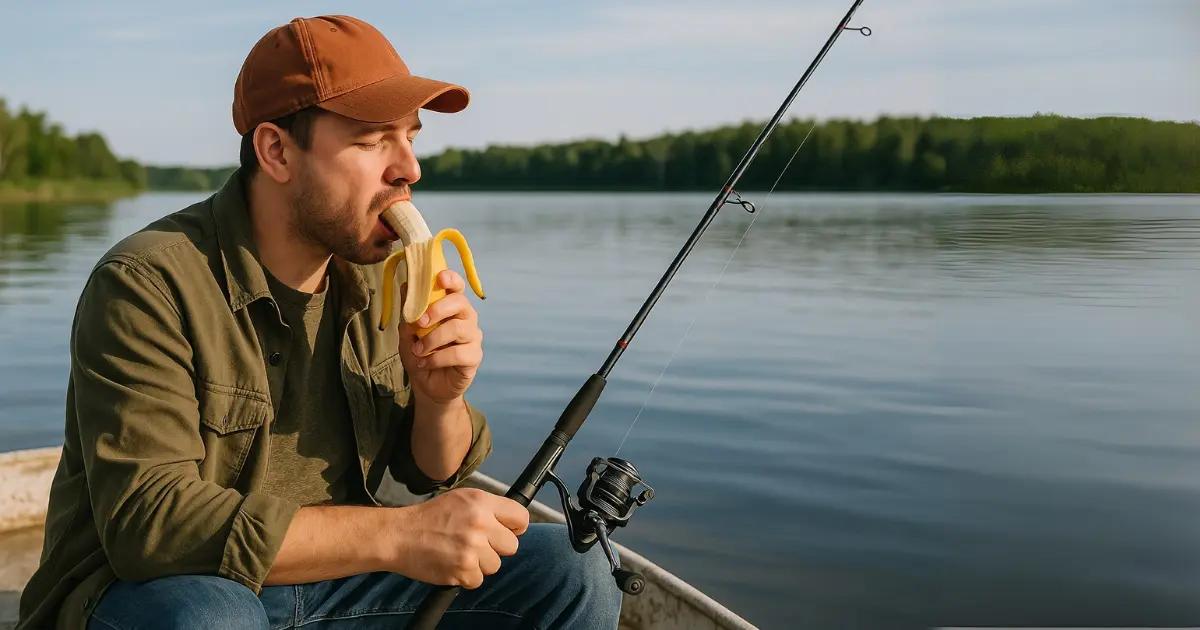
The superstition about eating bananas while fishing has persisted for centuries among anglers worldwide, with many experienced fishermen refusing to bring the yellow fruit aboard their vessels. This deeply rooted belief suggests that bananas bring catastrophic bad luck to fishing expeditions, resulting in poor catches, equipment failures, and even dangerous conditions at sea. Whether you’re a seasoned angler who’s heard whispers of this curse or a curious newcomer wondering if there’s any truth behind the folklore, understanding the origins and reasoning behind this superstition can help you decide whether to pack that convenient snack on your next fishing trip.
The Banana Fishing Superstition: What Fishermen Believe
The banana fishing superstition is one of the most widespread and enduring beliefs in maritime culture. According to this superstition, bringing bananas onto a fishing boat will result in a disastrous day on the water. Fishermen who subscribe to this belief claim that boats carrying bananas experience a range of misfortunes, from complete absence of fish to mechanical breakdowns, severe weather, and even accidents or injuries.
The intensity of this belief varies among fishing communities. Some anglers won’t allow any banana products whatsoever on their boats, including banana-flavored foods, sunscreen containing banana extracts, or even clothing from Banana Republic. Others take a more moderate approach, avoiding only fresh bananas while permitting processed banana products. Many charter boat captains have strict “no banana” policies posted prominently, and some have been known to turn away clients who arrive with the forbidden fruit.
This superstition isn’t limited to recreational fishing either. Commercial fishermen, particularly those in deep-sea fishing industries, often take the banana curse seriously. Stories circulate within fishing communities about boats that ignored the warning and suffered consequences—whether it’s returning empty-handed after a week at sea or experiencing equipment failures that cost thousands of dollars in repairs.
The psychological impact of this belief is significant. Even skeptical fishermen sometimes avoid bananas simply to maintain crew morale or avoid being blamed if the day’s catch is poor. The superstition has become so ingrained in fishing culture that violating it can create tension and anxiety among crew members, potentially affecting their focus and performance.
Historical Origins: Where Did This Superstition Come From?
The roots of the bad luck fishing superstition surrounding bananas trace back to the 1700s during the height of Caribbean trade routes. Several historical explanations exist for how this belief originated, each offering compelling evidence for why sailors and fishermen began associating bananas with misfortune.
The most widely accepted theory connects to the Spanish trading vessels that transported bananas from the Caribbean to Europe and North America. These ships traveled at high speeds to deliver their cargo before the fruit spoiled, which meant they couldn’t stop to fish along the way. When fishing boats encountered these fast-moving banana boats, they noticed that fishing in the same waters immediately afterward yielded poor results. The correlation between banana-carrying vessels and bad fishing led to the belief that bananas themselves were cursed.
Another historical explanation involves the dangerous nature of banana cargo. Bananas release ethylene gas as they ripen, which accelerates the spoilage of other fruits and can create hazardous conditions in enclosed cargo holds. Ships carrying bananas occasionally experienced mysterious illnesses among crew members, which were likely caused by toxic fumes from overripe or rotting fruit in poorly ventilated spaces. These incidents reinforced the idea that bananas brought death and misfortune aboard ships.
A darker historical account suggests that banana boats were particularly prone to disappearing at sea. During the 1700s and 1800s, numerous vessels transporting bananas from tropical regions simply vanished without a trace. While modern analysis suggests these disappearances were likely due to the ships’ high speeds in treacherous waters and the pressure to deliver perishable cargo quickly, sailors at the time attributed the losses to a curse associated with the fruit itself.
The venomous spider theory adds another layer to the superstition’s origins. Banana shipments from tropical regions occasionally harbored deadly spiders, particularly the Brazilian wandering spider, which hid among the banana bunches. Crew members bitten by these stowaways sometimes died, creating a very real danger associated with banana cargo. This tangible threat may have evolved into the broader superstition that bananas themselves brought bad luck.
Scientific Explanations: Is There Any Truth to the Banana Curse?
While the banana fishing superstition is rooted in folklore rather than science, several rational explanations exist for why fishermen might have observed correlations between bananas and poor fishing outcomes. Understanding these scientific factors helps separate myth from reality when evaluating whether bananas truly affect fishing success.
The ethylene gas emission from ripening bananas presents the most scientifically valid concern. Bananas produce significant amounts of ethylene, a plant hormone that triggers ripening in nearby fruits and vegetables. In the confined space of a boat, this gas can cause other food to spoil more quickly, leading to unpleasant odors. While ethylene itself doesn’t repel fish, the smell of overripe or rotting fruit in a boat’s cabin could potentially transfer to fishing equipment, bait, or anglers’ hands, creating an unfamiliar scent that might make fish more cautious.
Fish possess an extremely sensitive olfactory system, capable of detecting chemical compounds in parts per billion. Any foreign scent on lures, bait, or fishing line can potentially reduce effectiveness. Bananas have a distinct, strong aroma that could theoretically transfer to fishing gear. However, scientific studies on fish behavior haven’t specifically tested banana scent as a deterrent, and many other common boat foods produce equally strong odors without carrying superstitious baggage.
The slippery nature of banana peels presents a genuine safety hazard on boats. A discarded banana peel on a wet boat deck creates a serious slip risk, which could lead to injuries, equipment damage, or someone falling overboard. In rough seas, such accidents could prove catastrophic. This practical danger may have contributed to captains banning bananas, with the superstition providing additional reinforcement for a sensible safety rule.
Interestingly, bananas can affect human physiology in ways that might indirectly impact fishing success. Bananas are high in potassium and natural sugars, which can cause increased urination and energy crashes when consumed in large quantities. Fishermen who eat multiple bananas might find themselves needing frequent bathroom breaks or experiencing fatigue during long fishing sessions, reducing their time with lines in the water and potentially decreasing their catch rates.
From a purely statistical perspective, confirmation bias plays a significant role in perpetuating this superstition. Fishermen who believe in the banana curse are more likely to remember and emphasize occasions when they had bananas aboard and experienced poor fishing, while dismissing or forgetting successful trips that happened to include bananas. This selective memory reinforces the belief despite the lack of causal relationship.
The Psychological Factor
Perhaps the most significant “scientific” explanation is psychological rather than biological. When fishermen believe that bananas bring bad luck, their anxiety and negative expectations can become self-fulfilling prophecies. Stress and distraction reduce focus, patience, and attention to subtle signs that indicate fish activity. An angler worried about a banana curse might miss strikes, make poor decisions about location or technique, or simply give up earlier than they otherwise would, all of which genuinely reduce their chances of success.
Real Fishermen’s Experiences: What Anglers Say Today
Modern fishing communities remain deeply divided on the question of whether eating bananas while fishing actually affects outcomes. Online forums, particularly discussions about bananas while fishing on Reddit and other social platforms, reveal a fascinating spectrum of beliefs ranging from absolute conviction to complete skepticism, with many anglers falling somewhere in between.
Professional charter boat captains often maintain strict no-banana policies, though their motivations vary. Captain Mike Torres, who runs deep-sea fishing charters in the Florida Keys, explains: “I don’t personally believe bananas cause bad luck, but I’ve had too many trips where clients blamed a poor catch on someone sneaking a banana aboard. It’s easier to just ban them entirely than deal with the drama and negativity. When people are convinced they’re cursed, they fish poorly, and that becomes a real problem.”
Conversely, some experienced anglers deliberately bring bananas on their trips as a form of rebellion against superstition. Tournament fisherman Sarah Chen shares: “I’ve been eating bananas on fishing trips for twenty years, and I’ve won multiple competitions with a banana in my tackle box. The idea that a fruit can affect whether fish bite is absurd. Good technique, proper equipment, understanding fish behavior, and being in the right place at the right time—those are what matter.”
The commercial fishing industry presents mixed perspectives as well. Long-line tuna fishermen in Hawaii, where banana bad luck fishing beliefs are particularly strong, often avoid the fruit religiously. Hawaiian fishing culture has its own unique relationship with banana superstitions, intertwining with broader Polynesian beliefs about what brings harmony or discord with ocean spirits. Some Hawaiian fishermen won’t even allow the word “banana” to be spoken aboard their vessels.
Younger generations of fishermen tend to be more skeptical of the superstition, viewing it as outdated folklore. However, many still respect the tradition out of deference to older crew members or simply to avoid potential conflict. Jake Morrison, a 28-year-old commercial fisherman from Alaska, notes: “Logically, I know it’s nonsense. But my grandfather won’t fish with anyone who brings bananas, and half the guys I work with feel the same way. It’s not worth the argument, so I just eat apples instead.”
Social Media and Modern Perspectives
The internet age has amplified discussions about fishing superstitions, with countless anglers sharing their experiences. YouTube fishing channels occasionally feature “banana challenge” videos where fishermen deliberately bring bananas to test the superstition, with results that are predictably mixed and inconclusive. These experiments, while entertaining, rarely change anyone’s mind—believers attribute successful banana trips to luck or other factors, while skeptics see them as proof the superstition is baseless.
Fishing forums reveal that the banana debate often serves as a proxy for broader discussions about tradition versus rationality in fishing culture. Some anglers view maintaining superstitions as an important part of preserving fishing heritage and the mystique of the sport, while others see them as obstacles to a more scientific, evidence-based approach to angling.
Other Fishing Superstitions You Should Know
The banana superstition is far from the only belief that governs behavior on fishing boats. Fishing superstitions explained reveal a rich tapestry of maritime folklore that has developed over centuries, with many beliefs still influencing modern anglers’ practices.
The prohibition against saying “rabbit” or “hare” aboard fishing vessels is nearly as widespread as the banana taboo. This superstition likely originated in British fishing communities, where rabbits were associated with witches and bad luck. Fishermen believed that even speaking the word could doom a voyage. Some boats still maintain this tradition, with crew members using alternative terms like “long-eared furry thing” or “the creature that shall not be named” when necessary. This relates to why don’t fishermen say rabbit—the belief that certain words carry inherent power to attract misfortune.
Women aboard fishing boats have historically been considered bad luck in many maritime cultures, though this sexist superstition has largely faded in modern times. The belief supposedly stemmed from the idea that women would distract sailors or anger sea gods. Ironically, some cultures believed that a naked woman on board would calm stormy seas, leading to the tradition of female figureheads on ship bows. Today, women are increasingly prominent in both recreational and commercial fishing, thoroughly debunking this outdated belief.
Whistling on a boat is considered extremely unlucky in many fishing traditions. The superstition holds that whistling will “whistle up a storm,” calling dangerous winds and weather. Some captains still prohibit whistling aboard their vessels, particularly when weather conditions are already marginal. The origin likely relates to the fact that wind sounds similar to whistling, creating an association between the two.
The color blue, particularly when worn as clothing, is considered unlucky by some fishing communities. This belief may stem from the association between blue and drowning (bodies turning blue from lack of oxygen), or from historical connections between blue dye and death in certain cultures. Conversely, some traditions consider blue to be protective, showing how superstitions can vary even within the same industry.
Good Luck Fishing Practices
Understanding what brings good luck while fishing is equally important to many anglers. Pouring the first drink of a voyage into the sea as an offering to ocean spirits or deities is a widespread tradition across many maritime cultures. This practice, sometimes called “libation,” is meant to ensure safe passage and abundant catches.
Never changing a boat’s name is considered crucial for maintaining good fortune. If a name change is absolutely necessary, elaborate ceremonies must be performed to appease the sea gods and remove the vessel’s old identity from their records. These ceremonies typically involve removing all traces of the old name, making offerings, and formally requesting permission from maritime deities for the change.
Spitting on bait before casting is practiced by many fishermen who believe it brings luck and attracts fish. While this has no scientific basis, the ritual serves as a focusing technique that might improve casting accuracy and confidence. Similarly, kissing the first fish caught and returning it to the water is believed to ensure continued success throughout the day.
Some anglers swear by wearing the same “lucky” hat, shirt, or other clothing item on every fishing trip, particularly if they experienced success while wearing it initially. While superstitious, this practice can provide psychological comfort and confidence, which may indirectly improve fishing performance by reducing anxiety and increasing focus.
The Verdict: Should You Avoid Bananas While Fishing?
After examining the historical origins, scientific explanations, and modern perspectives on eating bananas while fishing, the answer to whether you should avoid them depends entirely on your personal beliefs, fishing companions, and practical considerations rather than any objective curse or supernatural influence.
From a purely rational, scientific standpoint, there is no evidence that bananas directly cause poor fishing outcomes. Fish don’t possess the cognitive ability to recognize bananas as unlucky, and while banana scent could theoretically transfer to fishing equipment, this is no more problematic than countless other foods commonly consumed on boats. The ethylene gas produced by ripening bananas might accelerate food spoilage in enclosed spaces, but this is a practical concern rather than a mystical one.
However, the social and psychological dimensions of the superstition are very real and should not be dismissed. If you’re fishing with a captain or crew who believe in the banana curse, bringing bananas aboard creates unnecessary tension, anxiety, and potential conflict. The negative atmosphere resulting from violating this taboo can genuinely reduce everyone’s enjoyment and potentially their fishing success through distraction and reduced morale. In these situations, respecting the superstition is simply good etiquette and practical social intelligence.
For solo anglers or those fishing with like-minded skeptics, bananas offer legitimate nutritional benefits that make them excellent fishing snacks. They’re portable, require no refrigeration for short trips, provide sustained energy through complex carbohydrates, and offer potassium that helps prevent muscle cramps during long days on the water. Just as can you eat bananas with braces depends on individual dental situations, whether you can eat bananas while fishing depends on your specific circumstances and company.
Making Your Decision
Consider these factors when deciding whether to bring bananas on your next fishing trip:
- Your fishing companions’ beliefs: If anyone in your group takes the superstition seriously, leave the bananas at home out of respect and to maintain group harmony.
- Charter boat policies: Always respect a captain’s rules about bananas, regardless of your personal beliefs. Their boat, their rules.
- Your own psychological state: If you even slightly believe bananas might bring bad luck, the anxiety and distraction will likely harm your fishing performance more than any supernatural curse could.
- Practical alternatives: Many other fruits and snacks provide similar nutritional benefits without the controversial baggage—apples, oranges, energy bars, and trail mix are all excellent options.
- The fishing context: Casual fishing with friends who don’t care about superstitions? Bring whatever you want. Serious tournament or commercial fishing with traditional crews? Better safe than sorry.
The Broader Perspective on Fishing Superstitions
The banana superstition, like many fishing traditions, serves purposes beyond its literal claims. These beliefs create shared culture and identity among fishing communities, provide psychological comfort in the face of uncertainty, and connect modern anglers to centuries of maritime heritage. Whether or not you believe bananas bring bad luck, understanding and respecting these traditions demonstrates cultural awareness and appreciation for fishing’s rich history.
Ultimately, successful fishing depends on skill, knowledge, proper equipment, favorable conditions, and patience—not on whether you packed a banana in your cooler. The best approach is to make informed decisions based on social context and personal preference rather than fear of supernatural consequences. If avoiding bananas gives you peace of mind or maintains harmony with your fishing partners, that’s reason enough to choose a different snack. If you’re confident in your abilities and fishing with open-minded companions, enjoy your banana without guilt.
The truth behind the banana fishing superstition is that it’s exactly that—a superstition, with historical origins and cultural significance but no objective basis in reality. Whether you choose to honor this tradition or ignore it entirely, understanding its background and the genuine reasons behind its persistence makes you a more informed and culturally aware angler. The fish, meanwhile, remain blissfully unaware of what you had for breakfast.
Frequently Asked Questions
Why are bananas considered bad luck while fishing?
Bananas are considered bad luck while fishing due to a superstition dating back to the 1700s Caribbean trade routes, where ships carrying bananas often experienced disasters, crew disappearances, and poor fishing catches. Many fishermen believe that bananas emit gases that spoil other foods and attract pests, or that the fruit’s slippery peels caused dangerous accidents on deck. This superstition has been passed down through generations of anglers and remains widely observed today, particularly among charter boat captains and commercial fishermen.
Can you actually catch fish if you bring bananas while fishing?
Yes, you can absolutely catch fish even with bananas on board—there is no scientific evidence that bananas affect fish behavior or bite rates. The superstition persists primarily due to confirmation bias, where fishermen remember the unsuccessful trips when bananas were present but forget the many successful outings. Modern anglers who ignore the banana superstition report normal fishing success, proving that the fruit has no actual impact on your catch.
Where did the banana on a boat superstition come from?
The banana superstition originated in the 1700s during the Caribbean and Atlantic trade routes, when Spanish and Portuguese ships transporting bananas frequently encountered misfortune. These vessels traveled at high speeds to deliver bananas before they spoiled, which meant they couldn’t stop to fish, leading to the association between bananas and poor catches. Additionally, many of these banana boats sank in storms, crew members disappeared mysteriously (possibly from toxic spiders hiding in banana bunches), and the fermenting fruit attracted insects and produced harmful gases in the cargo holds.
What brings good luck while fishing?
Traditional fishing good luck practices include spitting on your bait before casting, kissing the first fish caught before releasing it, and never changing rods during a successful streak. Many anglers also believe that wearing lucky clothing, bringing a specific lure that’s produced catches before, or fishing during certain moon phases brings fortune. Some fishermen perform rituals like pouring the first drink overboard as an offering to the sea or avoiding whistling on the boat to prevent summoning storms.
Do bananas actually attract or repel fish?
Bananas neither attract nor repel fish in any measurable way, as fish cannot detect the fruit’s scent or presence above water. Some anglers have experimented with using banana as bait with mixed results, but it’s no more or less effective than other unconventional baits. The belief that bananas while fishing affect your catch is purely superstitious and not supported by marine biology or fishing science.
What other items are considered bad luck on a fishing boat?
Beyond bananas, fishermen avoid bringing women aboard (an outdated superstition), suitcases or luggage (associated with long absences or death), and anything black in color on some vessels. Many anglers refuse to say certain words like “pig,” “rabbit,” or “salmon” while at sea, instead using code words or euphemisms. Renaming a boat without a proper ceremony, stepping onto a boat with your left foot first, and bringing flowers aboard are also considered unlucky in various fishing cultures.
Can you bring banana-flavored products or items on a fishing boat?
The banana superstition extends to banana-flavored products for many serious fishermen, who avoid banana bread, banana chips, Banana Boat sunscreen, and even wearing Banana Republic clothing. Some captains are so strict about the rule that they’ll inspect coolers and ban anyone who brings banana-containing items, while others only prohibit actual fresh bananas. The extent of the ban typically depends on how seriously the captain and crew take the superstition.
Is the banana fishing superstition taken seriously today?
Yes, the banana superstition remains surprisingly prevalent in modern fishing culture, with many charter captains enforcing strict no-banana policies on their vessels. While younger anglers and recreational fishermen often dismiss it as outdated folklore, commercial fishermen and tournament anglers frequently observe the tradition out of respect for maritime customs or genuine belief. Even skeptical fishermen sometimes avoid bananas while fishing simply to maintain crew morale and avoid being blamed if the day’s catch is poor.
Are there any scientific explanations for the banana superstition?
Several scientific theories attempt to explain the banana superstition’s origins, including that ripening bananas release ethylene gas that spoils other foods, or that venomous spiders hiding in banana bunches caused crew deaths on cargo ships. Another theory suggests that banana oil was once used in fishing lures and found to be ineffective or even repellent to certain fish species. However, none of these explanations have been definitively proven to cause the widespread fishing failures attributed to bananas.
Should I avoid eating bananas while fishing?
Whether you avoid bananas while fishing is entirely a personal choice based on your beliefs and respect for fishing traditions. If you’re fishing on someone else’s boat, always ask about their banana policy beforehand to avoid conflict or being asked to leave the fruit behind. For your own fishing trips, there’s no scientific reason to avoid bananas, but if you’re superstitious or fishing with believers, leaving them at home might provide peace of mind and prevent the fruit from becoming a scapegoat for a slow day.
You May Also Like
How to Ripen Bananas for Banana Bread: Fast & Natural Methods

Benefits of Banana Bread: Is It Healthy or Just Dessert?