Red-Tipped Bananas vs Organic: Which to Buy in 2025

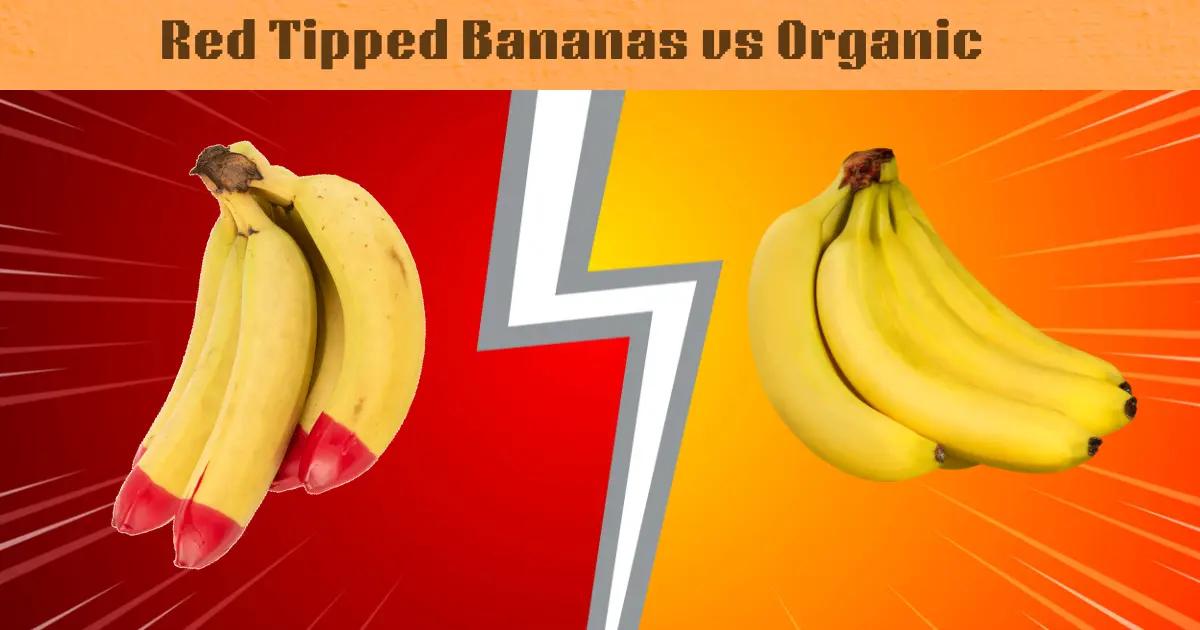
When you’re standing in the produce aisle comparing red-tipped bananas vs organic options, the choice can feel confusing. Red-tipped bananas are conventional bananas marked with a distinctive red wax coating on the tips, while organic bananas are grown without synthetic pesticides or fertilizers. The fundamental difference comes down to farming practices rather than banana variety—red-tipped bananas signal conventional growing methods with a visual marker, whereas organic bananas follow certified organic standards. For most consumers, the decision hinges on priorities: if pesticide reduction is your primary concern, organic wins; if budget and availability matter more, red-tipped conventional bananas offer a practical alternative. This comprehensive guide breaks down nutrition, safety, taste, environmental impact, and value to help you make the right choice for your household.
What Are Red-Tipped Bananas? (Definition & Characteristics)
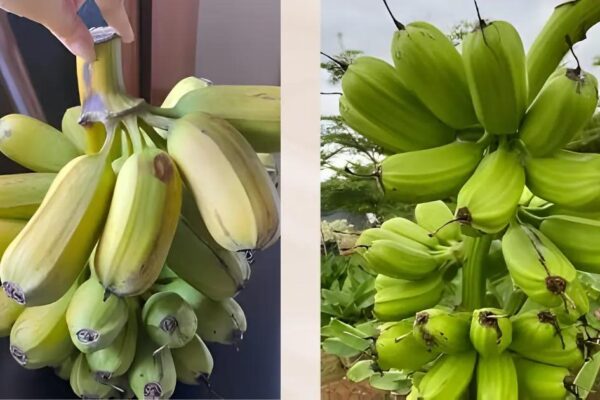
Red-tipped bananas are not a distinct variety of banana—they’re conventional Cavendish bananas marked with a red wax coating applied to the crown (the cut stem end). This red wax serves as a visual identifier used by some retailers and distributors to differentiate conventional bananas from organic ones in their supply chain. The practice originated in Australia and has spread to other markets, though it’s not universally adopted.
The red wax itself is food-grade and considered safe for consumption, typically made from shellac, carnauba wax, or synthetic alternatives. It creates a moisture barrier that can help extend shelf life slightly, though this is a secondary benefit. The primary purpose remains identification—allowing warehouse workers, stockers, and even consumers to quickly distinguish conventional bananas from their organic counterparts.
Red-tipped bananas are grown using conventional agricultural methods, which may include synthetic pesticides, fungicides, and chemical fertilizers. These farming practices differ significantly from organic standards, though the bananas themselves are genetically identical to organic Cavendish bananas. The red tip is purely a post-harvest addition and doesn’t indicate any special treatment or enhanced nutritional properties.
Some consumers mistakenly believe red-tipped bananas represent a premium product or special variety, but this isn’t accurate. The red wax is simply a labeling system, similar to the small stickers that indicate organic status (which typically display a “9” prefix on the PLU code). Understanding this distinction is crucial when evaluating red tipped bananas benefits compared to organic options.
What Makes Organic Bananas Different?
Organic bananas must meet strict certification standards that prohibit the use of synthetic pesticides, herbicides, fungicides, and fertilizers throughout the growing process. Instead, organic banana farmers rely on natural pest management techniques, compost-based fertilizers, crop rotation, and biological controls to maintain healthy plants and soil.
The certification process for organic bananas involves rigorous third-party verification and ongoing inspections. Farms must demonstrate compliance with organic standards for at least three years before their bananas can carry the organic label. This transition period ensures that soil and plants are free from prohibited substances and that sustainable farming practices are fully implemented.
Organic banana cultivation typically involves more labor-intensive farming methods. Without synthetic pesticides, farmers must manually remove diseased leaves, use physical barriers against pests, and employ companion planting strategies. These practices often result in slightly lower yields compared to conventional farming, which partially explains the higher retail price of organic bananas.
The differences between organic bananas vs regular bananas extend beyond just farming practices. Organic certification also regulates post-harvest handling, including restrictions on certain ripening agents and preservation methods. While both organic and conventional bananas may be treated with ethylene gas to control ripening (a naturally occurring plant hormone), organic standards limit other chemical interventions during storage and transport.
One important clarification: organic bananas are not necessarily marked with any colored wax. Some organic bananas have no tip marking at all, while others might use a green or blue wax for identification purposes. The absence of red wax doesn’t automatically mean a banana is organic—always check for organic certification labels or PLU codes starting with “9” to confirm organic status.
Nutritional Comparison: Red-Tipped vs Organic Bananas
From a purely nutritional standpoint, red banana nutrition profiles are virtually identical to organic banana nutrition when comparing the same variety (typically Cavendish). Both provide approximately 105 calories per medium banana, along with 27 grams of carbohydrates, 3 grams of fiber, and 14 grams of natural sugars. The macronutrient composition remains consistent regardless of farming method.
Both conventional red-tipped and organic bananas deliver essential micronutrients including potassium (422mg per medium banana), vitamin B6 (0.4mg), vitamin C (10mg), and magnesium (32mg). These nutritional values are determined by the banana variety, growing conditions, and ripeness level—not by whether synthetic pesticides were used during cultivation.
Some studies have suggested that organic produce may contain slightly higher levels of certain antioxidants and beneficial plant compounds. A 2014 meta-analysis published in the British Journal of Nutrition found that organic crops had 17% more antioxidants on average compared to conventional crops. However, the practical significance of these differences for bananas specifically remains debated, as bananas aren’t typically consumed primarily for their antioxidant content.
The mineral content of bananas can vary based on soil quality and farming practices. Organic farming methods that emphasize soil health through composting and natural amendments may theoretically produce bananas with more diverse mineral profiles. However, controlled studies comparing organic and conventional bananas specifically have shown minimal measurable differences in most essential nutrients.
One area where differences may exist is in the presence of pesticide residues, which we’ll address in the next section. While not technically a “nutrient,” the absence of chemical residues is often considered part of the nutritional quality equation by health-conscious consumers. The nutritional comparison ultimately shows that both options provide excellent basic nutrition, with the primary differences lying in what’s not present rather than what is.
Pesticide Exposure & Safety Concerns
Pesticide residue is the most significant safety difference between red-tipped conventional bananas and organic alternatives. The Environmental Working Group’s annual “Dirty Dozen” list, which ranks produce by pesticide contamination, typically places bananas in the “Clean Fifteen” category—meaning they have relatively low pesticide residues compared to other fruits and vegetables.
This favorable ranking exists because banana peels provide a natural protective barrier. The thick skin prevents most pesticides applied during growing from penetrating to the edible flesh inside. USDA testing consistently shows that banana flesh contains minimal detectable pesticide residues, even when the exterior peel has been treated with fungicides and insecticides during cultivation.
However, “minimal” doesn’t mean zero. Conventional bananas can contain trace amounts of pesticides including imazalil (a fungicide), thiabendazole, and chlorpyrifos (though the latter is being phased out in many regions). While these residues typically fall below regulatory safety thresholds established by agencies like the EPA and FDA, some consumers prefer to avoid any exposure, particularly for children and pregnant women.
Organic bananas eliminate this concern almost entirely. Testing shows that organic produce has significantly lower pesticide residues—typically 10-100 times less than conventional produce. For bananas specifically, choosing organic means virtually zero synthetic pesticide exposure, though natural pesticides permitted under organic standards may still be used in minimal amounts.
The safety question extends beyond personal health to farmworker exposure. Conventional banana farming involves regular pesticide application, exposing agricultural workers to potentially harmful chemicals. Organic farming practices protect these workers from synthetic pesticide exposure, making organic bananas a more ethical choice from a labor safety perspective. Studies in banana-growing regions have documented health issues among farmworkers exposed to conventional pesticides, including respiratory problems and skin conditions.
For most healthy adults, the pesticide residues on conventional red-tipped bananas pose minimal health risk according to current scientific evidence. However, the precautionary principle suggests that reducing pesticide exposure when practical is a reasonable health strategy, particularly for vulnerable populations. This makes organic bananas worth considering despite their higher cost for families with young children or those following pesticide-minimization diets.
Taste & Texture Differences
Blind taste tests comparing red-tipped conventional bananas and organic bananas typically reveal no consistent preference among consumers. When bananas are at the same ripeness stage and from the same variety (Cavendish), the taste and texture are virtually indistinguishable. The flavor profile—characterized by sweetness, slight tartness, and creamy texture—depends primarily on ripeness, storage conditions, and variety rather than farming method.
Some organic banana enthusiasts report a “cleaner” or “purer” taste, but controlled studies have not confirmed this as a measurable difference. These perceived differences may be influenced by psychological factors (knowing a banana is organic) or by variations in ripeness and storage rather than the organic growing method itself. The human palate is highly susceptible to expectation bias, making subjective taste comparisons unreliable without proper blind testing protocols.
Texture differences, when they occur, are more likely related to post-harvest handling and transportation than farming practices. Organic bananas sometimes travel shorter distances or spend less time in cold storage, potentially arriving at stores with slightly firmer texture. However, this varies significantly by retailer and supply chain, making it an unreliable distinguishing factor.
The ripening process affects taste identically for both organic and conventional bananas. As bananas ripen, starches convert to sugars, creating the characteristic sweetness. Brown spots indicate peak ripeness with maximum sugar content and softer texture. This process occurs at the same rate and produces the same flavor development regardless of whether the banana was grown organically or conventionally.
One potential taste factor involves the red wax on conventional bananas. While food-grade and safe, some consumers dislike the waxy feel when handling red-tipped bananas. This doesn’t affect the taste of the fruit itself, but it can influence the overall eating experience. The wax is easily removed by washing or simply peeling the banana normally, as it only coats the crown area.
For practical purposes, when deciding between red-tipped bananas vs organic based on taste alone, the choice comes down to personal preference and individual sensitivity. Most consumers will not detect meaningful taste differences, making other factors like price, availability, and pesticide concerns more relevant to the purchasing decision.
Price Comparison: Which Offers Better Value?
Organic bananas typically cost 30-70% more than conventional red-tipped bananas, with prices varying significantly by region, retailer, and season. As of 2024, conventional bananas average $0.50-$0.70 per pound in most U.S. markets, while organic bananas range from $0.80-$1.20 per pound. This price premium reflects the higher labor costs, lower yields, and certification expenses associated with organic farming.
The value equation depends on what you’re optimizing for. If your priority is organic bananas worth it from a pure nutrition-per-dollar perspective, conventional bananas offer better value—you get essentially the same macronutrients and most micronutrients for significantly less money. A family consuming 10 pounds of bananas monthly would spend approximately $60-$72 annually on conventional bananas versus $96-$144 on organic, a difference of $36-$72 per year.
However, value extends beyond just nutritional content. When you factor in reduced pesticide exposure, environmental benefits, and support for sustainable farming practices, organic bananas may represent better value for consumers who prioritize these factors. The question becomes: what is pesticide avoidance worth to you? For families with young children or individuals following clean eating protocols, the premium may be justified.
Bulk purchasing and seasonal availability can affect the price gap. Some warehouse clubs and discount retailers offer organic bananas at prices competitive with conventional options at regular grocery stores. Shopping strategically—buying organic when on sale and conventional when organic prices spike—can provide a middle-ground approach that balances budget and health priorities.
The “best bananas to buy” from a value perspective also depends on waste. Organic bananas sometimes have shorter shelf lives due to the absence of certain preservatives and fungicides, potentially leading to more spoilage if not consumed quickly. If your household struggles with fruit waste, the longer shelf life of conventional red-tipped bananas might actually provide better value despite the lower per-pound cost of organic options.
For budget-conscious shoppers, conventional red-tipped bananas offer excellent nutrition at an accessible price point. For those with more flexible food budgets who prioritize organic certification, the premium is relatively modest compared to other organic produce categories. Bananas remain one of the most affordable fruits in either category, making them accessible regardless of which option you choose.
Environmental Impact & Sustainability
The environmental comparison between red-tipped conventional and organic bananas reveals significant differences in farming practices and ecological impact. Organic banana cultivation prohibits synthetic pesticides and fertilizers that can contaminate soil, waterways, and surrounding ecosystems. This restriction protects biodiversity in banana-growing regions, preserving insect populations, soil microorganisms, and aquatic life that might otherwise be harmed by chemical runoff.
Conventional banana farming, while more productive per acre, often relies heavily on chemical inputs that can degrade soil health over time. Monoculture practices common in conventional banana plantations reduce biodiversity and create vulnerability to pests and diseases, necessitating increased pesticide use in a problematic cycle. The environmental cost includes soil erosion, water pollution from agricultural runoff, and reduced habitat quality for native species.
Organic farming practices emphasize soil health through composting, cover cropping, and natural amendments. These methods build soil organic matter, improve water retention, and create more resilient agricultural ecosystems. Over time, organic banana farms can actually improve soil quality rather than depleting it, representing a more sustainable long-term approach to agriculture.
Carbon footprint considerations complicate the environmental comparison. Organic farming typically requires more land to produce the same yield as conventional farming, which can mean more deforestation or habitat conversion. However, organic soils often sequester more carbon due to higher organic matter content, potentially offsetting this disadvantage. The net carbon impact varies by specific farming practices and location.
Transportation and packaging environmental impacts are similar for both organic and conventional bananas, as both typically travel long distances from tropical growing regions to consumer markets. The red wax on conventional bananas adds a minor environmental consideration—while food-grade and generally compostable, it represents an additional processing step and material input. Some municipalities’ composting programs accept wax-coated banana peels, while others don’t, affecting end-of-life disposal options.
Water usage presents another environmental factor. Organic banana farming often employs more efficient irrigation methods and emphasizes water conservation as part of holistic farm management. Conventional farms may use more water overall, though this varies significantly by operation. In water-scarce banana-growing regions, these differences can have meaningful environmental implications.
For environmentally conscious consumers, organic bananas generally represent the more sustainable choice. The elimination of synthetic pesticides, emphasis on soil health, and protection of biodiversity outweigh the potential land-use efficiency advantages of conventional farming. However, the most environmentally friendly option may be locally grown fruit when available, regardless of organic status, as transportation impacts can exceed farming method differences.
Which Should You Buy? (Decision Framework)
Choosing between red-tipped bananas vs organic depends on your personal priorities, budget, and values. This decision framework helps you determine which option aligns best with your specific situation and needs.
Choose Organic Bananas If:
You should prioritize organic bananas when pesticide minimization is your primary concern, particularly if you’re buying for young children, pregnant women, or individuals with compromised immune systems. The near-zero pesticide residue in organic bananas provides peace of mind and eliminates even trace chemical exposure. Families following clean eating protocols or attempting to reduce overall pesticide burden should default to organic options.
Environmental sustainability ranks high in your purchasing decisions. Organic certification ensures farming practices that protect soil health, water quality, and biodiversity in banana-growing regions. If you’re willing to pay a premium to support sustainable agriculture and reduce environmental harm, organic bananas align with these values.
Your budget accommodates the 30-70% price premium without causing financial stress. For households where the additional $3-6 monthly cost for organic bananas fits comfortably within the food budget, the benefits may outweigh the expense. This is particularly true if you’re already purchasing other organic produce and want consistency across your fruit selections.
Choose Red-Tipped Conventional Bananas If:
Budget constraints make organic prices prohibitive. Conventional bananas provide excellent nutrition at a fraction of the cost, making them accessible for families managing tight food budgets. The nutritional benefits of eating bananas regularly far outweigh the minimal pesticide exposure risk for most healthy adults, making conventional options a smart choice when cost is the primary factor.
You’re primarily concerned with basic nutrition rather than pesticide avoidance. Since bananas rank low on pesticide contamination lists due to their protective peel, conventional options deliver the same vitamins, minerals, and fiber as organic alternatives. For consumers focused on getting affordable potassium, fiber, and energy, conventional bananas excel.
Availability is limited in your area. Many smaller grocery stores and rural markets carry conventional bananas but not organic options. Rather than going without this nutritious fruit, conventional bananas serve as an excellent alternative when organic isn’t accessible.
Consider a Hybrid Approach:
Many families adopt a flexible strategy: buying organic bananas when prices are reasonable or for specific family members (young children), while purchasing conventional for general household use or when organic prices spike. This balanced approach maximizes value while still reducing pesticide exposure where it matters most.
Another practical strategy involves prioritizing organic for fruits you eat with the peel (like apples or berries) while accepting conventional for thick-skinned fruits like bananas. This targeted approach focuses your organic budget on produce with higher pesticide exposure risk, making each dollar more impactful.
Ultimately, the “best” choice is the one that gets you eating more fruit. Both organic and conventional bananas provide valuable nutrition, and regular banana consumption benefits health regardless of farming method. Don’t let perfect be the enemy of good—if conventional bananas fit your budget and you’ll eat them regularly, they’re an excellent choice. If you can afford organic and value the additional benefits, that’s equally valid.
Where to Buy Red-Tipped and Organic Bananas
Red-tipped conventional bananas are widely available at most major grocery chains, supermarkets, and discount retailers. In the United States, stores like Walmart, Kroger, Safeway, and regional chains consistently stock conventional bananas year-round. The red wax tip marking is more common in Australian markets (particularly Woolworths and Coles) but appears sporadically in other regions as retailers adopt this identification system.
If you’re specifically looking for red-tipped bananas Woolworths locations in Australia reliably carry them, as this retailer pioneered the red wax marking system to help customers distinguish conventional from organic options. However, remember that not all conventional bananas have red tips—the marking is a retailer choice rather than an industry standard.
Organic bananas have become increasingly accessible over the past decade. Major chains including Whole Foods, Trader Joe’s, Sprouts, and conventional supermarkets with natural food sections now stock organic bananas regularly. Warehouse clubs like Costco and Sam’s Club often offer organic bananas at competitive prices, sometimes approaching conventional banana pricing when purchased in larger quantities.
Online grocery delivery services including Amazon Fresh, Instacart, and retailer-specific delivery platforms provide access to both organic and conventional bananas with home delivery. This option proves particularly valuable for consumers in areas with limited organic produce availability, though shipping costs may offset any price advantages.
Farmers markets occasionally offer locally grown bananas in tropical and subtropical regions, though this is rare in most temperate climates. When available, these bananas may not be certified organic but often follow low-spray or pesticide-free practices. Asking vendors directly about their growing methods can reveal options that split the difference between conventional and certified organic.
Specialty health food stores and co-ops typically emphasize organic produce and may offer better selection and pricing on organic bananas than conventional supermarkets. Membership-based co-ops often provide significant discounts to members, making organic options more affordable for regular shoppers.
For consumers interested in ecoganic bananas (a term sometimes used for bananas grown with organic methods but not necessarily certified), specialty retailers and some farmers markets may carry these options. The term “ecoganic” isn’t regulated like “organic,” so verify growing practices directly with sellers if this matters to your purchasing decision.
Seasonal availability affects both organic and conventional banana pricing and quality. While bananas are available year-round due to tropical growing regions, prices fluctuate based on weather events, transportation costs, and supply chain factors. Shopping at multiple retailers and comparing prices can help you find the best deals regardless of which type you prefer.
Making Your Final Decision
The choice between red-tipped bananas vs organic ultimately comes down to your individual priorities, budget, and values. Both options provide excellent nutrition, with organic bananas offering reduced pesticide exposure and environmental benefits at a higher price point, while conventional red-tipped bananas deliver the same basic nutrients at a more accessible cost.
For most consumers, the decision isn’t binary. You might choose organic for your children’s lunches while buying conventional for baking and smoothies. You might alternate based on sales and availability. The most important factor is incorporating bananas into your diet regularly, regardless of farming method, as the health benefits of this nutrient-dense fruit far outweigh the minor differences between organic and conventional options.
Consider your household’s specific needs: if anyone has heightened sensitivity to pesticides, if environmental sustainability is a core value, or if budget constraints make every dollar count. There’s no universally “correct” answer—only the right choice for your unique situation. Both red-tipped conventional and organic bananas deserve a place in a healthy diet, and understanding the real differences empowers you to make informed decisions that align with your priorities and circumstances.
Frequently Asked Questions
What does the red tip on a banana mean?
The red tip on a banana is a food-grade wax coating applied to conventionally grown bananas to help identify them in the supply chain and extend shelf life. This red wax marker distinguishes conventional bananas from organic varieties, which typically have no colored wax or use different identification methods. The wax is considered safe to consume, though many people prefer to wash it off before eating.
Are red tip bananas organic?
No, red-tipped bananas are not organic—they are conventionally grown bananas. The red wax tip specifically indicates that these bananas were grown using conventional farming methods, which may include synthetic pesticides and fertilizers. When comparing red-tipped bananas vs organic options, the red tip is actually a visual marker that helps distinguish non-organic produce from certified organic bananas.
Do you really need to buy organic bananas?
Buying organic bananas is a personal choice rather than a necessity, since banana peels provide a natural protective barrier against pesticides. The thick peel means the edible fruit inside has minimal pesticide exposure compared to thin-skinned fruits. However, organic bananas support more sustainable farming practices and eliminate synthetic chemical use, which benefits farm workers and the environment even if the nutritional difference is minimal.
Are red tipped bananas better than organic bananas?
“Better” depends on your priorities when choosing between red-tipped bananas vs organic varieties. Red-tipped conventional bananas are typically less expensive and more widely available, making them budget-friendly. Organic bananas offer environmental benefits, support sustainable agriculture, and eliminate synthetic pesticide exposure, though both types provide essentially the same nutritional value.
What is the purpose of red tipped bananas?
The red tip serves as a visual identification system for retailers and consumers to distinguish conventionally grown bananas from organic or specialty varieties. This color-coding helps with inventory management, pricing accuracy, and allows shoppers to quickly identify which farming method was used. The wax coating also provides a minor protective barrier that can help extend shelf life during transport and storage.
Are red tipped bananas safe to eat?
Yes, red-tipped bananas are completely safe to eat, as the red wax coating is made from food-grade materials approved by food safety authorities. The wax can be easily washed off with water if you prefer, though it’s non-toxic if consumed. The bananas themselves meet the same food safety standards as organic bananas, with the main difference being the farming practices used during cultivation rather than food safety.
Is there a nutritional difference between red-tipped and organic bananas?
No significant nutritional difference exists between red-tipped conventional bananas and organic bananas. Both provide the same amounts of potassium, fiber, vitamin B6, and vitamin C regardless of farming method. The choice between red-tipped bananas vs organic is primarily about farming practices, environmental impact, and pesticide exposure rather than nutritional superiority of one over the other.
Can you compost the red wax on bananas?
The red wax coating on banana tips is generally not ideal for composting, as it’s a synthetic petroleum-based or shellac-based product that breaks down very slowly. It’s best to remove and discard the wax-coated tip portion before composting banana peels. If you’re committed to composting all banana waste, choosing organic bananas without wax coatings is a more compost-friendly option.
You May Also Like
Why Do Organic Bananas Taste Better? Science & Facts

Black Banana Tree: 5 Dark Varieties That Thrive (Growing Guide)